Difference Between Crossbow and Compound Bow Broadheads: Essential Guide
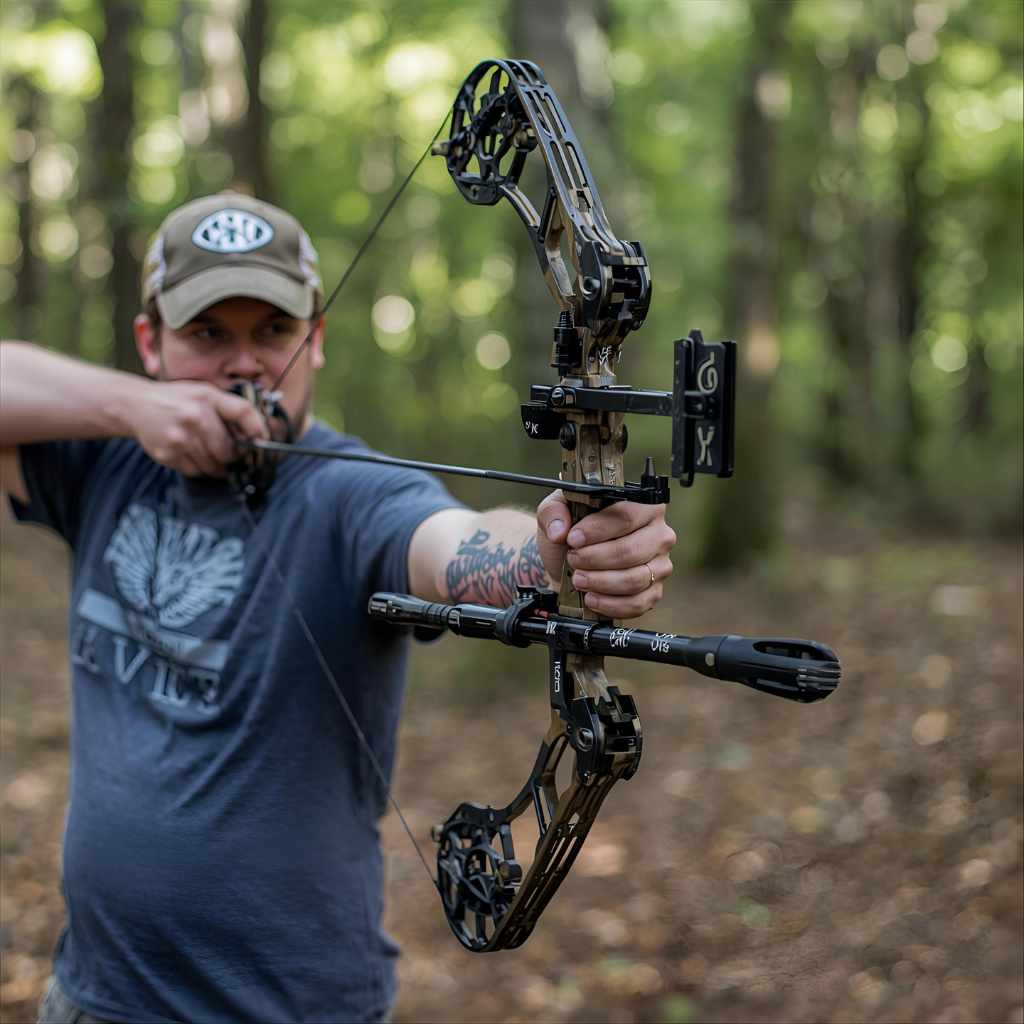
The main difference between crossbow and compound bow broadheads lies in their design and intended use. Crossbow broadheads are built for the immense power and speed of crossbows, often featuring a shorter, heavier construction for maximum penetration. Compound bow broadheads are designed to be lighter and more aerodynamic for the trajectory of arrows shot from compound bows. Choosing the right one ensures effective and humane hunting.

SHENG-RUI
SHENG-RUI Bow String Wax Archery Crossbow Recurve…
- Weight: 0.15 OZ/PC
- Diamater: 16.5 mm, Length: 66 mm
- Directly to Rail, Wipe Down with Finger or Soft Cloth
As an Amazon Associate I earn from qualifying purchases.
Choosing the right broadhead for your archery hunt can feel a bit overwhelming, especially when you’re just starting out. You’ve got your bow, your arrows, and you’re ready to explore the exciting world of bowhunting. But then you see it: a dizzying array of broadheads, all claiming to be the best. Two common types stand out: those for compound bows and those for crossbows. What’s the real deal with these? It’s a question many beginners wrestle with, and it’s totally understandable! Don’t worry, we’re here to clear the fog.
Think of me as your friendly archery coach, ready to walk you through exactly what you need to know. We’ll break down the key differences, helping you make an informed choice that will boost your confidence and success in the field. Ready to get your questions answered and learn how to pick the perfect broadhead? Let’s dive in!
Understanding Broadheads: The Business End of Your Arrow
Before we get into the nitty-gritty of crossbow versus compound bow broadheads, let’s talk about what a broadhead even is. Imagine the tip of your arrow during a hunt. That’s your broadhead! It’s the part designed to make a lethal wound, ensuring a quick and ethical harvest. Unlike the small, blunt field points you use for target practice, broadheads have sharp blades that cut tissue. They are essential for bowhunting and crucial for bringing down game effectively.
The goal of any broadhead is to create a significant wound channel. This means two things: a clean pass-through for maximum blood loss and a lethal strike. When you’re out in the field, ethical hunting is paramount. This means using equipment that is both effective and humane. The accuracy and performance of your broadhead directly impact your success and the well-being of the animal you are hunting. Because compound bows and crossbows operate with different mechanics and shoot arrows at vastly different speeds, their ideal broadheads are also engineered differently.
Compound Bow Broadheads: Designed for Speed and Flight
Compound bows have revolutionized archery with their advanced pulley systems, often called cams. These cams allow archers to draw the bow with less effort and achieve higher arrow speeds. This means arrows released from compound bows fly faster, flatter, and farther than those from traditional bows. Because of this speed and trajectory, compound bow broadheads are designed with aerodynamics and weight balance in mind.
The primary goal for a compound bow broadhead is to maintain its flight path true to your arrow. Any wobble or drag can send your shot wildly off course, especially at longer distances. So, they tend to be:
- Lighter: A lighter broadhead contributes to a faster arrow speed and a flatter trajectory.
- More Aerodynamic: Their design minimizes air resistance, allowing the arrow to fly straighter and truer.
- Balanced: They are engineered to work seamlessly with the arrow rest and other components of the compound bow system.
There are two main categories of compound bow broadheads:
1. Mechanical Broadheads (or Expandable Broadheads)
These broadheads are quite ingenious. In their “closed” position, they look much like field points, allowing for excellent aerodynamics. When the arrow hits the target, the force of impact causes the blades to deploy, opening up to create a much larger cutting diameter. This significantly increases the wound channel.
- Pros:
- Excellent aerodynamics in flight, often similar to field points.
- Create large wound channels upon deployment, which can lead to more blood sign.
- Can be easier to tune with a compound bow due to their streamlined profile.
- Cons:
- Prone to mechanical failure if not deployed properly or if a blade gets stuck.
- Can be slightly less durable than fixed-blade designs.
- Some hunting regulations may prohibit mechanical broadheads depending on the type of game and location. Always check local hunting regulations for specifics.
2. Fixed-Blade Broadheads
These are the more traditional type. They have blades that are permanently fixed in place, ready to cut upon impact. They are often made from a single piece of steel or have blades that are permanently attached to the ferrule (the part that screws onto the arrow shaft).
- Pros:
- Extremely durable and reliable.
- Simple design means less chance of mechanical failure.
- Generally create excellent penetration, especially through bone.
- Cons:
- Can be less aerodynamic than mechanical broadheads, potentially affecting long-range accuracy.
- May require more tuning to ensure they fly true with your compound bow.
- Cutting diameter is typically smaller than a fully deployed mechanical broadhead.
For compound bows, many hunters prefer mechanical broadheads for their flight characteristics, while others stick with fixed-blades for their unwavering reliability and penetration. The choice often comes down to personal preference, shooting style, and the type of game being pursued.
Crossbow Broadheads: Built for Power and Penetration
Crossbows are a different beast altogether. They differ from compound bows in how the power is stored and released. While compound bows use a system of cams and cables, crossbows typically employ a powerful draw weight that is held back by a trigger mechanism. When fired, the arrow is propelled by enormous force. This means crossbows shoot arrows at incredible speeds, often much faster than compound bows, and with a trajectory that is more akin to a bullet.
Because of this phenomenal power, crossbow broadheads are engineered with a different set of priorities. The primary concern is maximum penetration. They need to withstand the incredible forces of a crossbow launch and ensure they punch through thick hides and muscle to reach vital organs.
Key features of crossbow broadheads include:
- Shorter Ferrules: They often have a shorter, more compact ferrule. This design helps to reduce deflection and increase penetration.
- Heavier Weight: Crossbow broadheads are typically heavier than compound bow broadheads. This added weight contributes to momentum, which aids in penetration.
- Shorter, Stiffer Blades: The blades are often shorter and thicker, making them more robust and less likely to bend or break upon impact.
- Aerodynamics are Still Important, but Penetration is King: While they need to fly true, the extreme speed of crossbows means that even a slightly less aerodynamic broadhead can often still fly straight. The emphasis shifts more towards driving through the target.
Similar to compound bow broadheads, crossbow broadheads also come in mechanical and fixed-blade varieties, but with adjustments for the crossbow’s power:
1. Mechanical Broadheads for Crossbows
Mechanical broadheads for crossbows are designed to handle the immense speed and energy. They often feature:
- Stronger Retention Systems: To ensure blades don’t deploy prematurely during the shot.
- Reinforced Blades: Made from stronger materials to prevent bending or breaking.
- Shorter, Wider Cut: While some mechanicals expand significantly, crossbow versions might prioritize a shorter, sturdier blade that opens to a substantial cutting diameter without compromising too much penetration.
The aerodynamic advantage of mechanicals is still a plus for crossbows, helping maintain accuracy. When they deploy, the wider cut increases the wound channel, which is highly desirable for quick, ethical kills.
2. Fixed-Blade Broadheads for Crossbows
Fixed-blade broadheads are exceptionally popular for crossbows due to their legendary durability and penetration. They are built to:
- Withstand Extreme Force: Their robust construction is ideal for the high-energy impact of a crossbow bolt.
- Offer Superior Penetration: The heavier weight and shorter, wider blade design excel at punching through tough animal hide and bone.
- Be Simple and Reliable: No moving parts means no risk of mechanical failure.
Many veteran crossbow hunters swear by fixed-blade broadheads for this reason. They are straightforward, dependable, and deliver devastating performance. You can learn more about the mechanics of projectile energy and momentum from resources like physics explanations on energy and momentum which underline why these factors are critical for penetration.
Key Differences Summarized
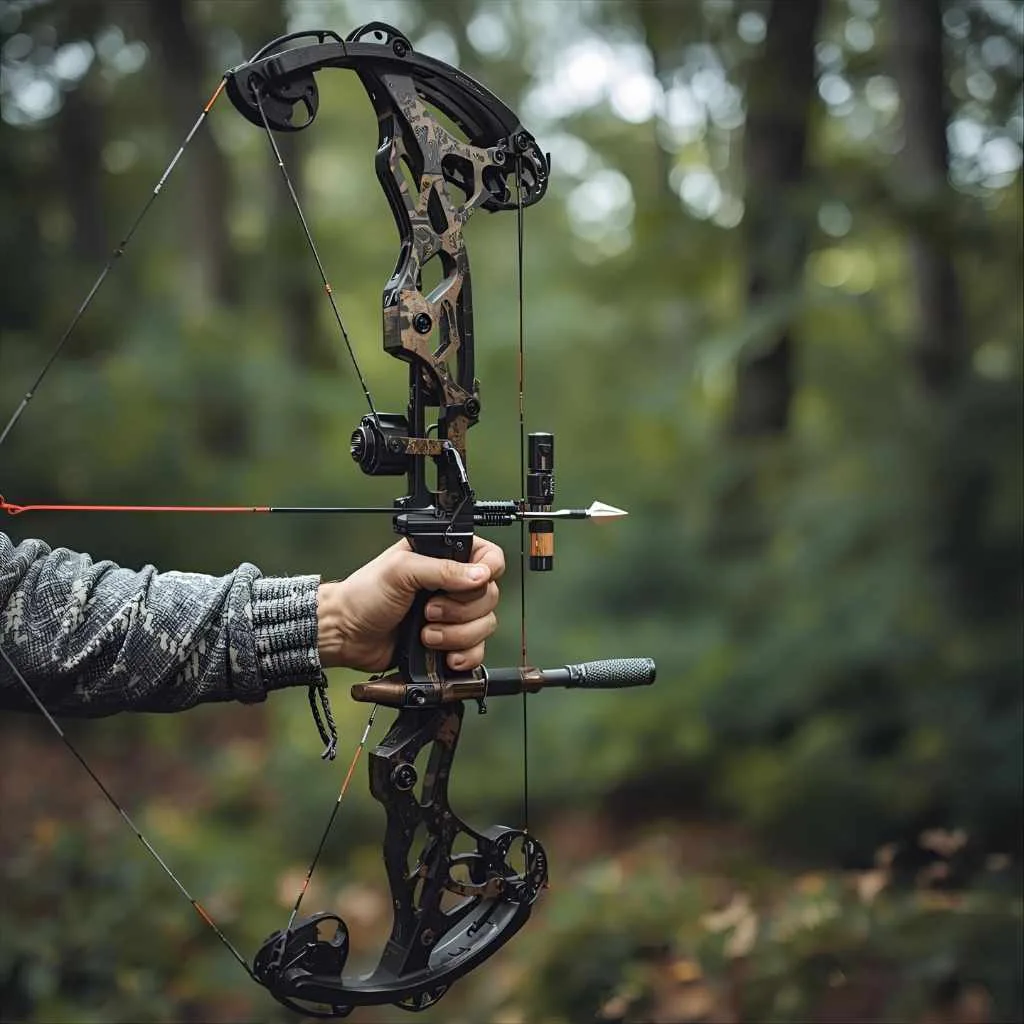
Let’s bring it all together. While both types of broadheads aim to do the same job – harvest game ethically – their design nuances are critical for optimal performance with their respective archery equipment. The fundamental distinction lies in how they are built to complement the unique shooting characteristics of compound bows versus crossbows.
Broadhead Design Comparison Table
| Feature | Compound Bow Broadhead | Crossbow Broadhead |
|---|---|---|
| Primary Design Focus | Aerodynamics, controlled expansion (mechanicals), balanced flight. | Maximum penetration, durability under extreme force. |
| Weight | Generally lighter. | Generally heavier. |
| Ferrule Length | Can be longer for stability. | Typically shorter for reduced deflection and better penetration. |
| Blade Design | Can be thinner and longer (mechanicals), or varied for fixed blades. | Often shorter, thicker, and wider for strength and cutting power. |
| Material Strength | Durable steel, designed for arrow speeds. | Heavy-duty steel, designed to withstand immense impact energy. |
| Aerodynamics vs. Penetration | Aerodynamics often prioritized for accuracy over long distances. | Penetration is the top priority, with aerodynamics being secondary due to extreme speed. |
| Typical Uses | Deer, antelope, turkey, and other medium-to-large game. | Deer, elk, bear, wild boar, and other larger, tougher game. |
It’s important to remember that these are general guidelines. Manufacturers often create specific broadheads optimized for either compound bows or crossbows. For instance, a broadhead labeled “Crossbow Broadhead” will almost certainly be designed for the higher speeds and energy transfer of a crossbow. Conversely, a broadhead intended for a compound bow might be lighter and more focused on aerodynamic flight. Always check the manufacturer’s recommendations to ensure compatibility and optimal performance.
Choosing the Right Broadhead for You
As a beginner, navigating these choices can seem daunting, but it doesn’t have to be. Here’s a simple approach:
- Identify Your Equipment: Are you shooting a compound bow or a crossbow? This is the most critical factor.
- Consider Your Target Game: What kind of animals will you be hunting? Larger, tougher animals (like elk or bear) might benefit from the superior penetration of heavier, more robust broadheads, often favored by crossbow users. Smaller game might be perfectly suited to lighter, more aerodynamic options.
- Practice with Field Points First: Before you ever touch a broadhead, you need to be proficient with your bow and arrow setup using field points. Your arrows should fly true and your accuracy should be consistent.
- Practice with Broadheads: This is crucial! Broadheads fly differently than field points. You need to practice shooting your chosen broadheads to:
- Ensure they fly straight and group with your field points.
- Get a feel for how they impact your arrow’s trajectory.
- Build confidence in your setup.
Consider using practice broadheads that mimic the flight characteristics of your hunting broadheads but are designed for durability during practice.
- Read Reviews and Manufacturer Specifications: Once you have an idea of what you need, check what other hunters and manufacturers recommend for your specific bow and intended quarry. The Archery Trade Association (ATA) has standards that guide the design and testing of archery equipment, including broadheads, so looking for ATA-approved or certified products can be a good sign of quality.
- Don’t Be Afraid to Ask for Help: Visit your local archery shop. The staff there are usually experienced archers and hunters and can offer personalized advice based on your equipment and needs.
Safety First! Always
Working with broadheads requires respect and caution. They are incredibly sharp and designed to cut. Always:
- Keep Them Covered: Use blade protectors whenever the broadhead is not in use.
- Handle with Extreme Care: Never touch the blades directly. Always handle them by the ferrule.
- Store Securely: Keep broadheads in a secure case away from children and pets.
- Install Carefully: When screwing broadheads onto arrows, be mindful of the sharp edges. Some archers wear gloves for extra protection.
The last thing you want is an accidental cut. Treat every broadhead like a surgical instrument, because in many ways, they are.
Frequently Asked Questions (FAQ)
Q1: Can I use crossbow broadheads on my compound bow?
While you might be able to, it’s generally not recommended. Crossbow broadheads are heavier and their design prioritizes penetration over the finer aerodynamic tuning that compound bow broadheads focus on. Using them on a compound bow could negatively affect your arrow’s flight and accuracy, especially at longer distances.
Q2: Can I use compound bow broadheads on my crossbow?
It’s also not ideal. Compound bow broadheads are typically lighter and more aerodynamic. While they might fly decently due to the crossbow’s speed, they may not have the brute force and durability to penetrate tough hide and bone as effectively as a dedicated crossbow broadhead. They could bend or break upon impact.
Q3: Do broadheads fly the same as field points?
No, not usually. Broadheads, especially fixed-blade ones, have a larger surface area and can catch more wind, causing them to fly slightly differently and potentially slower than field points. Mechanical broadheads, when closed, are often very similar to field points in flight, but their action upon impact is entirely different. This is why practicing with your actual hunting broadheads is vital to ensure they are grouped with your field points.
Q4: How far should I practice with broadheads?
Start at close range, perhaps 10–15 yards, to ensure your broadheads are flying true and grouping with your field points. Once you’re confident they are flying accurately, you can gradually increase your practice distance to simulate hunting scenarios. However, always be aware that broadheads can be damaged on hard targets, so practice on targets designed for them.
Q5: Are mechanical broadheads less ethical than fixed-blade broadheads?
When properly tuned, sharp, and used with adequate energy, both mechanical and fixed-blade broadheads can be equally ethical. The ethical aspect of bowhunting hinges on the archer’s skill, proper shot placement, and the equipment’s ability to create a lethal wound. Mechanical broadheads, when they deploy fully, often create very large wound channels, which can lead to quick incapacitation. Fixed-blades are renowned for their penetration. The key is choosing a quality broadhead suitable for your equipment and game, and practicing extensively.
Q6: What is a “ferrule” on a broadhead?
The ferrule is the part of the broadhead that screws onto the arrow shaft, or attaches to an insert, like a field point does. It’s the component that holds the blades and connects the entire broadhead assembly to the arrow.
Q7: Do I need different broadheads for different types of game?
Yes, it’s highly recommended. For smaller game like turkey or smaller whitetail deer, a lighter, more aerodynamic broadhead might suffice. For larger, tougher game like elk or bear, you’ll want a heavier, more robust broadhead designed for maximum penetration and durability. Always research the specific requirements and recommendations for the game you intend to hunt.
Related pick: Check today's price on Amazon