Compound vs Recurve Crossbow: Limb Design Explained
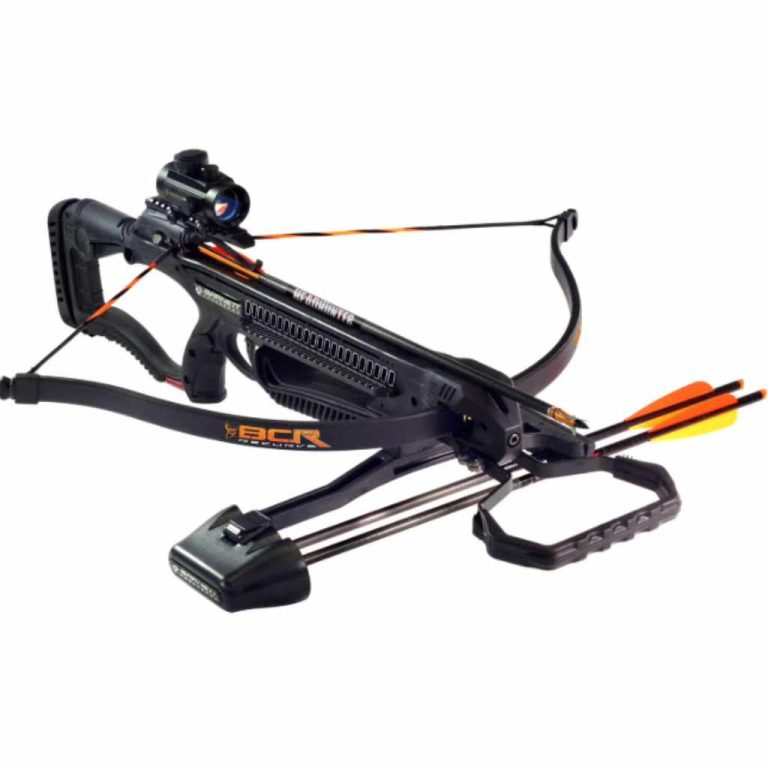
Recurve crossbow limbs are longer, curve outward at the tips, and store energy directly through the bend of the limb itself — no cams or pulleys involved. Compound crossbow limbs are shorter and stiffer, with cams and cables at the ends that multiply mechanical force, giving compounds higher speed and a shorter axle-to-axle width for the same power. Many hunters still choose recurve crossbows for their simplicity — fewer moving parts, easier field maintenance (you can restring by hand), and no cam-timing issues to worry about.
For related crossbow topics, Accudraw vs Accudraw 50 and crossbow bolt differences are worth checking too.
What Is a Crossbow, Anyway?
A crossbow is like a bow and arrow on steroids. It’s a weapon that shoots bolts (short arrows) using a string and limbs mounted on a stock. You pull the string back, lock it, and fire with a trigger. Simple, right? The difference between compound and recurve crossbow lies in their design and how they launch those bolts. Let’s dig into each type to see what makes them tick.
Recurve Crossbow: The Classic Choice
A recurve crossbow has limbs that curve away from you, then back toward you, like an “S” shape. This design acts like a spring, giving the bolt a big push. Think of it as the trusty old pickup truck of crossbows—simple, tough, and reliable.
- How It Works: You pull the string back (called cocking), and the limbs bend to store energy. When you pull the trigger, the limbs snap forward, firing the bolt.
- Fun Fact: Recurve crossbows have been around for centuries—think medieval knights!
Compound Crossbow: The Modern Muscle
A compound crossbow is like a sports car—sleek, high-tech, and powerful. It uses a system of cables and pulleys (called cams) to make cocking easier and boost bolt speed. The cams reduce the effort needed to hold the string, so you can aim longer.
- How It Works: The cams and cables multiply the force when you cock the crossbow, storing more energy for a faster shot.
- Cool Note: Compound crossbows often shoot bolts over 400 feet per second (FPS)!
Comparing Compound and Recurve Crossbows
Let’s break down the difference between compound and recurve crossbow with a side-by-side look. I’ve hunted with both, and each has its own vibe. Here’s a simple comparison to help you choose.
| Feature | Recurve Crossbow | Compound Crossbow |
|---|---|---|
| Design | Simple limbs, single string | Cams, cables, complex system |
| Speed | 300–400 FPS | 350–450 FPS |
| Weight | Lighter (5–7 lbs) | Heavier (6–9 lbs) |
| Maintenance | Easy, do-it-yourself | Needs pro tools (bow press) |
| Cost | $200–$800 | $400–$1500 |
Table 1: Quick Comparison of Recurve and Compound Crossbows
Speed and Power
Compound crossbows are usually faster, often hitting 400+ FPS. That’s great for long shots or big game like deer. Recurves are no slouch, though—300 FPS is plenty to take down a hog. I once shot a recurve at a target 40 yards away, and the bolt zipped right through!
Size and Weight
Recurves are bigger and wider, which can be tricky in tight woods. Compounds are compact but heavier due to their cams and cables. If you’re hiking far, a lighter recurve might be your pal.
Maintenance Made Easy
Recurves win here. You can replace the string in the field with just your hands—piece of cake! Compounds need a bow press for string changes, so you’re stuck if it breaks mid-hunt. I learned this the hard way when my compound’s string snapped on a trip.
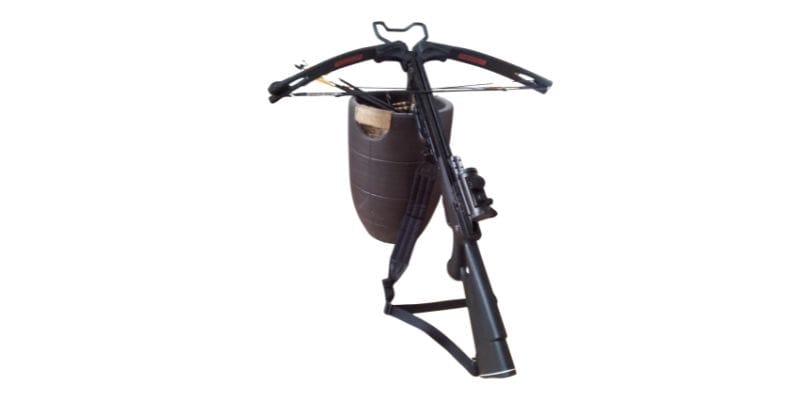
Recurve or Compound: Best Pick Either Way
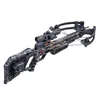
Wicked Ridge Commander 400 Compound Crossbow
A real compound crossbow with the shorter, cam-driven limbs this guide explains — narrower axle-to-axle width and higher speed than a recurve equivalent.
- Best for: hunters who want the narrow width and speed compound limbs give
- Why we picked it: cam system delivers higher FPS from shorter limbs, per this guide’s own comparison
- Main drawback: needs a bow press for string work, unlike a recurve crossbow
Compare more options
 Option 1 Barnett Whitetail Hunter II Crossbow Package
|  Option 2 Barnett Crossbow Rail Lube & Wax Combo Kit
| 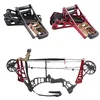 Option 3 SOPOGER Portable Compound Bow Press
|
As an Amazon Associate we earn from qualifying purchases.
Benefits and Drawbacks of Each
Both crossbows have their ups and downs. Here’s a quick rundown based on my time shooting them.
Recurve Crossbow Pros and Cons
- Pros:
- Simple design means fewer breakdowns.
- Easy to fix in the field—no fancy tools needed.
- Lighter weight makes it great for long treks.
- Cheaper, so your wallet stays happy.
- Cons:
- Wider limbs can snag in brush.
- Slower than compounds (but still powerful).
- Heavy draw weight can tire you out.
Compound Crossbow Pros and Cons
- Pros:
- Faster bolts for long-range accuracy.
- Easier to cock thanks to the cam system.
- Compact size is great for tight spaces.
- Cons:
- More parts mean more things can break.
- Heavier, so your arms might complain.
- Pricey, especially high-end models.
Tools and Accessories You’ll Need
No matter which crossbow you pick, you’ll need some basic gear. Here’s what I use to keep my crossbows shooting straight:
- Cocking Device: Makes pulling the string easier. A rope cocker costs about $20 and works for both types.
- Bolts: Use 20-inch bolts for recurves, 16–22 inches for compounds. Get carbon bolts for durability ($30–$50 for six).
- Scope: A simple 4×32 scope ($50–$100) helps with aim. Compounds often come with one; recurves might not.
- String Wax: Keeps strings smooth and lasts longer ($5–$10). Apply every 50 shots.
Pro Tip: Always carry an extra string for recurves. It’s a lifesaver if one snaps in the field! For compounds, pack a small repair kit, but know you might need a shop for big fixes.
My Top Tips for Choosing and Using Crossbows
After years of shooting, here are my go-to tips for picking between a compound and recurve crossbow:
- Try Before You Buy: Shoot both types at an archery shop. I felt the recurve’s simplicity suited my laid-back style, but my buddy loves his compound’s speed.
- Match Your Hunt: If you’re in thick woods, a compound’s narrow design is a win. For open fields, a recurve’s lighter weight shines.
- Practice Safety: Always point the crossbow downrange, even when unloaded. I once saw a newbie wave a loaded crossbow around—scary stuff!
- Start Cheap: Beginners should grab a budget recurve (like the Barnett Wildcat, ~$250) to learn without breaking the bank.
Common Mistakes to Avoid
Newbies make some classic blunders. Here’s how to dodge them:
- Skipping Maintenance: Wax your string regularly to avoid fraying. I neglected this once, and my recurve string snapped mid-shot.
- Wrong Bolts: Using the wrong bolt size can jam your crossbow. Check the manual—every time.
- Ignoring Noise: Compounds are louder. Use limb dampeners ($10–$20) to keep game from spooking.
Cost Comparison: Recurve vs. Compound
Here’s a quick look at what you’ll spend on each type, based on my shopping trips.
| Item | Recurve Cost | Compound Cost |
|---|---|---|
| Crossbow | $200–$800 | $400–$1500 |
| Bolts (6-pack) | $30–$50 | $30–$60 |
| Scope | $50–$100 | $50–$150 |
| Cocking Device | $20–$40 | $20–$50 |
| Total (Low-End) | $300–$400 | $500–$700 |
Table 2: Cost Breakdown for Recurve vs. Compound Crossbows
Why the Choice Matters
Picking between a compound and recurve crossbow depends on your goals. If you want simplicity and reliability, go recurve—it’s my pick for beginners. If speed and precision are your thing, a compound’s your best bet. I love my recurve for its classic feel, but I borrow a compound for long-range target shoots. Try both and see what clicks! For more on crossbow basics, check out Archery360 or Bowhunting.com.
Frequently Asked Questions
What Is the Main Difference Between Compound and Recurve Crossbow?
A compound crossbow uses cams and cables for more power and speed, while a recurve crossbow has simple, curved limbs for reliability and easy maintenance.
Which Crossbow Is Better for Beginners?
Recurve crossbows are better for beginners due to their simple design, lower cost, and easy fixes. Start with a recurve to learn the basics.
Are Compound Crossbows More Accurate?
Compounds can be more accurate at long ranges due to faster bolts. But with practice, recurves are just as accurate for most hunting distances.
Can I Fix a Crossbow in the Field?
Recurve crossbows are easier to fix in the field—you can replace the string by hand. Compounds need a bow press, so you might need a shop.
Which Crossbow Is Quieter?
Recurve crossbows are usually quieter because they have fewer moving parts. Compounds can be loud but can be dampened with accessories.
How Fast Are Compound vs. Recurve Crossbows?
Compounds shoot bolts at 350–450 FPS, while recurves hit 300–400 FPS. Both are powerful enough for hunting, but compounds have an edge.
What’s Cheaper: Recurve or Compound Crossbow?
Recurve crossbows are cheaper, starting at $200, while compounds start at $400. Recurves also have lower maintenance costs over time.
Wrapping It Up
The difference between compound and recurve crossbow boils down to simplicity versus power. Recurves are light, reliable, and easy to fix—perfect for beginners or remote hunts. Compounds pack a punch with speed and precision but need more care. I love the recurve’s classic vibe, but a compound’s zippy bolts are hard to beat. Try shooting both at a local range to find your fit. Share your crossbow adventures in the comments—I’d love to hear them! For more tips, visit Crossbow Nation. Happy shooting!