Crossbow Barrel vs. Arrow: What’s the Difference?
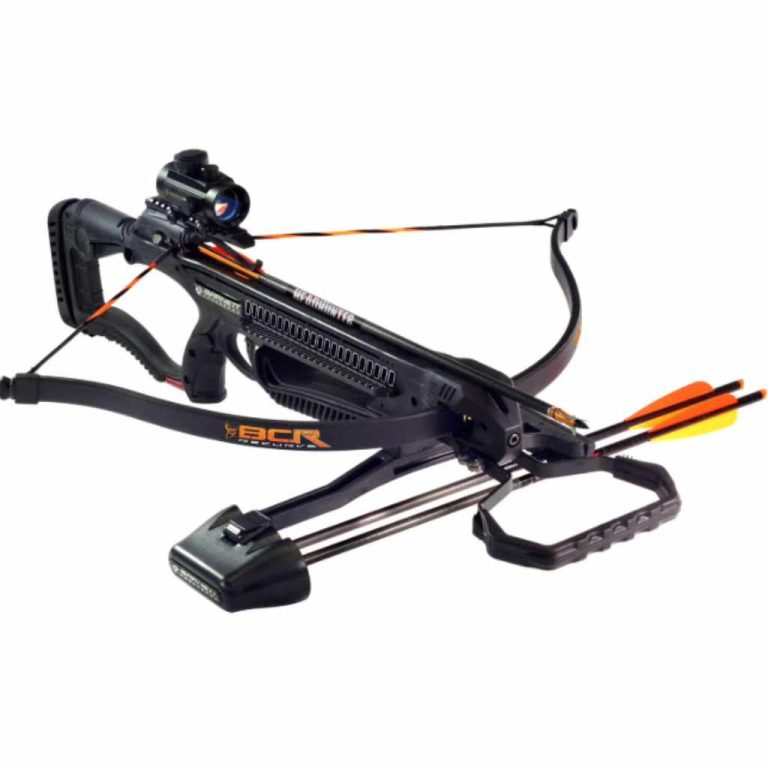
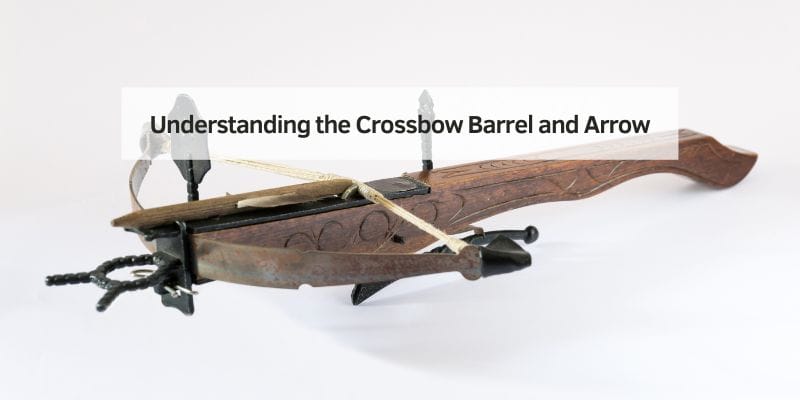
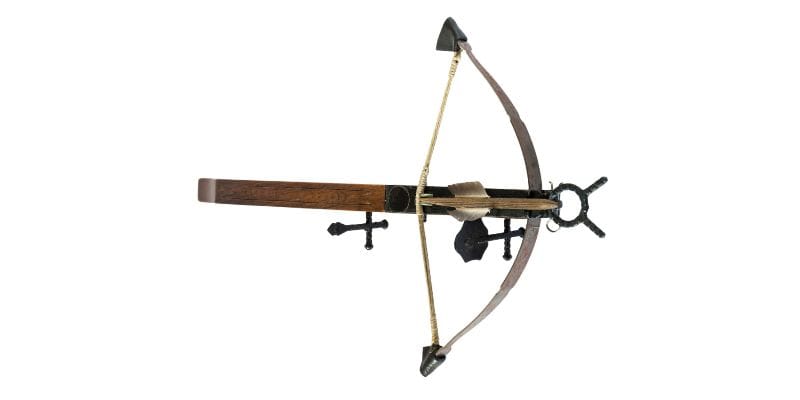
A crossbow barrel (also called the rail or track) is the flat, grooved surface on top of the crossbow that the arrow rides along and is guided by during launch. The crossbow arrow itself is usually called a bolt — a shorter, stiffer version of a standard arrow built specifically for a crossbow’s rail. Here’s how the two differ and work together.
What Is a Crossbow Barrel?
Picture this: you’re holding a crossbow, and you notice that sleek, sturdy track running along the top. That’s the crossbow barrel. It’s not a tube like a firearm barrel but a flat or grooved rail that guides the crossbow arrow as it’s propelled forward by the string. The barrel keeps the arrow stable and aligned, ensuring it flies straight toward your target.
The barrel is typically made of lightweight but durable materials like aluminum or composite materials. Its job is to provide a smooth, consistent surface for the arrow to slide along during the shot. A good barrel minimizes friction and keeps the arrow on course. I’ve found that the quality of the barrel can make or break your accuracy. A poorly made barrel can cause the arrow to wobble or veer off, which is the last thing you want when you’re aiming at a deer 40 yards away.
Barrels come in different lengths and designs, depending on the crossbow model. Some are integrated into the crossbow’s frame, while others are detachable for maintenance. I’ve tinkered with a few models, and I can tell you that a well-maintained barrel is crucial. Dirt, debris, or even a slight bend can throw off your shot. Regularly cleaning and waxing the barrel keeps it smooth and your shots consistent.
What Is a Crossbow Arrow?
Now, let’s talk about the crossbow arrow, or what many folks call a bolt. This is the projectile you load onto the barrel. It’s the part that actually flies through the air and hits your target. Unlike traditional arrows used with recurve or compound bows, crossbow arrows are shorter and sturdier to handle the high force of a crossbow’s draw.
A typical crossbow arrow consists of a shaft, a point (or broadhead for hunting), fletching (the vanes or feathers at the back), and a nock to connect it to the string. These arrows are usually 16 to 22 inches long, much shorter than regular archery arrows, which can be 30 inches or more. The shorter length makes them easier to handle and better suited for the compact design of a crossbow.
I’ve experimented with different crossbow arrows over the years, and let me tell you, not all bolts are created equal. Some are made of aluminum, others carbon, and some are a hybrid of both. Carbon arrows are lightweight and durable, perfect for long-range shots, while aluminum ones are heavier but often more affordable. The choice depends on your hunting style and budget.
Key Differences Between a Crossbow Barrel and Arrow
To make things crystal clear, let’s compare the crossbow barrel and crossbow arrow side by side. Here’s a table that sums up their main differences:
| Feature | Crossbow Barrel | Crossbow Arrow (Bolt) |
|---|---|---|
| Purpose | Guides and stabilizes the arrow during launch | The projectile that hits the target |
| Material | Aluminum, composite, or polymer | Carbon, aluminum, or hybrid |
| Location | Fixed on the crossbow’s frame | Loaded onto the barrel and shot |
| Length | Varies by crossbow model (often 20-30 inches) | Typically 16-22 inches |
| Role in Shooting | Provides a track for the arrow to slide along | Carries the kinetic energy to the target |
| Maintenance | Requires cleaning and waxing | Needs inspection for damage after each shot |
This table helped me visualize the differences when I was starting out, and I hope it does the same for you. The barrel is a permanent part of your crossbow, while the arrow is a consumable item you’ll replace over time.
Best Pick for Real Crossbow Bolts
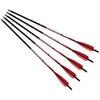
Barnett Headhunter 20in Carbon Crossbow Bolts, 5-Pack
Proper crossbow bolts (not standard arrows) built to ride the barrel/rail correctly — shorter and stiffer, as this guide explains, to match how a crossbow launches them.
- Best for: matching real crossbow-specific ammunition to your barrel
- Why we picked it: half-moon nock fits standard crossbow strings, field points included
- Main drawback: confirm 20in length matches your specific crossbow’s power stroke
Compare more options
 Option 1 Barnett Crossbow Rail Lube & Wax Combo Kit
|  Option 2 Barnett Premium Rope Cocking Device
|  Option 3 ASODROCK 20in Carbon Crossbow Bolts
|
As an Amazon Associate we earn from qualifying purchases.
Why the Barrel Matters for Accuracy
The crossbow barrel is the unsung hero of your shot. A smooth, well-aligned barrel ensures your arrow leaves the crossbow in a straight line. I learned this the hard way early on when I neglected to clean my barrel after a muddy hunt. My shots were all over the place, and it wasn’t until I gave the barrel a good scrub that my accuracy returned.
The barrel’s design also affects how much friction the arrow encounters. Some modern crossbows have anti-friction rails or coatings to reduce drag, which can boost arrow speed and accuracy. I’ve noticed that high-end crossbows often have barrels with tighter tolerances, meaning the arrow fits snugly without wobbling. If you’re shopping for a crossbow, pay attention to the barrel’s quality—it’s just as important as the draw weight or scope.
Another thing to consider is the barrel’s length. Longer barrels can provide more stability for the arrow, especially at longer ranges. However, they can make the crossbow heavier and less maneuverable. I prefer a mid-length barrel for a balance of accuracy and portability, but it’s worth trying a few models to see what feels right for you.
Choosing the Right Crossbow Arrow
Picking the right crossbow arrow is like choosing the perfect pair of boots—it’s got to fit your needs. The first thing to consider is the arrow’s length and weight. Most crossbow manufacturers recommend specific arrow lengths and grain weights for their models. Using the wrong arrow can damage your crossbow or, worse, cause erratic shots.
For example, I once used a 20-inch arrow on a crossbow designed for 22-inch bolts. The result? Inconsistent grouping and a few missed shots. After switching to the recommended length, my accuracy improved dramatically. Always check your crossbow’s manual for arrow specifications.
The material of the arrow matters too. Carbon arrows are my go-to for hunting because they’re lightweight and tough. They can handle the high speeds of modern crossbows (some exceed 400 feet per second!) without bending or breaking. Aluminum arrows are a bit heavier, which can be good for shorter ranges or target practice, but they’re more prone to bending. If you’re on a budget, aluminum is a solid choice, but inspect them regularly for damage.
Fletching is another factor. Most crossbow arrows have plastic vanes instead of feathers because they’re more durable and weather-resistant. I’ve found that 2- to 3-inch vanes work well for stabilizing the arrow in flight. If you’re hunting in windy conditions, consider arrows with slightly larger vanes for better control.
How Barrel and Arrow Work Together
The crossbow barrel and crossbow arrow are like a dance duo—they need to work in harmony for the performance to shine. The barrel provides the foundation, guiding the arrow as it’s pushed forward by the string. The arrow, meanwhile, needs to be the right size and weight to slide smoothly along the barrel without wobbling or jamming.
One thing I’ve noticed is that mismatched components can cause problems. For instance, using an arrow that’s too heavy for your crossbow’s draw weight can strain the barrel and reduce speed. On the other hand, an arrow that’s too light might not engage properly with the barrel, leading to inconsistent shots. It’s all about balance.
When I’m setting up my crossbow, I make sure the arrow’s nock fits securely against the string and sits flush on the barrel. A loose nock or an arrow that doesn’t align properly with the barrel can cause misfires or damage to the crossbow. I also check for any burrs or rough spots on the barrel that could catch the arrow. A quick swipe with a cloth and some string wax usually does the trick.
Maintenance Tips for Barrels and Arrows
Keeping your crossbow barrel and crossbow arrows in top shape is essential for consistent performance. Here’s what I do to maintain mine:
- Barrel Maintenance: After every hunt, I wipe down the barrel with a soft cloth to remove dirt, dust, or moisture. A little string wax applied to the barrel reduces friction and keeps it smooth. I also inspect the barrel for dents or scratches, as even small imperfections can affect accuracy.
- Arrow Maintenance: Before and after each shot, I check my arrows for cracks, bent nocks, or damaged fletching. A damaged arrow can be dangerous, so I never shoot one that looks suspect. I also store my arrows in a quiver or case to protect them from bending or breaking.
- Crossbow Safety: Always follow your crossbow’s safety guidelines. Dry-firing (shooting without an arrow) can damage the barrel and string, so never do it. I learned this lesson the hard way when I accidentally dry-fired my first crossbow and had to replace the string.
Common Mistakes to Avoid
When I was new to crossbows, I made plenty of mistakes. Here are a few to watch out for:
- Using the Wrong Arrow: As I mentioned earlier, using an arrow that doesn’t match your crossbow’s specs can lead to poor performance or damage. Always double-check the recommended arrow length and weight.
- Neglecting Barrel Maintenance: A dirty or damaged barrel can ruin your accuracy. Make it a habit to clean and inspect it regularly.
- Mixing Up Terminology: I used to call crossbow arrows “bolts” interchangeably, but some purists argue that “bolt” is an outdated term. Either way, make sure you’re clear when talking to other hunters or buying gear.
Why This Matters for Hunters and Archers
Whether you’re hunting whitetail in the Midwest or practicing at the range, understanding the difference between a crossbow barrel and a crossbow arrow is key to success. The barrel is the backbone of your crossbow, guiding your shot with precision. The arrow is the messenger, delivering your aim to the target. Together, they determine whether you hit the bullseye or walk away empty-handed.
I’ve had my share of misses, but learning how these components work together has made me a better hunter. Choosing the right arrows and keeping my barrel in top condition has boosted my confidence in the field. It’s not just about gear—it’s about understanding how each piece contributes to the whole.
Conclusion
Exploring the difference between a crossbow barrel and a crossbow arrow has been a journey of trial and error for me, but it’s made me appreciate the craftsmanship behind a good crossbow. The barrel is the steady guide, ensuring your arrow starts its flight on the right path. The arrow, with its sleek design and sturdy build, carries your shot to the target with power and precision. By choosing the right components and maintaining them well, you’ll set yourself up for success, whether you’re hunting or shooting for fun.
If you’re new to crossbows, don’t be overwhelmed. Start with the basics, experiment with different arrows, and take care of your barrel. The more you understand these two components, the more you’ll enjoy the sport. So, grab your crossbow, head to the range, and start shooting. There’s nothing like the thrill of a perfectly placed shot!
Frequently Asked Questions
What is the main difference between a crossbow barrel and a crossbow arrow?
The crossbow barrel is the track or rail on the crossbow that guides the arrow during launch. The crossbow arrow (or bolt) is the projectile that you shoot at the target. Think of the barrel as the runway and the arrow as the plane.
Can I use any arrow with my crossbow?
No, you should use arrows that match your crossbow’s specifications. Check the manual for recommended length and weight. Using the wrong arrow can affect accuracy or damage your crossbow.
How do I maintain my crossbow barrel?
Wipe it down with a soft cloth after each use to remove dirt or debris. Apply string wax to reduce friction and inspect for any dents or scratches that could affect performance.
Are crossbow arrows and bolts the same thing?
Yes, crossbow arrows and bolts are the same. The term “bolt” is often used, but “arrow” is more common in modern archery. Both refer to the projectile used with a crossbow.
Why is the barrel important for accuracy?
The crossbow barrel ensures the arrow is aligned and slides smoothly during launch. A clean, well-maintained barrel reduces friction and keeps the arrow on a straight path, improving accuracy.