Crossbow vs Bow: Key Differences Explained
A bow is held and drawn by hand for every shot, while a crossbow is mounted horizontally, cocked once, and holds its draw until you pull the trigger — making crossbows easier to aim steadily but slower to reload. Both can be legal for hunting depending on your state and season. Here’s the full breakdown of design, power, and use.
What Is a Bow?
Let’s start with the basics. A bow is one of the oldest tools humans have used for hunting and warfare. Picture a simple, elegant design: a curved piece of wood, fiberglass, or carbon fiber, with a string stretched between its ends. When you pull back the string, the bow stores energy in its limbs. Release the string, and that energy sends the arrow flying toward your target.
I remember the first time I picked up a traditional recurve bow. It felt alive in my hands, like I was connecting with centuries of history. Bows come in different types, like longbows, recurve bows, and compound bows. Each has its own vibe. Longbows are simple and sleek, recurve bows have curved tips for extra power, and compound bows use pulleys and cables for precision and ease. No matter the type, using a bow requires strength, focus, and practice to master the draw and release.
What Is a Crossbow?
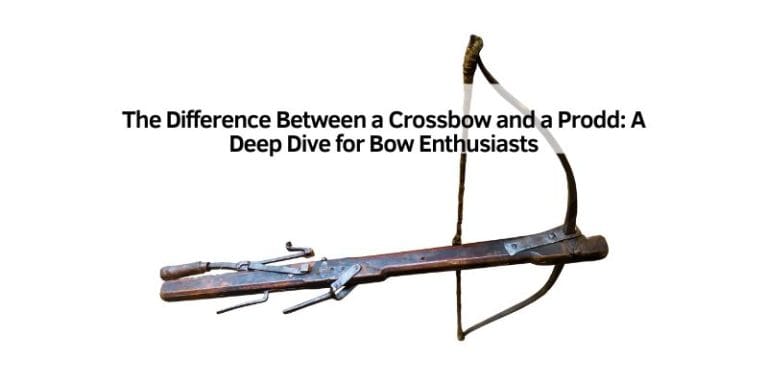
Now, let’s talk about the crossbow. If a bow is like a classic acoustic guitar, a crossbow is more like an electric one—modern, powerful, and a bit easier to handle. A crossbow looks like a small bow mounted on a stock, similar to a rifle. It has a trigger mechanism that holds the string in place once it’s drawn. When you’re ready to shoot, you pull the trigger, and the arrow (or bolt, as it’s often called) zooms toward the target.
I got my hands on a crossbow a few years back, and I was amazed at how intuitive it felt. You don’t need to hold the string back with your muscles while aiming, which makes it less physically demanding than a bow. Crossbows have been around for centuries too, used in medieval battles, but today’s models are high-tech, with scopes, lightweight materials, and incredible accuracy.

Key Differences in Design
The biggest difference between a bow and a crossbow lies in their design. A bow is a simple, handheld tool. Its limbs flex to store energy, and you need to draw, aim, and release in one fluid motion. It’s all about your skill and strength. A crossbow, on the other hand, has a stock and a trigger. You cock the string (often with a crank or lever), and it stays locked until you’re ready to shoot. This makes aiming easier, especially for beginners.
Let’s break it down with a quick comparison:
| Feature | Bow | Crossbow |
|---|---|---|
| Structure | Curved limbs, string | Bow on a stock, trigger system |
| Draw Mechanism | Manual, held by hand | Cocked with crank or lever |
| Ease of Use | Requires strength and skill | Easier to aim and shoot |
| Portability | Lightweight, easy to carry | Bulkier, heavier |
| Reload Time | Fast for skilled archers | Slower due to cocking |
When I first compared the two, I noticed how a bow feels more organic, like an extension of your body. A crossbow, with its mechanical parts, feels more like a tool you operate. Both are awesome, but they cater to different preferences.
Ease of Use and Learning Curve
If you’re new to archery, the learning curve can make a big difference. Bows require more physical effort. Drawing a bowstring takes strength, especially with higher draw weights (the force needed to pull the string). You also need to practice your form—how you stand, grip the bow, and release the arrow. It’s rewarding, but it takes time to get good. I spent weeks perfecting my stance before I could hit the target consistently.
Crossbows are more beginner-friendly. Since the string is cocked and held by the trigger, you can focus on aiming without straining your muscles. I let my cousin try my crossbow, and she was hitting the target within minutes. That said, crossbows aren’t just for beginners. Their precision makes them popular for hunting and target shooting, even among pros.
Power and Accuracy
Let’s talk about power. Both bows and crossbows can be incredibly powerful, but they deliver that power differently. A compound bow, for example, can have a draw weight of 50-70 pounds or more, sending arrows at speeds up to 300 feet per second. Crossbows, however, often pack a bigger punch. Modern crossbows can shoot bolts at 400 feet per second or more, thanks to their mechanical design.
Accuracy depends on the shooter and the equipment. With a bow, your accuracy relies on your ability to hold steady while drawing. It’s a skill that feels amazing once you nail it. Crossbows, with their rifle-like stock and scope, make it easier to aim precisely, especially at longer distances. I’ve hit targets at 50 yards with a crossbow scope, and it felt almost too easy compared to my recurve bow.
Bow or Crossbow: Best Pick Either Way
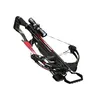
Barnett Whitetail Hunter II Crossbow Package
Complete crossbow package with scope included — if the steady-aim, hold-your-draw advantage this guide describes fits your hunting style better than a bow.
- Best for: hunters who want a steady, held-draw shot
- Why we picked it: includes scope and bolts, ready to hunt out of the box
- Main drawback: slower to reload between shots than a bow
Compare more options
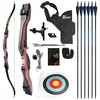 Option 1 Sanlida Noble Standard Recurve Bow and Arrow Kit
|  Option 2 Samick Sage Takedown Recurve Bow, 25-60lb
|  Option 3 Killer Instinct Lethal 405 FPS Crossbow
|
As an Amazon Associate we earn from qualifying purchases.
Hunting with Bows and Crossbows
Hunting is where these tools really shine, and I’ve tried both in the field. Bows are fantastic for hunters who love a challenge. Drawing silently and waiting for the perfect shot is thrilling. Compound bows are especially popular for hunting deer or elk because of their power and compact size. But you need to be close to your target—usually within 30-40 yards—and you have to be quick and steady.
Crossbows are a game-changer for hunting. Their power and accuracy make them ideal for taking down big game, even at longer ranges. In many states, crossbows are allowed during archery season, which gives hunters more flexibility. I’ve seen hunters use crossbows to take down game at 60 yards, something that’s tough with a traditional bow. Plus, you can keep a crossbow cocked while waiting for game, which is a huge advantage if you’re sitting in a tree stand for hours.
Portability and Maintenance
When it comes to portability, bows have the edge. A recurve or compound bow is lightweight and easy to carry. You can sling it over your shoulder and hike through the woods without much hassle. Crossbows, on the other hand, are bulkier. The stock and mechanical parts add weight, and they’re not as easy to maneuver in tight spaces.
Maintenance is another factor. Bows are relatively simple. You need to check the string for wear, wax it regularly, and make sure the limbs aren’t damaged. I’ve spent quiet evenings tuning my bow, and it’s almost meditative. Crossbows have more moving parts—triggers, cables, and sometimes scopes—that require careful upkeep. If something breaks, it’s often trickier to fix than a bow. But with proper care, both can last for years.
Cost Comparison
Let’s talk money. Bows and crossbows vary widely in price. A decent recurve bow for beginners can cost $100-$300. Compound bows, with their advanced technology, range from $300 to $1,000 or more. Crossbows start around $200 for basic models but can climb to $2,000 for high-end ones with scopes and accessories.
When I started, I bought a budget recurve bow and loved it. Later, I splurged on a compound bow, and the investment was worth it for the precision. Crossbows can be pricier upfront, but they often come with everything you need, like a scope or cocking device. It’s worth shopping around and considering what features matter most to you.
Legal Considerations in the USA
Laws can affect your choice, especially if you’re hunting. In the USA, regulations for bows and crossbows vary by state. Most states allow both during archery season, but some have restrictions. For example, some states limit crossbow use to hunters with disabilities or during specific seasons. I always check my state’s wildlife regulations before heading out. It’s a good idea to look up your local laws, whether you’re shooting for sport or hunting.
Which Is Right for You?
Choosing between a bow and a crossbow depends on your goals. If you love the idea of mastering a traditional skill, a bow might be your pick. There’s something special about the rhythm of drawing and releasing an arrow. If you want something easier to learn or more powerful for hunting, a crossbow could be the way to go. I’ve enjoyed both, and I switch between them depending on my mood—traditional archery for fun, crossbow for serious hunting trips.
Think about your physical ability, too. Bows require upper body strength, while crossbows are more accessible for people of all fitness levels. If you’re unsure, visit an archery range. Most places let you try both, and it’s a great way to feel the difference.
My Personal Experience
I’ll let you in on a little story. A few years ago, I joined an archery club and started with a recurve bow. It was tough at first—my arms shook, and my arrows went everywhere but the target. But with practice, I got better, and the feeling of hitting the bullseye was unbeatable. Later, I tried a crossbow during a hunting trip. The ease of aiming blew me away, and I bagged my first deer with it. Both experiences were incredible, but they offered different thrills. That’s what I love about archery—there’s something for everyone.

Conclusion
So, there you have it—the difference between a crossbow and a bow, laid out like we’re chatting over a campfire. Both are amazing tools with their own strengths. A bow offers a traditional, hands-on experience that connects you to the past. A crossbow brings modern power and ease, perfect for hunting or quick learning. Whether you’re drawn to the challenge of archery or the precision of a crossbow, you can’t go wrong. Try them out, see what feels right, and dive into the world of archery. It’s a journey worth taking, and I’m excited for you to start!
Frequently Asked Questions
What’s the main difference between a bow and a crossbow?
A bow is a handheld tool where you manually draw and release the string. A crossbow has a stock and trigger, so you cock it and shoot with less physical effort. Bows feel more traditional, while crossbows are easier to aim.
Are crossbows more powerful than bows?
Generally, yes. Crossbows can shoot bolts at higher speeds, often over 400 feet per second, compared to bows, which typically max out around 300 feet per second for compound models.
Can beginners use both bows and crossbows?
Absolutely! Crossbows are easier for beginners because you don’t need to hold the string while aiming. Bows take more practice to master, but they’re rewarding for those who enjoy a challenge.
Which is better for hunting?
It depends. Crossbows are great for longer ranges and less experienced hunters due to their power and ease. Bows are ideal for those who want a stealthy, traditional hunting experience but require more skill.
Are crossbows legal for hunting in the USA?
In most states, yes, but rules vary. Some states allow crossbows during archery season, while others have restrictions or limit them to certain hunters. Always check your state’s regulations.