Arbalest vs Crossbow: The Real Difference, 1000+ lb Draw
An arbalest is a crossbow with a steel prod instead of wood, horn, or composite, giving it a draw weight that could exceed 1,000 pounds versus a typical 150-300 pounds for a standard crossbow. That extra power came out of Europe around the 12th century, but it meant a slower reload using a windlass or cranequin instead of a simple hand pull or stirrup. This guide covers the real differences in power, reloading, cost, and historical use.
What Is a Crossbow?
I remember the first time I held a crossbow replica at a medieval fair—it felt like stepping into a knight’s world! A crossbow is a ranged weapon that shoots projectiles, usually called bolts or quarrels, using a bow-like mechanism mounted on a stock. The stock, often made of wood or composite materials in modern versions, gives you a stable platform to aim and fire. The bowstring is drawn back, locked into place with a trigger mechanism, and released to fire the bolt. It’s simple yet deadly effective.
Crossbows have been around for centuries, with origins tracing back to ancient China around the 5th century BCE. They became a staple in medieval Europe by the 10th century. Why? Because they were easy to use. Unlike traditional bows, which require years of practice to master, a crossbow could be picked up by a novice and used with decent accuracy after minimal training. This made it a game-changer on the battlefield, allowing armies to arm less-skilled soldiers and still pack a punch.
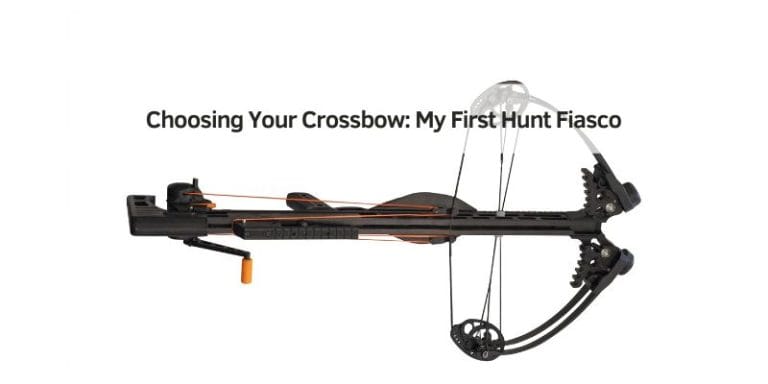
The crossbow’s design is straightforward but versatile. The prod (the bow part) is typically made of wood, horn, or later, steel. The string is pulled back using various methods—sometimes by hand, sometimes with a lever or crank. The bolts are shorter and thicker than traditional arrows, designed to deliver maximum impact. Crossbows were used for hunting, warfare, and even sport, evolving over time to suit different needs.
What Is an Arbalest?
Now, let’s talk about the arbalest. The first time I came across this term, I thought it was just a fancy word for a crossbow. But oh, was I wrong! An arbalest is a specific type of crossbow, but it’s like the crossbow’s bigger, stronger cousin. It’s a heavy-duty version designed for maximum power and often used in siege warfare or against heavily armored opponents. Curious about the full family tree of crossbow designs, from simple hand-drawn prods up to the arbalest? See our guide to medieval crossbow styles.
The arbalest emerged in Europe around the 12th century, during the height of medieval warfare. Its defining feature is its steel prod, which gave it incredible strength compared to earlier wooden or composite crossbows. This steel prod allowed the arbalest to fire bolts with enough force to pierce armor or even light fortifications. But that power came at a cost—it was heavier, slower to reload, and required mechanical aids like a windlass or cranequin to draw the string.
I’ve seen arbalest replicas in action at historical reenactments, and let me tell you, the sound of that bolt being released is intimidating! The arbalest was a specialized weapon, often wielded by elite crossbowmen or used in defensive positions like castle walls. Its design prioritized raw power over speed, making it a fearsome tool in the right hands.

Key Differences Between Arbalest and Crossbow
So, what sets these two apart? At first glance, they might seem similar—both are crossbows, after all. But when you dig deeper, the differences become clear. Let’s break it down in a way that’s easy to grasp, almost like I’m explaining it to a friend over coffee.
Design and Construction
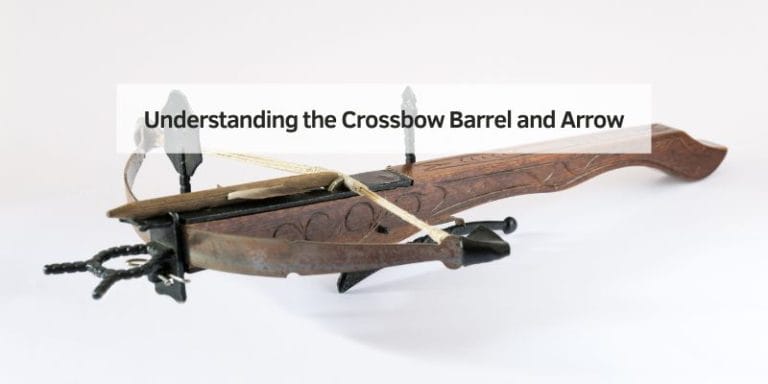
The most noticeable difference lies in their construction. A standard crossbow could have a prod made of wood, horn, or composite materials. These materials made it lighter and easier to handle, but they didn’t pack the same punch as an arbalest. The arbalest, with its steel prod, was built for power. That steel made it heavier and more durable but also harder to carry around.
I once tried lifting an arbalest replica at a museum, and it was no joke—it felt like hefting a small cannon! The crossbow, on the other hand, was more manageable, even for someone like me who isn’t exactly a bodybuilder. The arbalest’s stock was also often reinforced to handle the increased tension, while crossbows varied widely in design, from simple wooden stocks to ornate ones for noble hunters.
Power and Range
Power is where the arbalest really shines. The steel prod gave it a draw weight that could exceed 1,000 pounds in some cases, compared to a typical crossbow’s draw weight of 150–300 pounds. This meant the arbalest could shoot bolts farther and with more force, often penetrating chainmail or even plate armor. I read accounts of arbalests being used to take down knights from a distance—something a standard crossbow struggled to do.
Crossbows, while still deadly, were more suited for shorter-range engagements or hunting. Their bolts could travel 200–300 yards, but an arbalest could push beyond that, especially in siege scenarios. However, that power came with a trade-off: the arbalest’s bolts were heavier, and the weapon itself was less practical for rapid-fire situations.
Reloading Mechanism
Reloading is another big difference. A crossbow could often be reloaded by hand or with simple tools like a stirrup (where you place your foot to hold the crossbow while pulling the string). Some later models used a lever or “goat’s foot” device. I’ve tried reloading a crossbow this way, and it’s tough but doable with practice.
An arbalest? That’s a whole different story. The steel prod’s high tension required mechanical aids like a windlass (a crank system) or a cranequin (a geared device). These tools made reloading slow—sometimes taking a minute or more per shot. I watched a reenactor demonstrate this, and it was a workout! This slow reload time made the arbalest less practical in fast-paced battles but ideal for defensive positions where accuracy and power were key.
Historical Use and Context
The crossbow and arbalest also differed in how they were used. Crossbows were the everyman’s weapon. They were widespread in medieval Europe, used by soldiers, hunters, and even mercenaries. Their versatility made them a staple in armies across the continent. I’ve read stories of crossbowmen forming ranks to rain bolts on advancing enemies, creating a wall of projectiles.
Arbalests, however, were more specialized. They were often deployed in sieges, where their ability to penetrate armor or fortifications was invaluable. Castles and fortified towns feared the arbalest’s power. I came across a historical account of an arbalest being used to pin a knight to his horse through his armor—gruesome but effective! Because of their cost and complexity, arbalests were typically used by professional soldiers or in well-funded armies.
Portability and Practicality
Portability is another factor. Crossbows were relatively lightweight and easy to carry, making them ideal for skirmishes or hunting. I’ve seen reenactors carry crossbows on their shoulders during long marches, no problem. Arbalests, with their heavy steel prods and bulky reloading mechanisms, were less mobile. They were often stationed in fixed positions, like castle battlements, rather than carried into open battle.
This difference in practicality meant crossbows were more common among foot soldiers, while arbalests were reserved for specific roles. If you were a medieval soldier, you’d probably prefer a crossbow for its ease of use unless you were tasked with defending a fortress.
Cost and Accessibility
Let’s talk about cost. Crossbows were relatively affordable, especially simpler models. They could be mass-produced for armies, making them accessible to a wide range of fighters. Arbalests, on the other hand, were expensive. The steel prod, complex reloading mechanisms, and skilled craftsmanship required drove up the price. I learned from a historian that only well-funded armies or wealthy lords could afford to equip their forces with arbalests.
This cost difference meant crossbows were everywhere, while arbalests were a status symbol of sorts, reserved for elite units or critical defensive roles. It’s like comparing a reliable pickup truck to a high-end sports car—one’s practical and widespread, the other’s a specialized powerhouse.
Comparison Table: Arbalest vs. Crossbow
To make things crystal clear, here’s a side-by-side comparison of the arbalest and crossbow based on what I’ve learned:
| Feature | Crossbow | Arbalest |
|---|---|---|
| Prod Material | Wood, horn, or composite | Steel |
| Draw Weight | 150–300 pounds | 1,000+ pounds |
| Reloading | Hand, stirrup, or simple lever | Windlass or cranequin |
| Range | 200–300 yards | 300+ yards |
| Portability | Lightweight, easy to carry | Heavy, less mobile |
| Use Case | Hunting, skirmishes, general warfare | Sieges, anti-armor, fortifications |
| Cost | Affordable, widely accessible | Expensive, specialized |
| Reload Time | Faster (seconds to half a minute) | Slower (up to a minute or more) |
This table sums up why these weapons were used differently. The crossbow was the go-to for versatility, while the arbalest was the heavy hitter for specific, high-stakes situations.
Why the Confusion Between the Two?
I get why people mix these up—both are crossbows, after all! The term “arbalest” comes from the Latin arcuballista, meaning “bow-thrower,” which was originally a general term for crossbow-like weapons. Over time, it became associated with the steel-prod version. I’ve seen old texts where “arbalest” and “crossbow” are used interchangeably, which adds to the confusion. But once you understand the arbalest’s unique features—especially that steel prod and heavy-duty design—it’s easier to see why it’s distinct.
Modern Uses and Reenactments
Today, both crossbows and arbalests live on in reenactments, museums, and even modern sports. I’ve attended a few historical reenactments where enthusiasts fire crossbow bolts at targets, and the crowd loves it! Modern crossbows are used for hunting and target shooting, with sleek designs that borrow from their medieval roots. Arbalests, though, are mostly seen in historical displays due to their weight and complexity.
Building a working arbalest from historical plans takes months to get the steel prod just right, but the result is a beast of a weapon that can shoot through thick wooden targets. It’s amazing to see these ancient tools brought to life, giving us a glimpse into the past.
Best Modern Crossbow Pick
Barnett Whitetail Hunter II Crossbow – $339.00
This guide notes modern crossbows are used for hunting and target shooting with designs that borrow from their medieval roots — this hunting crossbow comes scoped and ready.
- Best for: hunting and target shooting, the exact modern use this guide describes
- Why we picked it: comes with a scope and arrows, no separate parts to source before your first shot
- Main drawback: nowhere near the 1,000+ lb draw weight of a historical arbalest
Compare more arbalest and crossbow gear
 Option 1 Crossbow Bolts + Broadheads (18-Pack) – $30.99
|  Option 2 Rope Cocking Device – $24.99
|  Option 3 80lb Mini Crossbow Replica – $59.99
|
As an Amazon Associate we earn from qualifying purchases.
Cultural Impact and Legacy
Both weapons left a mark on history. Crossbows were so effective that the Catholic Church once tried to ban them in 1139, calling them “unchristian” for their lethality. Spoiler: the ban didn’t stick. Arbalests, meanwhile, became symbols of siege warfare, feared by defenders and attackers alike. I’ve seen medieval art depicting crossbowmen and arbalests in action, their bolts raining down on castle walls.
In pop culture, crossbows have made a comeback in shows like The Walking Dead and Game of Thrones. Arbalests are less common in media, but when they appear, they’re portrayed as the ultimate medieval sniper weapon. It’s fun to see how these tools of war have captured our imagination centuries later.

Choosing Between the Two (If You Had To)
If I were a medieval soldier, I’d pick a crossbow for most scenarios. Its portability and faster reload time make it practical for a variety of situations, whether I’m hunting or fighting in a skirmish. But if I’m defending a castle or facing an armored knight, give me an arbalest! Its raw power would be worth the extra effort.
For modern enthusiasts, crossbows are the way to go for sport or hunting. Arbalests are more of a niche interest, perfect for historians or reenactors who want to experience the full might of medieval engineering.
Conclusion
Exploring the difference between an arbalest and a crossbow has been like taking a trip back in time. These weapons, though similar at first glance, tell different stories of medieval warfare. The crossbow, with its versatility and ease of use, was the weapon of the masses, while the arbalest, with its brute strength and precision, was the choice for high-stakes battles. Both shaped history, from battlefields to sieges, and their legacy lives on in museums, reenactments, and our fascination with the past.
I hope this deep dive has sparked your curiosity as much as it has mine. Whether you’re imagining yourself as a medieval archer or just love learning about history, these weapons are a testament to human ingenuity and the drive to innovate, even in the chaos of war. So, next time you see a crossbow or hear about an arbalest, you’ll know exactly what sets them apart—and why they’re both so awesome!
FAQs
What is the main difference between an arbalest and a crossbow?
The main difference is in their design and power. A crossbow is a general term for a weapon with a bow mounted on a stock, often with a wooden or composite prod. An arbalest is a type of crossbow with a steel prod, giving it much greater power but making it heavier and slower to reload.
Can a crossbow pierce armor like an arbalest?
A standard crossbow can sometimes pierce lighter armor, like chainmail, but it’s less effective against heavy plate armor. An arbalest, with its high draw weight and steel prod, was specifically designed to penetrate armor, making it more effective against heavily armored targets.
Why were arbalests less common than crossbows?
Arbalests were more expensive and complex to make due to their steel prods and mechanical reloading systems. They were also heavier and slower to use, so they were reserved for specialized roles like sieges, while crossbows were more practical and affordable for widespread use.
Are crossbows and arbalests still used today?
Crossbows are still used today for hunting and sport, with modern designs that are lightweight and precise. Arbalests are rarely used outside of historical reenactments or displays due to their weight and complexity, but they’re popular among history enthusiasts.
Which is better for a beginner, a crossbow or an arbalest?
For a beginner, a crossbow is much better. It’s lighter, easier to handle, and doesn’t require complex reloading mechanisms. Arbalests are best left to experienced reenactors or historians due to their weight and slow reload times.