Difference: Rage Hypodermic vs Crossbow Hypodermic
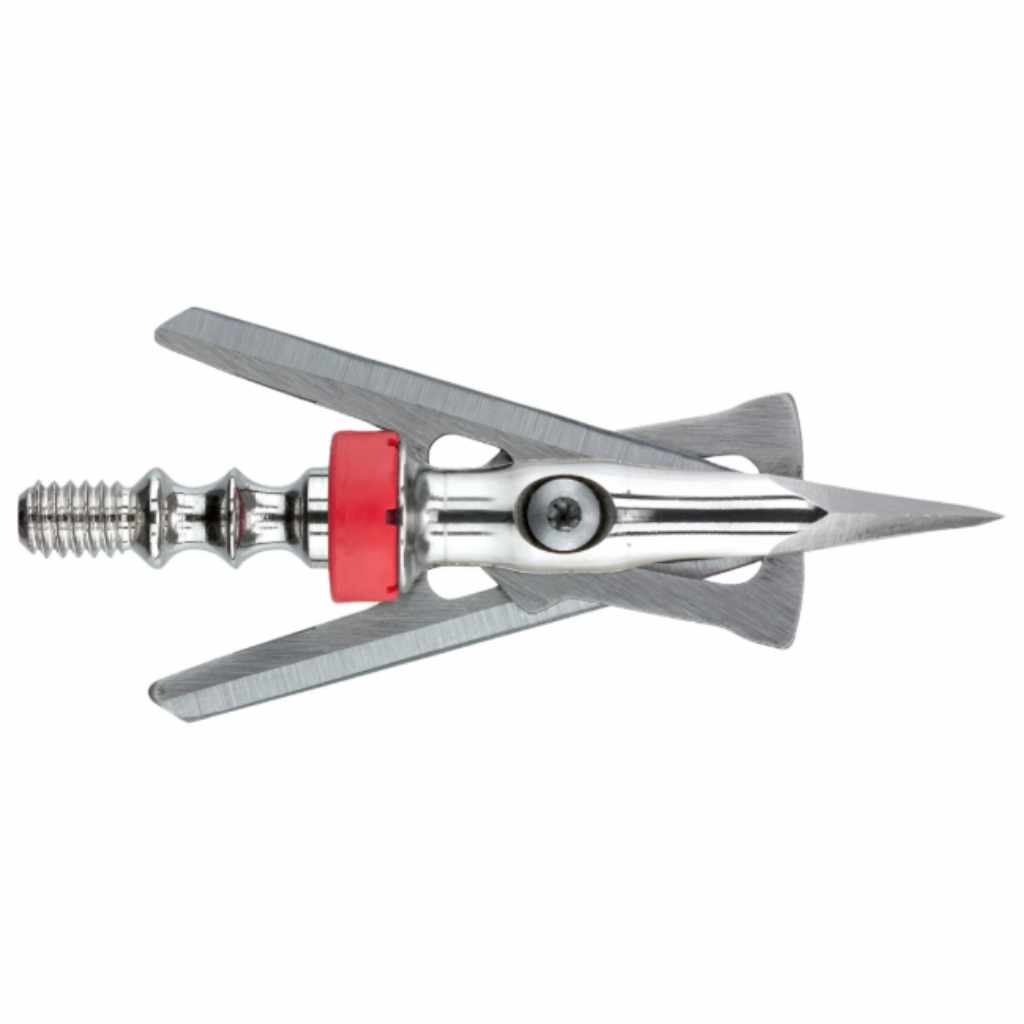
The key difference between Rage Hypodermic and Crossbow Hypodermic broadheads lies in their intended use and design. Hypodermics are for compound and recurve bows, while Crossbow Hypodermics are specifically engineered for the higher speeds and unique requirements of crossbows, ensuring optimal performance and ethical harvesting.
Understanding Rage Hypodermic vs. Crossbow Hypodermic Broadheads: Your Essential Guide
Choosing the right broadhead can feel like deciphering a secret code when you’re new to archery or bowhunting. Two names that often pop up are Rage Hypodermic and Rage Crossbow Hypodermic. They sound similar, but they are designed for different tools and jobs. Getting this wrong can affect your shot, your game, and your confidence. Don’t worry, though! This guide will break down the differences in plain English. We’ll help you understand exactly what makes them distinct and how to pick the perfect one for your setup, ensuring you’re ready for a successful and ethical hunt.
What is a Broadhead? A Quick Refresher
Before diving into the specifics of Rage broadheads, let’s quickly touch on what a broadhead is. A broadhead is the hunting tip that screws onto the end of an arrow. Unlike field points used for target practice, broadheads are designed with sharp blades to create a larger wound channel, leading to a quicker and more humane harvest of game. They are crucial for ethical bowhunting.
The Rage Hypodermic: Designed for Traditional Bows
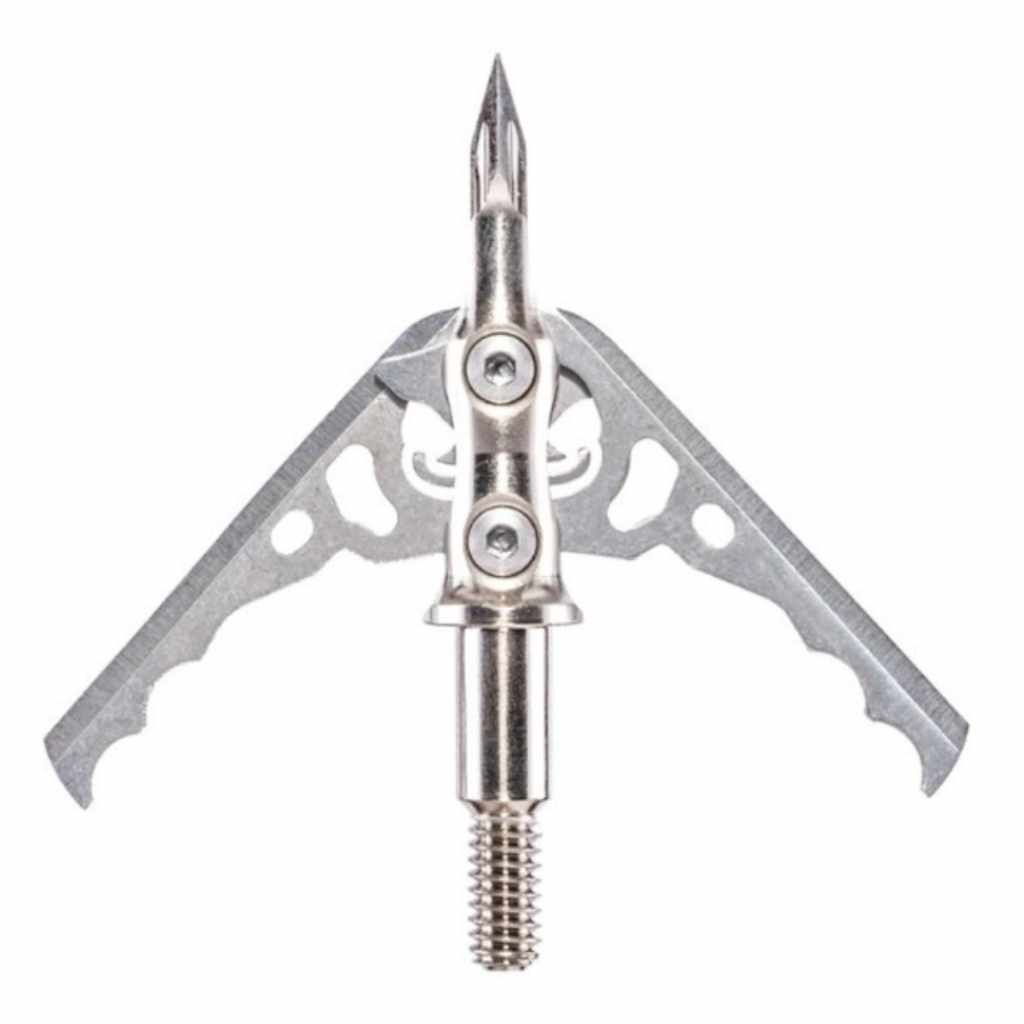
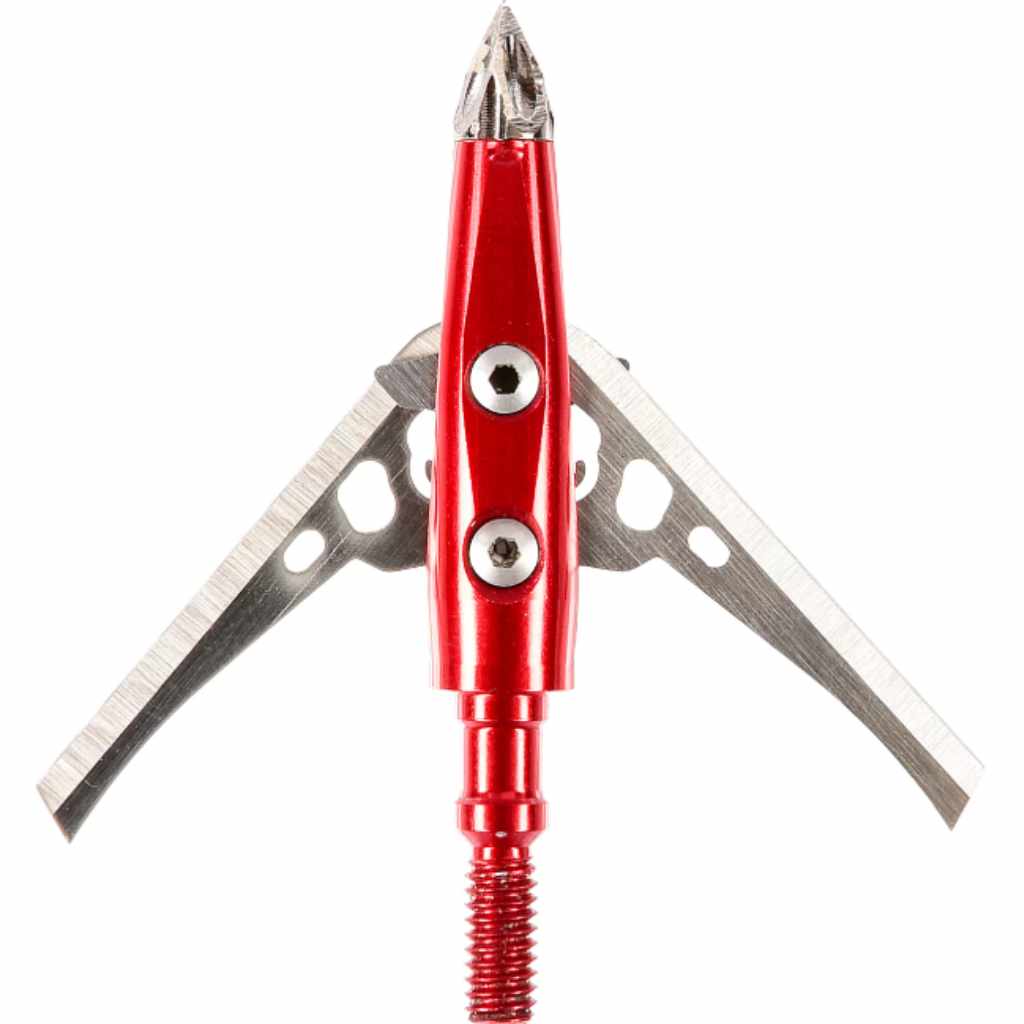
The Rage Hypodermic is a popular choice for hunters using compound bows and traditional recurve or longbows. Its design is a testament to innovation in creating a broadhead that’s aerodynamic, sharp, and reliable.
Key Features of the Rage Hypodermic
Slick-Trick Ferrule System: This system helps the broadhead fly true, behaving much like a field point until impact. This means less tuning and more confidence in your arrow’s flight.
Razor-Sharp Blades: The Hypodermic features incredibly sharp blades that deploy upon impact, creating devastating entry and exit wounds.
Aerodynamic Design: Its compact and streamlined shape contributes to excellent in-flight stability, reducing wind drift and improving accuracy, especially at longer distances.
Shock Collar Technology: Rage broadheads often come with a shock collar that keeps the blades securely in place during flight, preventing accidental deployment. This is vital for maintaining the broadhead’s integrity before it hits the target.
No Moving Parts (Before Impact): While the blades deploy, the ferrule itself is solid, contributing to its excellent flight characteristics.
Why Choose the Rage Hypodermic for Compound/Traditional Bows?
Compound bows and traditional bows shoot arrows at specific speeds. The Rage Hypodermic is engineered to perform optimally within these speed ranges. Its construction and blade deployment mechanism are calibrated to work best with the energy and trajectory typical of these archery setups. For instance, a compound bow might shoot an arrow around 280-350 feet per second (fps), and the Hypodermic is designed to handle this effectively.
The Rage Crossbow Hypodermic: Engineered for Speed
Crossbows operate on a fundamentally different level than compound or traditional bows. They launch bolts (which are shorter and often heavier than arrows) at significantly higher speeds. The Rage Crossbow Hypodermic is Rage’s answer to these demands.
Key Features of the Rage Crossbow Hypodermic
Increased Durability: Crossbows generate much higher kinetic energy. The Crossbow Hypodermic features a more robust construction, often with a heavier-duty ferrule, to withstand the extreme forces involved.
Blade Design for High Speeds: The blades are designed to deploy reliably and effectively even at the blistering speeds that crossbows can achieve, often exceeding 400 fps.
Aerodynamics Tailored for Crossbow Bolts: While still aerodynamic, its design is optimized for the shorter, often stiffer shafts or bolts typically used with crossbows, ensuring stable flight.
Ferrule Strength: The ferrule is designed to be incredibly strong to prevent bending or breaking upon impact with bone or tough hide, which is more likely with the higher energy transfer from a crossbow.
Larger Cutting Diameter Options: Some models might offer slightly larger cutting diameters, taking advantage of the increased energy to create more significant wound channels.
Why Choose the Rage Crossbow Hypodermic for Crossbows?
The primary reason is performance and durability. A standard broadhead might not withstand the torque and speed of a crossbow. The Crossbow Hypodermic is built to handle these extreme conditions, ensuring blade deployment, structural integrity, and consistent accuracy required for successful crossbow hunting. Using a broadhead not designed for your equipment can lead to broadhead failure, poor penetration, and an unethical shot.
Key Differences at a Glance: Hypodermic vs. Crossbow Hypodermic
To make it crystal clear, let’s put the main differences side-by-side. Understanding these distinctions is crucial for making the right choice.
| Feature | Rage Hypodermic (Compound/Traditional) | Rage Crossbow Hypodermic (Crossbow) |
|---|---|---|
| Intended Use | Compound bows, recurve bows, longbows | Crossbows |
| Typical Arrow/Bolt Speed | Approx. 280-350 fps | Approx. 350-450+ fps |
| Durability & Construction | Robust, but optimized for moderate speeds | Heavier-duty construction, enhanced ferrule strength for high energy impact |
| Blade Deployment | Designed for speeds within the compound/traditional range | Engineered for reliable deployment at extreme crossbow speeds |
| Aerodynamics | Optimized for standard arrows | Optimized for shorter, stiffer crossbow bolts |
| Weight | Commonly 100 grains | Commonly 100-125 grains (can vary) |
| Blade Lock System | Often uses shock collars or similar | Robust locking mechanisms to ensure blades stay in place until impact |
Choosing the Right Broadhead for Your Bow Type
Making the correct choice is straightforward once you understand the distinctions. It boils down to matching the broadhead’s design to the performance characteristics of your archery equipment.
For Compound and Traditional Bow Hunters
If you shoot a compound, recurve, or longbow, the standard Rage Hypodermic is likely your best bet. These bows shoot arrows at speeds the Hypodermic is designed to handle for optimal flight and penetration.
For Crossbow Hunters
If you use a crossbow, the Rage Crossbow Hypodermic is the clear choice. Its beefed-up construction and specialized blade system are essential for reliable performance with the high speeds and energy output of crossbows. Attempting to use a non-crossbow broadhead with a crossbow can lead to catastrophic failure.
Understanding Broadhead Grain Weight
Grain weight refers to the weight of the broadhead. This is an important factor because it affects the overall weight of your arrow or bolt and how it flies.
Heavier Broadheads: Generally, heavier broadheads can improve the arrow’s momentum and penetration, especially through bone and tough hide. They can also help stabilize the arrow’s flight, particularly if your bow setup is tuned for it.
Lighter Broadheads: Can lead to faster arrow speeds but may sacrifice some momentum and penetration.
Both the Hypodermic and Crossbow Hypodermic are available in common grain weights, typically around 100 grains for the standard Hypodermic and sometimes ranging up to 125 grains for the Crossbow Hypodermic, though variations exist. Always consult your bow manufacturer’s recommendations regarding acceptable broadhead grain weight for your specific bow model. Over-weighting or under-weighting can affect performance and potentially void warranties.
Penetration: Why It Matters
Penetration is arguably the most critical factor for an ethical harvest. A broadhead’s job is to slice through tissue, muscle, and vital organs to cause rapid blood loss.
Rage Hypodermic: Offers excellent penetration for its intended bow types by balancing sharpness, blade design, and aerodynamic stability.
Rage Crossbow Hypodermic: Is built for maximum penetration on crossbows due to its stronger construction and design that can withstand higher impacts and forces associated with crossbow speeds.
A well-designed broadhead like the Rage Hypodermic line aims to maximize cutting diameter upon deployment while maintaining structural integrity for deep penetration. For more information on arrow penetration on various game animals, resources like the Archery Trade Association (ATA) often provide research-backed insights. You can find valuable, evidence-based information on archery equipment and ballistics on their website, and through various educational institutions’ wildlife and archery departments.
Blade Sharpness and Maintenance
The sharpness of your broadhead blades is paramount. Dull blades don’t cut efficiently, leading to poor performance and potentially wounded animals.
Factory Sharpness: Rage broadheads, both Hypodermic and Crossbow Hypodermic, come from the factory with razor-sharp blades.
Maintenance: Most mechanical broadheads, including these Rage models, have replaceable blades. It’s generally recommended to replace blades after a hard practice shot or any hunt. Do not attempt to sharpen mechanical blades; always use new factory-sharpened replacement blades. This ensures maximum cutting performance and reliability. Keep your broadheads stored in a protective case to prevent damage to the blades.
A study on broadhead performance published by the U.S. Fish and Wildlife Service often touches upon the importance of equipment efficiency in wildlife management and ethical hunting practices, indirectly highlighting the role of sharp, effective broadheads.
Troubleshooting Common Issues
Even with top-tier equipment, you might encounter minor issues. Here are a few common ones and how to address them, keeping your specific bow type in mind.
1. Broadhead Won’t Fly Like a Field Point
Cause: Poor arrow flight is usually due to improper arrow spine, fletching issues, or bow tuning problems.
Solution:
For Compound/Traditional: Ensure your arrow spine matches your bow’s draw weight and length. Check that your fletching is intact and straight. Perform a ‘bare shaft test’ to diagnose arrow flight. Consult a reputable archery shop for professional bow tuning.
For Crossbow: Ensure the bolts are the correct length and spine for your crossbow. Verify fletching is straight and undamaged. Crossbows are less forgiving of fletching issues due to their higher speeds.
2. Blades Not Deploying on Impact (Practice)
Cause: Insufficient speed or improper impact angle. Sometimes, a practice target might be too soft, or the broadhead might not have hit with enough force.
Solution:
For Compound/Traditional: Ensure you are shooting at a target dense enough to simulate impact. Verify you are getting adequate arrow speed from your bow. Check that the shock collar is seated correctly.
For Crossbow: This is less common with crossbows due to their speed, but if it occurs, check the shock collar and ensure the blades are free to move. It could indicate an issue with the blade retention system if it’s consistent.
3. Broadhead Damage After Impact
Cause: Hitting bone or very hard surfaces.
Solution: This is expected. Mechanical broadheads are designed to deploy, cut, and do their job. Expect some damage after game impact, especially if bone is encountered. Always replace damaged broadheads or blades. This is why carrying extra broadheads is crucial.
Safety First: Always Prioritize Safe Practices
Archery and bowhunting are incredibly rewarding, but safety should always be your number one priority.
Treat Every Arrow Like It’s Loaded: Never point an arrow at anything you don’t intend to shoot.
Know Your Target and What’s Beyond: Be absolutely sure of your target and be aware of what lies behind it to prevent dangerous ricochets or unintended shots.
Handle Broadheads with Extreme Care: These are razor-sharp. Always use a broadhead-specific carrying case and handle them by the ferrule, not the blades. Wear cut-resistant gloves when handling them if you are prone to nicks.
Practice Safely with Field Points First: Before hunting, practice extensively with field points to ensure your bow is tuned and your aim is true. Only then should you switch to broadheads for practice, and always on a target approved for broadheads.
* Understand Legal Requirements: Familiarize yourself with the hunting regulations and licensing requirements in your area. Ethical hunting also means understanding game limits and seasons, which you can often find on state wildlife agency websites.
Frequently Asked Questions (FAQs)
Q1: Can I use a Rage Crossbow Hypodermic with my compound bow?
While technically possible, it’s not recommended. Crossbow Hypodermics are built for higher speeds and may not fly as predictably with a compound bow. Conversely, using a standard Hypodermic with a crossbow can lead to a lack of penetration or broadhead failure due to insufficient durability. Always match your broadhead to your bow type.
Q2: What is the main advantage of mechanical broadheads like the Rage Hypodermic line?
The primary advantage is their tendency to fly more like field points due to their compact, aerodynamic design during flight. Once they hit the animal, the blades deploy to create a larger wound channel, leading to more efficient bleeding and quicker harvests.
Q3: How do I know if I need the Crossbow Hypodermic instead of the standard Hypodermic?
If you are using a crossbow for hunting, you absolutely need the Crossbow Hypodermic. The significantly higher speeds and kinetic energy generated by crossbows require the reinforced construction and specialized design of the Crossbow Hypodermic to ensure proper performance and prevent failure.
Q4: Are mechanical broadheads less ethical than fixed-blade broadheads?
Ethical harvesting depends on shot placement, penetration, and the overall condition of the equipment. Both well-designed mechanical broadheads like the Rage Hypodermics and sharp fixed-blade broadheads can be used ethically. The key is to understand your equipment, practice diligently, and make responsible shot choices. For more on ethical hunting, resources from organizations like the Pope and Young Club can offer guidance on fair chase and ethical harvest standards.
Q5: Where can I find information on testing broadhead accuracy and flight?
Many archery and bowhunting publications offer reviews and testing, and reputable archery shops can often demonstrate proper tuning. For technical specifications and performance data, the manufacturers’ websites are a good starting point. Academic institutions with wildlife biology or engineering programs sometimes publish research papers on projectile ballistics, which can be found through online scholarly databases.
Q6: What grain weight should I choose for my setup?
This depends on your bow’s specifications and draw weight, as well as the type of game you are hunting. Generally, a heavier grain weight (e.g., 125 grains) provides more momentum and deeper penetration, which is beneficial for larger game. Lighter weights might offer slightly faster speeds and flatter trajectories, but can sacrifice kinetic energy. Always refer to your bow manufacturer’s recommendations for permissible broadhead grain weights to ensure optimal performance and avoid damage.
Conclusion
Navigating the world of broadheads doesn’t have to be complicated. Understanding the distinction between the Rage Hypodermic and the Rage Crossbow Hypodermic is about matching the right tool to your specific archery setup. The standard Hypodermic excels with the speeds and energy of compound and traditional bows, offering excellent flight and cutting performance. For the intense velocities of crossbows, the Crossbow Hypodermic provides the necessary durability and specialized design to ensure reliable deployment and deep penetration.
By choosing the correct broadhead for your bow – be it a compound, recurve, or crossbow – you’re setting yourself up for success and practicing ethical bowhunting. Always prioritize safety, practice regularly with your chosen broadheads, and remember to consult your equipment manufacturer’s guidelines. With the right knowledge and preparation, you can approach your archery endeavors with confidence, knowing you’re making informed choices for effective and humane results. Happy shooting!