Difference Between Light Crossbow & Hand Crossbow: Essential Guide
The main difference between a light crossbow and a hand crossbow lies in their size, power, and intended use. Light crossbows are larger, require cocking aids, and are ideal for hunting and target shooting, while hand crossbows are compact, single-shot, and best for plinking and close-range fun.

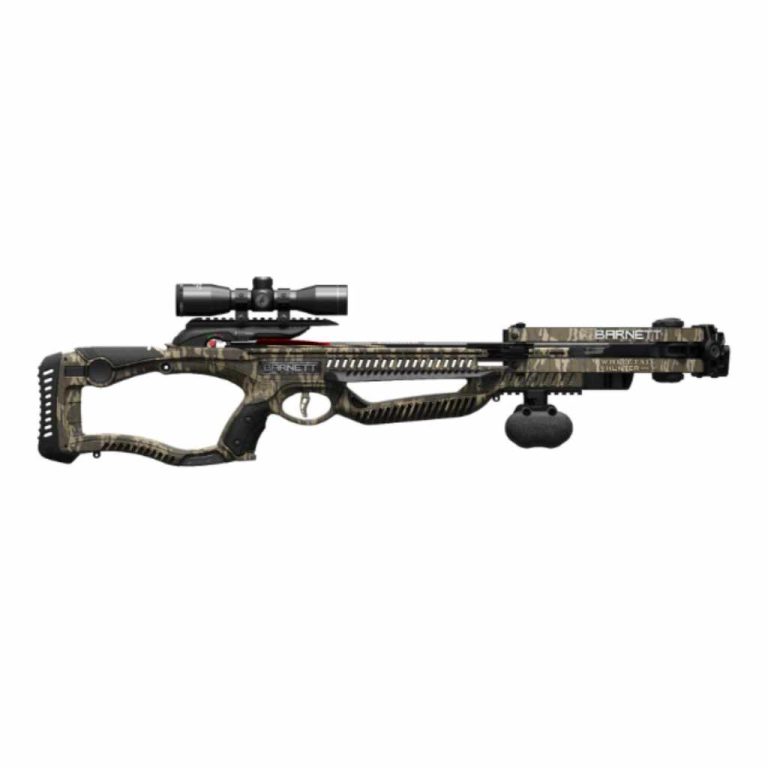
BARNETT
Barnett Explorer XP370 - Compact and Lightweight…
- Crossbow package for adults: The Explorer XP370 is an ideal choice for hunters seeking a compact, lightweight, and affordable cros…
- Hunting Crossbow with Crank: The Explorer XP370 hunting crossbow is equipped with a cocking assist crank for easy loading. Its pow…
- Exceptional Speed: Features a blazing speed of 370fps, allowing you to track and aim at your target swiftly and accurately. Get th…
As an Amazon Associate I earn from qualifying purchases.
Hey there, aspiring archers and curious minds! Ever found yourself gazing at different types of crossbows, wondering what makes them tick? You might have seen something sleek and small, or perhaps a more robust setup. It’s easy to get a bit mixed up, especially when terms like “light crossbow” and “hand crossbow” pop up. Don’t worry, you’re not alone! Many beginners feel a little lost in the world of archery equipment. This guide is here to clear things up. We’ll break down the key differences in a super simple way, so you can understand what each type is best suited for. Get ready to feel confident about your archery choices!
Understanding Your Crossbow Options: Light vs. Hand
When you’re stepping into the exciting world of crossbows, knowing the right gear can make all the difference. It’s like choosing the right tool for a specific job – you wouldn’t use a tiny screwdriver to build a house, right? Similarly, picking the wrong crossbow can lead to frustration and less enjoyment. Today, we’re going to explore two types that often get people curious: the light crossbow and the hand crossbow.
While both shoot projectiles using a bow-like assembly mounted on a stock, their design, power, and application are quite distinct. Think of it this way: one is like a sturdy, reliable workhorse for more serious endeavors, and the other is a nimble, easy-to-handle companion for casual fun. Understanding these differences will help you make informed decisions, whether you’re looking to get into target practice, recreational shooting, or even considering something for hunting (where legal and ethical). Let’s dive into what sets them apart!
The “Light Crossbow”: More Than Just Weight
The term “light crossbow” is a bit of a misnomer when you first hear it. It doesn’t necessarily mean it’s feather-light. Instead, it generally refers to a standard-sized crossbow that is lighter and more maneuverable than the heavy, tactical, or compound crossbows often used for serious hunting. These are the crossbows you’ll commonly see at archery ranges or in the hands of hunters.
Light crossbows are designed for a balance of power, accuracy, and manageability. They are built to shoot bolts (the arrow-like projectiles for crossbows) with enough force to achieve good accuracy at various distances, making them suitable for both target practice and hunting. Their construction usually involves a sturdy stock, a powerful prod (the bow limb), and a trigger mechanism. Because they generate significant power, cocking them (drawing the string back to the firing position) requires a decent amount of effort, often necessitating the use of cocking aids.
Key Characteristics of a Light Crossbow:
- Size and Weight: While “light” is relative, they are generally more streamlined and lighter than high-powered hunting crossbows. They might weigh anywhere from 5 to 10 pounds.
- Power and Range: Designed to deliver substantial power, capable of accurate shots at medium to long ranges (e.g., 20-100 yards for target shooting, depending on the model).
- Cocking Mechanism: Requires considerable strength. Most models come with or recommend cocking devices like rope cockers or crank cockers to make drawing the string easier and safer.
- Ammunition: Shoots standard crossbow bolts (typically 16-22 inches long) with various fletching styles.
- Purpose: Versatile, suitable for recreational target shooting, competitive archery, and hunting (where legal and ethical).
- Trigger System: Often feature more sophisticated trigger mechanisms for a cleaner, more consistent release.
For beginners looking to get serious about target shooting or even contemplate hunting, a light crossbow often represents a good starting point. They offer a solid introduction to the mechanics and feel of a full-sized crossbow without being overly cumbersome. Safety is paramount with these, and understanding how to cock, load, and aim them safely is a key part of the learning process.
One of the most crucial aspects of using a light crossbow is understanding the draw weight and how to cock it safely. The draw weight indicates how much force is needed to pull the string back. For instance, a crossbow with a draw weight of 150 pounds means you need to apply that much force. This is where cocking aids become essential. A rope cocker uses mechanical advantage to reduce the effort needed, while a crank cocker is even easier, allowing you to turn a handle to draw the string back. Learning to use these aids properly is a fundamental skill for any light crossbow user. You can learn more about safe archery practices from resources like the USA Archery General Safety Guidelines.
Components of a Light Crossbow:
To better understand what makes a light crossbow tick, let’s look at its main parts:
- Stock: The main body of the crossbow, similar to a rifle stock, which you hold and shoulder.
- Prod/Limbs: The bow-like arms at the front that flex when the string is drawn.
- String: The cord that connects the tips of the prod and transfers energy to the bolt.
- Riser: The part that holds the prod to the stock.
- Trigger Mechanism: The assembly that holds the string under tension and releases it when the trigger is pulled .
- Cocking Groove: A channel on the string to engage with cocking devices.
- Bolt Retention Spring: Holds the bolt in place on the rail.
- Rail/Flight Groove: The track along the top of the stock where the bolt rests and is guided.
- Scope/Sights: Aiming devices, typically a scope for precision or iron sights.
The “Hand Crossbow”: Compact Powerhouse for Fun
In contrast to the light crossbow, the “hand crossbow” is a significantly different beast. These are typically very compact, often no larger than a pistol, and are designed for ease of use and quick, close-range shooting. They are not built for hunting or long-distance precision. Think of them more as a fun gadget for plinking at targets or a historical demonstration piece.
The defining characteristic of a hand crossbow is its size and how it’s held and cocked. They don’t have a shoulder stock like a rifle or a traditional crossbow. Instead, they are held and fired one-handed or with minimal two-handed support, similar to a handgun. Cocking is usually done by hand, drawing the string back by pressing it against a stable surface or using your fingers. Due to their small size and power, their effective range is very limited, and accuracy can be challenging.
Key Characteristics of a Hand Crossbow:
- Size and Weight: Extremely compact and lightweight, often fitting in the palm of your hand or easily concealable.
- Power and Range: Low power and very limited effective range, typically only a few yards.
- Cocking Mechanism: Designed to be cocked by hand, putting minimal tension on the string.
- Ammunition: Usually fires very small, lightweight bolts or darts.
- Purpose: Primarily for recreational plinking (shooting at small targets), novelty, or historical reenactment. Definitely not for hunting.
- Trigger System: Simple trigger mechanism, designed for low-power applications.
Hand crossbows are often seen advertised as novelty items or as beginner-friendly introduction to the concept of projectile launchers. They can be fun for supervised backyard plinking, but it’s vital to understand their limitations and safety requirements. Their compact nature means they are easy to handle, but also that accidental firings can happen if not treated with respect, just like any projectile weapon.
When you think about hand crossbows, a common material you’ll find them made from is reinforced plastic or sometimes wood for older or more artisanal models. The prod might be made of fiberglass or a strong polymer. They are designed for simplicity. For example, a popular type of hand crossbow uses a simple “self-cocking” mechanism where you just push the string back by hand over a small notch. This makes them incredibly quick to reload and fire multiple shots in succession, which is part of their appeal for casual fun. Given their limited power, they are generally considered safe for plinking at appropriate targets, but always ensure you have a safe backstop and clear firing range. You can check out general safety guidelines for projectile launchers from organizations like the Consumer Product Safety Commission (though this is for toys, the principle of safe backyard practice applies).
Components of a Hand Crossbow:
- Grip: The part you hold, similar to a pistol grip.
- Prod/Limbs: Small, flexible arms at the front.
- String: The cord connecting the prod tips.
- Trigger: The mechanism to release the string.
- Rail/Groove: The track for the bolt, often very short.
- Bolt/Dart: The small projectile fired.
Key Differences Summarized: A Visual Comparison
To really nail down the distinction between these two types of crossbows, let’s lay out their differences side-by-side. This comparison table should give you a clear overview of their primary roles and capabilities.
| Feature | Light Crossbow | Hand Crossbow |
|---|---|---|
| Primary Use | Target practice, hunting (where legal), recreational shooting (medium-long range) | Plinking, novelty, casual fun (very short range) |
| Size | Standard crossbow size (shoulder-stocked) | Compact, pistol-sized |
| Weight | 5-10+ pounds | Less than 2 pounds |
| Power Output (Draw Weight) | High (e.g., 120-200+ lbs) | Low (e.g., 20-50 lbs) |
| Cocking Method | Requires cocking aids (rope, crank) | Manual, by hand |
| Range & Accuracy | Medium to long range, high accuracy potential | Very short range, limited accuracy |
| Ammunition | Standard crossbow bolts (16-22 inches) | Small darts or short bolts |
| Complexity | Moderate to high | Very low |
| Safety Gear Emphasis | Requires careful handling, safety glasses, proper cocking/loading technique | Requires safe backstop, clear area, responsible use |
As you can see, these two types cater to very different experiences. A light crossbow is a serious piece of equipment for developing skills and engaging in more challenging archery pursuits, while a hand crossbow is more about instant, simple fun at close quarters.
Why These Differences Matter for Beginners
For someone just starting out, understanding these distinctions is paramount. Choosing the right tool makes the learning process smoother, safer, and much more enjoyable.
Choosing Your First Crossbow:
- For Skill Development & Serious Interest: If you’re aiming to improve your archery skills, perhaps join a club, or get into hunting (where applicable), a light crossbow is the way to go. It teaches you proper stance, aim, trigger control, and safe handling of a more powerful device. The learning curve is steeper, but the rewards in skill and confidence are much greater.
- For Casual Fun & Novelty: If you’re looking for something purely for light-hearted entertainment, like shooting tin cans in the backyard (with all due safety precautions and on private property where permitted), a hand crossbow might seem appealing due to its simplicity. However, even with these, safety must never be overlooked.
It’s crucial to reiterate that neither type of crossbow should be treated as a toy. Both are projectile devices that require responsibility, proper instruction, and adherence to safety protocols. Many beginner archery courses and resources focus on traditional bows and compound bows, but the safety principles are transferable. Always ensure you have a safe place to shoot, understand your equipment’s capabilities and limitations, and wear appropriate safety gear, such as eye protection.
When selecting your first light crossbow, consider its draw weight. While you want power, too much can be discouraging to cock and handle for a beginner. Many manufacturers offer models with draw weights around 150-175 lbs, which are manageable with a rope cocker. Look for models with good reviews for accuracy and reliability. Some manufacturers, like Barnett Crossbows or TenPoint Crossbow Technologies, have entry-level models designed with beginners in mind. Always check out their websites and product manuals for detailed safety and operational information.
Safety First: Handling Any Crossbow Responsibly
No matter which type of crossbow you choose, safety is the absolute top priority. Archery, in any form, carries inherent risks if not handled correctly. Let’s go over some universal safety rules that apply to both light and hand crossbows.
Essential Crossbow Safety Rules:
- Treat every crossbow as if it were loaded. Always assume it is ready to fire.
- Never point a crossbow at anything you are not willing to destroy. Keep the muzzle pointed in a safe direction at all times.
- Keep your fingers away from the trigger and the string until you are ready to shoot.
- Always have a safe firing range. This means a clear area in front of you with an adequate backstop to catch any projectiles that miss the target.
- Use the correct ammunition. Ensure you are using bolts or darts designed for your specific crossbow model.
- Wear proper eye protection. Safety glasses are non-negotiable to protect your eyes from debris or accidental string lash.
- Learn how to safely cock and de-cock your crossbow. Never dry-fire (firing without a bolt) a crossbow, as this can cause serious damage to the bow. Use a de-cocking bolt or follow specific de-cocking procedures for your model.
- Inspect your equipment regularly. Check for any signs of wear or damage on the string, cables, prod, and stock before each use.
- Understand a hand crossbow’s limitations. They are not toys and should be used in a controlled environment with a safe backstop.
- Understand a light crossbow’s cocking mechanism. Always use cocking aids correctly as per the manufacturer’s instructions to avoid injury.
Safe Firing Range Setup Example:
For a light crossbow, a typical setup might involve shooting at a large target butt placed against a natural embankment (like a dirt hill) or a specially designed archery backstop. For a hand crossbow, a robust cardboard box filled with packing material or a dedicated plinking target designed to catch small projectiles would suffice, provided it’s placed in a way that ensures stray shots are contained. The key is a guaranteed stop for the projectile.
Remember, responsible ownership and use are key to enjoying archery safely. If you are unsure about any aspect of handling your crossbow, seek guidance from experienced archers, a qualified instructor, or the manufacturer.
FAQ: Your Burning Crossbow Questions Answered
Here are some common questions beginners have about light and hand crossbows:
Q1: Can a hand crossbow be used for hunting?
A1: Absolutely not. Hand crossbows are designed for very low power and short range, making them completely unsuitable and unethical for hunting any animal.
Q2: How hard is it to cock a light crossbow?
A2: It requires a significant amount of strength, often exceeding 100 pounds of draw weight. This is why cocking aids like rope cockers or crank cockers are essential for safe and manageable cocking.
Q3: Are hand crossbows safe for kids?
A3: While they are low-powered, no projectile launcher should be considered a toy. Adult supervision is always required, and proper safety rules must be followed. Their small size can make them inadvertently dangerous if not respected.
Q4: What is considered a “light” crossbow in terms of weight?
A4: “Light” is relative, but generally, a light crossbow weighs between 5 and 10 pounds. This is lighter than many high-end compound or tactical crossbows, which can exceed 12 pounds.
Related pick: Check today's price on Amazon