Crossbow vs Vertical Crossbow: What Sets Them Apart
The main difference between traditional crossbows and vertical crossbows lies in their design and firing mechanism. Traditional crossbows are typically horizontal, relying on a stock and trigger system, while vertical crossbows, often referred to as compound bows, are held in a similar manner to traditional archery bows but use a pulley system for added power and ease of draw.
Ever felt a little lost when people talk about different types of bows? You’re not alone! The world of archery can sometimes feel like a secret club with its own special language. Many beginners get confused when they hear terms like “crossbow” and “vertical crossbow.” It sounds complicated, but understanding the difference is simpler than you think. It’s all about how the bow is built and how it shoots. Getting this right is the first step to choosing the perfect bow for you and having a blast. Let’s break it down together, nice and easy.
Understanding the Terminology: Crossbow vs. Vertical Crossbow
When we talk about bows, there are two main categories that often cause confusion: traditional crossbows and what are sometimes called “vertical crossbows.” The most important thing to remember is that the term “vertical crossbow” is a bit of a misnomer. It’s more commonly known as a compound bow. So, when you hear “vertical crossbow,” think “compound bow.” This distinction is crucial because these bows are quite different in their mechanics and how they feel to shoot.
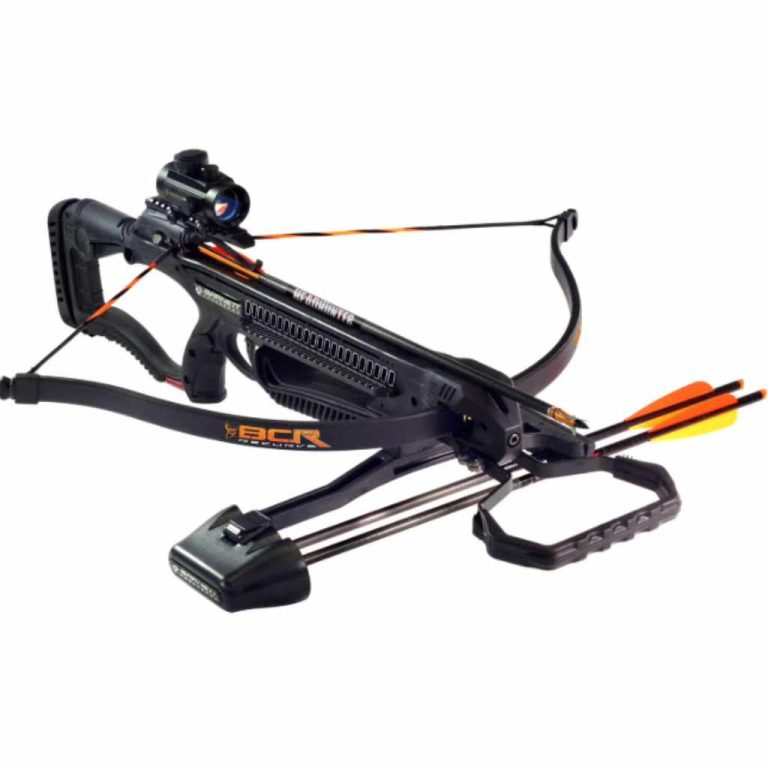
Let’s start with the classic crossbow. These are the ones that look a bit like a rifle. They are designed to be shouldered and fired horizontally. Think of them as a bridge between a firearm and a traditional bow. They are known for their cranking mechanism and the ability to hold the energy of the drawn string for extended periods.
On the other hand, a compound bow, or “vertical crossbow,” is held upright, much like a recurve or longbow. What makes it special is its ingenious pulley system, called a cam system. This system uses cables and cams to multiply your drawing power and make it easier to hold the bow at full draw. This is a game-changer for many archers, offering more power with less physical strain.
What is a Traditional Crossbow?
A traditional crossbow is a horizontal bow that is mounted on a frame. It draws inspiration from historical hunting and warfare designs. These bows are characterized by their stock, which is similar to a rifle’s, and a trigger mechanism that releases the string. You typically cock a traditional crossbow by pulling a string back with a crank or a cocking rope. Once cocked, the bow can hold the string under tension almost indefinitely, ready to be fired with a simple pull of the trigger.
The horizontal orientation means that when you aim, the bow itself is held parallel to the ground. This setup can feel stable for some shooters. The power comes from the limbs of the bow, which are designed to store a lot of energy. When the trigger is pulled, this energy is transferred to the bolt (the arrow used in a crossbow), launching it towards the target with significant force.
Key Features of Traditional Crossbows:
- Horizontal Orientation: The bow limbs and barrel are positioned horizontally, similar to a rifle.
- Stock and Trigger: Features a stock for shouldering and a trigger assembly for release.
- Cocking Mechanism: Requires a rope cocker, crank, or other device to pull the string back.
- Holding Power: Can be held at full draw for an extended period without fatigue.
- Bolt Propulsion: Shoots short, heavy projectiles called bolts.
- Ease of Aiming for Some: The stable platform can make aiming straightforward, especially for those familiar with firearms.
Pros of Traditional Crossbows:
- High Power and Speed: Capable of launching bolts at very high speeds, making them effective for hunting.
- Ease of Holding: Once cocked, the bow can be held at full draw without significant physical effort, allowing ample time to aim.
- Familiarity for Firearm Users: The stock and trigger mechanism can feel natural to individuals with shooting experience.
- Less Recoil: Generally have less felt recoil compared to some high-powered vertical bows.
Cons of Traditional Crossbows:
- Bulkier and Heavier: Often larger and heavier than compound bows, making them less portable.
- Slower Reloading: Cocking a crossbow takes more time and effort than nocking an arrow on a compound bow.
- Limited Maneuverability: Their size can make them awkward to handle in dense brush or tight hunting blinds.
- Maintenance: Can require more specialized maintenance for the trigger and cocking mechanisms.
What is a Vertical Crossbow (Compound Bow)?
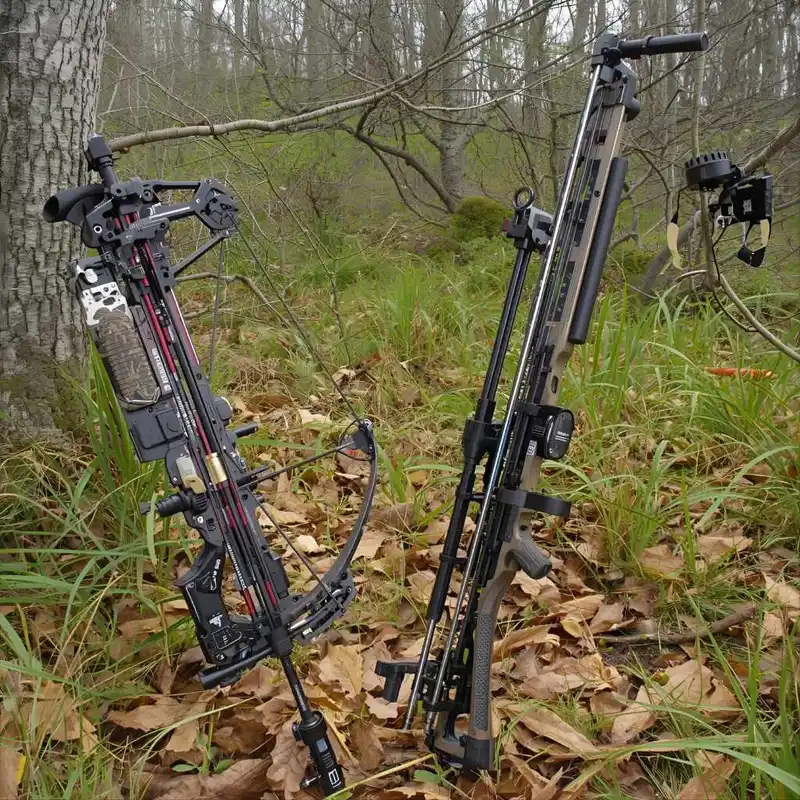
Now, let’s talk about the “vertical crossbow,” which, as we established, is really a compound bow. This type of bow is held in a vertical position, much like traditional archery bows. The magic of a compound bow lies in its innovative cam system. These are offset wheels or pulleys attached to the ends of the limbs. As you draw the bowstring, the cams rotate, altering the leverage. This means that drawing the bow requires significant effort at first, but as you reach full draw, the cams “let off,” and the holding weight is drastically reduced.
This let-off is what makes compound bows so special. You can hold the bow at full draw for a longer period without becoming fatigued, allowing for a more precise aim. The energy stored in the limbs is transferred efficiently to the arrow, resulting in high speeds and accuracy. Because they are held vertically, they often feel more like traditional archery equipment, but with a significant power boost and improved stability due to their design.
Key Features of Vertical Crossbows (Compound Bows):
- Vertical Orientation: Held upright, similar to traditional recurve or longbows.
- Cam System: Utilizes pulleys (cams) to reduce holding weight at full draw (let-off).
- Higher Draw Speed: Offers very fast arrow speeds due to efficient energy transfer.
- Less Holding Effort: Significantly reduces the physical strain of holding the bow at full draw.
- Arrow Nocking: Arrows are nocked onto the string, not loaded into a barrel.
- Compact and Lightweight: Generally more compact and lighter than traditional crossbows, adding to maneuverability.
Pros of Vertical Crossbows (Compound Bows):
- High Accuracy: The reduced holding weight and stable design contribute to excellent accuracy.
- Powerful: Capable of very high arrow speeds, excellent for hunting and target shooting.
- User-Friendly Draw: The let-off feature makes them much easier to hold at full draw for extended aiming periods.
- Lightweight and Compact: Easier to carry and maneuver in various environments.
- Versatile: Suitable for a wide range of archery disciplines, from hunting to competitive target shooting.
Cons of Vertical Crossbows (Compound Bows):
- More Complex: The cam and cable system is more intricate, potentially requiring specialized knowledge for adjustments or repairs.
- Initial Draw Force: The peak draw weight can be higher to engage the cam system.
- Noise and Vibration: Some models can be noisier and produce more vibration if not properly tuned or if accessories like dampeners aren’t used.
- Cost: High-end compound bows can be more expensive than basic traditional crossbows.
- Requires Proper Tuning: Optimal performance relies on precise tuning of the cam and limb system.
Key Differences Summarized
To make it even clearer, let’s look at the core distinctions side-by-side. This will help you solidify your understanding of what sets these two types of bows apart.
| Feature | Traditional Crossbow | Vertical Crossbow (Compound Bow) |
|---|---|---|
| Orientation | Horizontal | Vertical |
| Mechanism | Stock, trigger, no cams | Cam system, pulleys, cables |
| Holding Draw Weight | Full strength required | Significantly reduced by cams (let-off) |
| Projectile | Bolt | Arrow |
| Cocking/Drawing | Crank or rope cocker required | Pulled manually with string |
| Portability/Size | Generally larger and heavier | Generally lighter and more compact |
| Complexity | Simpler mechanics | More complex with adjustable cams |
| Typical Use | Hunting, some target shooting | Hunting, target shooting, competitive archery |
The Mechanics Behind the Power: Cams vs. Simplicity
The biggest technological difference lies in how each bow stores and releases energy. Traditional crossbows rely on the direct flexing of their limbs to store energy. When you draw the string, the limbs bend, and this stored potential energy is released upon firing. It’s a straightforward mechanical process. The force you exert to draw the string is the force you must hold to keep the bow cocked.
Compound bows, however, introduce a more sophisticated approach with their cam system. These cams act as levers. As you pull the string, the cams rotate. Early in the draw cycle, the cams are eccentric, meaning their radius isn’t uniform. This makes the initial draw somewhat hard. But as the draw progresses, the cams rotate, and their larger radius engages, effectively multiplying the force applied by the archer.
Critically, the system is designed so that at the end of the draw cycle, the cams are aligned in a way that significantly reduces the force required to hold the bow at full draw. This reduction is known as “let-off,” and it’s typically between 65% and 90%. This means a bow with a peak draw weight of 70 pounds might only require 15-25 pounds of force to hold at full draw. This mechanical advantage is what makes compound bows so efficient and comfortable to shoot.
For an in-depth understanding of the physics behind archery technology, you can explore resources from educational institutions like the University of Colorado Boulder’s Physics Department, which often delves into how mechanical systems like these store and transfer energy.
Who is Each Bow Best For?
Choosing between a traditional crossbow and a compound bow, or “vertical crossbow,” often comes down to your personal needs, physical capabilities, and what you want to achieve with your archery experience.
Ideal for Traditional Crossbow Enthusiasts:
- Hunters seeking supreme power and accuracy at longer ranges: Their high bolt speeds and trajectory can be advantageous for big game hunting.
- Individuals who want a stable, rifle-like shooting experience: Those familiar with firearms may find the grip and aim familiar and comfortable.
- Archers who can manage the cocking process: The need for a cocking aid means it’s not a freehand draw.
- People who prioritize holding the weapon cocked for extended periods: This is a significant advantage in certain hunting scenarios where patience is key.
- Those interested in historical archery replicas and styles: Many traditional crossbows are designed with historical aesthetics in mind.
Ideal for Vertical Crossbow (Compound Bow) Enthusiasts:
- Beginners looking for ease of use and comfort: The let-off makes the bow much easier to hold and manage.
- Archers of varying physical strengths: The reduced holding weight makes it accessible to more people, regardless of their upper body strength.
- Hunters who need maneuverability: Their lighter weight and more compact design are beneficial in dense woods or during active stalking.
- Target archers aiming for precision: The stability and accuracy potential are highly valued in competitive shooting.
- Individuals who want a versatile bow: Compound bows are highly adaptable for different archery disciplines with the right accessories.
- Anyone seeking a modern, technologically advanced archery tool: The engineering behind compound bows is fascinating.
Safety First: Handling and Operation Guidelines
Regardless of whether you choose a traditional crossbow or a compound bow, safety must always be your top priority. Archery equipment is powerful and can cause serious injury if mishandled. Always remember these fundamental safety rules:
General Safety Rules for All Bows:
- Never dry-fire a bow: This means never drawing and releasing the string without an arrow or bolt nocked. Doing so can severely damage the bow and pose a serious risk of injury.
- Always point the bow in a safe direction: Even when not shooting, always be aware of where the bow is pointed. The “downrange” area should always be clear.
- Treat every bow as if it were loaded: Maintain a respectful and cautious attitude towards your equipment.
- Inspect your equipment before each use: Check the bowstring, cables, limbs, and any other components for wear or damage. For more in-depth inspection guides, consult the manufacturer’s manual or an experienced archer. Resources like the USA Archery Safety Codes provide comprehensive guidelines for safe shooting practices.
- Ensure your shooting area is safe: Make sure there are no people or animals in the path of your shot and that there is a safe backstop to catch any errant arrows or bolts.
- Use the correct arrows/bolts: Never use arrows or bolts that are not designed for your specific bow type and draw weight. Using incorrect or damaged projectiles can be extremely dangerous.
- Familiarize yourself with your bow’s operation: Understand how to safely cock, load, aim, and shoot your particular model.
Specific Safety Considerations:
For Traditional Crossbows:
- Be extra careful when using cocking devices. Ensure they are properly attached and functioning before engaging them.
- Always ensure the bolt is securely seated and the string is properly engaged with the bolt’s nock before releasing the safety mechanism.
For Vertical Crossbows (Compound Bows):
- Understand how the cam system works and the importance of maintaining proper draw length.
- Use a bowstringer specifically designed for compound bows to safely string or unstring the bow. Never try to do this with your feet or by forcing the limbs.
- Be aware of the potential for string slap or limb damage if accessories like a release aid or arrow rest are not used correctly.
If you are new to archery, consider taking lessons from a certified instructor. They can provide hands-on training in safe handling and shooting techniques. Many local archery ranges offer beginner courses.
Choosing the Right Bow for You
Deciding between a traditional crossbow and a compound bow isn’t about which one is “better,” but which one is “better for you.” Here are some questions to ask yourself:
- What is your primary goal? Are you looking for a hunting tool, a target shooting companion, or a hobby to explore?
- What is your physical condition? Do you have the strength and stamina to handle the draw weight of a traditional crossbow, or would the let-off of a compound bow be more beneficial?
- What kind of shooting environment will you be in? Dense woods might favor the compactness of a compound bow, while an open field might be ideal for the power of a traditional crossbow.
- What is your budget? Both types come in a wide range of prices.
- Are you comfortable with more complex machinery? Compound bows have more moving parts and require more precise setup.
- Do you have prior shooting experience? If you’re used to firearms, the stock-style grip of a traditional crossbow might feel more familiar.
Visiting a local archery shop can be incredibly helpful. The staff can let you handle different bows, explain their features in person, and even let you try shooting some models. This hands-on experience is invaluable for making an informed decision.
Frequently Asked Questions (FAQ)
What is the fundamental difference between a crossbow and a vertical crossbow?
The main difference is orientation and mechanism. A traditional crossbow is horizontal with a stock and trigger. A vertical crossbow (compound bow) is held vertically and uses a cam system with pulleys to reduce the holding weight at full draw, making it easier to hold and shoot.
Are “vertical crossbows” the same as compound bows?
Yes, the term “vertical crossbow” is an informal way of referring to a compound bow. They are the same type of archery equipment.
Which type of bow is more powerful?
Both traditional crossbows and compound bows can be very powerful. However, modern compound bows are typically capable of launching arrows at higher speeds due to their efficient cam systems, which can translate to greater kinetic energy downrange.