Difference Between Hand Crossbows and Crossbows D&D: Essential Guide
Hand crossbows in D&D are light, one-handed ranged weapons with a shorter range and lower damage die than heavier, two-handed crossbows. A standard crossbow in D&D refers to the heavier, more powerful weapon. The key differences lie in their size, handling, damage, and tactical use within the game.
Welcome, fellow adventurers! If you’ve ever found yourself pondering the nuances of ranged combat in Dungeons & Dragons, you’ve likely stumbled upon the terms “hand crossbow” and “crossbow.” These weapons can seem similar at first glance, especially when you’re just starting your journey in the game. But understanding their differences is key to making the best choices for your character and enjoying every arrow-slinging moment.
Don’t worry if the distinctions feel a bit fuzzy; it’s a common point of confusion for many new players. This guide is here to clear things up, giving you a simple, step-by-step understanding of what sets these two weapons apart. We’ll break down everything you need to know so you can confidently pick the right tool for your next quest. Get ready to arm yourself with knowledge!
Understanding the Basics: What’s a Crossbow Anyway?
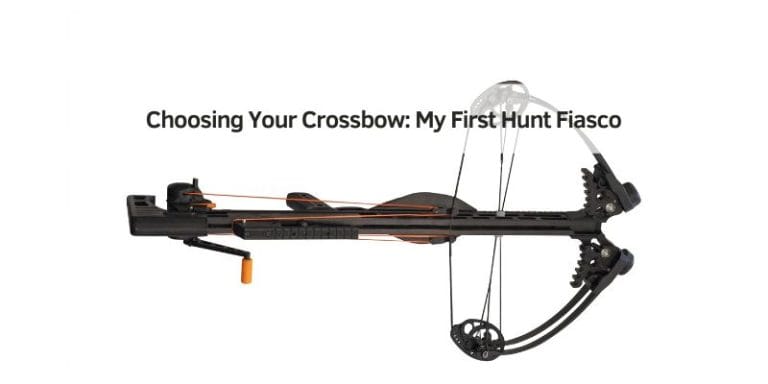
At its core, a crossbow is a ranged weapon that uses a bow-like assembly mounted horizontally on a wooden stock. Instead of being drawn by hand like a traditional bow, a crossbow is drawn and locked in place, allowing the archer to aim and release the string without continuous physical strain. This design makes it easier for many people to use and also allows for greater power and accuracy compared to lighter bows. Think of it as a mechanical advantage for delivering projectiles with force.
In the fantastical world of D&D, crossbows come in various forms, each with its own pros and cons. The two most common types you’ll encounter, and the focus of our discussion, are the hand crossbow and the standard (or heavy) crossbow. While they share the fundamental crossbow mechanism, their practical applications and in-game statistics tell a different story.
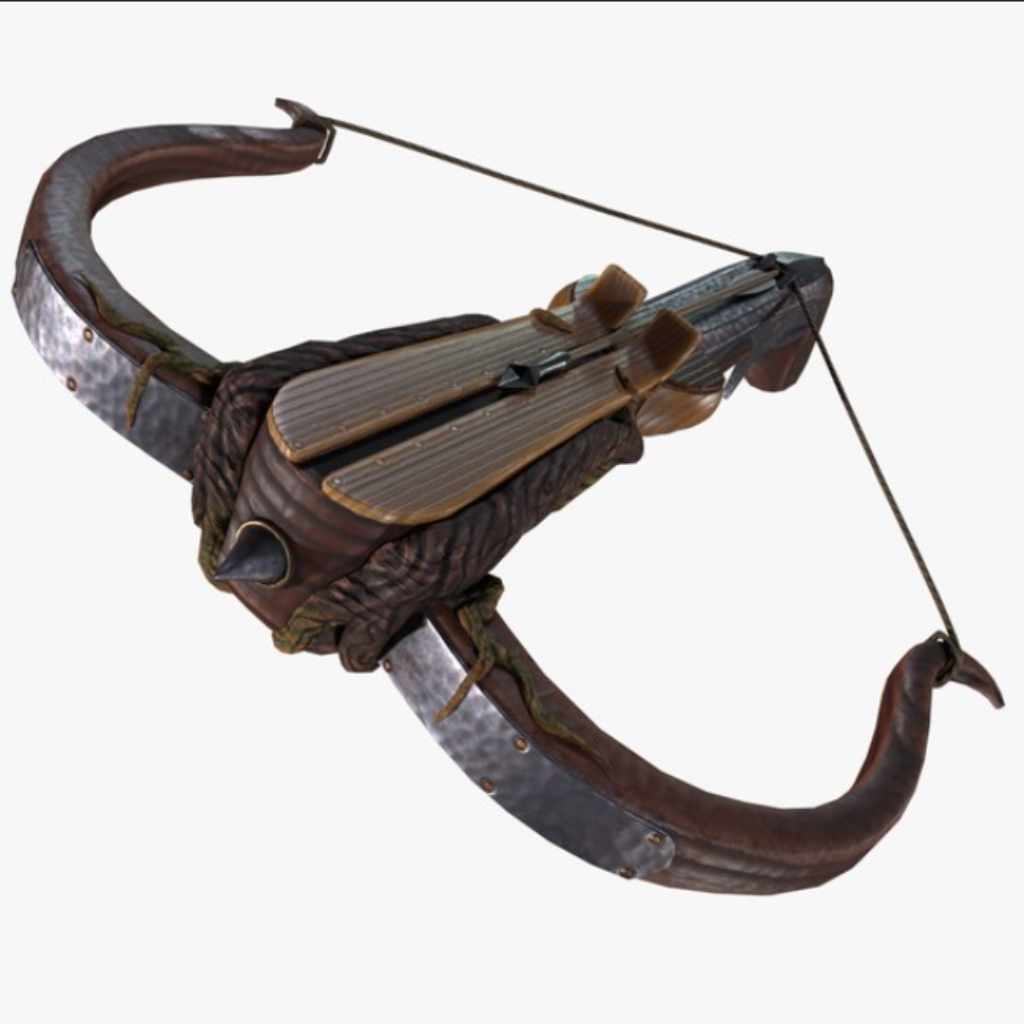
The Hand Crossbow: Nimble and Quick
Imagine a smaller, more compact version of a crossbow that you can wield in one hand. That’s essentially a hand crossbow. It’s designed for speed, ease of use, and a degree of concealability that its larger cousins lack.
Characteristics of a Hand Crossbow
- Size and Handling: Its most defining feature is its size. Because it’s small enough to be operated with one hand, it doesn’t require two hands to hold and aim. This frees up your other hand for a shield, a spellcasting focus, or even another weapon.
- Loading Mechanism: While still requiring a mechanism to draw and lock the string, the process is generally quicker and less strenuous than with a heavy crossbow.
- Range: Hand crossbows typically have a shorter effective range compared to their larger counterparts. This means they are best suited for closer-quarters combat or for characters who prioritize quick shots over long-distance precision.
- Damage: The damage output of a hand crossbow is usually lower. This reflects its smaller size and less powerful draw.
- Ammunition: They fire bolts, which are short, heavy arrows specifically designed for crossbows.
In D&D Mechanics
In Dungeons & Dragons 5th Edition, the hand crossbow is classified as a simple, ranged weapon with the following statistics:
- Damage: 1d6 piercing damage.
- Properties: Ammunition (range 30/120), light, loading.
The “ammunition” property means you need ammunition (bolts) to shoot it, and it has a normal range of 30 feet and a long range of 120 feet. The “light” property is crucial because it signifies that you can wield it in one hand, allowing you to potentially use another one-handed weapon or a shield alongside it. The “loading” property means you can only fire one shot per action, bonus action, or reaction, regardless of how many attacks you might otherwise get. This is a shared property with heavier crossbows.
Who is a Hand Crossbow For?
A hand crossbow is an excellent choice for:
- Rogues who want a reliable ranged option that doesn’t interfere with their Sneak Attack requirements or leaves a hand free for other actions.
- Characters who want a backup ranged weapon that’s easy to draw and use in a pinch.
- Ranged combatants who value versatility and the ability to switch between offense and defense quickly.
- Often, spellcasters who want a simple ranged option for when they can’t cast spells or need to conserve spell slots.
The Standard Crossbow: Power and Precision
When most people say “crossbow” in D&D without further specification, they are usually referring to what the game mechanics define as a light crossbow or a heavy crossbow. These are the larger, more formidable versions designed for maximum impact.
Characteristics of a Standard Crossbow
- Size and Handling: These weapons are considerably larger and bulkier than hand crossbows. They require two hands to properly aim, hold steady, and fire.
- Loading Mechanism: Drawing the string on a standard crossbow is more difficult and often requires specialized equipment like a crank or a stirrup and a strong leg. This process is slower and more involved than with a hand crossbow.
- Range: Standard crossbows generally boast a longer effective range, allowing you to engage targets from a greater distance with more accuracy.
- Damage: The trade-off for the increased bulk and slower loading is significantly higher damage output. These weapons are designed to pack a punch.
- Ammunition: Like hand crossbows, they fire bolts.
In D&D Mechanics
Let’s look at the two most common types of standard crossbows in D&D 5th Edition:
1. Light Crossbow
This is the smaller of the two standard crossbows but still larger than a hand crossbow. It offers a good balance of power and manageability for its type.
- Damage: 1d8 piercing damage.
- Properties: Ammunition (range 80/320), loading, two-handed.
The “two-handed” property is key here: you absolutely need both hands free to operate it. Its range is significantly improved over the hand crossbow.
2. Heavy Crossbow
This is the king of crossbows in terms of raw power, but it comes with the most significant drawbacks in terms of ease of use.
- Damage: 1d10 piercing damage.
- Properties: Ammunition (range 100/400), loading, two-handed.
The heavy crossbow deals the most damage per shot among these types and has the longest ranges. However, it is the most cumbersome. The “loading” property is also more pronounced here, often implying that reloading might take a full action or even your entire turn in some interpretations, depending on the crossbow’s specifics (though the standard rule is just that you can only shoot once per action/bonus action regardless of attacks). For more on the intricacies of loading, resources like the D&D Basic Rules on Weapons can be helpful.
Who is a Standard Crossbow For?
Standard crossbows, both light and heavy, are ideal for:
- Fighters and Rangers who specialize in ranged combat and want to maximize their damage output.
- Characters who plan to stay in one position and rain down a constant barrage of powerful shots.
- Anyone looking for a powerful ranged punch without the need for exceptional strength (unlike some bows).
- Players who don’t need their off-hand for other significant actions like wielding a shield or casting spells with somatic components.
Key Differences: A Direct Comparison
To make things crystal clear, let’s break down the primary distinctions between hand crossbows and standard crossbows in D&D. Think of this as your quick reference guide.
Comparison Table
| Feature | Hand Crossbow | Light Crossbow | Heavy Crossbow |
|---|---|---|---|
| Damage | 1d6 piercing | 1d8 piercing | 1d10 piercing |
| Range (Normal/Long) | 30/120 feet | 80/320 feet | 100/400 feet |
| Handling | One-handed | Two-handed | Two-handed |
| Light Property | Yes | No | No |
| Ammunition Property | Yes | Yes | Yes |
| Loading Property | Yes | Yes | Yes |
| Size & Weight | Small, Light | Medium, Moderate | Large, Heavy |
| Reload Speed (Flavor) | Quicker | Slower | Slowest |
As you can see, the hand crossbow wins in terms of versatility and freedom of use for your off-hand, while the standard crossbows, especially the heavy one, excel in raw damage and range. The choice often comes down to your character’s playstyle and the equipment they can realistically manage.
Strategic Implications in Combat
The difference between these crossbows isn’t just about numbers on a character sheet; it has real strategic implications for your character’s combat effectiveness.
Hand Crossbow Strategy: Versatility and Action Economy
The primary advantage of the hand crossbow is its “light” property. This allows you to:
- Dual-Wield: You can wield two hand crossbows, attacking with each as a bonus action after your action attack (assuming you have the Extra Attack feature, and noting the loading property still applies to each, meaning one attack per action/bonus action). This can lead to more frequent attacks, though the damage per shot is lower.
- Shield + Ranged Attack: You can attack with a hand crossbow while using a shield in your other hand, significantly boosting your Defense (AC).
- Spellcasting Integration: Many spellcasters might carry a hand crossbow. If they can’t cast a spell or need an attack, they can still contribute a modest amount of damage without needing to drop their shield or somatic spellcasting focus.
The trade-off is the lower damage dice (1d6) and shorter range. You won’t be bringing down large foes as swiftly as with a heavier weapon, and you’ll need to be closer to the action.
Standard Crossbow Strategy: Sustained Firepower
The light and heavy crossbows, with their higher damage dice (1d8 and 1d10) and longer ranges, are designed for sustained, powerful attacks from a distance.
- Focused Damage: If your goal is to deal significant damage to a single target over time, aHeavy Crossbow is your go-to. Its 1d10 damage die is the highest for any non-magical weapon you can typically acquire early on.
- Fire Support: These weapons are perfect for characters providing fire support from the back lines, targeting enemies before they can reach the main combatants.
- Less Tactical Flexibility: The requirement for two hands means you can’t use a shield. This makes you more vulnerable to direct attacks. Reloading also takes time and focus, which can be a problem if you’re caught off guard or need to move frequently.
According to general firearm safety principles, which can be loosely applied to the care and handling of ranged weapon replicas and their in-game mechanics, proper maintenance and understanding of your chosen weapon are crucial for performance. For real-world archery safety, organizations like the USA Archery provide excellent resources on safe handling and practice, highlighting the importance of knowing your equipment.
Loading Property: A Deeper Dive
The “loading” property is a common trait among all crossbows in D&D. It’s important to understand what this means for your turn:
- One Shot per Action/Bonus Action: regardless of how many attacks you get from features like Extra Attack, you can only fire onecrossbow bolt per action or bonus action you use to attack.
- Doesn’t Affect Reload Time Significantly (Standard Rules): Under the most common Dungeon Master rulings and the basic rules, the “loading” property simply limits you to one shot. It doesn’t necessarily mean it takes a full action to reload. If you have multiple attacks from Extra Attack, you can use one action to attack with your crossbow, and then if you have a bonus action available, you could potentially use that to attack again, but only one of those uses would be for the crossbow reload. If you used your action to attack with the crossbow, and then wanted to attack with it again using your bonus action, that would be allowed if you also had a bonus action attack available. The key is that a single crossbow can only be fired once per turn, whether that’s via action or bonus action.
- DM Interpretation: Some Dungeon Masters might interpret “loading” more strictly, meaning reloading a crossbow takes a full action (or a bonus action). Always clarify with your DM how they handle this property.
- Hand Crossbow vs. Heavy Crossbow Reload: While mechanically the “loading” property is the same for all crossbows, in terms of roleplaying and how the DM might rule on specific circumstances, a hand crossbow might be described as reloading faster than a heavy crossbow, even if the mechanical limit is the same. This is where narrative flavor comes in handy!
Choosing Your Crossbow: What’s Right for Your Character?
Deciding between a hand crossbow and a standard crossbow depends entirely on your character concept and how you plan to play them.
Consider these questions:
- Do you want to use a shield? If yes, a hand crossbow is your only crossbow option.
- Do you have features that grant bonus action attacks? Hand crossbows can be part of dual-wielding strategies, allowing attacks with both hands.
- Are you a spellcaster who needs a simple ranged option? A hand crossbow is great because it leaves your other hand free for a spellcasting focus or somatic components.
- Is maximizing damage per shot your top priority? A heavy crossbow will always be superior here, followed by the light crossbow.
- Do you want to engage from long-distance? Standard crossbows offer superior range.
- What is your character’s Strength score? While crossbows are often less Strength-dependent than bows, heavier ones can still feel more unwieldy and might be described as harder to manage by characters with lower Strength.
Don’t forget to factor in the “loading” property. If your character has abilities that grant multiple attacks as part of a single action (like the Fighter’s Extra Attack), you can only use one of those attacks with a crossbow per turn (whether it’s an action or bonus action). This can make them less appealing for characters optimized for making many attacks quickly compared to, say, a flurry of blows from a monk or multiple shortswords.
FAQs: Your Crossbow Questions Answered
Here are some common questions beginners have about hand crossbows and standard crossbows in D&D.
Q1: Can I use a hand crossbow if I have a spellcasting focus in my other hand?
A: Absolutely! The hand crossbow is designed to be used in one hand, leaving your other hand free for a shield, a spellcasting focus, or even another object. This makes it a very versatile weapon for many character types.
Q2: What’s the difference in damage between a hand crossbow and a light crossbow?
A: A hand crossbow deals 1d6 piercing damage, while a light crossbow deals 1d8 piercing damage per hit. The light crossbow hits harder on average.
Q3: Does the “loading” property mean I have to use my full turn to reload a crossbow?
A: Not necessarily under the standard D&D 5e rules. The “loading” property means you can only fire one weapon of this type per action and one per bonus action, regardless of how many attacks you might get from features like Extra Attack. It generally doesn’t take your entire action to reload unless your Dungeon Master specifically rules it that way.