Ramcat vs Ramcat Crossbow: Essential Difference
The primary difference isn’t between two types of broadheads called “Ramcat” and “Ramcat Crossbow.” Instead, Ramcat offers a line of broadheads, and while some are designed for both vertical bows and crossbows, specific models might have features optimized for the higher speeds of crossbows. Always check the product specifications for compatibility!
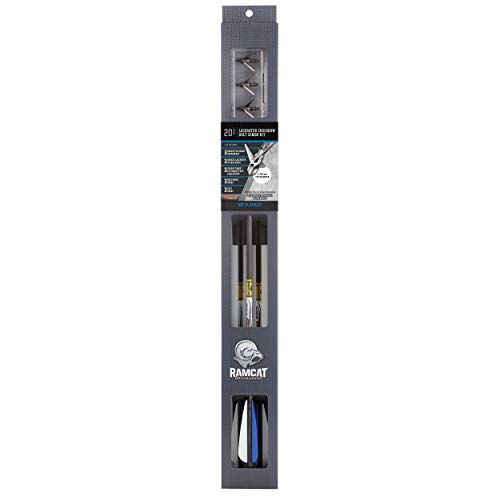
As an Amazon Associate I earn from qualifying purchases.
So, you’re looking into broadheads, and you’ve come across “Ramcat.” That’s fantastic! Choosing the right broadhead is a big step in archery, ensuring your arrows fly true and hit their mark with confidence. Sometimes, the naming can get a little confusing, especially when you see variations like “Ramcat” and “Ramcat Crossbow.” What does it all mean? Don’t worry, I’m here to help clear the air. We’ll break down exactly what these names refer to, what makes certain Ramcat broadheads suitable for different setups, and how to make the best choice for your archery adventures. By the end of this, you’ll feel much more comfortable selecting the perfect Ramcat for your bow.
Understanding Broadhead Terminology: It’s Not Always Apples to Oranges
In archery, a “broadhead” is the hunting tip of an arrow. When you hear “Ramcat” and “Ramcat Crossbow,” it’s crucial to understand that we’re generally talking about broadheads from the same brand, Ramcat. The distinction often comes down to design nuances that cater to the specific needs of vertical bows versus crossbows. Think of it like different tires for different vehicles – both are tires, but they’re optimized for different performance requirements.
The core technology aims to be flight-stable and devastating upon impact. However, the speeds generated by a crossbow are typically much higher than those from a vertical bow. This speed difference can influence how a broadhead performs and how it’s designed to maintain accuracy and penetration. Understanding these subtle but important differences will help you make an informed decision.
What is a Ramcat Broadhead?
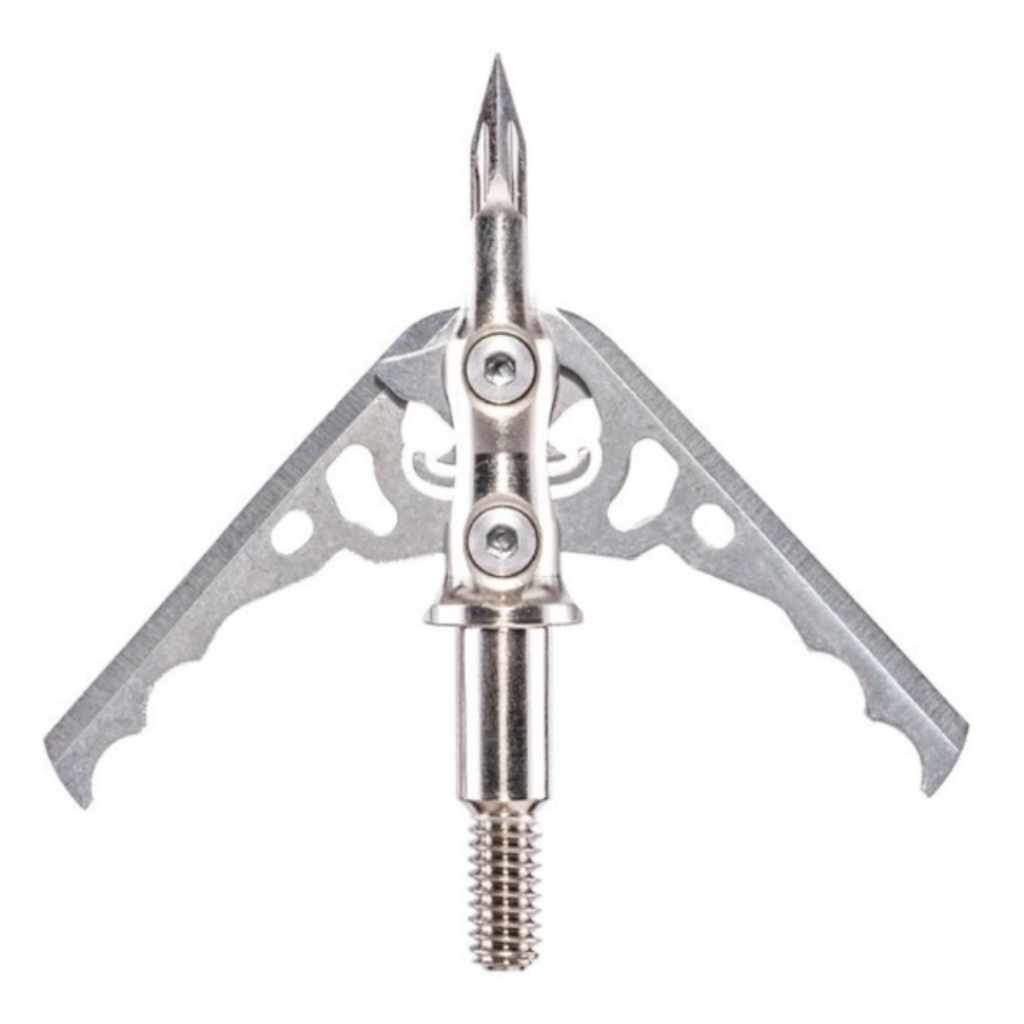
Ramcat is a well-respected brand known for its innovative broadhead designs. They’ve gained a following for their focus on aerodynamic flight and deep penetration. Many of their broadheads feature a unique “lift-assist” blade design and a rigid, one-piece ferrule. This combination is intended to help the broadhead fly more like a field point—that’s the practice tip you use for shooting at targets—leading to improved accuracy right out of the box.
The idea behind this design is to minimize the common problem of broadheads spinning erratically in flight. When a broadhead flies true, your arrow will hit where you aim, which is always the goal. Ramcat broadheads are often recognized for their solid construction and the sharp cutting edges on their blades, which are essential for a quick and humane harvest.
Ramcat vs. Ramcat Crossbow: The Core Difference Explained
Let’s get straight to the heart of the matter. When you see “Ramcat” broadheads, you’re looking at models designed for general archery use, typically for vertical bows (recurve and compound bows). When you see “Ramcat Crossbow” specific models, these are usually designed with the unique demands of crossbows in mind. But here’s the key: many Ramcat broadheads are actually designed to be versatile and work excellently with both vertical bows and crossbows. The “Crossbow” designation often indicates a model that has been further optimized or tested for the extreme velocities and forces that crossbows can generate.
Here’s a breakdown of what that often means:
- Speed Tolerance: Crossbows shoot arrows at significantly higher speeds than vertical bows. A broadhead designed for a crossbow needs to withstand this increased speed without deforming or losing its aerodynamic integrity.
- Blade Durability: The increased impact force from a faster arrow means the blades need to be exceptionally durable. Ramcat’s crossbow-specific models might feature slightly thicker steel or a more robust blade attachment system.
- Ferrule Strength: The ferrule is the part that screws onto the arrow shaft. With the higher speeds of crossbows, the ferrule can experience greater stresses. Crossbow-specific designs might have reinforced ferrules.
- Aerodynamics at High Speed: While Ramcat broadheads are already known for good flight, models optimized for crossbows might have subtle aerodynamic tweaks to ensure they remain stable and accurate even at speeds exceeding 400 feet per second (fps).
- Cut Diameter and Penetration: Some crossbow models might offer specific cut diameters or blade configurations optimized for maximum penetration through tougher hides and bone, which can be a factor when dealing with larger game or the higher energy delivery of crossbows.
However, it’s important to reiterate that many Ramcat broadheads are engineered to be incredibly versatile. For example, the popular original Ramcat broadheads are often used effectively on both vertical bows and crossbows without issue, provided the crossbow’s speed is within reasonable limits for that particular broadhead. Manufacturers will typically specify a maximum recommended arrow speed for their broadheads.
Always check the product packaging or the manufacturer’s website for any speed limitations or specific recommendations regarding your bow type. Reputable brands like Ramcat will provide this information clearly.
Key Features of Ramcat Broadheads (and what to look for)
When we talk about Ramcat broadheads, several signature features stand out. Understanding these will help you appreciate why archers choose them and what to look for in any broadhead you consider:
- Lift-Assist Blades: This is a hallmark of Ramcat. These blades have a slight curve or angle that helps grip the air during flight, much like an airplane wing. This helps the broadhead fly true, mimicking a field point.
- One-Piece Ferrule: The main body of the broadhead (the ferrule) is typically machined from a single piece of metal. This design eliminates potential weak points where separate parts are joined, increasing strength and durability.
- Blade-Gate System (on some models): Some Ramcat models utilize a unique blade-gate system that keeps the blades securely in place during flight but allows them to deploy instantly upon impact. This ensures reliable deployment for maximum cutting efficiency.
- Solid Steel Construction: Ramcat broadheads are generally made from high-quality steel, known for its strength and ability to hold a razor-sharp edge.
- Deep Penetration Design: The combination of sharp blades, aerodynamic flight, and strong construction is engineered to deliver deep penetration, which is crucial for a quick, effective harvest.
When you’re comparing different Ramcat models or any broadhead, keep these features in mind. Do they offer a robust design? Are the blades sharp and secure? Will they fly true with your setup?
Common Ramcat Broadhead Models and Their Suitability
Ramcat offers a range of broadheads, each with slight variations. While specific model names and features can evolve, here are some general categories and what they’re often designed for:
| Broadhead Type | Typical Design Focus | Suitability Notes |
|---|---|---|
| Original Ramcat / Ramcat Broadhead | All-around performance, flight stability, penetration. | Excellent for most compound bows and many crossbows. Widely regarded as accurate and effective. Check max fps rating for your specific crossbow. |
| Ramcat Broadhead with “Crossbow” in name (e.g., Ramcat Broadhead – Crossbow) | Optimized for higher crossbow speeds, enhanced durability. | Specifically engineered to handle the increased velocity and kinetic energy of crossbows. Often features reinforced components. Recommended if your crossbow shoots very fast. |
| Ramcat T-2 (or similar compact designs) | Compact profile, deep penetration, heavy-duty construction. | Often designed for maximum penetration, suitable for tough game. Generally excellent for both vertical bows and crossbows, but always check speed ratings. |
| Ramcat Deep Six (or similar proprietary inserts) | Designed for bows/arrows using the Deep Six insert system (less common now but was for a time). | Only compatible with arrows specifically designed for Deep Six inserts. Performance is usually excellent, but compatibility is key. |
Note: Model availability and specific features can change. Always verify with the manufacturer’s current specifications.
The “Crossbow” designation is often a clear indicator that the broadhead has been tested or designed with crossbow velocities in mind. However, that doesn’t automatically exclude it from being a great choice for a high-performance vertical bow, or vice-versa, for many models. The overarching goal for Ramcat is consistent accuracy and lethal performance.
Why the Distinction Matters for Your Bow Setup
Choosing a broadhead that’s appropriate for your bow setup is crucial for two main reasons: accuracy and safety.
Accuracy
As mentioned, crossbows shoot arrows much faster. If a broadhead isn’t designed to handle these speeds, it can:
- Swerve or “fishtail”: The arrow might not fly straight, leading to missed shots or wounded animals.
- Deform: Blades can bend, or the ferrule can warp, compromising accuracy and penetration.
Ramcat broaden with “Crossbow” in their name are engineered to minimize these issues. Their aerodynamic profile and robust construction help them maintain a true flight path at higher velocities.
Durability and Safety
A broadhead that fails mid-flight or upon impact is not only ineffective but can also be dangerous. It could deflect off game and travel in an unpredictable direction. Broadheads designed for crossbows are typically built to be more resilient. They are less likely to break, bend, or detach incorrectly under the immense pressure of a high-speed launch. This ensures that the broadhead performs as intended when it counts the most.
For vertical bows, while speeds are generally lower, the design principles of accurate flight and sharp cutting edges remain paramount. Many of Ramcat’s original or standard models excel here, offering a fantastic balance of performance and versatility that satisfies a vast majority of vertical bow hunters.
Understanding these nuances helps you avoid common pitfalls. For instance, putting a broadhead designed only for lower-speed vertical bows on a very fast crossbow might lead to disappointing results, even if it’s the “Ramcat” brand. Conversely, using an overly robust, heavier crossbow-specific broadhead on a very slow, light vertical bow might not offer any significant advantage and could even affect flight slightly.
How to Choose the Right Ramcat Broadhead for You
Making the decision can feel overwhelming, but it boils down to understanding your equipment and your intended use. Here’s a simple process:
1. Know Your Bow’s Speed
- Compound Bows: Speeds can range from around 250 fps to over 350 fps.
- Crossbows: Speeds typically range from 300 fps to over 450 fps.
Check your bow’s specifications or get it chronographed at a pro shop. Knowing your arrow’s velocity is key. A great resource for understanding bow speeds and their impact can be found on sites like Archery Trade Association (ATA) which offers technical information and performance insights.
2. Identify Your Target Game
Different game animals might require different levels of penetration. Larger, tougher animals often benefit from broadheads engineered for maximum penetration, while smaller game might not need extreme measures. Ramcat’s line generally aims for deep penetration across the board.
3. Read Product Specifications Carefully
- Maximum Recommended Arrow Speed: This is the most critical piece of information. If your crossbow shoots at 400 fps, and a broadhead has a 350 fps limit, don’t use it.
- Cut Diameter: This is the width of the wound channel created upon impact. Larger cut diameters create bigger holes for better blood trails.
- Blade Count and Type: Most Ramcats are 3-blade, but some variations exist.
- Weight: Broadheads typically range from 100 to 125 grains. Stick with the weight you’ve practiced with and that matches your arrow’s spine (stiffness).
4. Consider Your Experience Level
For most beginners with vertical bows, the original Ramcat models are often a fantastic starting point due to their reputation for accuracy and ease of use. If you’re new to crossbows or have a very fast model, leaning towards a Ramcat explicitly marked for crossbows or with higher speed ratings is a wise choice.
5. Consult with Experts
Visit your local pro shop! Experienced staff can offer tailored advice based on your specific bow model, arrows, and hunting needs. They can also help you ensure proper arrow and broadhead tuning, which is vital for accuracy. Resources like the U.S. Fish and Wildlife Service also provide general guidance on hunting seasons and regulations that may indirectly influence equipment choices.
For example, if you have a top-tier crossbow shooting 450 fps, you’d absolutely want to look at broadheads specifically rated for that speed. If you have a solid compound bow shooting 300 fps, many of the standard Ramcat broadheads will likely serve you exceptionally well.
Tips for Practicing with Broadheads
Once you’ve chosen your Ramcat broadheads, practice is essential. Here’s how to do it safely and effectively:
- Use Practice Broadheads: For initial tuning and practice, consider using Ramcat’s practice broadheads or field points that match the weight and diameter of your hunting broadheads. This saves wear and tear on your hunting broadheads and prevents damage to targets.
- Target Choice: Use a quality archery target designed to stop arrows reliably and be safe for broadhead use. Targets designed for mechanical broadheads or broadheads with large cutting diameters are ideal. Avoid targets that are too hard or made of materials that can dull or damage blades. Some archers use a dedicated broadhead target made of layered foam or a specially designed block.
- Shoot from Various Distances: Practice at the ranges you intend to hunt. Start closer (10-20 yards) to confirm your arrow is flying straight, then extend your range (30-50 yards or more, depending on your skill and hunting scenario).
- Inspect After Each Shot: Carefully check your broadheads after each shot. Look for any bending, chipping, or dulling of the blades, or damage to the ferrule. This helps you gauge durability and identify if a broadhead needs sharpening or replacement.
- Shoot in Hunting Conditions: If possible, practice from a treestand or ground blind to simulate actual hunting conditions. This includes practicing shooting from a seated position and with any bulky clothing you’ll be wearing.
- Understand Spine and Tuning: Broadhead accuracy is heavily influenced by your bow’s “spine alignment” or “tuning.” If your broadheads fly differently than your field points, it’s often an indicator that your bow needs tuning. Many resources, such as those from the University of Missouri, have touched on the physics of projectile flight, which applies directly to arrow tuning.
Remember, accuracy with broadheads is a skill that develops with consistent practice and proper equipment setup. Don’t get discouraged if your broadhead groups aren’t as tight as your field point groups initially. Small adjustments can make a big difference.

Frequently Asked Questions (FAQ)
Q1: Are Ramcat broadheads good for beginners?
A1: Yes, many Ramcat broadheads are excellent for beginners, especially their original models known for excellent flight characteristics that mimic field points. Their user-friendly design and accuracy can build confidence quickly.
Q2: Can I use the same Ramcat broadheads for both my compound bow and my crossbow?
A2: Often, yes! Many Ramcat broadheads are versatile. However, always check the product’s maximum recommended arrow speed. If your crossbow shoots significantly faster than your vertical bow, or faster than the broadhead’s limit, you should opt for a model specifically designed or rated for higher crossbow speeds.
Q3: What does “lift-assist” blade technology do?
A3: Lift-assist blades have a slight curve that grips the air, helping stabilize the broadhead in flight. This technology makes the broadhead fly more accurately, much like a field point, reducing common broadhead flight issues.
Related pick: Check today's price on Amazon