Difference Between Swhacker and Swhacker Crossbow: Essential Guide
The main difference between Swhacker and Swhacker Crossbows lies in their fundamental design and operation: Swhacker typically refers to a brand of broadheads used on compound bows and crossbows, known for their mechanical, two-blade cutting action, while a “Swhacker Crossbow” isn’t a distinct product line from the brand but rather a compound crossbow that could be used with Swhacker broadheads. Understanding this distinction is key for choosing the right archery equipment.
Are you scratching your head trying to figure out the difference between “Swhacker” and a “Swhacker Crossbow”? You’re not alone! Many beginners get a little mixed up when they first start exploring the world of archery equipment, especially with brand names that sound so similar. It’s like trying to tell the difference between a car and the tires you put on it – one is a type of vehicle, and the other is a crucial part that helps it work!
Don’t worry, though. This guide is here to clear things up. We’ll break down exactly what “Swhacker” means in the archery world and explain how it relates to crossbows in a simple, easy-to-understand way. By the end, you’ll know precisely what you’re looking at and be confident in your archery gear choices.
What is Swhacker? Understanding the Broadhead
When archers talk about “Swhacker,” they are almost always referring to a popular brand of mechanical broadheads. Think of broadheads as the specialized arrowheads designed for hunting. They’re the business end of your arrow, responsible for making a precise and effective cut on your target.
Swhacker broadheads are famous for their unique design, which aims to create a devastating wound channel. Here’s a closer look at what makes them stand out:
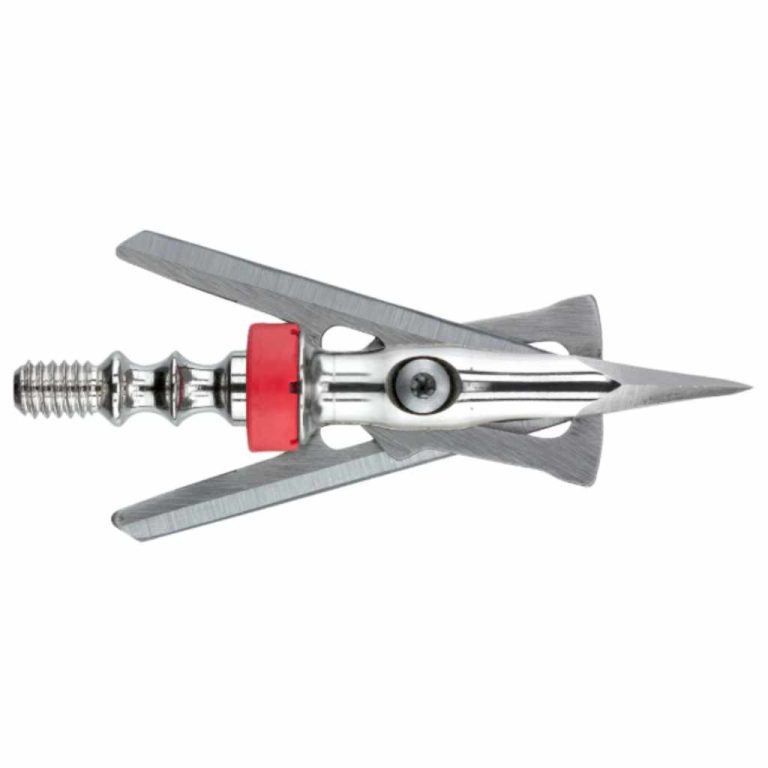
- Mechanical Design: Unlike fixed-blade broadheads (where the blades are permanently in place), mechanical broadheads have blades that deploy or open upon impact. This allows for a more aerodynamic arrow in flight, which many archers find helps improve accuracy.
- Two-Blade Cutting Action: Swhacker broadheads, in particular, are known for their two-stage cutting mechanism. The initial blades create a wide opening, and then a secondary set of blades follows to further increase the cutting diameter. This is designed to cause significant tissue damage and blood loss, leading to a quicker, cleaner harvest.
- Blade Deployment System: They typically use a spring-clip or similar mechanism to keep the blades closed during flight, ensuring they only open when they hit the animal.
- Common Use: Swhacker broadheads are primarily used by hunters for game animals like deer, and they can be used with both compound bows and crossbows.
It’s important to remember that Swhacker itself is a product line, specifically a type of hunting arrow point, not a type of bow.

What is a Swhacker Crossbow? Clarifying the Terminology
Now, let’s talk about the “Swhacker Crossbow.” Here’s where the confusion often arises: Swhacker does not manufacture or sell entire crossbows. The brand is solely focused on producing broadheads for arrows. So, when someone says “Swhacker Crossbow,” they likely mean:
- A Crossbow that is equipped with Swhacker Broadheads: This is the most common interpretation. An archer might have a Barnett, TenPoint, or Parker crossbow, and they are shooting arrows tipped with Swhacker broadheads. In this case, “Swhacker” describes the accessory (the broadhead), not the bow itself.
- A Misunderstanding or Informal Naming: Sometimes, enthusiasts might informally refer to a crossbow setup by a significant component for stylistic reasons or if the brand name is particularly popular among their group. However, technically, there isn’t a product line called “Swhacker Crossbows” from the Swhacker company.
Therefore, a “Swhacker Crossbow” isn’t a distinct model of crossbow from a different manufacturer. It’s a combination of a crossbow (any brand) and Swhacker broadheads being used on its arrows.
Key Differences Summarized: Swhacker Broadhead vs. Crossbow
To make things crystal clear, let’s lay out the fundamental differences in a simple table. This helps visualize the distinct roles each plays in the archery setup.
| Feature | Swhacker (Broadhead) | Crossbow |
|---|---|---|
| What it is | A type of arrow tip used for hunting. | A bow that shoots bolts (short arrows) using a trigger mechanism. |
| Function | To cut and create a wound channel during a hunting shot. | To provide the power and mechanism to launch bolts. |
| Manufacturer | Swhacker Broadheads (a specific company) | Various manufacturers (e.g., TenPoint, Barnett, PSE, Mission) |
| Part of the system | An accessory attached to an arrow. | The primary piece of archery equipment. |
| Operation | Blades deploy upon impact. | Uses a stock, trigger, and string to launch bolts. |
| Variety | Different models and cutting diameters. | Hundreds of models with varying speeds, weights, and features. |
How Swhacker Broadheads Work with Crossbows
Since Swhacker broadheads are designed for hunting, they are indeed compatible with crossbows, provided a few conditions are met. This compatibility is a significant aspect for hunters looking to outfit their hunting equipment.
Here’s how they work together:
- Arrow Compatibility: Crossbows shoot bolts, which are shorter and often thicker than arrows shot from compound or recurve bows. The crucial factor is that the bolt must be able to accept a standard broadhead insert. Most crossbow bolts designed for hunting come with inserts threaded to accept common broadhead shafts.
- Bolt Spine and Weight: The weight and stiffness (spine) of the crossbow bolt are critical for proper flight and broadhead tuning. Swhacker broadheads are designed to fly well from properly spined and weighted bolts. It’s always recommended to check the manufacturer’s guidelines for the broadhead and match it to your bolt specifications.
- Crank-Cock Assist Devices: Reloading a crossbow, especially powerful modern ones, often requires a cocking aid like a rope cocker or a cranking system. This system helps draw the string back to engage the firing mechanism.
- Scopes and Sights: Crossbows typically come with scopes or sights designed for the shorter ranges and faster speeds associated with crossbows.
When choosing Swhacker broadheads for your crossbow, you’d look at the specific models they offer. For instance, Swhacker offers various broadhead types, often denoted by numbers like the Swhacker 100 Grain or Swhacker 125 Grain, indicating their weight. You would select a Swhacker broadhead that is suitable for the type of game you plan to hunt and compatible with the bolt weight and spine you are using.
Choosing the Right Swhacker Broadhead for Your Crossbow
Not all Swhacker broadheads are created equal, and selecting the right one for your crossbow setup is essential for ethical hunting. Here are some factors to consider:
- Grain Weight: Broadheads come in different weights, typically measured in grains (a unit of mass). Common weights for mechanical broadheads like Swhacker are 100 grains, 125 grains, and sometimes higher. The total weight of your arrow (including the bolt, insert, nock, fletching, and broadhead) affects its trajectory and kinetic energy. Heavier setups often provide more penetration. Always check the recommended weight range for your specific crossbow.
- Cutting Diameter: This is the width of the wound channel the broadhead creates. Larger cutting diameters generally mean more tissue damage and a wider blood trail. Swhacker broadheads are known for their wide cutting diameters upon deployment. Match the cutting diameter to the type of game you are hunting; larger game may benefit from wider cuts.
- Blade Configuration: While Swhacker’s signature is its two-blade main cutting system, some models might have slight variations. Always read the product description to understand how the blades are constructed and how they are designed to deploy.
- Durability and Construction: Look for broadheads made with strong materials that can withstand impact and the powerful deployment mechanism. Swhacker is generally well-regarded for its robust construction.
- Compatibility with Your Bolts: Ensure the broadhead’s ferrule (the part that attaches to the bolt) is compatible with the inserts on your crossbow bolts. Most Swhacker broadheads use a standard 8-32 thread size, which is common for many bolt inserts.
Example: Swhacker 100 Grain Mechanical
A popular choice for many hunters is the Swhacker 100 Grain Mechanical broadhead. This model typically features:
- A 100-grain weight.
- A large cutting diameter, often around 1.75 inches when fully deployed, thanks to its two-stage cutting action.
- A robust construction designed for durability.
- Easy field point tuning for practice shots.
This type of broadhead is a versatile option that can perform well on various medium to large game animals when used with a properly tuned crossbow and bolt setup. For more information on arrow and bolt tuning, you can refer to resources like the U.S. Fish and Wildlife Service’s basic archery hunting information, which often touches on arrow setup.
Understanding Crossbows: The Big Picture
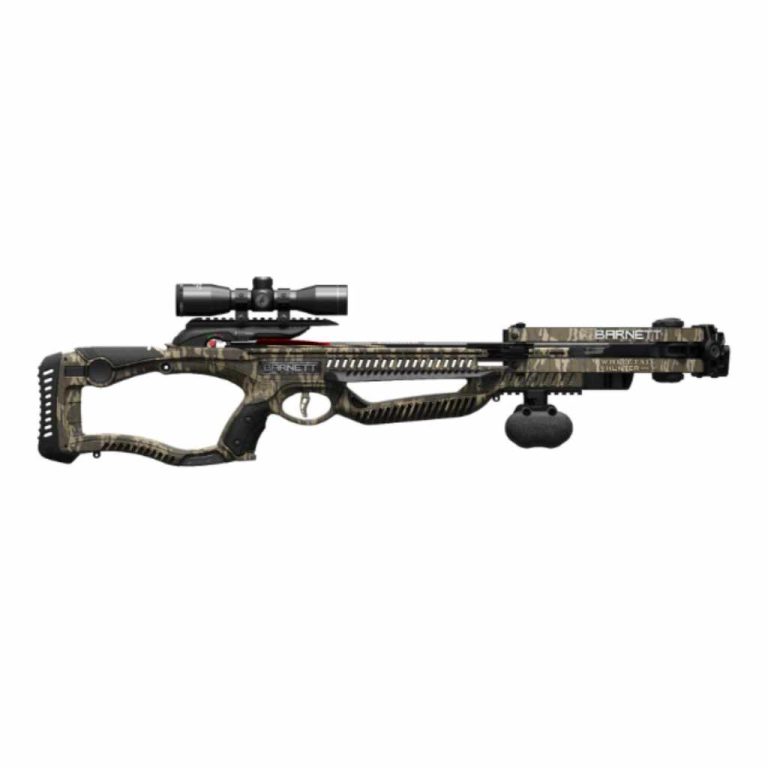
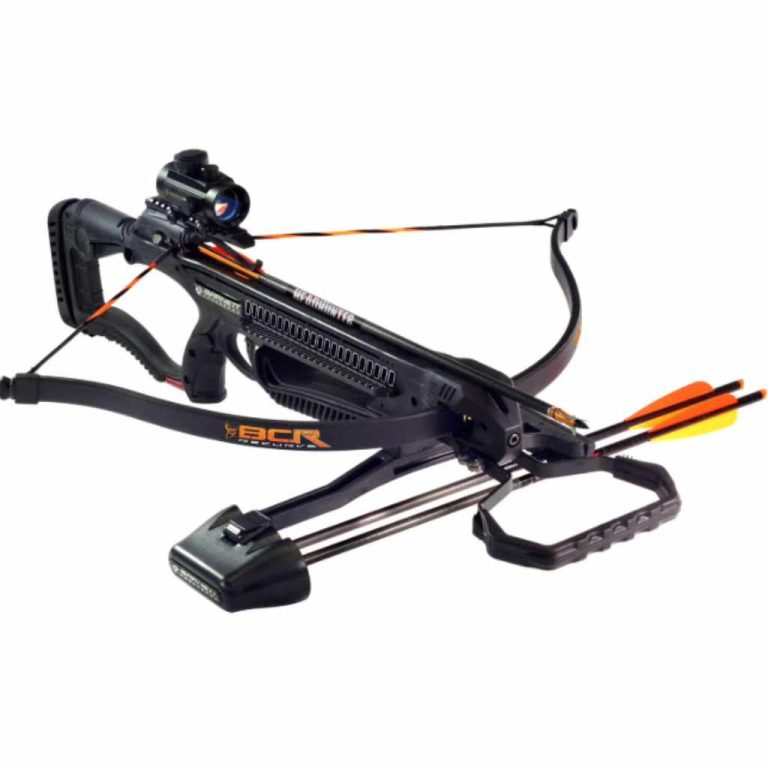
Before we dive deeper, it’s useful to have a basic understanding of what a crossbow is. A crossbow is a medieval weapon that has been modernized with incredible technology. It consists of a bow-like assembly (the prod) mounted horizontally on a main body called the stock. A string is drawn back and held by a trigger mechanism.
When the trigger is pulled, the string is released, propelling a bolt (a short, heavy arrow) forward at high speed. This makes them distinct from traditional archery bows like compound or recurve bows, which require the archer to hold the drawn string. This difference is why crossbows have seen a rise in popularity for hunters who might have physical limitations or prefer the ease of aiming without holding immense draw weight.
Types of Crossbows
While we’re focusing on the Swhacker aspect, it’s good to know there are a couple of main types of crossbows you might encounter:
- Recurve Crossbows: These have limbs (the “arms” of the bow) that curve outward at the tips, similar to a recurve bow. They are generally simpler and often less compact.
- Compound Crossbows: These use a system of cams and pulleys on the ends of the limbs. This system allows the crossbow to be drawn to a higher peak weight but then reduces the holding weight (let-off), making them easier to hold steady for aiming. Most modern, high-performance crossbows are compound.
The power and speed of modern compound crossbows make them very effective hunting tools, and they pair well with high-performance broadheads like those from Swhacker.
Features of a Modern Crossbow
When you look at a modern crossbow, you’ll notice several key components:
- Stock: The main body of the crossbow, often made of durable composite materials or wood. It houses the trigger mechanism and provides a grip.
- Prod/Limbs: The “bow” part of the crossbow. In compound crossbows, these are connected to cams.
- Cams/Pulleys: Found on compound crossbows, these help manage the draw weight and increase arrow speed.
- String and Cables: The system that transfers energy from the limbs to the bolt.
- Trigger Mechanism: The part you squeeze to fire the bolt. Safety features are paramount here.
- Scope: A mounted sight that magnifies the target, essential for accurate shooting at typical crossbow ranges.
- Cocking Mechanism: Tools like rope cockers or crank systems that assist in drawing the string back.
- Bolt Retention Spring: Keeps the bolt in place on the rail before firing.
For detailed information on crossbow mechanics and safety, the National Rifle Association (NRA) offers extensive resources on shooting sports, including hunting techniques and equipment.
Bridging the Gap: Compound Bows vs. Crossbows and Broadhead Choice
It’s also helpful to distinguish between compound bows and crossbows, as broadhead selection can sometimes be influenced by which archery device you’re using.
Compound Bows
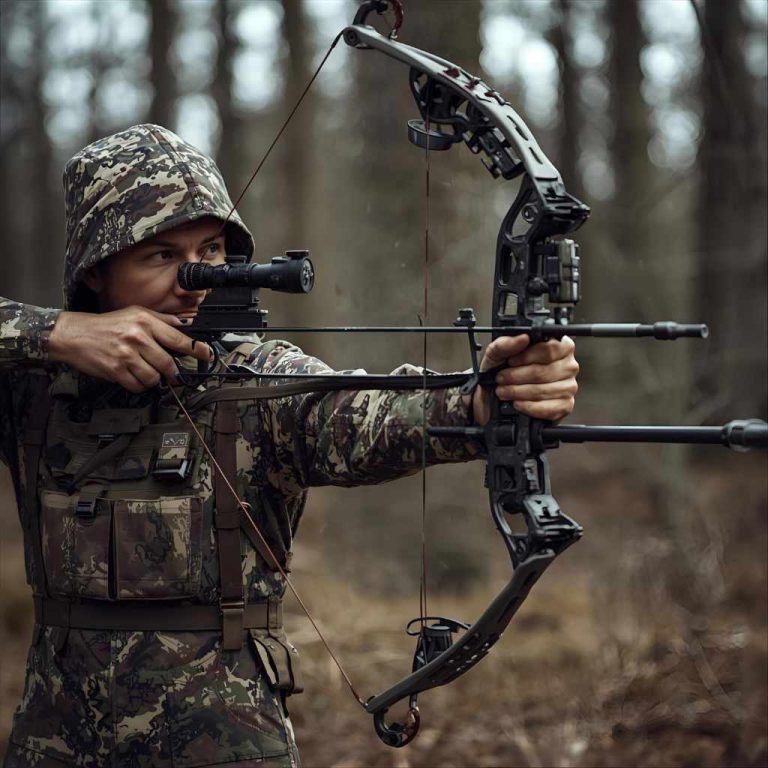
A compound bow uses a system of cables and cams to multiply the force applied by the archer. This means the archer can draw the bow back to a high peak draw weight, but the cams then reduce the weight the archer has to hold to keep the string drawn back (this is called “let-off”).
Key characteristics:
- Draw Cycle: Requires significant strength to draw initially, much lighter to hold.
- Aiming: Archer holds the bow and aims. Requires significant upper body strength and endurance to hold steady.
- Arrow Stability: Generally shoots lighter, longer arrows.
- Draw Length: Adjustable to the archer’s body.
Crossbows
As discussed, crossbows have a stock and a trigger mechanism. They are typically shot from a rested position, often aiming with a scope.
Key characteristics:
- Draw Cycle: Drawn back by a mechanical aid (crank, rope cocker). Holding weight is minimal once cocked.
- Aiming: Archer aims using a scope, without needing to hold significant weight.
- Arrow Stability: Shoots shorter, heavier bolts.
- Trigger-activated: Fire by pulling a trigger, not by releasing the string directly.
For both compound bows and crossbows, the choice of broadhead is critical for humane hunting. Swhacker broadheads are designed to perform well with both, but it’s always wise to consult the broadhead manufacturer’s recommendations regarding which types of bows or crossbows their product is best suited for, especially concerning bolt weight or arrow specifications.

Frequently Asked Questions (FAQ)
Q1: So, is there a specific “Swhacker Crossbow” I can buy?
A: No, Swhacker does not manufacture complete crossbows. They specialize in making mechanical broadheads that you can attach to the bolts (arrows) for your crossbow, regardless of its brand.
Q2: Can any Swhacker broadhead be used on a crossbow?
A: Most Swhacker broadheads designed for hunting are compatible with standard crossbow bolts, provided the bolts have the correct inserts. Always check the broadhead’s specifications and your bolt’s compatibility, especially regarding grain weight and thread size for the ferrule.
Q3: What makes Swhacker broadheads special for hunting?
A: Swhacker broadheads are known for their mechanical design that deploys upon impact, creating a wide cutting diameter (often with a two-blade system) designed for significant tissue damage and a quick harvest. This design also helps arrows fly truer than some fixed-blade broadheads.
Q4: How do I choose the right grain weight for a Swhacker broadhead for my crossbow?
A: The ideal grain weight depends on your specific crossbow model and the type of game you’re hunting. Consult your crossbow manual for recommended arrow/bolt weight ranges. Generally, heavier bolts and broadheads offer better penetration, but accuracy is also key. Start with common weights like 100 or 125 grains and test for accuracy.
Q5: What’s the difference between a Swhacker broadhead and a fixed-blade broadhead?
A: Fixed-blade broadheads have blades that are always exposed and ready to cut. Mechanical broadheads, like Swhacker, have blades that are closed during flight and open upon impact. Mechanical broadheads often offer better aerodynamics for flight accuracy, while some hunters prefer the simplicity and perceived durability of fixed blades.
Q6: Is it better to practice with field points or broadheads?
A: It’s highly recommended to practice with field points (target tips) that have the same grain weight and overall configuration as your hunting broadheads. This ensures your bow or crossbow is sighted in correctly.