Are Recurve Bows Good for Hunting? Pros, Cons, and Expert Tips
For centuries, archery has been a skill woven into human history, used for both survival and sport. Today, many hunters are drawn to recurve bows for their simplicity, tradition, and challenge. But are recurve bows actually good for hunting? The answer depends on several factors, from the hunter’s skill and the type of game to the bow’s power and design. With compound bows and modern firearms available, choosing a recurve for hunting isn’t always straightforward. Still, many hunters swear by their effectiveness and unique experience. This guide explores whether recurve bows make sense for hunting, comparing them to other options, and helping you decide if they fit your needs.
What Is A Recurve Bow?
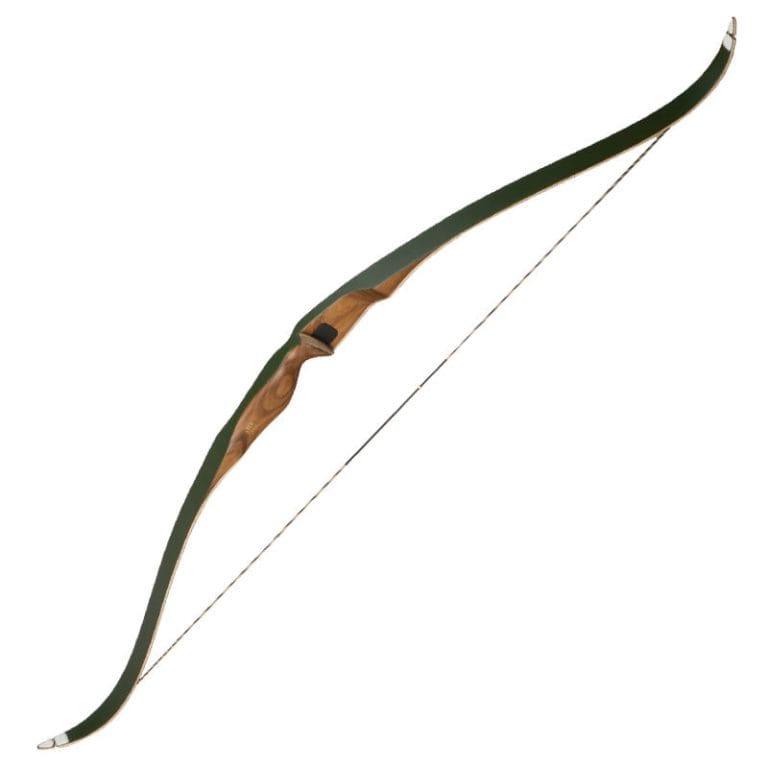
A recurve bow is a type of traditional bow with limbs that curve away from the archer when unstrung. This design stores more energy and delivers it more efficiently when shooting an arrow. Unlike compound bows, recurve bows do not use pulleys or cables.
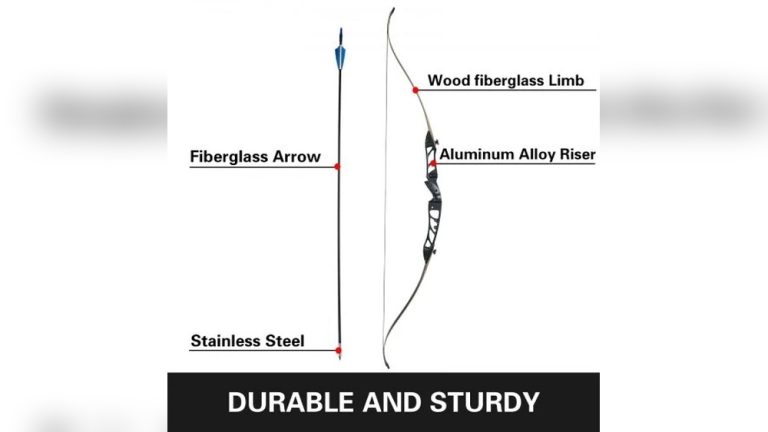
They are often made from wood, fiberglass, or carbon, and can range from simple, one-piece designs to advanced takedown models.
Recurve bows are widely used in Olympic archery, but their roots run deep in hunting cultures from Asia to Europe. The Mongols, for example, famously used recurve bows on horseback. Many hunters still choose recurve bows today, valuing their classic feel and quiet shooting.
Why Hunters Choose Recurve Bows
Simplicity And Tradition
Many hunters love the simplicity of a recurve bow. There are fewer moving parts compared to a compound bow, which means less can go wrong in the field. Hunters who appreciate traditional methods often feel a strong connection to the history and craftsmanship of recurve bows. Shooting a recurve well requires skill, practice, and focus, making each successful hunt deeply rewarding.
Lightweight And Portable
Recurve bows tend to be lighter than compound bows, making them easier to carry during long hunts. Most takedown models can be disassembled for easy transport, which is a big advantage when hiking into remote areas.
Quiet Shooting
Recurve bows are known for their quiet shot. The lack of mechanical components means less noise, which can help prevent spooking game animals. This makes them especially useful in close-range hunting situations where stealth is important.
Legal In Many Regions
Most hunting regulations allow recurve bows for hunting, sometimes even in areas where crossbows or firearms are restricted. However, hunters must always check local laws to ensure their setup meets minimum draw weight requirements.
Are Recurve Bows Powerful Enough For Hunting?
A key question is whether recurve bows deliver enough power to hunt ethically and effectively. The answer is: yes, when properly set up and in skilled hands.
Draw Weight And Kinetic Energy
The draw weight of a recurve bow, how much force is needed to pull the string back, directly affects arrow speed and penetration. For hunting, most states require a minimum draw weight (often 40 pounds or higher for big game like deer). The right arrow and broadhead combination also plays a big role.
| Draw Weight (lbs) | Typical Use | Suitable Game |
|---|---|---|
| 25-35 | Target practice, small game | Rabbits, squirrels |
| 40-50 | Hunting | Deer, wild boar |
| 55+ | Large game | Elk, moose, bear |
Heavier draw weights provide more kinetic energy, allowing arrows to penetrate deeper. However, a bow that is too heavy can be difficult to draw and aim accurately, especially in real hunting situations.
Effective Range
Most recurve hunters limit their shots to within 20, 30 yards. Accuracy and ethical kills depend on the archer’s skill and understanding of their equipment. Unlike rifles, recurve bows require the hunter to get much closer to their target, which can be both challenging and exciting.
Arrow Selection
Choosing the right arrows and broadheads is critical. Carbon or aluminum arrows with sharp, heavy broadheads offer better penetration on game. Matching arrow weight to bow power ensures efficient energy transfer and humane kills.
Comparing Recurve Bows To Other Hunting Weapons
To understand if recurve bows are good for hunting, it helps to compare them with other popular choices.
Recurve Vs Compound Bow
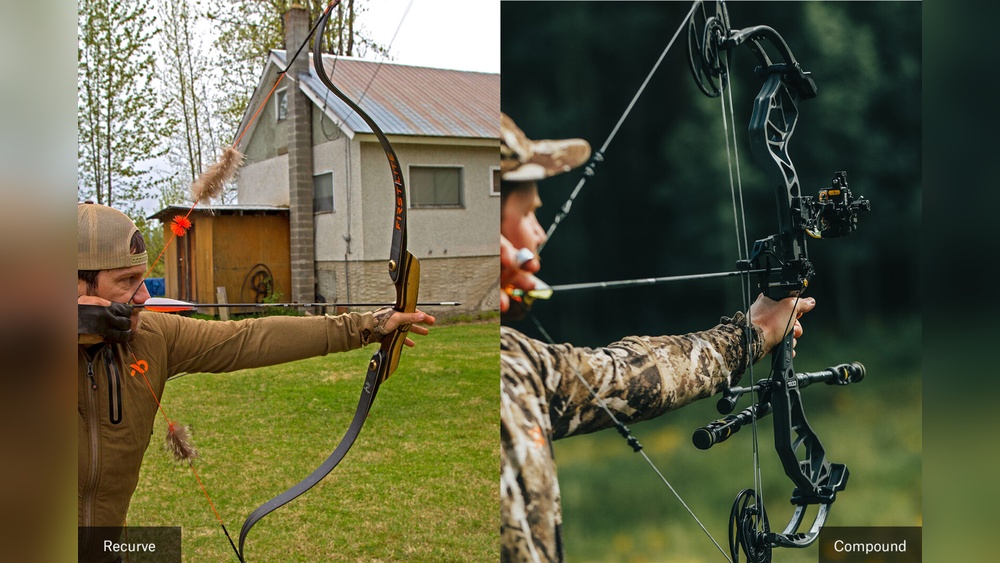
Compound bows use cams, pulleys, and cables to make holding the string at full draw easier and to shoot arrows faster. Recurves, by contrast, rely on pure arm and back strength.
| Feature | Recurve Bow | Compound Bow |
|---|---|---|
| Draw Weight | Constant at full draw | Let-off (easier to hold) |
| Arrow Speed | Lower | Higher |
| Maintenance | Simple | Complex |
| Learning Curve | Steep | Moderate |
| Reliability | Very high | High |
Recurve Vs Crossbow
Crossbows shoot bolts using a trigger and are more like firearms in use. They offer higher speeds and longer effective ranges but are heavier and noisier. Some regions restrict crossbow hunting during archery season.
Recurve Vs Firearms
Modern firearms provide much longer range, greater stopping power, and higher success rates. However, they are noisier, heavier, and often not permitted in some hunting seasons or locations focused on archery.

Credit: www.bowhunter.com
Advantages Of Hunting With A Recurve Bow
Ethical Hunting
Recurve bows require hunters to get close to their game and make precise shots. This encourages ethical hunting practices, where the hunter must know their limitations. Many experts believe this results in fewer wounded animals, as hunters are less likely to take risky shots.
Skill Development
Mastering a recurve bow takes time and dedication. Hunters who use recurves often develop better shooting form, patience, and tracking skills. This can make them better hunters overall, even when switching to other weapons.
Challenge And Satisfaction
For many, the real draw of recurve hunting is the challenge. The limited range, need for stealth, and importance of shot placement make every successful hunt a true achievement. The feeling of harvesting game with a recurve is hard to match.
Lower Cost
Recurve bows are generally less expensive than compound bows or crossbows. There are no cams, cables, or complicated sights to buy or maintain. Arrows and accessories are also simpler.
Quiet And Low Profile
The quiet shot of a recurve bow is less likely to alarm other animals nearby. This can be useful if you plan to hunt multiple animals in the same area.
Disadvantages And Limitations
Shorter Effective Range
Recurve bows have a limited range compared to firearms and even compound bows. Shots beyond 30 yards are difficult and often not ethical, especially for beginners.
Steep Learning Curve
Shooting a recurve accurately under hunting conditions is challenging. There is no let-off at full draw, so the archer must hold the full weight while aiming. This can make it hard to stay steady, especially when adrenaline kicks in.
Weather Sensitivity
Wooden recurve bows can be affected by humidity and temperature, causing changes in performance. Modern materials help, but recurves remain more sensitive to the environment than some other bows.
Physical Demand
Drawing and holding a recurve bow requires strength and stamina. For hunters who are less physically strong or have injuries, this can be a barrier.
Fewer Accessories
While some recurves allow for basic sights or stabilizers, most lack the advanced accessories common on compound bows. This means less forgiveness for mistakes in form or aiming.
What Game Can You Hunt With A Recurve Bow?
Recurve bows are effective for a wide range of game animals, as long as the setup is appropriate and the hunter is skilled.
Small Game
Species such as rabbits, squirrels, and turkeys are well-suited for recurve hunting. Lightweight arrows and simple broadheads work well for these animals.
Medium Game
Whitetail deer, feral hogs, and antelope are common targets for recurve hunters. A draw weight of 40, 50 pounds and well-placed shots are critical for ethical kills.
Large Game
With a powerful recurve (55+ pounds), experienced hunters can pursue elk, bear, and even moose. Success depends on accurate shooting and close-range encounters.
Dangerous Game
While rare, some hunters use heavy recurves for dangerous game like wild boar or predators. This requires expert skill, nerves, and proper backup planning.
How To Choose A Recurve Bow For Hunting
Selecting the right recurve bow is crucial for effective and enjoyable hunting. Here’s what matters most:
1. Draw Weight
Pick a bow with enough draw weight for your target game, but not so heavy you can’t shoot accurately. Most adult hunters choose 40, 50 pounds for deer, but younger or smaller hunters may need less.
2. Bow Length
Longer bows (typically 58, 62 inches) are more stable and forgiving, making them better for beginners. Shorter bows are lighter and more maneuverable in thick brush.
3. Takedown Vs One-piece
Takedown bows allow you to remove the limbs for easier transport and repair. One-piece bows are lighter and have fewer parts, but cannot be broken down.
4. Materials
Modern recurve bows use a mix of wood, fiberglass, and carbon. Wood offers a classic feel but may be sensitive to weather. Fiberglass and carbon are more durable.
5. Grip And Fit
A comfortable grip is essential for consistent shooting. Test several bows if possible to find one that fits your hand and shooting style.
6. Legal Requirements
Always check local regulations for minimum draw weight and other rules for bow hunting.
Essential Accessories For Recurve Bow Hunting
While recurves are simple, certain accessories can help improve your hunting experience.
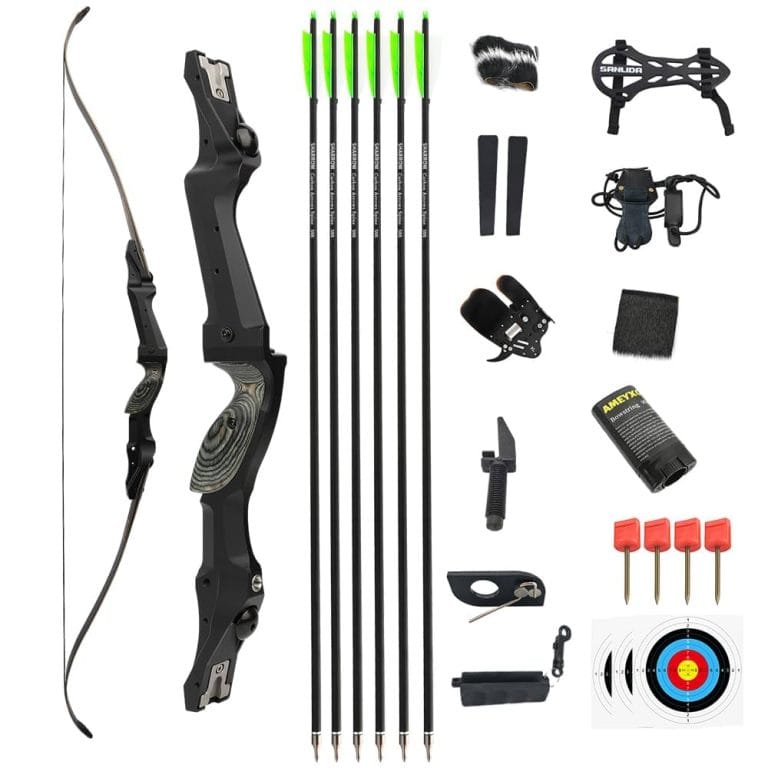
- Bow stringer: For safe stringing and unstringing
- Arm guard: Protects your forearm from the bowstring
- Finger tab or glove: Protects your fingers when drawing
- Quiver: Holds arrows securely and quietly
- Bow sight (optional): Can help beginners with aiming, but many hunters prefer instinctive shooting
Pro Tip: Practice with your hunting setup, including broadheads, before the season starts. Broadheads can change arrow flight compared to field points.
Training And Practice: The Key To Success
Skill with a recurve bow comes from consistent, focused practice. Unlike rifles or compounds, recurves do not forgive poor form or technique.
Instinctive Shooting
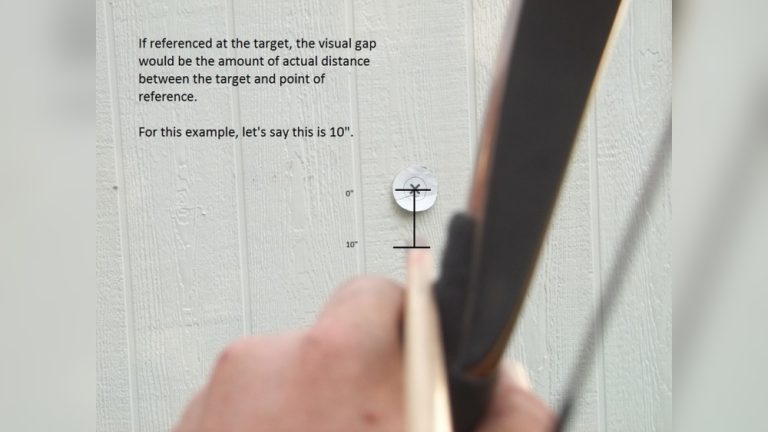
Most recurve hunters use instinctive shooting, aiming by feel and muscle memory rather than relying on sights. This takes time to master but offers quick, flexible shooting in real hunting situations.
Practice Scenarios
Set up targets at varying distances and angles. Practice from tree stands or ground blinds if you plan to hunt from these positions. Simulate real hunting shots, kneeling, from cover, or in low light.
Tracking And Stealth
Because you must get close to your prey, develop your tracking and stealth skills. Learn to move quietly, read animal signs, and judge distance accurately.
Common Beginner Mistakes
Many first-time recurve hunters:
- Choose too heavy a bow and develop bad habits
- Neglect regular practice
- Overestimate their effective range
- Fail to tune arrows properly
In my experience, the hunters who stick with recurves long-term are those who enjoy the journey as much as the result.

Credit: www.onxmaps.com
Safety And Ethical Considerations
Recurve bows are lethal weapons and should be used with respect.
- Always be sure of your target and what is beyond it.
- Only take shots you are confident will result in a clean, quick kill.
- Practice with your hunting arrows, not just field points.
- Respect hunting seasons, bag limits, and all local regulations.
If you are new to bowhunting, consider taking a hunter safety course. Many regions require them before you can hunt with a bow.
Who Should (and Should Not) Hunt With A Recurve Bow?
Ideal For
- Hunters who value tradition and challenge
- Those willing to practice regularly
- People who hunt in areas with limited range and dense cover
- Hunters who enjoy close encounters with game
Not Ideal For
- Hunters who want maximum effective range or quick success
- Those with limited time for practice
- People with physical limitations that make drawing difficult
- Anyone required by law to use higher draw weights than they can handle
Real-world Experiences And Success Stories
Many famous hunters and outdoor writers have taken game with recurve bows. Fred Bear, often called the father of modern bowhunting, used recurves for everything from whitetail deer to Alaskan brown bears. Today, thousands of successful hunts are reported each season with recurves, from turkeys in the Midwest to wild boar in the South.
What stands out in most stories is the personal satisfaction and excitement of close-range hunting. Hunters speak of the thrill of getting within 20 yards of a deer, the importance of patience, and the pride in mastering a traditional weapon.
Maintenance And Longevity
Recurve bows are simple to maintain:
- Keep the bow dry and store it unstrung (unless using a fiberglass model that allows constant stringing)
- Check the string regularly for wear and replace as needed
- Wax the string to prevent fraying
- Avoid exposing wood bows to extreme heat or moisture
With proper care, a quality recurve bow can last decades or even a lifetime.
Environmental Impact
Recurve bows have a smaller environmental footprint than firearms (which use lead bullets and gunpowder) or crossbows (which use more complex materials and manufacturing). Lost arrows are biodegradable if made from wood, and even modern arrows have less impact than spent shells or cartridges.
The Future Of Recurve Bow Hunting
Interest in traditional archery is rising. Many hunters seek a more personal, challenging experience, away from gadgets and technology. Modern materials and manufacturing have made recurves more durable and consistent than ever.
Organizations like the Traditional Bowhunters of America promote ethical hunting and skills development. Many states now offer special seasons or areas for traditional bows only