Are Recurve Bows Old? Uncovering Their Timeless Legacy
Are Recurve Bows Old
Pick up a recurve bow, and you’re touching a piece of living history. The curves in its limbs may look stylish and modern, but their story stretches across centuries, continents, and cultures. Many people see a recurve bow and wonder: are recurve bows old, or are they a modern invention with an ancient look? The answer is more fascinating than you might expect. This article explores the origins, evolution, and relevance of recurve bows, showing how these elegant weapons have stood the test of time and why they remain important today.
The Origins Of The Recurve Bow
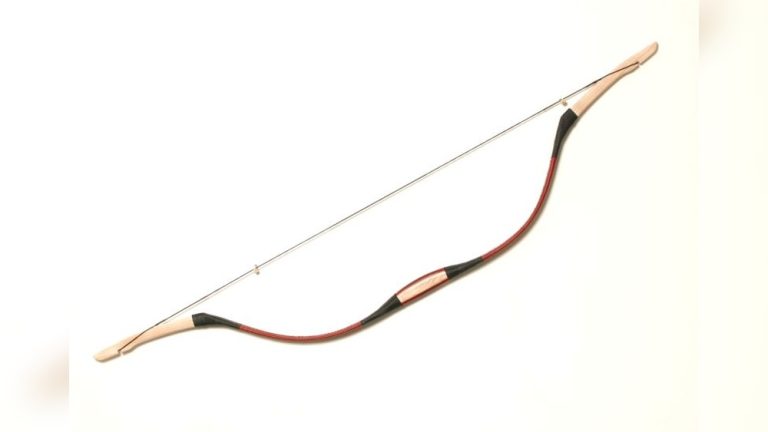
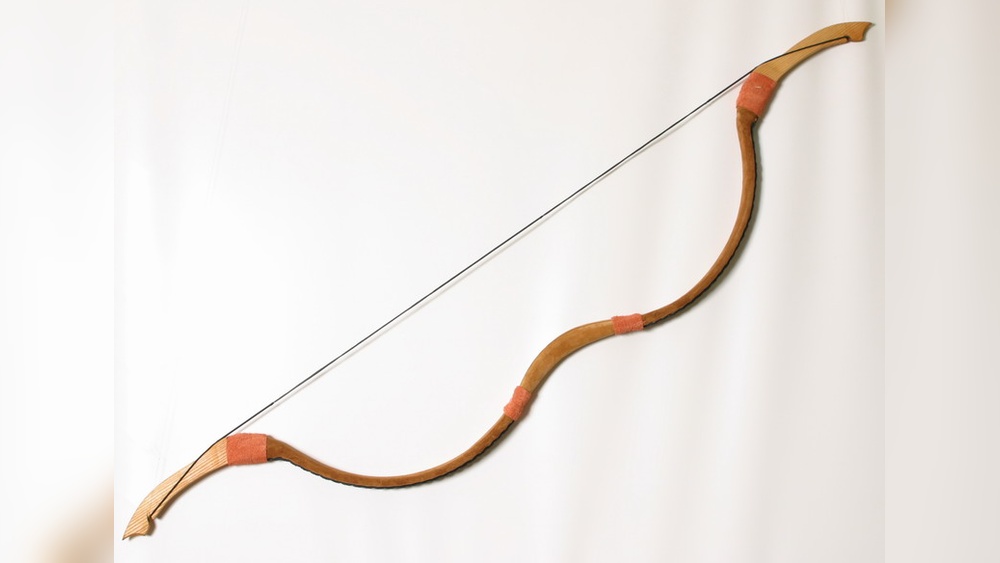
The recurve bow is not a recent creation. Its unique shape, with limbs that curve away from the archer when unstrung, dates back thousands of years. Archaeologists have found evidence of recurve bows in ancient Egypt, Persia, China, and Central Asia. The earliest known examples come from the second millennium BCE, making them over 3,000 years old.
Why did ancient people develop this shape? The answer lies in physics. By curving away at the tips, a recurve bow stores more energy and delivers it more efficiently than a straight-limbed bow of the same length. This allowed archers to use shorter bows without losing power, a big advantage for warriors on horseback or in tight spaces.
Early Civilizations And The Spread Of The Recurve Bow
Nomadic cultures in Central Asia, like the Scythians and Huns, were among the earliest experts. They needed compact, powerful bows for mounted combat. Chinese dynasties, such as the Han and Tang, also refined recurve designs for war and hunting.
In the Mediterranean, the Egyptians and later the Persians adopted and adapted recurve bows for their armies. The spread of these bows often followed the paths of conquest and trade, blending technology and tradition.
How Old Is “old”?
Compared to some ancient weapons, recurve bows have a long pedigree. The oldest known composite recurve bow fragments, found in Mongolia, are estimated to be from around 1200 BCE. However, some scholars believe the design could be even older, possibly emerging independently in different regions.
Evolution Of Recurve Bow Design
Recurve bows changed with the times, adapting to new materials, needs, and techniques. Early versions were often made from a mix of wood, horn, and sinew, known as composite bows. These materials gave the bow flexibility and strength, but required skilled craftsmanship and careful maintenance.
Materials And Construction
Let’s compare the main types of recurve bow construction across history:
| Era | Main Materials | Key Features |
|---|---|---|
| Ancient (before 1000 CE) | Wood, horn, sinew | Composite, highly efficient, sensitive to humidity |
| Medieval | Wood, some metal tips | Longer, often self-bows or composite, improved durability |
| Modern | Laminated wood, fiberglass, carbon | Consistent performance, weather-resistant, mass-produced |
Pro Tip: If you want a bow with classic looks but easy care, modern recurve bows made with synthetic materials are a smart choice.
Technological Innovations
In the 20th century, bowyers started using fiberglass and carbon laminates. These materials made bows tougher and less affected by moisture, a common problem for old composite bows. Today’s recurve bows may look similar to ancient designs, but inside, they’re packed with modern engineering.
The addition of features like detachable limbs and adjustable weights has made recurve bows even more versatile. Many archers now use “takedown” bows, which can be packed small for travel and tuned for different uses.
Recurve Bows In History: Warfare, Hunting, And Sport
Recurve bows have left their mark on history, not just as tools, but as symbols of power and skill. Their impact reaches far beyond the battlefield.
Warfare
Mounted archers using recurve bows changed the course of battles for centuries. The Mongol Empire, under Genghis Khan, relied on fast, mobile horse archers armed with short recurve bows. These bows allowed riders to shoot in all directions, even while moving at speed. Their tactics helped create one of the largest empires in history.
The Ottoman Turks, famous for their elite Janissary archers, used composite recurve bows that could shoot arrows incredible distances, sometimes more than 800 yards. This gave them a serious advantage in both siege and open-field battles.
Hunting And Survival
Recurve bows were not just for war. Hunters from Siberia to Africa used them for food and protection. Their power and compact size made them perfect for stalking game in forests or on horseback. Even today, some traditional hunters prefer recurve bows for their silence and challenge.
Sport And Tradition
Archery became a sport and a ritual in many cultures. In Korea, the Gungdo (a type of recurve bow) is still used in ceremonial and competitive shooting. In England and Europe, archery competitions using recurve bows date back hundreds of years.
Today, the recurve bow is the only type allowed in Olympic archery, a nod to its history and balance of tradition and technology.
How Recurve Bows Compare To Other Bow Types
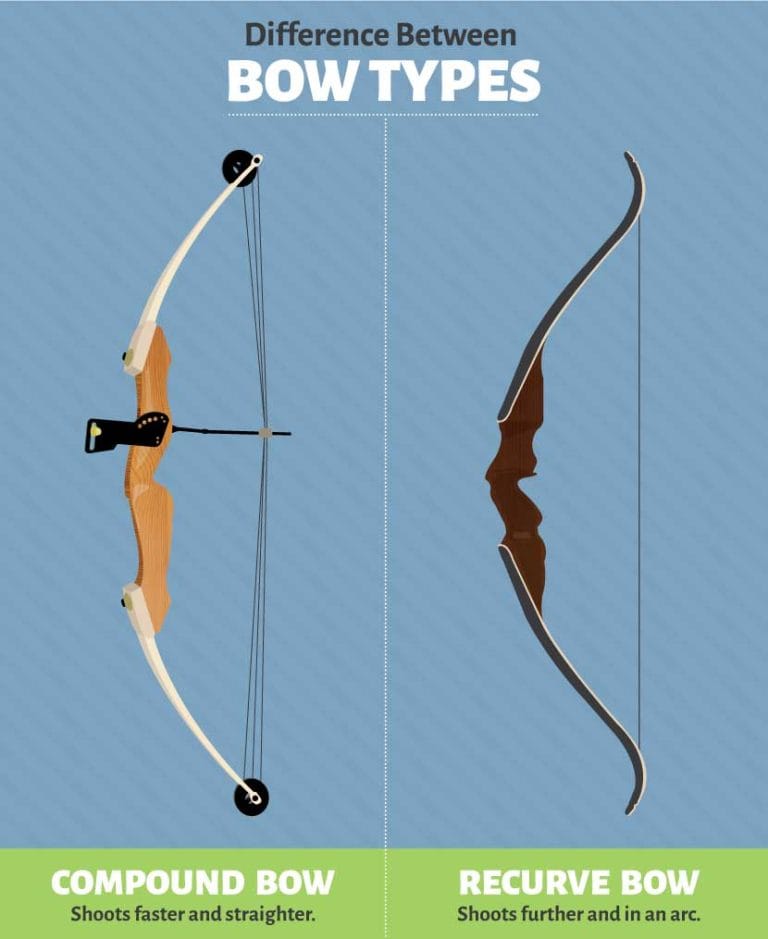
It’s easy to confuse recurve bows with other styles, especially if you’re new to archery. Here’s a closer look at how recurve bows differ from longbows and compound bows.
Recurve Vs Longbow
The longbow is a straight, tall bow with a simple, classic shape. It was popular in medieval England, famous for its use at the Battle of Agincourt. While powerful, longbows are usually taller than the user and require more strength to draw. They lack the energy efficiency of a recurve.
Recurve bows, by bending away at the tips, can pack more power into a shorter frame. This makes them better for shooting from horseback or in dense forests.
Recurve Vs Compound Bow
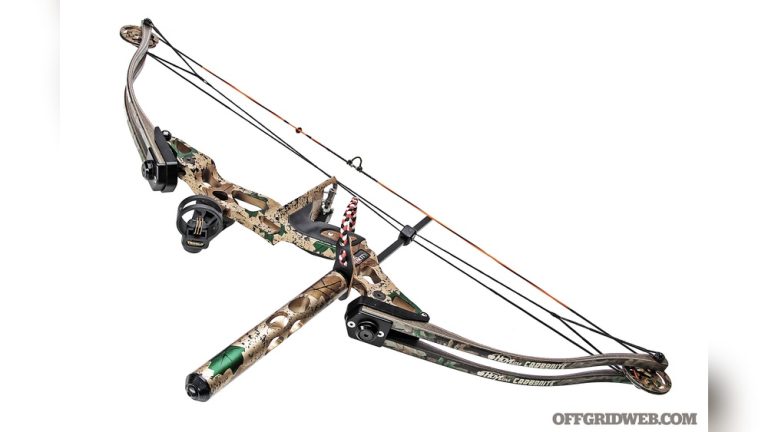
Compound bows use pulleys and cables to “let off” weight at full draw, making them easier to aim for long periods. They’re a modern invention, first developed in the 1960s.
In contrast, recurve bows have a simpler mechanism and require more traditional shooting skill. They’re lighter, easier to maintain, and allowed in more types of competition.
Here’s a quick comparison:
| Feature | Recurve Bow | Longbow | Compound Bow |
|---|---|---|---|
| Shape | Curved limbs | Straight limbs | Complex cams & pulleys |
| Age | 3,000+ years | 2,000+ years | ~60 years |
| Materials | Wood, composites, synthetics | Wood | Aluminum, carbon, synthetics |
| Use in Olympics | Yes | No | No |
Why Do Recurve Bows Endure?
If recurve bows are so old, why are they still used today? The answer is simple: their design works. Over thousands of years, the recurve bow has proven itself in every setting, war, hunting, sport, and tradition.
Balance Of Power And Control
The recurve shape gives an ideal mix of power and control. Archers can shoot accurately at long distances, but the bow is still small enough for easy handling. This is why it’s the only bow allowed in the Olympics.
Ease Of Use And Maintenance
Unlike compound bows, recurve bows have fewer parts to break or adjust. They can be repaired with simple tools and are less sensitive to temperature and humidity than ancient composites.
Cultural Value
In many cultures, recurve bows are more than just tools, they’re symbols of heritage and pride. Traditional archery is still practiced from Korea to Hungary, keeping skills and stories alive.
Example: In my experience shooting both modern and traditional recurve bows, the sense of connection to history is powerful. Drawing a recurve bow feels like joining a long line of archers stretching back through time.

Credit: classic-bow.com
Modern Uses Of Recurve Bows
You might be surprised to learn how many people use recurve bows today. Their popularity has grown in sports, hunting, and even movies and TV.
Olympic And Competitive Archery
The Olympic recurve is a special type of recurve bow built for maximum precision. Archers in the Olympics use stabilizers, sights, and advanced materials, but the basic shape remains ancient.
National and international competitions, from the World Archery Federation to local clubs, often use recurve bows for their balance of skill and tradition.
Bowhunting
Some hunters prefer recurve bows for the challenge. They require closer shots and careful practice, making every hunt a test of skill. Many states and countries allow bowhunting seasons, and recurve bows are a common choice for both big and small game.
Recreation And Historical Reenactment
Recurve bows are popular in archery clubs, summer camps, and reenactment groups. Their classic look and feel make them ideal for those who want to experience history firsthand.
Movies, Tv, And Pop Culture
Characters like Katniss Everdeen in “The Hunger Games” or Legolas in “The Lord of the Rings” have brought recurve bows back into the spotlight. This has inspired many new archers to try traditional shooting.
Are Old Recurve Bows Still Usable?
Many antique recurve bows are still around, hanging in museums or private collections. But are they still usable for shooting?
Safety And Condition
Old bows made from natural materials, especially horn and sinew, can become brittle over time. Moisture and age may cause them to crack or lose strength. Shooting an antique bow without proper inspection can be dangerous.
However, some well-preserved bows, especially those made in the 20th century with laminated wood and fiberglass, can still be safely shot. Always have an expert check any old bow before using it.
Collecting And Restoration
Collectors value recurve bows from famous makers or with unique designs. Restoring old bows is a skilled art, sometimes blending old and new materials to bring them back to life. But for most people, a modern recurve offers the best mix of safety and performance.

Credit: classic-bow.com
Recurve Bows Around The World
The recurve bow’s story is global. Each region adapted the basic design to suit its own needs.
Asia
- Mongolian bows: Short, powerful, made for horseback.
- Korean bows: Compact, high draw weight, key in national identity.
- Chinese bows: Varied styles, used in both war and ceremony.
Middle East
- Turkish bows: Famous for flight shooting, breaking world records for arrow distance.
- Persian bows: Elegant, composite construction, used by cavalry.
Europe
- Hungarian bows: Influenced by steppe nomads, used in modern traditional archery.
- Greek and Roman bows: Used by both infantry and cavalry, sometimes recurve, sometimes straight.
Africa And The Americas
Recurve designs also appeared among indigenous peoples, though less commonly than straight bows. In North America, recurve bows became popular in the 20th century for hunting and sport.
Common Misconceptions About Recurve Bows
Even experienced archers sometimes misunderstand recurve bows. Let’s clear up some myths.
“recurve Bows Are Obsolete”
Some believe that modern compound bows or even firearms have replaced recurve bows. In reality, recurve bows are still the standard for Olympic competition and are widely used in sport and recreation.
“all Old Bows Are Recurve Bows”
Not every ancient bow is a recurve. Many cultures used straight self-bows or longbows. The recurve design is special because of its efficiency, not just its age.
“recurve Bows Are Harder To Use”
For beginners, recurve bows can actually be easier to learn than longbows because of their manageable size and smooth draw. The challenge comes with mastering form and consistency.
“modern Recurve Bows Aren’t Traditional”
Some people think only wooden, hand-crafted bows count as “traditional. ” In fact, many Olympic and hunting recurve bows use both modern materials and classic shapes, blending past and present.
The Future Of Recurve Bows
Will recurve bows fade away as technology advances? All signs suggest the opposite. Their mix of history, skill, and sport keeps them relevant.
Youth And Education
Archery programs for young people often start with recurve bows. They’re safe, affordable, and teach important lessons in focus and discipline.
Innovation
Manufacturers continue to improve recurve bows with new materials and ergonomic designs. These changes make archery more accessible and enjoyable for everyone.
Preservation Of Heritage
Traditional archery clubs and cultural festivals keep recurve bow techniques alive. In some regions, like Korea and Hungary, archery is considered a national treasure.
If you want to see how recurve bows are still celebrated, check out the information on the Wikipedia page on recurve bows.
Frequently Asked Questions
How Can You Tell If A Bow Is A Recurve Bow?
A recurve bow has limbs that curve away from the archer at the tips when unstrung. This shape is the main way to identify a recurve bow. If the tips curve back toward the target, you’re looking at a recurve.
Are Recurve Bows Good For Beginners?
Yes, recurve bows are often recommended for beginners because they are simple to use, easy to maintain, and help new archers develop good shooting habits. Many archery programs use recurve bows for basic training.
What Is The Average Lifespan Of A Recurve Bow?
With proper care, a modern recurve bow made from synthetic materials can last for decades. Regular inspection, string replacement, and dry-fire avoidance (never shooting without an arrow) will extend its life. Antique bows may not last as long, especially if made from natural materials.
Can Recurve Bows Be Used For Hunting Large Animals?
Yes, recurve bows with sufficient draw weight are used for hunting large animals like deer or elk. Hunters must practice to ensure ethical shots, as rec