Are Recurve Bow Limbs Interchangeable? What You Need to Know
For many archers, the excitement of customizing a recurve bow is a big part of the journey. Whether you are a beginner or an experienced competitor, you may wonder: Are recurve bow limbs interchangeable? This question is more than just about convenience, it touches on safety, performance, and getting the most value from your equipment. Understanding limb compatibility can help you upgrade, repair, or experiment without risking damage to your bow or your shooting experience.
Swapping limbs is not always simple. Different brands, limb attachment systems, and even production years can mean the difference between a perfect fit and a costly mistake. This article gives you clear, practical advice on how recurve bow limbs work, the systems used, what is interchangeable, and what to check before making a change.
You’ll find helpful tables, real-world examples, and expert tips that go beyond the basics. If you want to improve your archery setup or simply avoid costly errors, this guide is for you.
The Basics Of Recurve Bow Construction
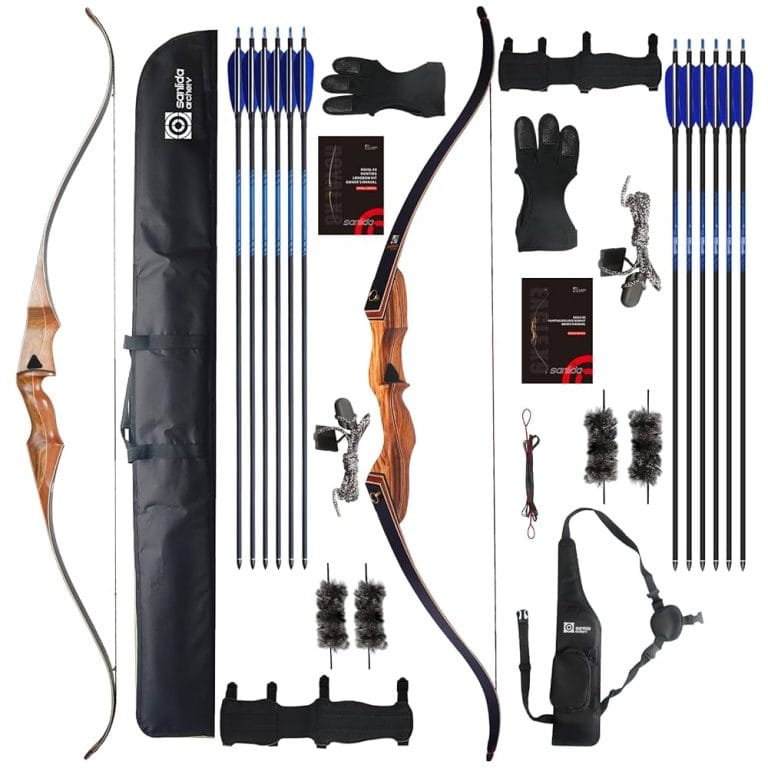
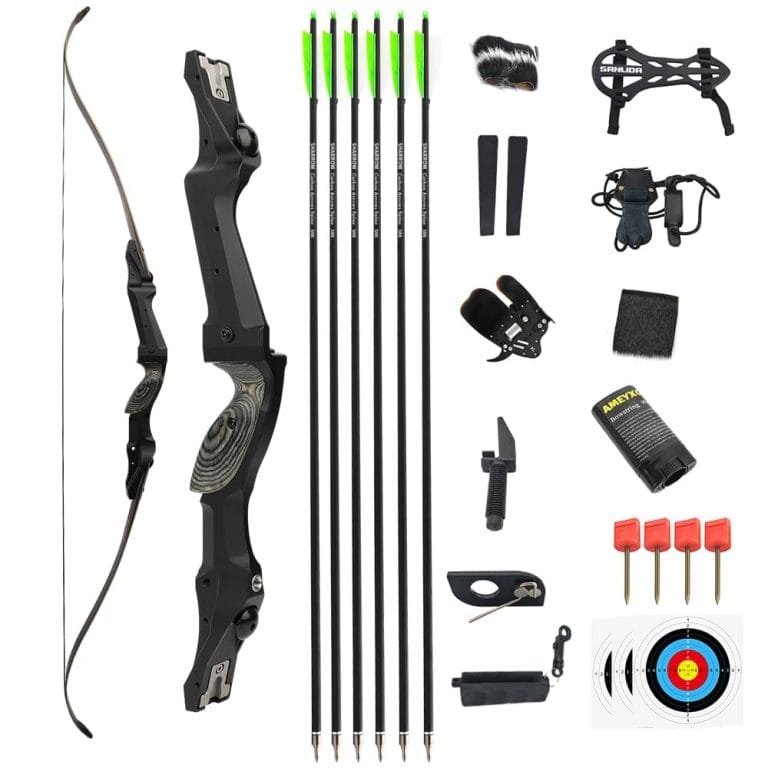
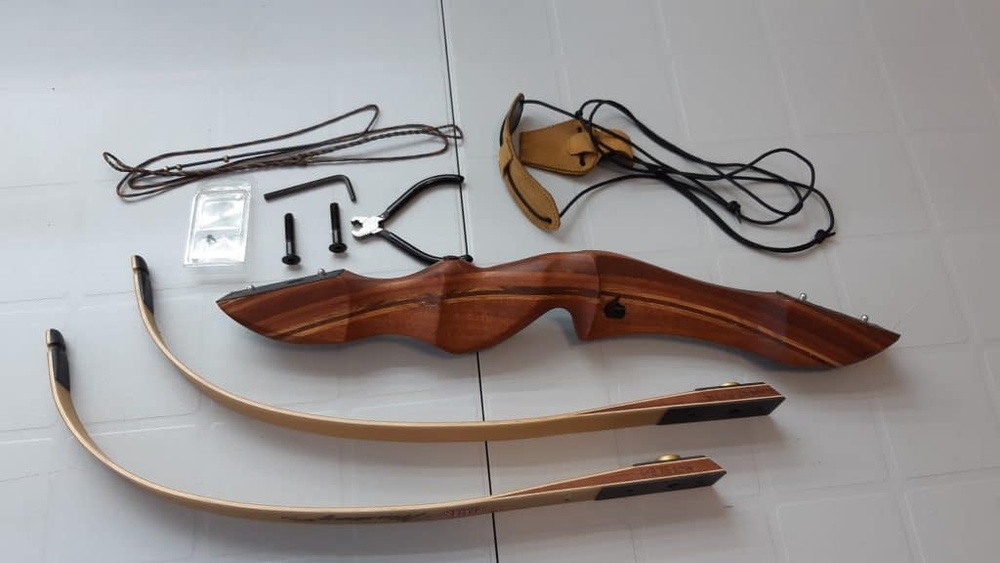
A recurve bow is made of three main parts: the riser, the limbs, and the string. The riser is the central part you grip, usually made from aluminum, wood, or carbon. Limbs attach to the riser and provide the power for shooting arrows, flexing as you draw and releasing energy when you shoot.
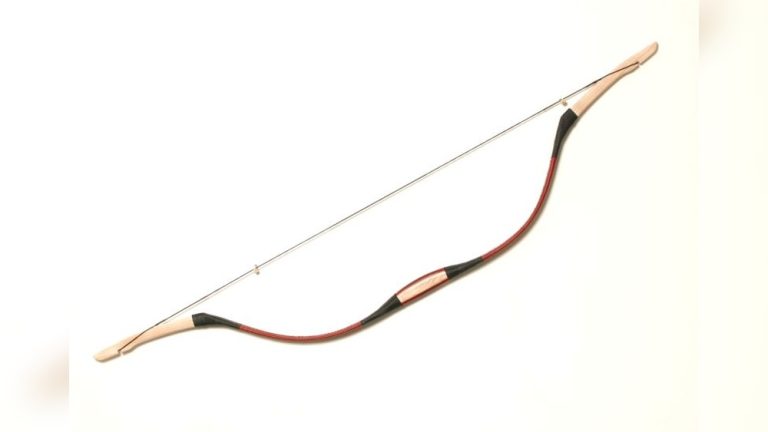
Modern recurve bows, especially those used in target archery, are often take-down bows. This means the limbs can be removed from the riser for transport or replacement. Many traditional recurve bows, however, have fixed limbs. On these, the limbs are glued or permanently attached, so swapping is impossible without professional help.
When people ask about limb interchangeability, they are almost always referring to take-down recurve bows.
Why Swap Limbs?
There are several reasons why you might want to change the limbs on your recurve bow:
- Upgrading draw weight: As you get stronger, you may want more powerful limbs.
- Changing limb material: Moving from wood to carbon or fiberglass for better performance.
- Repair or replacement: Damaged limbs can be swapped without buying a whole new bow.
- Experimenting: Some archers test different limb brands or profiles to find their favorite setup.
Swapping limbs can be a cost-effective way to improve your bow, but only if you choose compatible parts.
Types Of Limb Attachment Systems
Not all recurve bows use the same method to attach limbs to the riser. Understanding these systems is key to knowing if limbs are interchangeable.
Ilf (international Limb Fitting) System
The ILF system is the most common standard for interchangeable recurve limbs. ILF risers and limbs are made to fit each other, regardless of brand in most cases.
- How it works: The limb has a dovetail fitting at the base and two flat “ears” that slide into matching pockets on the riser. A spring-loaded plunger holds the dovetail in place.
- Advantages: Most ILF limbs and risers are cross-compatible, making upgrades and replacements simple.
- Brands that use ILF: Hoyt, Win & Win, Samick, and many more.
Example: If you have a Win & Win ILF riser, you can usually use Hoyt ILF limbs with it.
Proprietary Attachment Systems
Some brands use their own unique limb fitting designs. The most famous is the Hoyt Formula System.
- Hoyt Formula: Uses a longer dovetail and a different angle compared to ILF. Formula limbs only fit Formula risers, not ILF risers.
- Older proprietary systems: Some older bows (especially from the 1990s or earlier) use unique attachments, making limb replacement difficult or impossible with modern limbs.
Bolt-on And Screw-in Systems
Some entry-level or hunting recurve bows use simple bolt-on or screw-in limb systems. The limbs are attached with large bolts through the riser.
- Compatibility: Often, only limbs from the same brand or even the same model will fit.
- Limitation: These are less standardized than ILF and rarely cross-compatible.
Comparing Limb Attachment Systems
Here’s a quick comparison of common limb attachment types:
| System | Brands | Interchangeability | Typical Use |
|---|---|---|---|
| ILF | Hoyt, Win & Win, Samick, more | High (cross-brand) | Target, Olympic, advanced recurve |
| Formula | Hoyt | Only within Formula system | High-end target recurve |
| Bolt-On | Various entry brands | Low (often model-specific) | Beginner, hunting recurve |
| Fixed | Traditional brands | None (non-removable) | Traditional recurve |
Pro Tip: If you want the most flexibility for upgrades and repairs, choose an ILF system recurve bow.
Factors That Affect Limb Interchangeability
Even within the same attachment system, several factors can affect whether limbs will fit and work correctly.
Limb Length
Recurve limbs come in different lengths, usually labeled Short, Medium, or Long. The final bow length depends on both the riser and the limb length.
- A 25-inch riser with long limbs typically makes a 70-inch bow.
- Mixing a short riser with long limbs or vice versa changes the draw experience.
While you can mix and match limbs of different lengths (if the attachment fits), you must understand how this changes the feel and performance.
Draw Weight
Every limb is marked with a draw weight, the force required to pull the string to a given draw length, often 28 inches. Putting different limbs on a riser changes the bow’s power.
- If you switch to heavier limbs, you’ll need more strength.
- Too light limbs may not meet competition minimums.
Limb Alignment And Tiller
Some risers allow you to adjust limb alignment and tiller (the balance of tension between the top and bottom limb). If you mix limbs from different brands, slight differences in manufacturing can affect how well the limbs line up or balance.
- Misaligned limbs can hurt accuracy and safety.
- Tiller adjustments may be needed for different limb profiles.
Limb Pocket Depth And Width
While ILF standardizes the dovetail and fitting, not all risers and limbs are machined to the exact same tolerances. A limb that is too tight or loose in the pocket may not be safe.
- Some low-cost limbs or risers may not meet ILF specs perfectly.
- Always check fit before use.
Cosmetic And Material Differences
Mixing limbs from different brands or generations can result in a mismatched look or feel. Some archers care about aesthetics as much as performance.
- Carbon, wood, and fiberglass limbs all behave differently.
- Older limbs may not match new risers in finish or materials.
The Process Of Swapping Recurve Limbs
Changing limbs is usually a simple process, but there are important steps to ensure safety and performance.
- Unstring the bow: Never try to remove limbs with the string attached.
- Loosen limb bolts or release levers: Depending on your system, unscrew or release the mechanism holding the limbs.
- Remove limbs: Pull the limb free from the riser, being careful not to force or twist.
- Inspect new limbs: Check for cracks, warping, or manufacturing defects before installation.
- Attach new limbs: Insert and secure limbs according to your riser’s instructions.
- Check alignment and tiller: If your riser has adjustment features, make sure the new limbs are straight and balanced.
- String the bow and test: Use a stringer tool for safety. Draw the bow slowly to check for smoothness and proper function.
Warning: Never mix limbs and risers of different attachment systems (e.g., ILF limb on a Formula riser). This can damage equipment or cause injury.
Real-world Compatibility Examples
To show how limb compatibility works in practice, here are a few typical scenarios:
Scenario 1: Upgrading With Ilf Limbs
You own a Samick Discovery ILF riser with Samick limbs. You want to try Win & Win carbon limbs for better speed.
- Compatibility: Both are ILF, so fitting is usually straightforward.
- Consideration: The limb pocket depth may be slightly different; check alignment after installation.
Scenario 2: Attempting To Fit Formula Limbs To Ilf Riser
You bought a set of Hoyt Formula limbs, but your riser is a standard ILF.
- Result: The Formula limbs will NOT fit. The dovetail is longer and at a different angle.
- Solution: Only use Formula limbs with Formula risers.
Scenario 3: Mixing Bolt-on Limbs From Different Brands
You have a PSE Nighthawk recurve with bolt-on limbs and buy replacement limbs from another entry-level brand.
- Compatibility: Likely will not fit correctly. Bolt holes and limb widths often differ between brands.
- Solution: Buy limbs made for your exact bow model.
Scenario 4: Using Older Limbs With Modern Risers
You find vintage recurve limbs in good shape and want to use them on a new riser.
- Risk: Older limbs may use outdated attachment systems or measure draw weight differently.
- Advice: Only attempt if you can confirm the attachment system and inspect for material safety.
Common Mistakes When Swapping Limbs
Switching limbs can be rewarding, but there are pitfalls to avoid:
- Assuming all limbs fit all risers: Even with ILF, tolerances and specs can vary.
- Ignoring draw weight changes: Heavier or lighter limbs will change your shooting and may not be safe for your arrows.
- Forgetting to check alignment: Poor alignment can cause erratic shots or damage.
- Skipping inspection: Used or low-quality limbs may have hidden cracks.
- Failing to adjust tiller and brace height: A new set of limbs often requires retuning your bow for best results.
Pro Tip: When buying used limbs, ask for close-up photos of limb ends and check for cracks or separation.
Benefits And Drawbacks Of Interchangeable Limbs
Benefits
- Cost-effective upgrades: Improve your setup without buying a whole new bow.
- Easy repairs: Replace broken or worn limbs quickly.
- Customization: Try different limb materials, lengths, or brands.
- Travel convenience: Take-down bows are easy to pack and transport.
Drawbacks
- Compatibility confusion: Many systems and brands complicate the process.
- Potential for poor fit: Slight mismatches can affect performance or safety.
- Need for tuning: Each limb change may require realignment and tuning work.
How To Choose The Right Limbs For Your Riser
If you want to swap or upgrade your recurve limbs, here are the most important things to check:
- Attachment system: Confirm ILF, Formula, bolt-on, or other type.
- Riser length: Know if your riser is 23, 25, or 27 inches (or another size).
- Desired bow length: Combine riser and limb length for your ideal setup.
- Draw weight: Match your strength and shooting needs.
- Material: Carbon, fiberglass, wood, or hybrid, each has unique characteristics.
- Brand compatibility: While ILF is most flexible, some brands have tighter tolerances than others.
Limb Size And Bow Length Reference
Here’s a typical chart for combining riser and limb sizes:
| Riser Size | Short Limbs | Medium Limbs | Long Limbs |
|---|---|---|---|
| 23″ | 64″ | 66″ | 68″ |
| 25″ | 66″ | 68″ | 70″ |
| 27″ | 68″ | 70″ | 72″ |
The final bow length can affect draw smoothness, speed, and comfort.
Tuning And Safety Tips After Swapping Limbs
Once you’ve installed new limbs, there are a few steps you should always take:
- Check brace height: The distance from the string to the deepest part of the grip. Each limb set may need a different brace height for best performance.
- Paper tune: Shoot arrows through paper to check for clean arrow flight.
- Inspect after first shots: Listen for cracks, creaks, or other signs of stress.
- Test draw weight: Use a scale to confirm the new limbs are within your strength range.
Warning: If you feel excessive vibration or see limb twist, stop using the bow immediately and consult a pro shop.
The Future Of Recurve Limb Compatibility
Archery equipment manufacturers are slowly moving toward more universal standards, but proprietary systems remain common, especially in high-end competition bows. The ILF system is the closest thing to a universal recurve limb fit, and most experts recommend it for anyone who values flexibility and upgrade options.
Example: Many Olympic archers use ILF risers and limbs, swapping brands to find the perfect fit for their shooting style.
If you’re buying your first recurve bow or planning major upgrades, consider the long-term benefits of choosing an ILF setup. You’ll have access to the widest range of limbs, risers, and accessories.
Frequently Asked Questions
How Can I Tell If My Recurve Bow Uses The Ilf System?
Look for a dovetail fitting at the base of each limb and two flat tabs that slide into the riser. The limb should click or snap into place with a small spring-loaded plunger. If your limbs attach with large bolts or have a different locking system, it’s likely not ILF.
Check your bow’s manual or ask your dealer if you’re unsure.
Is It Safe To Use Second-hand Limbs On My Recurve Riser?
Yes, if the attachment system matches and the limbs are free from cracks