Do You Need Feather Fletching on a Recurve Bow Arrow?
If you have ever watched an arrow soar from a recurve bow, you may have noticed the small, colorful feathers at the end. These are called fletchings, and they play a bigger role than most beginners realize. But do you actually need feather fletching for your recurve bow? Or are there other options that work just as well, or better? This question is common for both new and experienced archers. Whether you shoot for fun, competition, or hunting, understanding the true role of fletching will help you make better choices and shoot more accurately.
Let’s break down the world of feather fletching, bust some myths, compare it with other materials, and give you the real answers. By the end, you’ll know if feather fletching is necessary for your recurve bow, when it’s the best option, and what to use if it’s not.
What Is Feather Fletching?
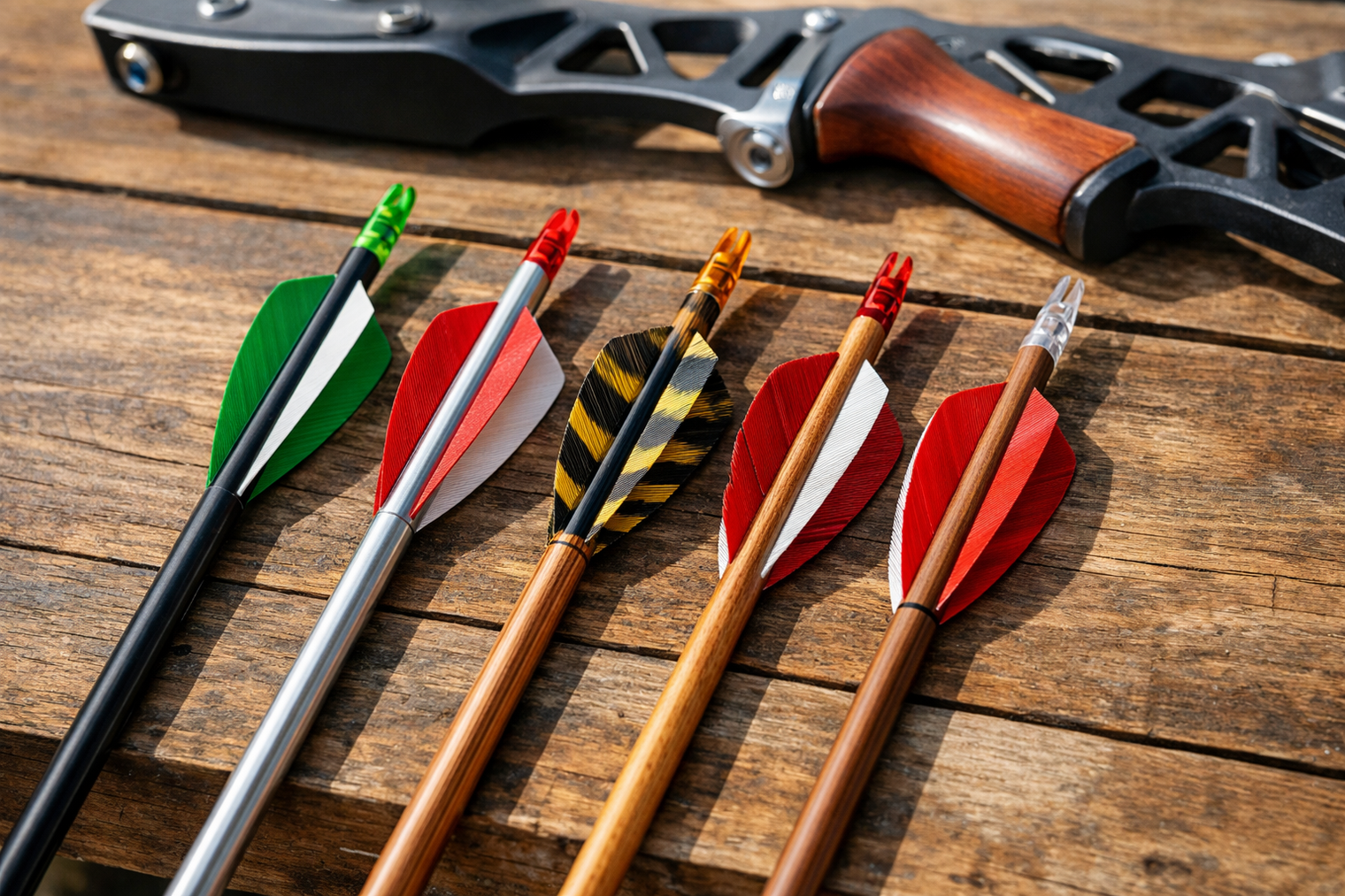
Feather fletching refers to the use of real bird feathers, usually from turkeys, glued to the end of an arrow. These feathers are not just for looks. They help stabilize the arrow during flight, making it spin slightly and fly straighter. Most traditional archers recognize the classic look and feel of feather fletching, but not everyone knows why feathers have been used for centuries.
Feathers are cut into specific shapes (like parabolic or shield cut) and sizes. The most common length is 4 inches, but you can find feathers from 2 to 5 inches long. The cut and length affect arrow speed, stability, and noise.
Why are feathers so popular? They are light, flexible, and offer excellent arrow guidance. Even if a feather hits the bow’s riser or a rest, it compresses and rebounds instead of deflecting the arrow wildly. This feature is especially important on traditional recurve bows, which often have less clearance than modern compound bows.
How Fletching Affects Arrow Flight
Every archer should understand the science behind fletching. The fletching’s main job is to stabilize the arrow by creating drag and a small amount of spin (like a football in a spiral throw). Without fletching, arrows can wobble, veer off course, or tumble.
Here’s what happens when an arrow is shot:
- The arrow leaves the string with some vibration and flex (called archer’s paradox).
- Fletching quickly corrects the arrow’s flight, helping it recover from the flex and fly straight.
- The spin keeps the arrow’s point in line, making your shots more accurate.
Feather fletching is especially good at this job because:
- Feathers are light: Less weight at the arrow’s end means faster speed.
- Feathers grip the air well: They create more drag than plastic vanes, which helps stabilize arrows quickly.
- They recover from contact: If a feather brushes the bow, it bends instead of causing a wild miss.
But are feathers always the best choice? Let’s look deeper.
Credit: legendarchery.com
Feather Fletching Vs. Plastic Vanes
The main alternative to feather fletching is plastic vanes. Both serve the same purpose, but they have important differences. To help you compare, here’s a breakdown in a simple table:
| Feature | Feather Fletching | Plastic Vanes |
|---|---|---|
| Material | Natural bird feather | Synthetic plastic |
| Weight | Lighter | Heavier |
| Flight Recovery | Excellent | Good |
| Contact Resilience | Bends and recovers | Can cause arrow to veer |
| Weather Resistance | Poor when wet | Excellent in all weather |
| Noise | Quieter | Can be noisier |
| Durability | Less durable | Very durable |
Feather fletching offers quieter shots, lighter weight, and better flight recovery, especially if the arrow touches the bow riser or shelf. Plastic vanes, however, are tougher and unaffected by rain or humidity. They’re common in modern archery because they last longer and perform consistently in all weather.
Pro Tip: If you shoot off the shelf (traditional style, with the arrow resting directly on the bow), feathers are more forgiving. If you use an arrow rest or shoot in wet conditions, vanes may be better.
When Do You Really Need Feather Fletching?
The answer depends on how and where you shoot. Here are the main situations where feather fletching is especially useful, or even necessary:
1. Traditional Recurve Archery
If you use a traditional recurve bow and shoot off the shelf, feathers are usually the best option. The arrow often brushes against the bow as it leaves. Feathers collapse and spring back, while vanes can kick the arrow off course.
2. Finger Release (no Mechanical Release Aid)
With finger release, the arrow flexes more. Feathers help stabilize these arrows quickly, making your shots more accurate. Many top-level traditional archers use only feather fletching for this reason.
3. Indoor Target Shooting
Indoor ranges are dry, so wet weather is not a problem. Feathers give you the quietest, most consistent flight. They also help correct minor mistakes, which is helpful for beginners.
4. Bowhunting With Recurve Bows
Hunters often need arrows that recover quickly and fly quietly. Feather fletching is less noisy than vanes and helps stabilize broadhead-tipped hunting arrows, which can be tricky to control.
5. Arrows With Large Broadheads
Feathers create more drag, which helps keep the heavy, wide broadhead flying straight. This is important for hunting, where accuracy means everything.
When Are Feathers Not Needed?
While feather fletching is great in many cases, there are situations where it’s not needed or even ideal:
- Wet or Humid Conditions: Feathers get heavy and lose shape when wet, which can ruin arrow flight. Plastic vanes do not have this problem.
- Shooting with an Arrow Rest: If your recurve bow has a modern arrow rest that lifts the arrow away from the riser, vanes work just as well as feathers.
- Compound Bows: Most compound archers use vanes, as the arrow path is more controlled and mechanical releases are common.
- Youth and Beginner Arrows: For absolute beginners or kids, vanes are more durable and less likely to break.
Example: During a rainy 3D shoot, I watched several archers struggle as their feather fletching became soggy and collapsed. Their groups opened up, and accuracy dropped. The archers with vanes kept shooting tight groups.
How To Choose The Right Fletching For Your Recurve Bow
Your ideal fletching depends on your bow setup, shooting style, and environment. Consider these key factors:
Arrow Rest Type
- Off the Shelf: Go with feather fletching for the best forgiveness.
- Plunger/Arrow Rest: Both vanes and feathers can work, but vanes are more durable.
Shooting Conditions
- Dry, indoor, or fair weather: Feathers excel.
- Rain, snow, high humidity: Vanes hold their shape and weight.
Arrow Shaft Material
- Wooden Arrows: Feathers are traditional and match the feel.
- Carbon/Aluminum Arrows: Both vanes and feathers work; choose based on conditions.
Type Of Point Or Broadhead
- Field Points: Either works fine.
- Large Broadheads: Feathers help with control and stabilization.
Skill Level
- Beginners: Vanes are low maintenance.
- Intermediate/Advanced: Feathers offer subtle performance benefits, but require more care.

Credit: www.reddit.com
Pros And Cons Of Feather Fletching
It’s important to see both sides before making your choice. Here’s a summary:
Pros
- Lightweight: Increases arrow speed.
- Forgiving: Bounces back from contact.
- Quieter: Less noise, great for hunting.
- Tradition: Matches the look and feel of traditional archery.
Cons
- Affected by Water: Loses shape and weight when wet.
- Less Durable: Can tear or wear out.
- Needs Care: Feathers need to be dried and kept in good shape.
Non-obvious Insights
- Feather orientation matters. The helical (twisted) fletching gives more spin, while straight fletching is quieter but less stable. Many beginners miss this detail.
- Feather size is not “the bigger, the better.” Too large increases drag and slows your arrow, while too small gives less stability.
How To Maintain Feather Fletching
If you choose feathers, proper care is important. Here’s how to keep them working well:
- Dry them after rain: Store arrows in a dry place.
- Fluff them up: Use steam (from a kettle) to reshape flattened feathers.
- Check for damage: Replace torn feathers right away.
- Use powder or waterproof spray: Some archers treat feathers with waterproofing products.
Installing Feather Fletching: What To Know
Many archers like to fletch their own arrows. Here are the basics:
- Choose the right feathers: Match the length and cut to your arrow type.
- Use a fletching jig: This tool helps you glue feathers in the perfect position.
- Use the right glue: Fast-drying adhesives work best.
- Set a helical or offset angle: This creates spin for stability.
Pro Tip: When fletching, clean the arrow shaft before gluing to avoid fletching failure during flight.
Cost Comparison: Feathers Vs. Vanes
Budget matters, especially if you shoot a lot. Here’s how the costs compare:
| Fletching Type | Average Cost per 12 | Durability |
|---|---|---|
| Feather Fletching | $6 – $12 | Lower (may need more frequent replacement) |
| Plastic Vanes | $3 – $8 | Higher (last longer) |
Feathers cost a bit more and need replacing more often. Vanes are cheaper and more durable, but may sacrifice some performance in traditional setups.
Environmental Impact
Many archers care about their impact on the environment. Feathers are biodegradable and come from natural sources. Plastic vanes, while durable, are not eco-friendly. If you care about reducing waste, feathers are the better choice.
What Do Experts Use?
Top-level traditional archers and Olympic recurve shooters often choose different fletching:
- Traditional tournaments: Feathers are standard, especially for wood arrows.
- Olympic recurve (with rests): Plastic vanes are common for consistency and weather resistance.
Every expert adapts to their setup and conditions, but you’ll see feathers on almost every traditional recurve at club shoots.
Common Beginner Mistakes With Fletching
Many newcomers make these errors:
- Wrong size or shape: Oversized feathers slow arrows; wrong cut can cause unstable flight.
- Poor glue or placement: Loose fletching affects accuracy.
- Ignoring weather: Shooting feathers in rain without protection leads to bad performance.
- Not checking clearance: If the fletching hits the bow, accuracy suffers.
Pro Tip: Always spin your arrow on a flat surface. If it wobbles, check your fletching for damage or misalignment.
Should You Switch To Feathers?
If you shoot a traditional recurve bow with finger release and want maximum forgiveness, feather fletching is usually the best option. However, if you often shoot in wet weather, use a modern arrow rest, or want arrows that last a long time, plastic vanes are a strong alternative.
The best approach? Try both and see what works for your setup and skill level. Most experienced archers test different fletching types before settling on a favorite.
Practical Tips For New Archers
- Buy sample packs: Many shops sell arrows with both feather and vane fletching. Try both.
- Ask club members: Watch what experienced traditional archers use.
- Check your bow setup: The shelf/rest and your release style matter most.
- Practice in different weather: Notice changes in arrow flight and accuracy.
The Bottom Line: Do You Need Feather Fletching?
You do not always need feather fletching for a recurve bow, but it offers clear benefits for traditional archery, finger release, and hunting. Feathers provide better forgiveness, lighter weight, and quieter shots, ideal for classic recurve shooters. For those using a modern rest, shooting in bad weather, or needing more durable arrows, plastic vanes are a fine choice.
In my experience, there is no single “right” answer. The best fletching is the one that matches your bow, your style, and your shooting environment. If you value tradition, care about eco-friendliness, and shoot off the shelf, feathers are hard to beat.
For more details on fletching and arrow setup, you can visit the Wikipedia Fletching page.
Frequently Asked Questions
What Is The Best Length For Feather Fletching On A Recurve Bow?
The most popular length is 4 inches, which balances stability and speed for most recurve bows. If you shoot heavier arrows or broadheads, try 5-inch feathers for extra control. For lighter setups or target shooting, 3-inch feathers can give more speed with enough guidance.
Can You Waterproof Feather Fletching?
Yes, you can buy sprays designed to make feathers water-resistant. These sprays help, but don’t make feathers completely waterproof. Some archers also dust their feathers with powder or carry a small towel to dry them during rain. If you shoot often in wet weather, plastic vanes are a better option.
Are There Vegan Alternatives To Feather Fletching?
Yes,