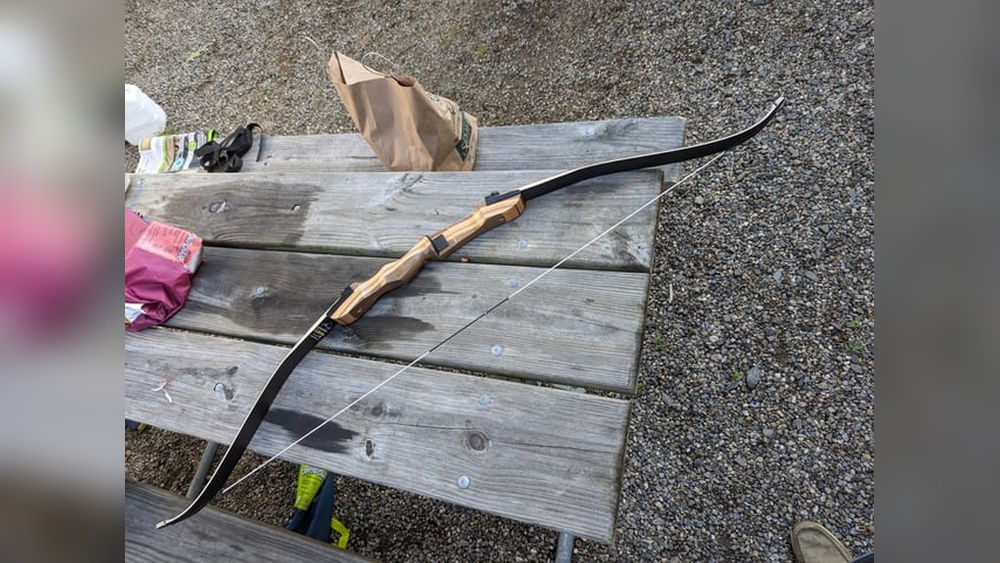
Do You Need Feathered Arrows for a Recurve Bow? Expert Guide
Archery connects us to thousands of years of human history, but the tools have changed a lot. If you shoot a recurve bow, you might wonder whether your arrows need feathers. It’s a detail that can confuse both new and experienced archers. Some insist on feathered arrows, while others prefer plastic vanes or even bare shafts. So, do you actually need feathered arrows for a recurve bow? The answer depends on what you shoot, your goals, and a bit of science.
This article looks at how feathered arrows work, their benefits and drawbacks, and how they compare to other fletching types. We’ll also cover when you really need them, when you don’t, and practical advice based on real experience. Whether you shoot for fun, hunting, or competition, you’ll find clear answers here.
The Basics Of Arrow Fletching
Before deciding if you need feathered arrows, it’s important to understand arrow fletching. Fletching refers to the small wings or vanes at the back of the arrow. Their main job is to stabilize the arrow during flight, making it fly straighter and hit the target more accurately.
There are two main types:
- Feathers: Usually from turkey feathers, traditional and very light.
- Plastic vanes: Modern, durable, and waterproof.
The fletching’s design, material, and placement all affect how your arrow flies. For recurve bows, these details matter because the arrow has to flex around the bow (called the archer’s paradox) and recover quickly for good accuracy.
Why Feathers Are Popular For Recurve Bows
Feathers aren’t just about tradition or looks. They have special advantages, especially for traditional and barebow recurve shooters.
Quick Arrow Stabilization
Feathers are very light and flexible. When an arrow is shot, feathers help it recover from flexing faster than plastic vanes. This is important for recurve bows, which tend to “kick” arrows off the shelf at an angle. Quick stabilization means your arrow flies true sooner, reducing errors from a poor launch.
Forgiving Arrow Clearance
A big reason many recurve shooters use feathered arrows is clearance. When you release, the back of the arrow passes close to the riser (the bow’s handle). Feathers compress easily if they touch the riser or rest, then pop back into shape. In contrast, plastic vanes can cause the arrow to bounce off course if they hit anything, resulting in less accuracy.
Tradition And Competition Rules
Feathered arrows are required in some traditional competitions. If you shoot in certain leagues or historical events, feathers may be the only legal fletching. Many archers also prefer the classic look and feel of feathers, connecting them to archery’s roots.
Comparing Feathers And Vanes: What’s Really Different?
It’s easy to think feathers are just “old-fashioned vanes,” but the differences are significant. Here’s a direct comparison to help you see what matters.
| Feature | Feather Fletching | Plastic Vanes |
|---|---|---|
| Material | Natural (usually turkey feather) | Synthetic plastic |
| Weight | Very light | Heavier |
| Flexibility | High (compresses easily) | Low (stiffer) |
| Weather Resistance | Poor (loses shape when wet) | Excellent (waterproof) |
| Stabilization | Very quick | Moderate |
| Noise | Louder in flight | Quieter |
| Durability | Less durable (damaged by brush, rain) | Very durable |
| Clearance | Excellent on shelves/rests | Poor on shelves/rests |
| Cost | Usually more expensive | Cheaper |
Key insight: Feathers are best for traditional bows or those shot off the shelf. Vanes are better for modern bows with elevated rests or in wet weather.
When You Need Feathered Arrows For Your Recurve Bow
Some situations almost require feathered fletching for the best results. Here’s when you’ll want them:
Shooting Off The Shelf
Many recurve bows are shot “off the shelf”, the arrow rests directly on the bow’s wooden shelf, not on a plastic or wire rest. Feathers compress and clear this shelf smoothly. If you use plastic vanes here, you’ll often get unpredictable arrow flight, as the vanes hit the shelf and throw the arrow off course.
Pro Tip: If your bow doesn’t have an elevated rest or plunger, always use feathers for best results.
Barebow And Traditional Archery
If you shoot barebow (no sights or stabilizers) or in traditional styles, feathers are almost always the best choice. They forgive small errors and make your arrows fly better, even with imperfect form.
Hunting At Close Range
Feathered arrows stabilize quickly, which is useful for hunting with recurve bows. Fast stabilization means your arrow is accurate at short ranges, where most traditional bowhunters take their shots.
Competition Rules
Some traditional archery contests require feathered arrows. Always check the rules before buying arrows for a tournament.
When Vanes Or Other Fletching Might Work
Feathers aren’t always the best option. Here’s when you might choose vanes:
Shooting With An Elevated Rest
If your recurve bow has a plunger and elevated rest (common in Olympic-style archery), the arrow is lifted off the shelf and has more clearance. Here, plastic vanes work well and you may get more consistent results in wind or rain.
Shooting In Bad Weather
Feathers soak up water and lose their shape. If you shoot outdoors in the rain, vanes keep their shape and work better.
Modern Target Archery
At longer distances, vanes can offer a small advantage in wind resistance and durability. Many Olympic recurve archers use thin plastic vanes for consistency.
Example: In my experience, shooting at 70 meters with vanes in windy weather gave tighter groups than feathers, which moved around more.
What Happens If You Use The Wrong Fletching?
Mixing the wrong fletching with your setup can cause problems. If you use vanes with a shelf or shoot feathers in heavy rain, here’s what you might notice:
- Poor arrow flight: Vanes hitting the shelf can make arrows wobble or veer off.
- Inconsistent accuracy: Wet feathers lose their shape, causing random misses.
- More noise: Feathers are louder, which can spook game while hunting.
- Damage to fletching: Feathers catch on brush and wear out faster if you shoot in rough terrain.

Credit: www.reddit.com
The Science Behind Arrow Stabilization
Why do feathers stabilize arrows so well? It’s about drag and surface area. Feathers create more drag at the back of the arrow, making the front point forward quickly. They also “steer” the arrow, especially when fletched at a slight angle (helical fletching).
Plastic vanes also add drag, but less than feathers. This means the arrow takes a little longer to straighten out. For recurve shooters, especially those shooting off the shelf, fast stabilization is key.
Here’s a quick comparison of stabilization speed:
| Fletching Type | Stabilization Time | Best Use |
|---|---|---|
| Feathers | Very fast | Shelf shooting, traditional bows, hunting |
| Plastic Vanes | Moderate | Elevated rest, wet weather, target archery |
| Spin Vanes | Fast (in long range) | Olympic recurve, competition |
How To Choose The Right Fletching For Your Recurve Bow
Picking between feathers and vanes is about matching your bow, your style, and your needs. Here’s how to decide:
- Check Your Arrow Rest
- If you shoot off the shelf, feathers are best.
- If you have an elevated rest, vanes are fine.
- Consider the Weather
- For outdoor, rainy, or muddy conditions, vanes last longer.
- For dry, fair-weather shooting, feathers perform well.
- Think About Your Purpose
- Hunting and 3D archery: Feathers stabilize quickly.
- Target archery: Vanes may help in wind and at long range.
- Look at Competition Rules
- Some require feathers (especially traditional classes).
- Personal Preference
- Some archers simply shoot better with one or the other.

Credit: www.reddit.com
Practical Tips For Using Feathered Arrows
If you choose feathers, here’s how to get the most out of them:
- Keep them dry: Use a waterproofing spray, or carry a towel to dry feathers if they get wet.
- Repair damage quickly: Replace loose or torn feathers as they affect flight.
- Store carefully: Don’t crush feathers in your quiver or bag.
- Choose the right size: Larger feathers stabilize faster but slow the arrow more. Most recurve shooters use 4-inch feathers for balance.
Pro Tip: If you need to shoot in wet weather, bring a backup set of arrows with vanes or use “feather covers” to keep your fletching dry.
Common Beginner Mistakes (and How To Avoid Them)
Many new recurve shooters run into problems with fletching. Here are mistakes to avoid:
- Using vanes on the shelf: Causes unpredictable flight.
- Not matching spine to fletching: Too stiff or weak arrows won’t stabilize, no matter the fletching.
- Over-fletching: Using feathers that are too big slows the arrow and reduces range.
- Not checking local rules: Some clubs or tournaments require feathers.
- Ignoring weather: Wet feathers can ruin a shoot.
Real-world Examples: Who Uses Feathers, And Why?
Traditional archers almost always use feathers. They value the forgiving nature and fast recovery for wooden bows. Bowhunters often use feathers for quick stabilization and good arrow clearance in close-range shots.
Olympic recurve shooters, on the other hand, use thin plastic vanes or “spin vanes.” Their bows have elevated rests and plungers, so vanes work well and perform better in wind or rain.
Youth and beginner archers may start with vanes if they use inexpensive recurve bows with plastic arrow rests. But as their skills improve, many switch to feathers for better accuracy on traditional setups.
Maintenance And Longevity Of Feathered Arrows
Feathers look great and perform well, but they need more care than vanes. Here’s how to make them last:
- Avoid getting them wet: Water can make feathers stick together and lose shape.
- Fluff them up: If flattened, gently steam over hot water to restore shape.
- Store arrows upright: Prevents crushing or bending feathers.
- Replace worn fletching: Don’t shoot with damaged feathers.
Over time, even well-cared-for feathers will wear out. Plan on re-fletching your arrows every season if you shoot regularly.
Cost Comparison: Feathers Vs. Vanes
Feathers are usually more expensive than vanes. Here’s a rough breakdown:
| Fletching Type | Average Cost per Dozen (USD) | Durability |
|---|---|---|
| Feathers | $5, $12 | Moderate (less in rain/brush) |
| Plastic Vanes | $3, $8 | High |
| Spin Vanes | $12, $20 | Moderate (thin, but for competition use) |
The extra cost of feathers is often worth it for traditional shooters, but budget-conscious archers or those shooting in tough conditions might prefer vanes.
Environmental Impact: Feathers Vs. Synthetics
Feathers are biodegradable and a byproduct of the poultry industry, making them an eco-friendly choice. Plastic vanes, while durable, contribute to plastic waste. For archers who care about their environmental footprint, feathers offer a more sustainable option.
Advances In Fletching Technology
While feathers are traditional, the world of archery fletching keeps evolving. New materials like spin vanes and hybrid vanes are designed to combine the best of both worlds, lightweight, quick stabilization with weather resistance. Some brands even offer waterproof natural feathers, though these are rare and more expensive.
If you like to experiment, try different fletching types and see what feels best for your style and bow. There’s no single answer for everyone.
How To Switch From Vanes To Feathers (or Vice Versa)
Switching fletching is simple but requires some attention. Here’s how:
- Remove old fletching: Use a fletching stripper or sharp knife.
- Clean the shaft: Alcohol wipes remove glue and residue.
- Choose the right glue: Feathers often need special glues (like fletching cement).
- Fletch with care: Use a jig for even placement and consistent helical or straight angles.
- Allow glue to cure: Don’t shoot until fully dry.
If switching to feathers, check arrow flight with a “bare shaft test” to confirm your arrows are tuned for your setup.

Credit: www.mossyoak.com