Are Recurve Bows Considered Lame? Myths and Facts Explained
Are Recurve Bows Considered Lame?
The world of archery is full of opinions, myths, and strong preferences. One question that pops up in forums, clubs, and even casual conversations is: Are recurve bows considered lame? For some, the recurve bow is old-fashioned, overshadowed by modern technology. For others, it’s the heart of true archery, a symbol of skill, tradition, and timeless challenge.
So, why does this question even exist? Part of it comes from social media and pop culture, where compound bows and crossbows often steal the spotlight. But is this fair? Does the recurve bow really deserve a reputation for being boring or outdated?
Let’s explore the facts, opinions, and realities behind this debate. Whether you’re a new archer, a curious observer, or a lifelong fan, this article will clear up misunderstandings and give you a new perspective on the recurve bow.
What Is A Recurve Bow?
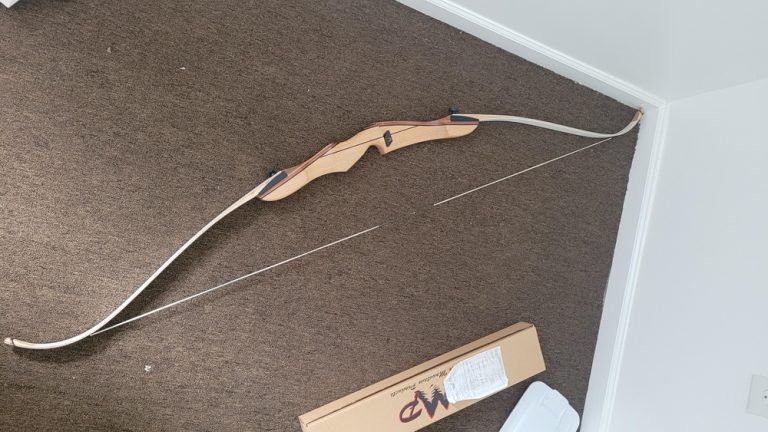
Before judging, it helps to know what we’re talking about. The recurve bow is named for its unique shape: the tips curve away from the archer when the bow is unstrung. This design stores more energy and delivers it more efficiently than a straight-limbed bow.
Key features of recurve bows:
- Limbs that curve outward at the ends, increasing power and speed.
- Simple construction, no wheels or pulleys.
- Can be made from wood, fiberglass, or modern composites.
This style of bow has been used for thousands of years, from ancient Asian warriors to Olympic athletes. The recurve bow is the only type allowed in Olympic archery, highlighting its continued importance.
Why Some People Think Recurve Bows Are “lame”
Let’s be honest: the word lame is subjective. But why do some archers or enthusiasts see recurve bows this way? There are a few common reasons.
Modern Technology Bias
Today’s archery world is full of high-tech gear. Compound bows with pulleys, stabilizers, and sights dominate hunting and sporting events. New archers may see recurves as old-fashioned or simple by comparison.
Pop Culture Influence
Movies and video games often show heroes with high-tech bows or crossbows. When recurve bows do appear, they’re sometimes shown as basic or “starter” equipment.
Perceived Performance Limits
Some believe recurve bows are less powerful, less accurate, or harder to use. This comes from the fact that recurves require more manual skill and don’t have the mechanical advantages of modern bows.
Peer Pressure In Clubs
In many archery clubs or online groups, trends shift quickly. If everyone is talking about the latest compound bow, traditional gear like recurves can feel less “cool. ”
But after a few months, many rediscover the fun and challenge of shooting a recurve.
The Real Value Of Recurve Bows
Are recurve bows really outdated, or do they have unique strengths? Let’s look at what sets them apart.
Simplicity And Skill
The recurve bow is all about archery fundamentals. Without mechanical aids, you must master form, breathing, and focus. This makes success more rewarding. Many archers say hitting the target with a recurve feels more satisfying because it’s truly your skill at work.
Versatility
Recurve bows are used for:
- Target archery (including the Olympics)
- Field archery
- Bowhunting (in legal areas)
- Reenactments and traditional events
Their simple design means they’re easy to transport, repair, and customize. You can change the limbs, grip, or string with basic tools.
Accessibility
Recurves are often cheaper to buy and maintain than compound bows. This makes them ideal for beginners or those who want to try archery without a huge investment.
Timeless Appeal
There’s a special charm in using a tool with ancient roots. Many archers feel connected to history when shooting a recurve. The bow’s design is a blend of art and engineering that has stood the test of time.

Credit: thewestendmuseum.org
Recurve Vs. Compound Vs. Crossbow: How Do They Compare?
To understand why recurve bows are sometimes called lame, it helps to compare them with other popular bow types.
| Feature | Recurve Bow | Compound Bow | Crossbow |
|---|---|---|---|
| Main Use | Target, hunting, tradition | Hunting, target, sport | Hunting, target, tactical |
| Draw Weight | 20, 50 lbs (typical) | 40, 70 lbs (typical) | 100, 200 lbs (typical) |
| Mechanical Aids | No | Yes (cams, pulleys) | Yes (cocking device) |
| Allowed in Olympics | Yes | No | No |
| Learning Curve | Steep (form-focused) | Moderate (tech-focused) | Low (rifle-like aiming) |
| Maintenance | Low | Medium, High | High |
Key Takeaways
- Recurve bows require more skill but offer a purer experience.
- Compound bows make shooting easier but require more tuning.
- Crossbows are powerful but not allowed in many competitions.
Who Uses Recurve Bows?
Despite opinions, recurves are still popular worldwide. Here’s where you’ll find them in action.
Olympic Archery
All archers in the Olympics use recurve bows. This is not by accident, the recurve tests pure skill without mechanical help. Olympic records and championships are set with these bows, showing their continued relevance.
Traditional Archery Communities
Groups who study historical archery or participate in medieval reenactments use recurves for authenticity. These bows connect modern shooters to ancient techniques and styles.
Beginners And Youth Programs
Many starter kits and youth programs use recurve bows. Their light weight and simple design make them ideal for teaching basics.
Hobbyists And Diy Enthusiasts
Recurve bows are easy to build or customize. Many hobbyists enjoy making their own bows or modifying commercial models.
Common Misconceptions About Recurve Bows
There are a few myths that keep the “lame” label alive. Let’s set the record straight.
Misconception 1: Recurves Are Weak
Reality: A well-made recurve can shoot arrows over 200 feet per second. With the right draw weight and arrow, they’re powerful enough for hunting and competition.
Misconception 2: Only Beginners Use Recurves
Reality: Top-level competitors and experienced hunters use recurves by choice. The Olympic Games prove their status as a professional tool.
Misconception 3: Recurves Are Less Accurate
Reality: Accuracy depends on the archer, not just the bow. With practice, a recurve can be as precise as any modern bow.
Misconception 4: Maintenance Is Difficult
Reality: Recurves are actually easier to maintain than compound bows. You can replace a string or limb in minutes, no press or special tools required.
The Social Side: What Do Archers Really Think?
In archery forums and clubs, opinions vary. But there are some clear patterns.
- Traditionalists value recurves for their history and skill focus.
- Hunters may prefer compounds for power, but respect recurves for their challenge.
- Young archers sometimes see recurves as less exciting, but often change their minds after trying both types.
Surveys in archery magazines and online communities suggest that about 30, 40% of target archers prefer recurves, even when compounds are available. This group values the direct feedback and connection to each shot.
Pro Tip: If you’re new to a club, don’t judge the bow by its look. Ask experienced members why they chose their gear. Many will tell you the recurve taught them more about shooting than any other type.
What Makes Recurve Bows Challenging And Rewarding?
The main challenge of the recurve is that every mistake (or success) comes from you, not the equipment. There’s no let-off (reduced holding weight at full draw), so you must build strength and consistency.
Skills You Develop With A Recurve
- Form and Stance: Every muscle matters.
- Anchor Point: Consistent hand placement is key.
- Release Technique: No trigger, just fingers and timing.
- Follow-Through: Smooth motion after the shot improves accuracy.
These skills transfer to all types of archery. Many top compound shooters started with recurves to master the basics.
Comparing Costs: Recurve Vs. Compound Bows
Many beginners worry about price. Here’s a quick comparison of typical costs.
| Item | Recurve Bow | Compound Bow |
|---|---|---|
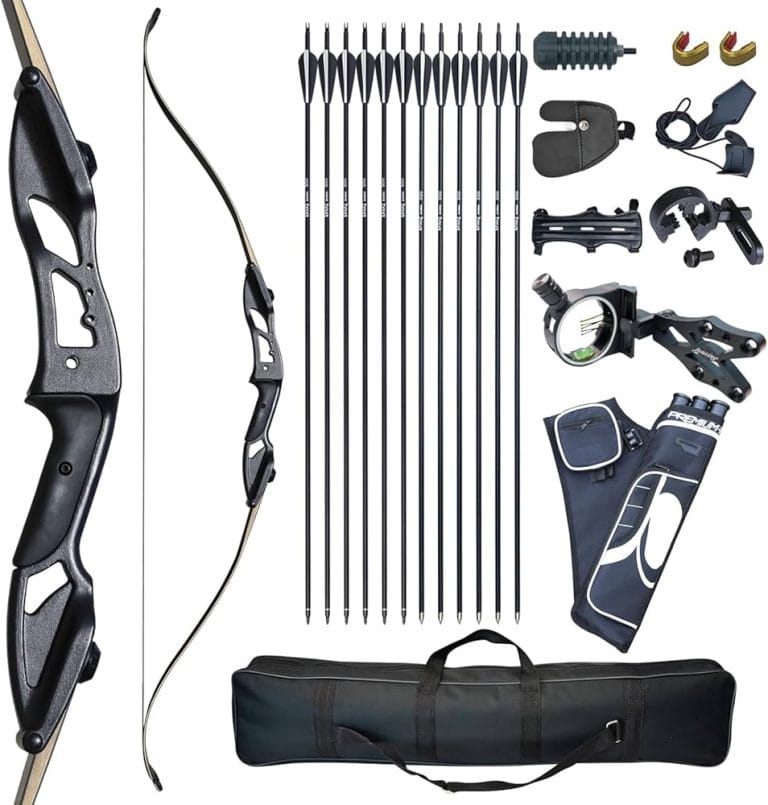
| Starter Bow (kit) | $100, $300 | $300, $700 |
| Arrows (dozen) | $40, $100 | $60, $120 |
| Accessories | $50, $150 | $100, $300 |
| Maintenance per year | $20, $50 | $50, $150 |
Recurve bows are a cost-effective way to start and continue in archery. Even high-end recurves are often cheaper than mid-range compounds.
How To Decide If A Recurve Bow Is Right For You
Choosing a bow isn’t just about trends, it’s about your goals, interests, and style.
Consider These Questions
- Do you want to learn pure shooting skills?
- Are you interested in Olympic or target archery?
- Do you enjoy traditional craftsmanship?
- Is budget a concern?
- Will you be hunting or just shooting for fun?
If you answer “yes” to most, a recurve could be perfect for you.
Common Beginner Mistakes
- Picking a draw weight that’s too heavy. Start light and build up.
- Ignoring form in favor of power.
- Comparing yourself too soon with compound shooters, focus on your own progress.
- Not getting proper coaching. Even a few lessons can make a huge difference.
What Advanced Archers Say About Recurve Bows
Many experienced archers see recurves as the ultimate test of skill. In my experience, the feeling of hitting a bullseye with a recurve, knowing every part of the shot was up to you, never gets old.
A number of Olympic medalists started with recurves before moving to other styles. They often return to recurve shooting for practice, relaxation, and to refine their technique.
Some archers use both recurve and compound bows, switching depending on the event. This variety keeps their skills sharp and makes archery more interesting.
The Cultural And Historical Significance Of Recurve Bows
Recurve bows have a long history across many civilizations. Mongolian horse archers, Native American tribes, and medieval European armies all used versions of the recurve. The bow’s shape was adapted for different climates and uses, showing its versatility.
Today, many countries include recurve archery in their cultural festivals, sports clubs, and schools. For example, Korean archers are famous for their Olympic success, built on a national tradition of recurve shooting.
Are Recurve Bows Still Relevant?
Despite some claims, recurves are far from obsolete. They remain the standard for Olympic competition, a favorite among traditionalists, and a reliable choice for learning core archery skills.
If anything, recurves are gaining popularity as more people seek activities that connect them to history, nature, and hands-on learning.

Credit: thetyee.ca
The Bottom Line: Are Recurve Bows Lame?
Calling recurve bows “lame” misses the bigger picture. They are not for everyone, but they offer a unique experience that no other bow can match. If you value skill, tradition, and a direct connection to your shot, the recurve is a wise choice.
If you prefer technology, mechanical aids, or maximum power, you might lean toward compounds or crossbows.
Ultimately, the best bow is the one that makes you excited to shoot. For millions of archers worldwide, that’s the recurve.
Frequently Asked Questions
Why Are Recurves The Only Bows Allowed In The Olympics?
The International Olympic Committee and World Archery Federation chose recurves because they require a high level of manual skill. This keeps the competition focused on the archer, not the equipment.
Can You Hunt With A Recurve Bow?
Yes, many hunters use recurves. The key is choosing a bow with enough draw weight (usually 40 lbs or more) and practicing for ethical, accurate shots. Always check local hunting laws before using a recurve in the field.
Is It Harder To Learn Archery With A Recurve?
Learning with a recurve can be more challenging, but it teaches strong fundamentals. Many coaches recommend starting with a recurve to develop good form before moving to other bow types.
Are There Famous Recurve Archers Today?
Absolutely. Brady Ellison (USA) and Ki Bo Bae (South Korea) are world champions who use recurve bows. Their success shows recurves are far from outdated.
Where Can I Find More Information About Recurve Archery?
A great resource is the Wikipedia page on recurve bows, which covers history, technology, and famous archers. Many national archery organizations also offer guides and classes for all ages.
Whether you’re just curious or ready to start, remember: archery is about finding your style, not just following trends. The recurve bow may not always be “cool,” but it remains a powerful, respected choice for archers worldwide.