Are Longbows and Recurve Bows Better: Essential Guide
Neither longbows nor recurve bows are inherently “better”; the best choice depends on your needs. Longbows offer simplicity and traditional appeal, while recurve bows provide more power and ease of use for beginners. Understanding their differences helps you choose the right bow for your archery journey. For more on this, see our related guide on Do Recurve Bows Have Release Aids? Expert Guide Explained.
KAINOKAI
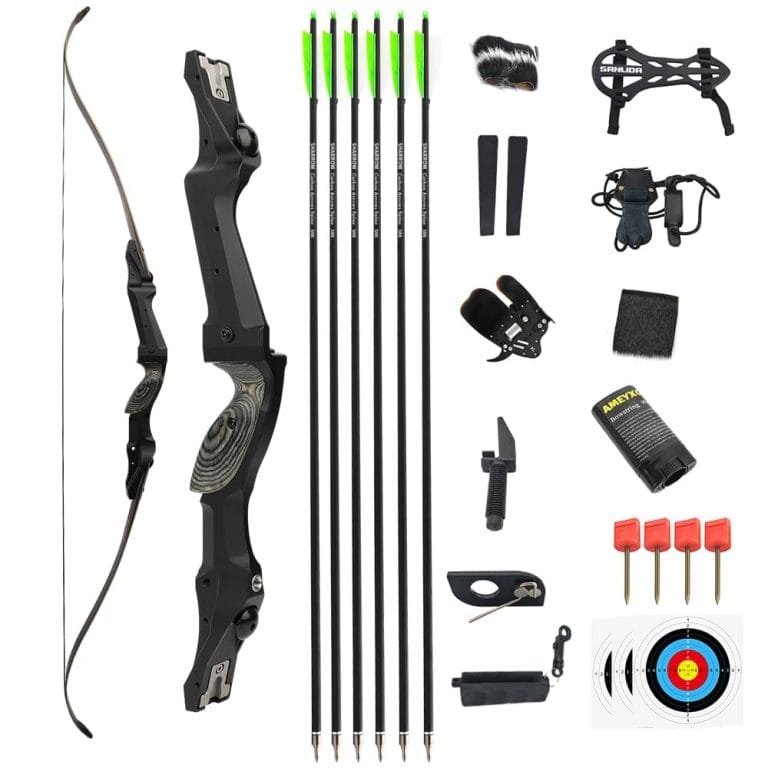
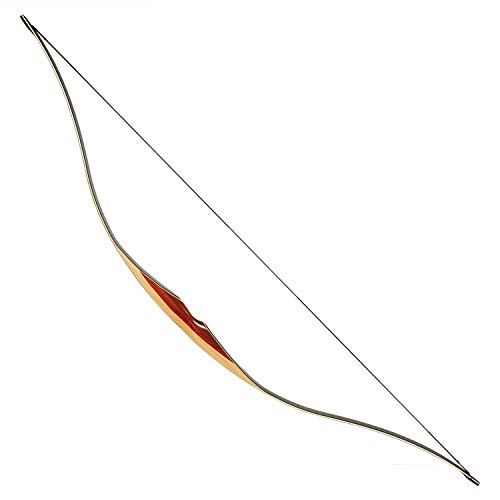
KAINOKAI 54" Traditional Laminated Recurve Bow/Archery Amercian…
- FEATURES:Not Only aesthetical, lighter & more handy,Fires great, with reinforced limb tips allow bow to be Fast Flight. Perfect fo…
- TECH & MATERIAL:Made of Naturally sourced woods,bamboo core,pretty edges more rounded& refined.14 strand Dyneema string
- FUNCTION:Both right & left hand designed, with arrow rest, draw weights of 15-55lbs,a rich range pounds for all novice archer,teen…
As an Amazon Associate I earn from qualifying purchases.
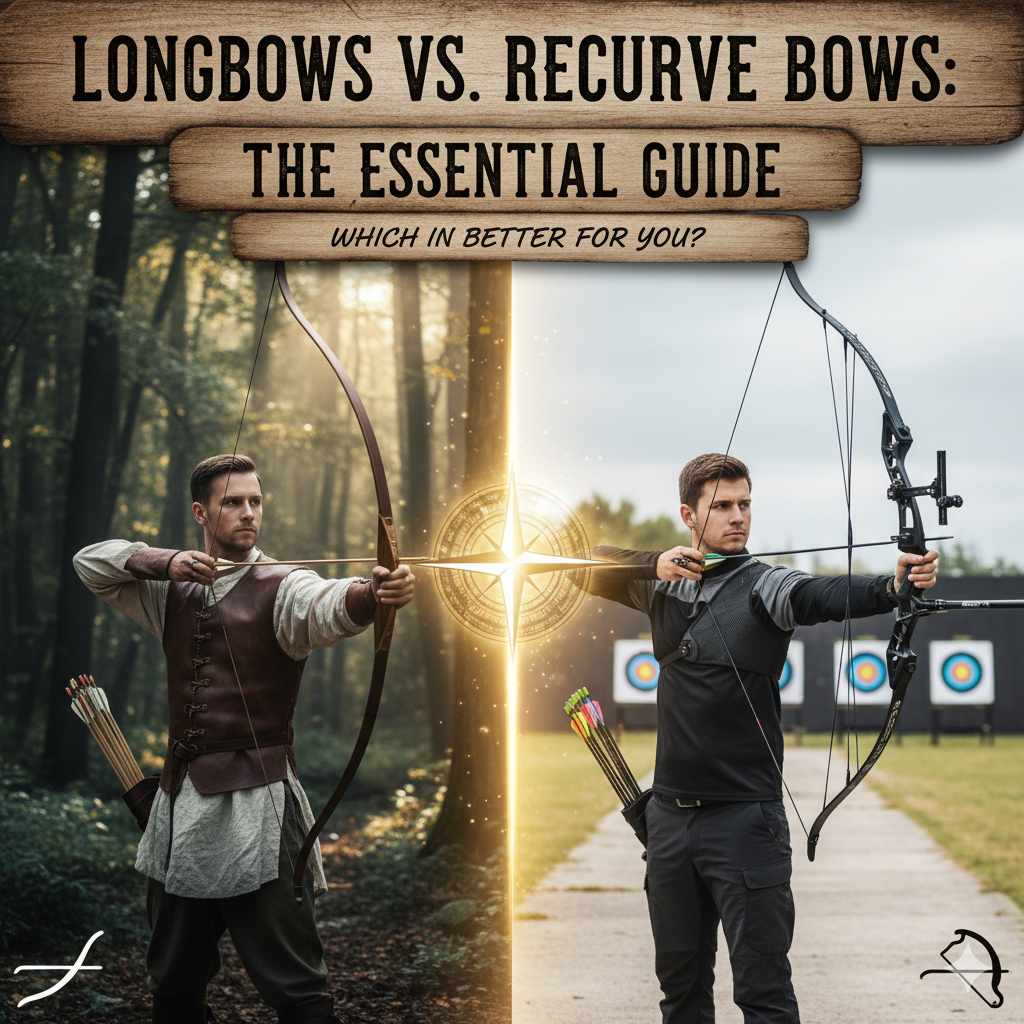
Longbows vs. Recurve Bows: Which Is Right For You?
Choosing your first bow can feel a bit overwhelming, especially when you hear terms like “longbow” and “recurve bow.” Which one is the “better” option? It’s a question many new archers ask, and it’s perfectly normal to feel a little confused. The good news is, there’s no single right answer! Both longbows and recurve bows have their own unique charm and benefits. This guide will break down everything you need to know in simple terms, helping you discover which type of bow will make your archery experience the most enjoyable and successful. Let’s get started on finding your perfect bow!
Understanding the Basics: Longbows and Recurve Bows
At their core, both longbows and recurve bows are types of “recurve” bows, meaning the limbs curve away from the archer towards the target. However, there are key differences in their design and how they perform. Let’s explore these differences to help you make an informed decision.
What is a Longbow?
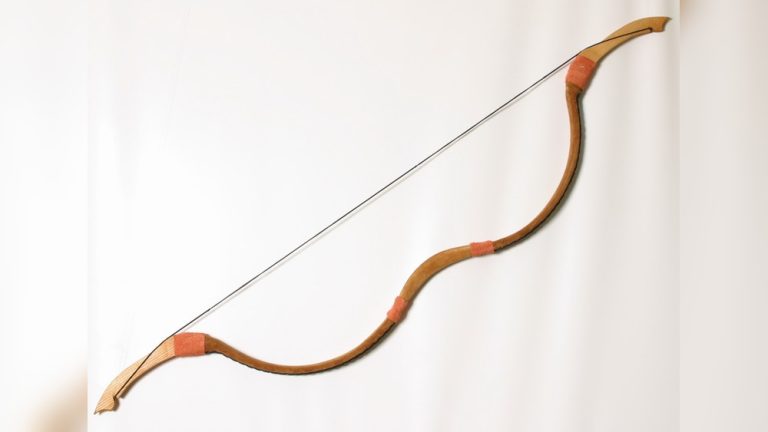
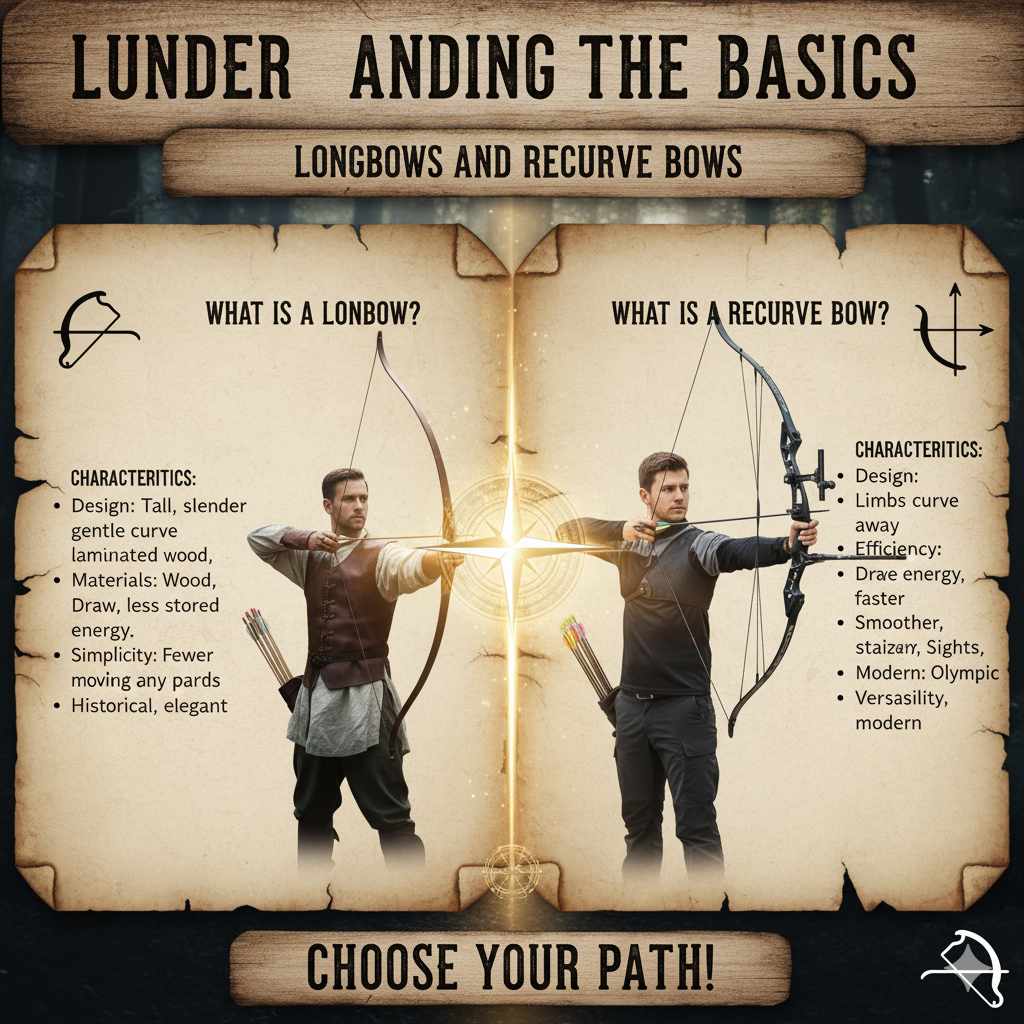
A longbow is a traditional bow, typically tall and slender, with limbs that are largely straight for most of their length before curving slightly at the tips. Think of the classic archer from medieval times. Its design is elegant in its simplicity, often made from a single piece of wood (a “self-bow”) or laminated wood. Because its limbs are less aggressive in their curve, it generally requires more physical effort to draw and hold than a modern recurve bow.
Characteristics of a Longbow
- Design: Tall, slender, with limbs that are generally straight and curve mainly at the tips.
- Materials: Often made from a single piece of wood or laminated wood.
- Draw: Can be harder to draw and hold due to less stored energy in the limbs.
- Simplicity: Fewer moving parts, making it easy to maintain.
- Tradition: Evokes a strong sense of historical archery.
What is a Recurve Bow?
A recurve bow is distinguished by limbs that curve significantly away from the archer at the tips. This distinct shape allows the bow to store more energy and power compared to a longbow of the same draw weight. This means you can achieve higher arrow speeds and often a smoother draw. Modern recurve bows also commonly feature a riser (the central grip part) that can accept accessories like sights and stabilizers, offering more customization and precision.
Characteristics of a Recurve Bow
- Design: Limbs curve away from the archer at the tips, often with a more pronounced curve.
- Efficiency: Stores more energy, leading to higher arrow speeds and a “snappier” shot.
- Draw: Typically offers a smoother draw cycle, making it easier to hold at full draw.
- Modern Versions: Often have risers that can accommodate sights, stabilizers, and other accessories for greater accuracy.
- Versatility: Popular in Olympic archery and various recreational forms.
Longbows vs. Recurve Bows: A Detailed Comparison
Now that we have a basic understanding, let’s dive deeper into what makes each bow unique and how they stack up against each other. This comparison will help you see where each bow shines.
Performance and Power
When it comes to putting an arrow downrange, the design differences between longbows and recurve bows have a significant impact. The recurve’s curved limbs are shaped to store energy more efficiently. When you draw a recurve bow, the tips bend back, storing more potential energy than the straighter limbs of a longbow. This means that at the same draw weight, a recurve bow will typically shoot an arrow faster and with more force.
This stored energy translates to greater arrow velocity. For some archery disciplines, faster arrows mean an arrow will travel further and flatter, which can be advantageous for accuracy, especially at longer distances. However, this doesn’t mean longbows are “weak.” A well-made longbow can still be very powerful, but the energy is delivered in a slightly different way, often perceived as a softer launch.
Ease of Use and Learning Curve
For beginners, ease of use is often a top priority. This is where recurve bows tend to have an edge. The smoother draw cycle of a recurve means it’s often more comfortable to pull back the string and hold it steady at full draw. This is crucial for developing good shooting form. A jerky or difficult draw can lead to inconsistent shots and frustration.
Longbows, especially traditional self-bows, can require more physical strength and a more refined technique to draw smoothly. Holding a longbow steady at full draw can also be more challenging. However, the fundamental simplicity of a longbow can also be appealing. There are fewer components to worry about, and the focus is purely on the archer’s form and interaction with the bow.
Many modern “recurve” bows are designed with beginners in mind, often referred to as “take-down recurve bows.” These bows can be easily disassembled into three parts: two limbs and the riser. This makes them incredibly portable and adaptable. You can often swap out limbs to increase or decrease the draw weight as your strength and skill improve, a feature not typically found in traditional longbows.
Accuracy and Customization
Accuracy is a goal for all archers, and both bow types can be highly accurate in the right hands. Modern recurve bows often have a significant advantage in terms of customization, which directly impacts accuracy. Many recurve risers are designed with mounting points for:
- Sights: Small aiming devices that help archers align their shot.
- Stabilizers: Weights that attach to the riser to absorb vibration and improve balance.
- Arrow Rests: Devices that support the arrow on the riser.
These accessories, especially sights, can make it much easier for beginners to learn to aim consistently. They allow for fine-tuning your aim, making each shot more predictable. Competitive Olympic archery, for example, exclusively uses highly customized recurve bows with all these accessories.
Longbows, particularly traditional ones, are often shot “instinctively” or “barebow,” meaning without sights. This requires a different type of skill involving pointing the bow directly at the target based on feel and experience. While very rewarding, this method can have a steeper learning curve for absolute beginners trying to achieve consistent accuracy. However, some modern longbows are designed with arrow rests that can accommodate a simple sight or plunger button, offering a middle ground for archers who want a longbow feel with a bit more aiming assistance.
Portability and Durability
Portability can be a factor, especially if you plan to travel to different shooting locations or store your bow easily. Traditional longbows are typically one-piece designs, meaning they are long and can be cumbersome to transport. They are also generally quite robust due to their simpler construction. If you drop a longbow, its sturdy build often means it can withstand the impact relatively well.
Modern take-down recurve bows excel in portability. They can be disassembled into a few compact pieces, fitting easily into a bow bag or case. This makes them ideal for transport and storage. Their durability is also excellent, though like any mechanical item, care must be taken, especially with the limb attachment points and the materials used. The limbs themselves, while strong, can be more susceptible to damage if mishandled compared to the simpler limb design of a traditional longbow.
Cost and Maintenance
When it comes to budget, there’s a wide range for both types of bows. You can find very affordable entry-level longbows and recurves, and you can also spend thousands of dollars on high-end, competition-grade models.
Generally, a functional, entry-level longbow can be very inexpensive. Because they are often made from a single piece of wood or are simply constructed, the manufacturing cost can be lower. Maintenance is also minimal: keep it dry, avoid extreme temperatures, and check for any cracks or fraying string. The simplicity is a huge plus here.
Entry-level take-down recurve bows (often made of fiberglass and wood or aluminum risers) can also be quite affordable. They might require slightly more attention to maintenance – ensuring limb bolts are snug (if applicable), checking string condition, and keeping the riser and limbs clean. More advanced recurve bows with metal risers and higher-quality limbs will naturally cost more. However, the ability to upgrade components on a take-down recurve (like buying stronger limbs later) can make them a more flexible long-term investment.
The Archery Experience
The experience of shooting each bow is quite different.
Shooting a Longbow: Many archers describe shooting a longbow as being more connected to the origins of archery. It’s a purer form of the sport. The draw can feel more raw, and the shot release can have a distinct, sometimes softer, feel. It demands focus on your form and an intuitive understanding of your shot. It’s a journey of developing muscle memory and a deep sense of timing.
Shooting a Recurve Bow: Shooting a recurve bow, especially a modern one, can feel more streamlined and precise. The smoother draw and the potential for added accessories like sights allow for a more controlled and repeatable shot process. It’s easier to get consistent results when starting out, which can be very encouraging. The “snap” of a recurve can also be very satisfying.
Choosing Your First Bow: Key Considerations
Now, let’s bring it all together to help you make that crucial first decision. Think about your personal goals, your physical capabilities, and what you hope to get out of archery.
1. What Are Your Goals?
- Recreation and Fun: If you just want to have fun in the backyard or at a local range, both bows can work. A simple recurve might be easier to get started with and enjoy quickly. A longbow offers a classic experience.
- Traditional Archery: If you’re drawn to the history and art of traditional archery, a longbow is the natural, and often only, choice.
- Competitive Archery: If you dream of shooting in Olympic-style competitions, a modern recurve bow with all its accessories is the standard.
- Hunting: Both longbows and recurves can be used for hunting, depending on local regulations and the draw weight you can comfortably and safely handle. Recurves often offer more power.
2. Physical Considerations
- Strength: If you’re not particularly strong or are new to physical activity, a recurve bow with a lower draw weight and a smoother draw cycle will likely be more comfortable.
- Endurance: Can you comfortably hold the bow at full draw for a few seconds? This is important for accuracy. Recurves often make this easier.
- Any Physical Limitations: Consult with archery instructors or healthcare professionals if you have concerns.
3. Budgetary Constraints
Be realistic about what you can spend. Remember to factor in essential accessories like arrows, a finger tab or release aid (for some recurves), a quiver, and a target. Starting with a good quality, affordable beginner bow is often the best approach.
4. What Feels Right?
If possible, try shooting both types of bows at a local archery club or pro shop. Sometimes, a bow just “feels” right in your hands, and that can be a significant factor in your enjoyment and progression.
Beginner-Friendly Bow Recommendations
For many beginners, a “take-down recurve bow” is an excellent starting point. They offer a balance of performance, ease of use, and adaptability.
A good beginner recurve setup might include:
- Riser: Often made of durable laminated wood or aluminum.
- Limbs: Typically fiberglass and wood, with a draw weight between 20-30 pounds for most adults.
- String: A simple Dacron string is common for beginner bows.
- Arrow Rest: A basic plastic or metal rest is usually included.
For those specifically interested in the traditional longbow experience, look for entry-level or intermediate longbows that are well-reviewed and made by reputable manufacturers. Many can be found online or at specialized archery shops. You can find excellent resources for traditional archery equipment from organizations like the Traditional Archery Society.
A Quick Look at Bow Components
Understanding a few key parts of a bow will help when you’re looking at options:
| Component | Description | Found On |
|---|---|---|
| Limb | The flexible arms of the bow that bend to store energy. | Both Longbows and Recurve Bows |
| Riser | The central handle section of the bow. | Primarily Recurve Bows (modern ones); some longbows have a more solid grip area. |
| String | The cord that connects the tips of the limbs and is pulled back by the archer. | Both Longbows and Recurve Bows |
| Arrow Rest | A small support on the riser that the arrow sits on. | Common on Recurve Bows; optional or simpler on Longbows. |
| Sight | An aiming aid attached to the riser. | Optional on some modern Recurve and Longbows, standard on competitive recurves. |
Safety First! Essential Archery Practices
No matter which bow you choose, safety is paramount. Always follow these basic rules:
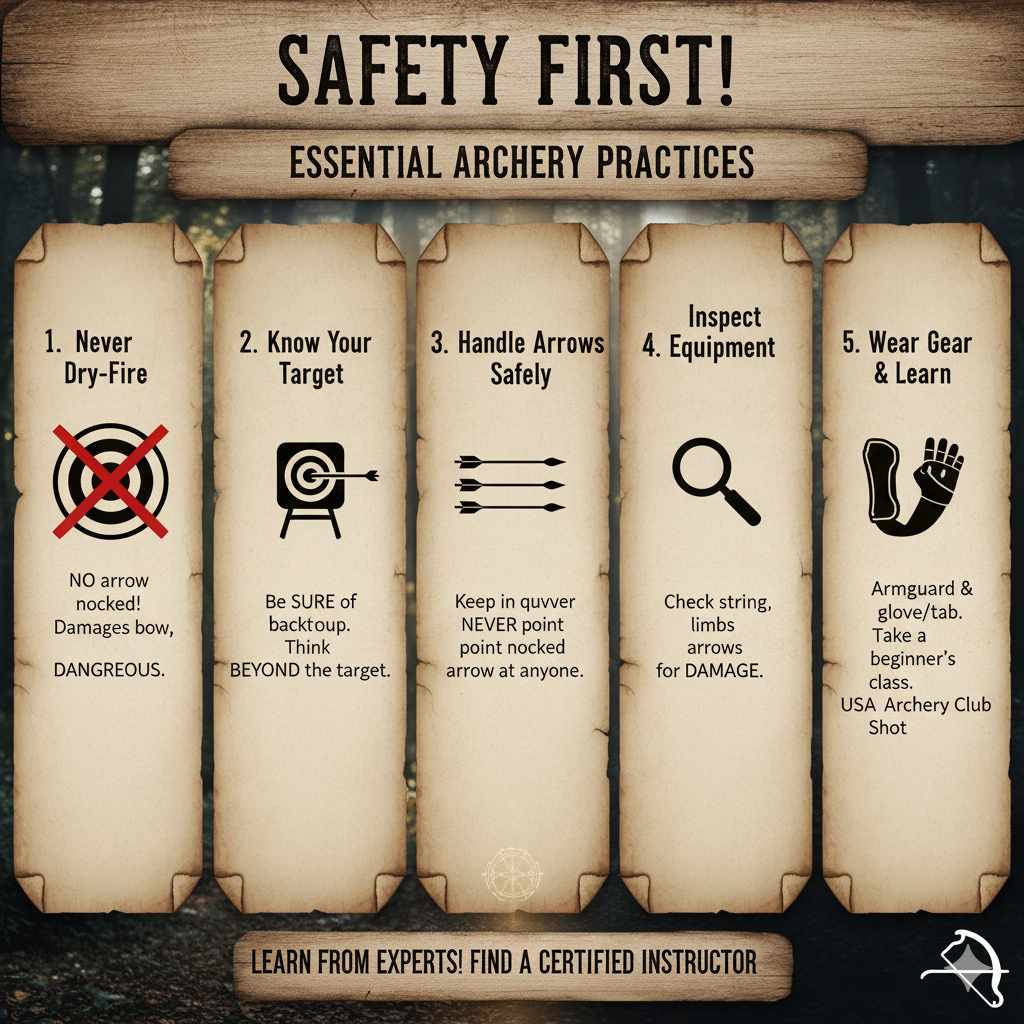
- Never dry-fire a bow: This means never drawing and releasing the string without an arrow. It can damage the bow and be dangerous.
- Always know your target and what’s beyond it: Be certain of your backdrop. Stray arrows can be unpredictable.
- Handle arrows safely: Keep them in a quiver when nocked. Never point a nocked arrow at anyone.
- Inspect your equipment: Regularly check your bowstring, limbs, and arrows for any signs of damage.
- Use proper technique: Learn correct drawing, aiming, and releasing methods from qualified instructors. The USA Archery Club Shot program outlines good safety practices.
- Wear appropriate gear: Use an armguard to protect your forearm from string slap and a finger tab or glove for string release.
Taking a beginner’s class from a certified archery instructor is highly recommended. They will cover all these safety points and teach you the fundamentals of shooting correctly.
Frequently Asked Questions (FAQ)
Q1: Is a recurve bow easier to learn on than a longbow?
Generally, yes. Recurve bows often have a smoother draw cycle and can be more forgiving for beginners. They are also easier to balance and can be fitted with sights to aid aiming, which helps new archers develop accuracy more quickly.
Q2: Can I shoot a longbow without sights?
Absolutely! Traditional longbow archery is often shot “instinctively” or “barebow,” meaning without sights. It requires a different skill set focused on aiming by feel and pointing. It can be very rewarding, though the learning curve for consistent accuracy might be steeper for some.
Q3: What draw weight should a beginner start with?
For most adult beginners, starting with a draw weight between 20 to 30 pounds is recommended. This allows you to focus on form without overexerting yourself. You can always increase the draw weight later as you build strength and technique.
Q4: Are expensive bows better for beginners?
Not necessarily. While high-end bows offer superior performance, a good quality, well-chosen beginner bow from a reputable brand is usually sufficient and more cost-effective. Focus on learning the fundamentals with equipment that fits your budget and needs.
Q5: How do I choose between a longbow and a recurve bow for hunting?
Both can be used for hunting, but it depends on what you’re hunting and your local regulations. Recurve bows generally offer higher arrow speeds and more power for their draw weight, which can be advantageous for larger game. Longbows offer a traditional hunting experience. Ensure the bow you choose meets any minimum draw weight requirements for hunting in your area.
Related pick: Check today's price on Amazon