Do Recurve Bows Have Sights? What Archers Should Know
When you first pick up a recurve bow, you might notice that it feels simple, just a curve of wood and string. But if you look closer, you’ll see that many recurve bows feature extra components, including sights. These small additions can make a big difference in how accurately you shoot.
For both beginners and experienced archers, understanding whether recurve bows have sights, and how they’re used, is essential. This guide will walk you through everything you need to know about sights on recurve bows, how they work, when they’re used, and how to choose the best setup for your needs.
What Is A Recurve Bow?
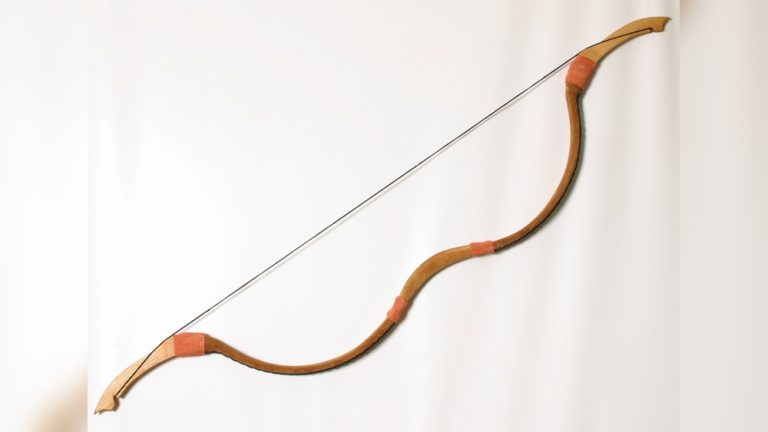
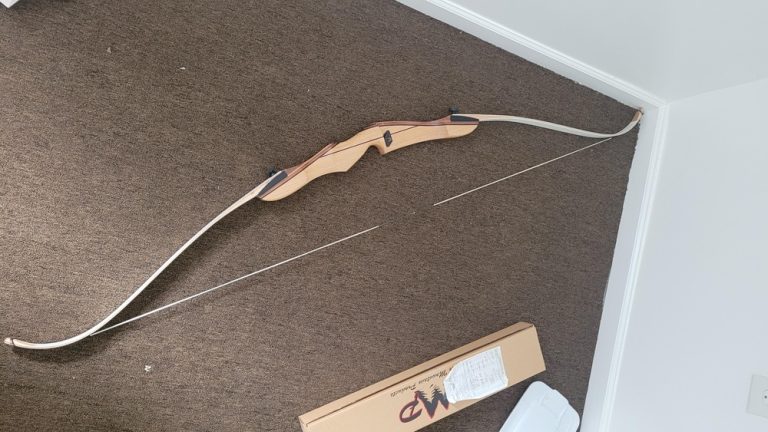
A recurve bow is a type of traditional bow with limbs that curve away from the archer when unstrung. This unique shape stores more energy, creating a faster arrow shot compared to simple straight-limbed bows. Recurve bows have a long history in hunting, warfare, and modern archery sports. They are the only style of bow allowed in Olympic archery.
Recurve bows are popular for several reasons:
- They are lighter and easier to carry than compound bows.
- Their design is simple, making maintenance straightforward.
- Archers can shoot with or without additional accessories.
Understanding the basics of recurve bows helps you see why the question of sights is so important. Some archers value the “instinctive” feel of shooting without sights, while others want the precision and consistency that a sight can offer.
Do Recurve Bows Have Sights?
The short answer is: Yes, recurve bows can have sights. But whether they do depends on the archer’s preference and the type of archery being practiced.
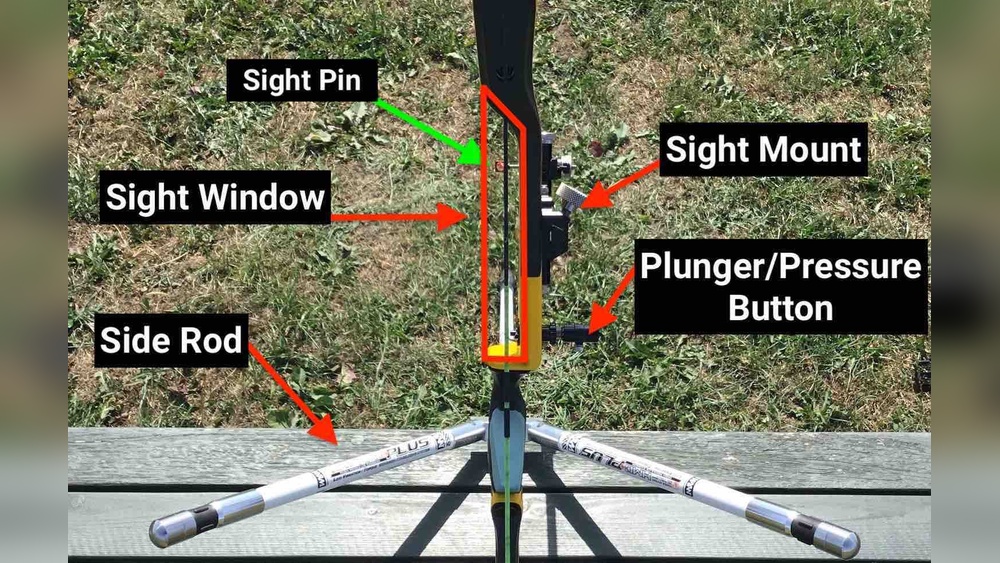
Most modern recurve bows come with pre-drilled holes in the riser (the central part of the bow) to allow for mounting sights and other accessories. In my experience, even entry-level recurve bows often have this feature, making it easy for beginners to try out different sight setups.
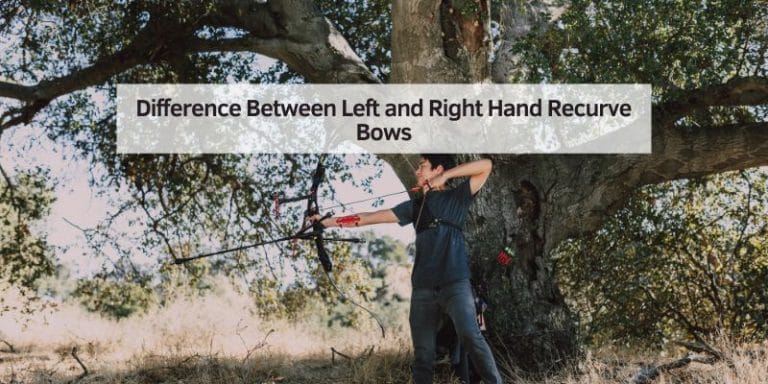
However, not all recurve bows are used with sights. Some archers prefer to shoot “barebow”, without any sight or stabilizer, relying on their sense of aim and muscle memory. Barebow shooting is especially popular in traditional archery and some competition categories.
Types Of Sights Used On Recurve Bows
There are several types of sights you might encounter on a recurve bow. Each type serves a different purpose and suits different skill levels and archery styles.
1. Pin Sights
These are the most common sights for recurve bows. Pin sights use a single adjustable pin or multiple pins that the archer lines up with the target. They are simple, reliable, and affordable.
2. Target Sights
Target sights are adjustable and often used in Olympic and competition archery. They allow for precise changes in elevation (up and down) and windage (left and right). Target sights can be more expensive and require some knowledge to set up and use effectively.
3. Aperture Sights
Some archers use a small ring or aperture as their aiming reference. This is common in target shooting, especially at longer distances. Aperture sights can help filter out distractions and focus the eye on the target.
4. Fiber Optic Sights
Fiber optic sights collect and focus light, making the sight pin brighter and easier to see in low-light conditions. This type of sight is popular with hunters or those shooting in dim environments.
5. Custom Or Diy Sights
Some archers create their own basic sighting systems, such as a simple mark on the riser or a small screw. While not as precise as commercial options, these can still offer some reference for aiming.
Comparison Of Common Recurve Bow Sights
To help you compare the main types of sights, here’s a quick overview:
| Type | Best For | Adjustability | Price Range |
|---|---|---|---|
| Pin Sight | Beginners, casual archers | Basic | Low |
| Target Sight | Competitive/Olympic archery | High | Medium-High |
| Aperture Sight | Target shooting | Medium | Medium |
| Fiber Optic Sight | Hunting, low light | Basic-Medium | Medium |
| Custom/DIY | Experimentation, barebow practice | None | Minimal |
Why Do Archers Use Sights On Recurve Bows?
Sights help archers aim more consistently. Shooting a bow is challenging because you must control your stance, draw, release, and aim all at once. Even small changes in these steps can cause an arrow to miss the target.
Sights provide a visual reference point. Instead of relying only on instinct, you can line up the sight with your target. This makes it easier to repeat good shots, especially at longer distances. Competitive archers often use high-quality sights to fine-tune their aim and increase their scores.
Pro Tip: If you’re new to archery, try shooting both with and without a sight. This helps you understand your strengths and weaknesses, and choose the method that feels most natural.

Credit: archerycoach.wordpress.com
When Are Sights Not Used On Recurve Bows?
Even though sights are common, there are times when they are not used:
- Traditional archery: Many traditional archers prefer the challenge of shooting without a sight, relying on instinct and practice.
- Barebow competitions: Certain competitions have rules against using sights or stabilizers.
- Hunting: Some hunters shoot without sights for quick, close-range shots.
- Personal preference: Some archers simply enjoy the simplicity of shooting without any aids.
Shooting without a sight requires more practice to develop consistent accuracy, but some archers find it more rewarding.
Rules And Restrictions In Competition
Not all competitions allow the use of sights on recurve bows. The rules depend on the event and the governing body.
- Olympic archery: Sights are allowed, but only specific types that meet the regulations.
- World Archery Federation: Allows sights but restricts features like magnification and electronic components.
- Barebow class: Sights are not allowed.
- Traditional events: Usually ban sights and other modern accessories.
Before you compete, always check the official rules. Using the wrong equipment can lead to disqualification.
How To Choose A Sight For Your Recurve Bow
Selecting the right sight depends on your goals, experience, and budget. Here are some factors to consider:
1. Purpose
Are you shooting for fun, hunting, or competition? For casual practice, a simple pin sight will do. For Olympic-style target shooting, invest in a quality target sight.
2. Adjustability
If you plan to shoot at different distances, look for a sight that allows easy adjustment. Target sights offer the most flexibility.
3. Durability
Choose a sight made from strong materials like aluminum. Plastic sights are cheaper but may break easily.
4. Visibility
If you shoot in low light, a fiber optic sight or a sight with a bright pin will help you see your aim point.
5. Price
Sights range from $20 to over $200. Start with a basic model and upgrade as your skills improve.
6. Compatibility
Make sure the sight fits your recurve bow. Check for pre-drilled mounting holes and match the sight’s mounting system.
Comparison Of Sight Features
Here’s a quick comparison of key features to look for:
| Feature | Pin Sight | Target Sight | Fiber Optic |
|---|---|---|---|
| Adjustable | Some models | Yes, precise | Basic |
| Material | Plastic/Aluminum | Aluminum/Carbon | Plastic/Aluminum |
| Visibility | Standard | Standard | High in low light |
| Price | Low | High | Medium |
How To Install A Sight On A Recurve Bow
Mounting a sight is straightforward, but it’s important to do it correctly for best accuracy.
- Locate the mounting holes: Most recurve bows have threaded holes on the riser.
- Attach the sight bracket: Line up the holes and screw the bracket into place.
- Adjust the sight arm: Extend or retract the sight arm so the sight pin is visible when you aim.
- Tighten everything: Make sure all screws are snug, but don’t overtighten or you may strip the threads.
- Fine-tune the sight: Use the adjustment knobs to move the sight pin for your preferred distance.
If you’re new to installing bow sights, ask for help at your local archery shop or watch a reputable video tutorial.

Credit: silkroadbows.com
How To Use A Sight On A Recurve Bow
Using a sight is more than just attaching it. Here’s a basic process:
- Set your anchor point: Find a repeatable spot on your face where your hand or string touches each time you draw.
- Look through the sight: Keep both eyes open and place the sight pin or ring on the target.
- Adjust for distance: Move the sight pin up or down depending on how far away your target is.
- Release smoothly: Try to let go of the string without jerking your hand, which can move your aim.
As you practice, you’ll learn how small adjustments affect your accuracy. Consistency is the key to shooting well with a sight.
Example: When I first started using a recurve sight, I found that my groups were too high at 20 yards. By moving the sight pin down slightly, I was able to bring my arrows into the center.
Common Mistakes When Using Sights
Many beginners make similar errors when first using a sight on a recurve bow. Watch out for these:
- Not checking tightness: Loose screws can cause the sight to shift and ruin accuracy.
- Poor anchor point: If you don’t draw to the same spot every time, your sight won’t help.
- Ignoring windage: Many only adjust for elevation (up/down) and forget to move the sight left/right.
- Focusing only on the sight: Remember to keep good form, as the sight is just one part of your shot.
- Changing multiple things at once: Make one adjustment at a time to see what works.
Pro Tip: Keep a small notebook to record your sight settings for different distances. This saves time and helps you return to a good setup quickly.
Instinctive Shooting Vs. Using Sights
A common debate among archers is whether to use sights or shoot instinctively. Each method has strengths and weaknesses.
Instinctive shooting is about muscle memory and focus. Archers using this method rely on practice and “feel” rather than aiming devices. It can be faster for short-range shots but requires much more practice.
Using sights offers repeatability and is better for long-range accuracy. Most competition archers use sights for this reason.
Some archers combine both approaches, using a sight for practice, then switching to barebow for fun or hunting.
Sights In Different Archery Disciplines
Target Archery
Most target archers use high-quality adjustable sights. These sights allow for changes based on distance, wind, and other conditions.
Field Archery
Field archers may use sights, but the changing terrain and distance often favor simpler, more rugged models.
3d Archery
In 3D archery (shooting at animal-shaped targets), some classes allow sights and others do not. Hunters often prefer sights for precise aiming.
Traditional Archery
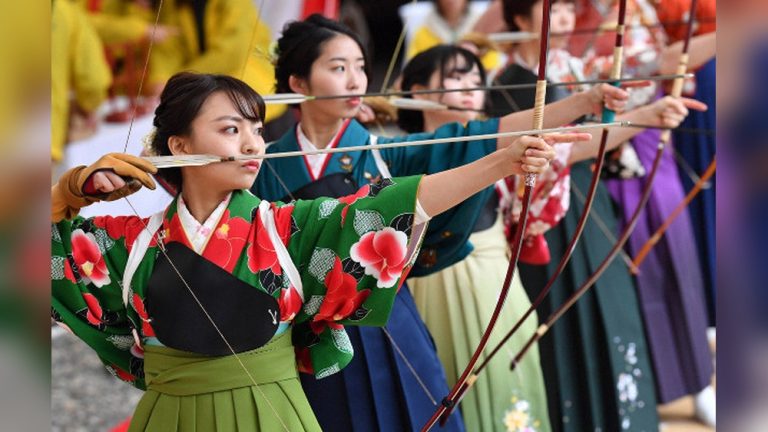
Traditional archers usually shoot without sights to keep the experience authentic.
Maintenance And Care For Bow Sights
Keeping your sight in good condition is important for consistent accuracy. Here’s how to care for your sight:
- Check screws regularly: Vibration from shooting can loosen screws.
- Clean regularly: Use a soft cloth to wipe dust and dirt from the sight.
- Protect from impacts: Avoid dropping your bow or knocking the sight.
- Store properly: Keep your bow and sight in a padded case when not in use.
If you notice any cracks or bending, replace the sight to avoid safety risks.
Should Beginners Use Sights?
For most beginners, using a sight is helpful. It simplifies aiming and makes it easier to see what you’re doing right (or wrong). This can speed up learning and boost confidence.
However, learning some instinctive shooting is also valuable. It builds a better sense of distance and helps you shoot well even if your sight breaks or isn’t allowed in a competition.
Pro Tip: Try both methods and see which feels better. Many coaches recommend starting with a sight, then experimenting with barebow as your skills improve.

Credit: www.youtube.com
Advantages And Disadvantages Of Sights On Recurve Bows
Here’s a quick summary of the main pros and cons:
| Advantage | Disadvantage |
|---|---|
| Improved accuracy | Extra weight |
| Faster learning curve | May not be allowed in all competitions |
| Easier to adjust for distance | More parts to maintain |
| Consistent results | Can break or loosen |
Non-obvious Insights For Beginners
- Sights don’t “do the aiming” for you. Many new archers believe adding a sight will instantly make them accurate. In reality, you must still master your stance, anchor point, and release. The sight only gives you a reference point.
- The