Do You Need to Unstring a Recurve Bow After Shooting?
A recurve bow is more than just a piece of sports equipment. It represents tradition, precision, and a connection to archery’s long history. Whether you’re a hobbyist, a competitive archer, or a bowhunter, you have probably wondered: Do you need to unstring a recurve bow? This question comes up often, but the answer is not always simple. The decision to unstring your bow can affect its performance, safety, and even lifespan.
Many archers are taught early to unstring their recurve bows after each session. Others see seasoned shooters who leave their bows strung for days or weeks. The truth is, what you do with your recurve bow after shooting depends on several factors, some obvious, some less so.
This article explains those factors, clears up myths, and gives you practical advice to keep your bow in top shape.
Why Unstringing Matters
A recurve bow holds energy in its limbs when strung. This energy is what launches the arrow. But keeping the bow strung for long periods puts constant stress on the limbs. Over time, this can cause limb fatigue or even permanent bending, known as “string follow.” While modern materials are much stronger than wood from centuries past, no bow is immune to wear.
Unstringing your bow after use helps it relax. It lets the limbs return to their natural shape, preventing unnecessary stress. For wooden bows, this is especially important. Even with fiberglass or carbon limbs, unstringing is a low-effort way to extend your bow’s life.
Some archers argue that high-quality modern limbs can handle being strung for days. While that’s partly true, there’s little benefit in leaving a bow strung unless you’re using it daily. When you make unstringing a habit, you protect your investment and reduce the risk of accidental damage.
Which Bows Should Be Unstrung?
Not all recurve bows are the same. The type of bow you own makes a big difference in whether you should unstring it or not.
Traditional Wooden Recurve Bows
Traditional wooden recurve bows are most vulnerable to stress. Wood is a living material, and it can warp or lose its “snap” if left under tension. For these bows, unstringing after each session is essential. Even a few days strung can cause noticeable changes in performance.
Modern Takedown Recurve Bows
Takedown recurve bows use limbs made of fiberglass, carbon, or laminated wood. These materials are more resistant to damage. Some manufacturers say you can leave these bows strung for short periods, like overnight or over a weekend. But if you don’t plan to shoot for several days, unstringing is still best.
Youth And Beginner Bows
Bows designed for youth or beginners often use simple laminated materials. The same rules apply: unstring after use, especially if the bow will be stored for more than a day.
Specialty And Competition Bows
Competition recurve bows often use advanced composites. While these are tough, unstringing is still recommended unless you’re practicing daily. It’s about building good habits and preventing rare but costly failures.
The table below shows when to unstring different types of recurve bows:
| Bow Type | Recommended Unstringing Frequency | Reason |
|---|---|---|
| Traditional Wooden Recurve | After every use | Protects wood from warping and loss of power |
| Modern Takedown Recurve | After use unless shooting daily | Prevents limb fatigue; safer in storage |
| Youth/Beginners’ Bows | After every use | Simple design; best to relieve stress |
| Competition Composite Bows | After use unless in daily training | Prevents rare material failures |
How To Unstring A Recurve Bow Safely
Unstringing a recurve bow is a basic skill, but doing it wrong can damage your bow or cause injury. Here’s how to unstring your bow safely:
- Use a bow stringer: This tool helps you remove the string evenly from both limbs. Never unstring a recurve bow by hand unless you are trained and the bow is very light.
- Check for twists or cracks: Before unstringing, inspect the limbs for any signs of damage.
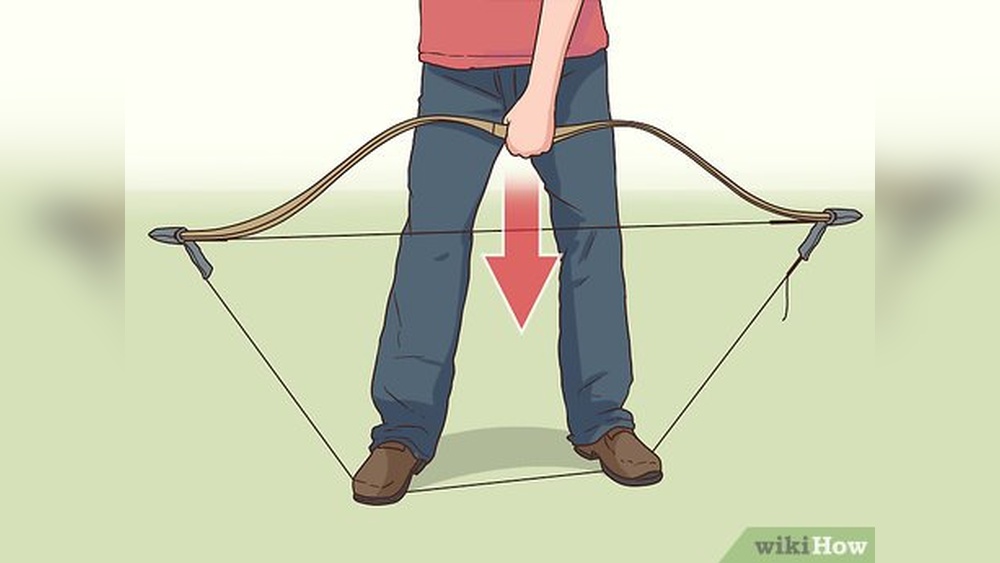
- Attach the stringer: Slide the larger pocket over the lower limb tip and the smaller pocket or saddle over the upper limb tip.
- Step on the stringer cord: Stand on the cord with both feet shoulder-width apart.
- Lift the bow: Hold the handle and pull upward, bending the limbs gently.
- Slip off the string: Once the limbs are flexed, slide the string’s top loop off the limb tip.
- Lower the bow slowly: Release tension gradually to avoid snapping the limbs back.
Pro Tip: Store your string in a dry, cool place to prevent stretching or fraying.
Unstringing with a proper tool not only protects your bow but also reduces the risk of personal injury. Skipping the stringer can cause the limbs to twist, which is expensive to fix and sometimes ruins the bow permanently.
When It’s Okay To Leave A Recurve Bow Strung
There are situations where you might leave your recurve bow strung for a short time.
- Active tournaments: If you’re competing over several days, leaving the bow strung during the event is usually fine.
- Daily practice: If you shoot every day, some modern limbs can handle being strung overnight. Check your manufacturer’s guidelines.
- Short breaks: Taking a lunch break or pausing for a few hours doesn’t require unstringing.
However, these exceptions come with a warning. Always inspect your bow before shooting if it’s been left strung. Changes in temperature and humidity can affect the limbs, and a strung bow is more likely to suffer accidental damage if dropped.

Credit: www.youtube.com
Risks Of Leaving A Recurve Bow Strung
Leaving a recurve bow strung for long periods, especially in poor conditions, leads to several risks. Some of these are obvious, but a few are easy to overlook.
Limb Fatigue And String Follow
Constant tension causes limb fatigue. Over time, the bow may develop a curve even when unstrung, reducing its power and accuracy. This “string follow” is more common in wooden bows but can affect all recurve bows if neglected.
Warping And Delamination
Moisture and heat can warp the limbs or cause the layers to separate, known as delamination. A strung bow is more vulnerable because the tension pulls at the glued layers. This is nearly impossible to repair at home.
Safety Hazards
A strung bow is always under load. If someone trips or the bow falls, the limbs can crack or snap. Injuries are rare but serious when they happen.
String Stretch And Wear
Leaving the string under tension for weeks can stretch it out, making your shots inconsistent. You’ll have to replace the string more often, which adds up over time.
Reduced Bow Life
Even modern bows have a lifespan. Keeping them strung unnecessarily shortens this time, sometimes by years.
Storing Your Recurve Bow Properly
Proper storage is just as important as unstringing. Here’s what to keep in mind:
- Store in a climate-controlled area: Avoid attics, basements, or garages where temperature and humidity change quickly.
- Keep away from direct sunlight: UV rays can damage finishes and weaken materials.
- Lay flat or hang vertically: If unstrung, lay the bow flat or hang it by the handle. Never lean it against a wall on its tips.
- Protect the string: Remove the string and store it in a pouch to prevent tangling or damage.
- Use a case for transport: This protects your bow from bumps, dust, and moisture.
Example: In my experience, storing an unstrung recurve bow in a padded case has prevented unwanted warping during humid summers.
Myths And Misunderstandings About Unstringing
Many new archers hear conflicting advice about caring for their recurve bow. Let’s clear up some common myths.
Myth 1: Modern Materials Don’t Need Unstringing
Even fiberglass and carbon limbs benefit from being unstrung. While they’re tougher than wood, constant tension still wears them out faster.
Myth 2: Unstringing Is Only For Long Storage
Unstringing after each session is a good habit. Even a day or two can add up if you skip this step regularly.
Myth 3: It’s Okay To Unstring By Hand
Hand-unstringing, also called “step-through,” is risky. It can twist the limbs, especially on higher-poundage bows. A bow stringer costs little and lasts for years.
Myth 4: Leaving The Bow Strung Saves Time
The time you save by not unstringing is minor compared to the cost of repairs or buying a new bow.
Myth 5: A Strung Bow Is Always Ready
A strung bow left unattended can be a safety hazard, especially if children or pets are around.
How Long Is Too Long To Leave A Bow Strung?
There’s no universal rule for every recurve bow, but most experts agree:
- Wooden bows: Never leave strung overnight.
- Modern composite bows: Up to 24 hours if necessary, but not as a habit.
- During tournaments: Up to 2-3 days, with regular inspections.
If you’re unsure, always err on the side of caution. Short breaks are fine, but long-term storage should always be unstrung.
Comparing Unstringing Frequency By Bow Type
To help you decide, here’s a comparison of how often different recurve bows should be unstrung:
| Bow Material | Daily Use | Short-Term Storage (1-2 Days) | Long-Term Storage (>2 Days) |
|---|---|---|---|
| Wood | Unstring after each use | Unstring | Always unstring |
| Fiberglass/Carbon | May leave strung | Unstring recommended | Always unstring |
| Laminated Wood | Unstring after use | Unstring | Always unstring |
Practical Tips For Archers
To keep your recurve bow performing its best, follow these practical tips:
- Make unstringing a routine: Get used to unstringing right after shooting. It only takes a minute.
- Invest in a good bow stringer: This tool is cheap and prevents expensive damage.
- Inspect your bow regularly: Check for cracks, twists, or loose fittings.
- Replace the string as needed: If it looks worn or frayed, replace it before it breaks.
- Label your strings: If you have multiple strings, label them to track their age and usage.
- Keep limbs clean and dry: Wipe down your bow if it gets wet, and store it in a dry place.
- Ask your manufacturer: Always check your bow’s manual or website for specific advice.
Warning: Never try to fix a warped or delaminated limb yourself. Seek professional help to avoid further damage.
Credit: explainedarchery.com
What Happens If You Don’t Unstring Your Bow?
If you ignore the advice to unstring your recurve bow, here’s what you can expect:
- Gradual loss of power: Your arrows may not fly as far or as accurately.
- Permanent limb curve: The bow won’t return to its original shape, making aiming harder.
- Increased risk of breakage: Small cracks grow over time, especially under constant stress.
- Shorter lifespan: You’ll need to buy a new bow sooner, costing more in the long run.
While some archers “get away” with leaving bows strung for a while, it’s a gamble that rarely pays off.
How Often Do Experienced Archers Unstring Their Bows?
Surveying seasoned archers reveals a clear pattern. Most unstring their recurve bows after every session, regardless of the limb material. Competitive shooters may leave bows strung during tournaments, but always unstring for travel or storage.
In archery forums and clubs, the advice is nearly universal: “When in doubt, unstring.” It’s a simple step that shows respect for your equipment.

Credit: www.wikihow.fitness
Can You Damage Your Bow By Unstringing Too Often?
Some beginners worry that frequent unstringing might weaken the bow. In reality, proper unstringing does not harm the limbs. What does cause damage is poor technique, especially forcing the limbs or using the step-through method.
If you use a bow stringer and handle your bow with care, you can unstring and restring it thousands of times without issue. Manufacturers design bows for this level of use.
When Not To Unstring A Recurve Bow
There are rare moments when you might not want to unstring immediately:
- If the bow is wet: Let it dry first to avoid trapping moisture inside the limb tips.
- During multi-day competition: Leave it strung if required, but store it safely.
- For display purposes: If the bow is purely decorative and not used for shooting, follow the manufacturer’s display guidelines.
But these are exceptions, not the rule. For most archers, unstringing is the default.
Summary Of Key Points
Here’s a quick recap to help you remember:
- Unstring traditional and wooden recurve bows after every use.
- For modern composite limbs, short-term strung storage is sometimes okay, but unstring for any break longer than a day.
- Always use a bow stringer for safety and to avoid limb twist.
- Regularly inspect your bow for signs of stress or damage.
- Store your unstrung bow in a dry, cool place, away from sunlight.
- Leaving a bow strung for long periods leads to limb fatigue, warping, and safety risks.
Frequently Asked Questions
Why Do Some Archers Leave Their Bows Strung Between Sessions?
Some archers, especially those using modern composite limbs, may leave their bows strung if they shoot daily. They believe it saves time and doesn’t harm the bow over a short period. However, this is only recommended with manufacturer approval and regular limb inspections.
Most experts still advise unstringing when possible.