Did Vikings Have Recurve Bows? Unveiling the Archery Truth
The image of a Viking warrior is clear in many people’s minds: a fierce fighter with a horned helmet, axe, and shield. But did the Vikings also use recurve bows? This question has fascinated historians, archery fans, and anyone interested in ancient warfare. The answer is not as simple as yes or no. To understand what kinds of bows the Vikings used, we need to look at history, archaeology, the design of different bows, and even old sagas. This article breaks down the evidence and the myths, comparing recurve bows with other types, and exploring how the Vikings used archery in battle and everyday life.
What Is A Recurve Bow?
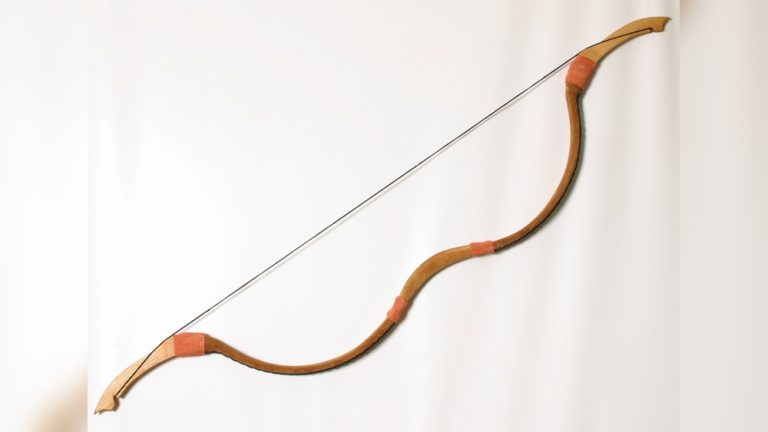
To answer the main question, it helps to know what a recurve bow is. A recurve bow has limbs that curve away from the archer when unstrung. This shape stores more energy than a straight-limbed bow, giving an arrow more speed and power. Today, recurve bows are common in Olympic archery and traditional sports.
Recurve bows can be made from a single piece of wood or from several materials. The classic composite recurve bow uses wood, horn, and sinew glued together. This design was used by many steppe peoples such as the Mongols and Huns.
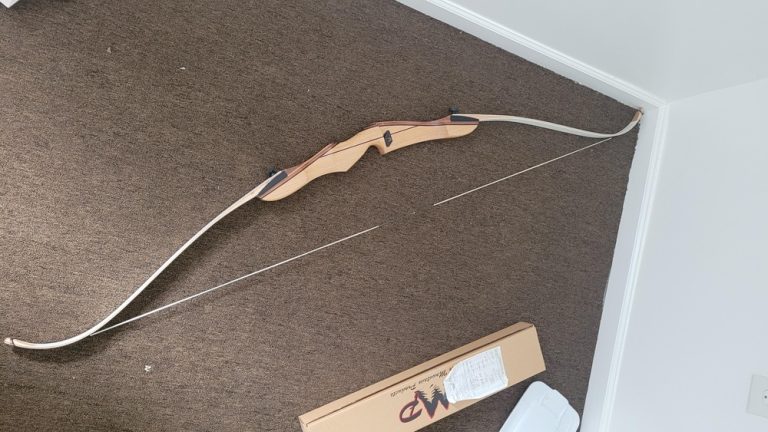
Straight-limbed bows, also called self bows, are made from one piece of wood and have limbs that stay straight or bend gently when strung. The English longbow is a famous example.
The Viking Age: Weapons And Warfare
The Viking Age lasted from the late 8th century to the mid-11th century (around 793 to 1066 CE). Vikings came from Scandinavia (modern Norway, Sweden, Denmark), and they were known for their ships, raids, and settlements across Europe.
Viking warriors used a range of weapons:
- Axes: The most iconic, often single-handed.
- Swords: More expensive, status symbols.
- Spears: Common and versatile for throwing or thrusting.
- Shields: Round, wooden, and painted.
- Bows and arrows: Used for hunting and warfare.
While axes and swords capture the imagination, bows were an important part of Viking life, especially for hunting and sometimes in battle. But what kind of bows did they use?
Archaeological Evidence: What Bows Have Been Found?
Archaeologists have found many Viking artifacts, but complete bows are rare because wood decays quickly. However, some bow fragments have survived, mostly in peat bogs and wet environments where the conditions preserve wood.
1. Hedeby Bow (germany, 10th Century)
The most famous Viking bow find is from Hedeby, an important Viking trading town. The bow is about 191 cm (6. 3 feet) long and made from yew wood. The limbs are broad and flat, with no sign of the distinct recurve shape.
2. Ballinderry Bow (ireland, 9th, 10th Century)
Found in a Viking context, this bow is about 180 cm (5. 9 feet) long, also made of yew. Its limbs are straight, again without recurve tips.
3. Novgorod Bows (russia, 10th, 11th Century)
Several bows found in Novgorod, a city with Viking connections, are made from elm and have simple, straight limbs. These bows are D-shaped in cross-section and long, similar to the Hedeby and Ballinderry bows.
Here’s a comparison of three important finds:
| Bow Name | Location | Date | Material | Shape | Length |
|---|---|---|---|---|---|
| Hedeby Bow | Germany | 10th century | Yew | Straight/Flat | 191 cm |
| Ballinderry Bow | Ireland | 9th, 10th century | Yew | Straight | 180 cm |
| Novgorod Bows | Russia | 10th, 11th century | Elm | Straight/D-shaped | Various |
None of these bows are true recurve bows. They are longbows or self bows made from a single piece of wood, with straight or gently curved limbs.
Written Sources: Sagas And Descriptions
The Vikings left few written records. Most of what we know comes from sagas and chronicles written down in Iceland after the Viking Age. These texts mention bows, but rarely describe their shape in detail.
- Egil’s Saga: Tells of archers in battle and hunting scenes, but does not specify the bow’s design.
- Anglo-Saxon Chronicle: Sometimes mentions Viking archers, but again, no details on the type of bow.
Writers from other cultures, such as the Byzantines, sometimes mention the weapons of Vikings (known as Varangians in the East) but focus on swords, axes, and shields, not bows.
Pro Tip: When historical texts lack detail, look for clues in what is *not* mentioned. If recurve bows were unusual or a special weapon among Vikings, it’s likely the sagas would have described them.
Recurve Bows In Other Cultures
To understand why recurve bows are not found in Viking contexts, compare with cultures that used them. The Scythians, Huns, and later the Mongols were famous for their composite recurve bows. These bows are short, efficient, and powerful, ideal for shooting from horseback.
| Culture | Bow Type | Main Use | Materials |
|---|---|---|---|
| Mongol | Composite Recurve | Horseback Warfare | Wood, horn, sinew |
| Scythian | Composite Recurve | Mounted Archery | Wood, horn, sinew |
| Viking | Self Bow / Longbow | Foot Archery, Hunting | Wood (yew, elm, ash) |
Vikings did not fight on horseback like the steppe peoples. Their warfare was based on ships, raids, and shield walls. The longbow design suited their tactics and the materials available in Scandinavia.
Materials And Technology In Scandinavia
Vikings had plenty of good bow wood: yew, elm, and ash grow in Scandinavia and northern Europe. These woods can make powerful self bows. Composite bows need horn and sinew, materials that are harder to find in cold, forested areas. Making a composite recurve bow also requires advanced glues and techniques.
It’s possible some Vikings saw or traded for recurve bows when they traveled east, but there’s no clear evidence they used them at home. Most finds in Scandinavian graves, settlements, and ship burials are single-piece wooden bows.
In my experience, visiting museums in Denmark and Sweden, the displays of Viking bows show long, straight-limbed weapons, never the short, curved shape of a recurve.

Credit: archeryhistorian.com
The Function Of Bows In Viking Society
Archery was part of daily life for many Vikings. Bows were used for:
- Hunting game: Deer, elk, and birds.
- Warfare: As missile weapons before close combat.
- Defense: Guarding settlements and ships.
Arrows from the Viking Age come in many shapes and sizes. Some have broad heads for hunting, while others have narrow points for piercing armor.
Example: The Gokstad ship burial (Norway, 9th century) included many arrows but no bow. The arrowheads show both hunting and fighting uses.
Did Vikings Ever Use Recurve Bows?
Based on the evidence, Vikings did not use recurve bows as a regular part of their culture. The bows found in Viking sites are all straight-limbed, long, and made from a single piece of wood.
However, there are some interesting details:
- Contact with steppe cultures: Vikings traveled to the East (Russia, Byzantium). They traded with peoples who used recurve bows. It’s possible a few Vikings saw or even brought back such bows as curiosities or trade goods.
- Imported weapons: Some Vikings used imported swords and axes. If a recurve bow was available, a wealthy or curious individual might have owned one.
- No archaeological finds: So far, no composite recurve bow from the Viking Age has been found in Scandinavia.
Why Didn’t Vikings Use Recurve Bows?
There are several reasons the Vikings stuck with straight-limbed bows:
- Material availability: Good bow wood was common in Scandinavia, but horn and sinew were not.
- Warfare style: Vikings fought mostly on foot or from ships, not horseback. Longbows fit their needs.
- Climate and technology: Making composite recurve bows is difficult in damp, cold climates. The glues used can fail in wet conditions.
- Tradition: Vikings had a strong tradition of self bows, passed down for generations.
Modern Myths And Pop Culture
Many movies and TV shows show Vikings with all sorts of weapons. Sometimes, artists give Vikings recurve bows because they look exotic or powerful on screen. But this is not supported by archaeology or history.
Some modern archers try to recreate Viking bows. They find that straight-limbed longbows are easier to make with local materials, and they perform well for hunting and basic warfare.

Credit: www.museumnord.no
How Did Viking Bows Compare To Other Medieval Bows?
The Viking bow is often compared with the English longbow and the recurve bows of the East. Here’s a quick look at their strengths and weaknesses:
| Bow Type | Typical Draw Weight | Range | Ease of Construction | Suitability for Climate |
|---|---|---|---|---|
| Viking Longbow | 30, 70 lbs | Up to 200 meters | Moderate (single wood) | Good for cold/wet |
| English Longbow | 80, 120 lbs | Up to 250 meters | Moderate (single wood) | Good for temperate |
| Composite Recurve | 50, 100 lbs | Up to 300 meters | Complex (multi-material) | Poor in wet |
Warning: Do not assume every ancient archer used recurve bows just because they are powerful. The local environment, available materials, and style of warfare all influenced bow design.
Insights Beginners Often Miss
Many new archery fans or Viking enthusiasts believe that recurve bows are always better than straight-limbed bows. This is not true. Each design has its own strengths.
- Longbows are easier and cheaper to make with one piece of wood. They are strong, reliable, and easy to repair.
- Recurve bows are more compact and powerful for their size, but require complex materials and skills to build.
Another point often missed: arrows matter as much as bows. Viking arrows were carefully made for different uses, hunting, armor-piercing, or broadheads for maximum damage. The type of arrowhead could be as important as the bow’s power.
Did Some Vikings Try Recurve Bows?
While there’s no hard evidence of recurve bows being standard in Viking use, it’s possible that some exceptional individuals, traders, mercenaries, or travelers, saw or owned such weapons. The Vikings who served as Varangians in the Byzantine Empire might have seen or even used recurve bows in the East.
But in Scandinavia itself, the evidence is clear: straight-limbed, self bows were the rule.
Lessons From Experimental Archaeology
Modern bowyers and historians often try to reconstruct Viking bows using ancient methods. They find that yew, elm, and ash make excellent longbows. These bows are strong enough for hunting large game and fighting in battle.
In tests, a well-made Viking longbow can shoot an arrow over 150 meters (164 yards), with enough force to penetrate leather armor or a shield. This matches descriptions in some sagas, where skilled archers hit targets at long range.
Pro Tip: If you want to build a Viking-style bow today, start with a single piece of yew or elm about your own height. Shape the limbs flat and wide, and use natural glue for the string. Avoid complex shapes, Viking bows were simple, strong, and effective.
What We Still Don’t Know
No topic in early medieval history is closed forever. Wood, horn, and sinew all decay, and new finds appear every decade. It is possible that a recurve bow will one day be found in a Viking context. But as of today, all solid evidence points to self bows.
Some scholars have argued that iconography (carvings, art) might show recurve bows. But these images are usually vague, and experts believe they show stylized or symbolic weapons, not real ones.
Another thing we don’t know: Did Vikings ever copy or adapt foreign bow designs? There’s no sign that they did, but the Vikings were famous for adapting useful things from other cultures, just not in this case.
Frequently Asked Questions
Did Vikings Use Bows In Naval Battles?
Yes, Vikings sometimes used bows and arrows from their ships, especially during raids. Archers would shoot at defenders on shore or at other ships. However, the main fighting happened after landing, with axes and swords. Bows gave