Do Recurve Bows Have Release Aids? Expert Guide Explained
If you have ever watched Olympic archery, you have seen athletes drawing a recurve bow, holding steady, and then releasing an arrow with precision. But you might wonder: do recurve bows have a release mechanism, like a button or device to let the string go? Or is releasing purely done by hand? This question seems simple, but the answer is more nuanced, involving tradition, technique, and even modern technology.
Many beginners believe recurve bows must use a mechanical release, just like compound bows. But the world of recurve archery is different. Understanding how release works for recurve bows can help you improve your shooting, avoid common mistakes, and make smart choices about equipment.
Let’s explore what “release” means in archery, how recurve bows are designed, and the techniques archers use to shoot accurately.
What Is A Release In Archery?
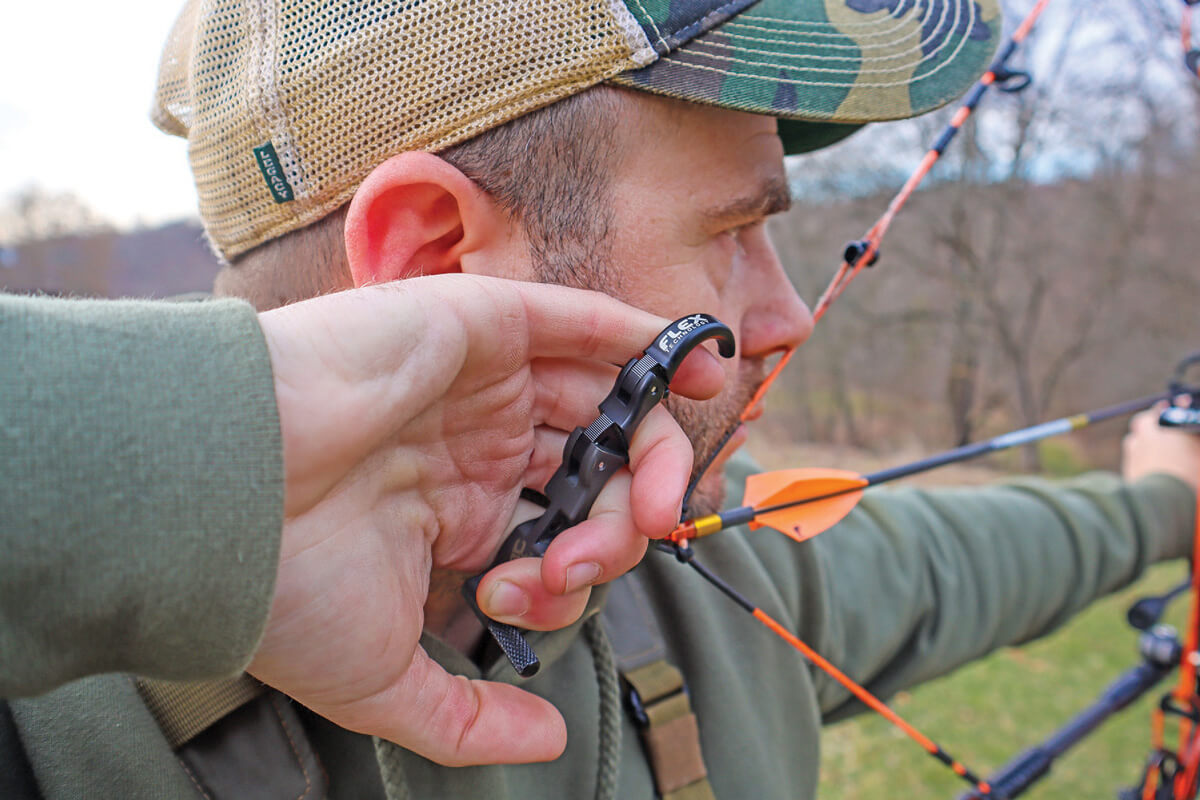
The word release in archery can mean two things. First, it can mean the act of letting go of the bowstring to send the arrow forward. Second, it can refer to a mechanical release aid, a device that helps archers release the string smoothly.
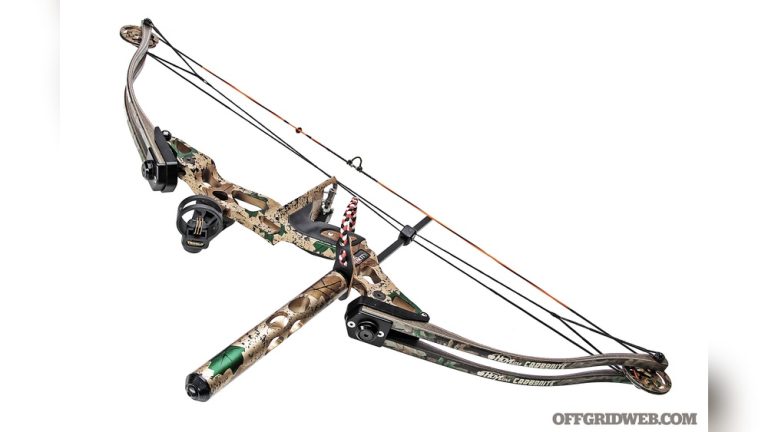
Compound archers almost always use mechanical release aids for consistency. These devices attach to the string and are triggered with a finger or thumb. But in recurve archery, things are different.
Mechanical Release Aids Explained
A mechanical release aid is a tool that helps archers let go of the string without using their fingers. There are several types:
- Trigger releases: Use a finger or thumb to trigger the device.
- Back tension releases: Use shoulder movement to trigger the release.
- Tab releases: Not a mechanical device, but a leather or synthetic finger protector for recurve archers.
Compound bows are built for mechanical releases. Their string and draw length are optimized for these tools.
Manual Release
In recurve archery, most archers release the string by hand. They use their fingers, usually with a tab for protection. The release is a skill that takes practice: letting go of the string smoothly, without twisting or jerking.
Do Recurve Bows Have Mechanical Release Aids?
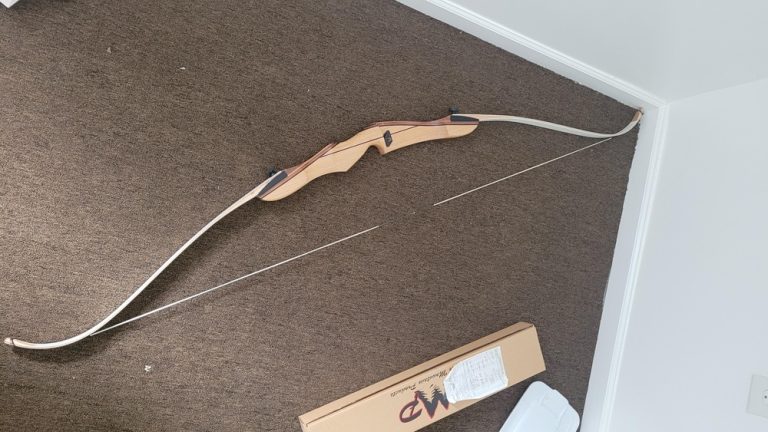
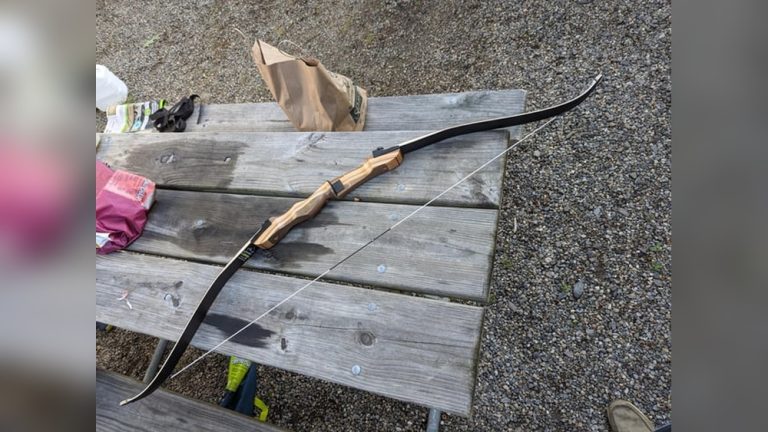
The simple answer: recurve bows do not traditionally use mechanical release aids. Instead, recurve archers use their fingers to release the string. This is a core part of recurve technique.
Why Recurve Bows Avoid Mechanical Releases
There are several reasons recurve bows do not use mechanical releases:
- Bow Design: Recurve bows are designed for finger release. Their risers, string grooves, and arrow rests are shaped for this method.
- Tradition: Olympic and traditional archery have deep roots. Manual release is part of the sport’s history.
- Rules: Many competitions, including the Olympics, ban mechanical release aids for recurve bows.
Use Of Finger Tabs
While mechanical releases are rare, recurve archers use finger tabs. A tab is a flat piece of leather or synthetic material that protects the fingers and helps provide a smooth release. Some archers use gloves, but tabs are more common.
Pro Tip: For recurve archers, choosing a good finger tab and learning correct release technique is essential for accuracy and comfort.
The Release Technique For Recurve Bows
The release is one of the most important skills in recurve archery. A good release sends the arrow straight; a poor release causes it to wobble or fly off-target.
Steps For A Proper Recurve Release
- Draw: Pull the string back with three fingers (index, middle, ring) using a finger tab.
- Anchor: Hold the string at a consistent spot, usually at the corner of the mouth or chin.
- Aim: Focus on the target.
- Release: Relax the fingers, letting the string slip off. Avoid plucking or jerking.
Example: When I tested my recurve bow with different finger tabs, I found that a smoother tab helped me release more cleanly, reducing side-to-side arrow movement.
Common Mistakes With Release
- Plucking: Moving the hand away from the face during release. This pulls the arrow off course.
- Jerking: Letting go suddenly, causing string vibration and poor arrow flight.
- Inconsistent anchor: Changing anchor point leads to inconsistent release.
Learning to release the string smoothly is a skill that takes months, even years, to master. Some Olympic archers spend hours each day practicing just the release.
Comparison: Recurve Vs Compound Bow Release
To understand why recurve bows do not use mechanical release aids, let’s compare their release methods.
| Feature | Recurve Bow | Compound Bow |
|---|---|---|
| Release Method | Manual (fingers, tab) | Mechanical (trigger, back tension) |
| Arrow Rest Design | Simple, for finger release | Optimized for mechanical release |
| Competition Rules | Mechanical releases banned | Mechanical releases allowed |
| Consistency | Requires skill, practice | Release aid provides consistency |
Compound bows rely on mechanical release for maximum consistency. Recurve bows require skillful finger release, which becomes part of the archer’s technique.
Equipment For Recurve Bow Release
While recurve bows do not use mechanical releases, there are several tools and accessories that affect release quality.
Finger Tabs
A finger tab is the most important accessory for recurve release. It protects the fingers and helps create a smooth surface for the string to slide off.
- Most recurve archers use a tab made of leather, cordovan, or synthetic material.
- Tabs come in sizes for different hand shapes and thicknesses.
Gloves
Some archers prefer gloves. Gloves cover the fingers and offer more protection but can feel bulky. Tabs are more popular for competitive archers.
Bowstring
The bowstring’s quality and serving affect release. A smooth, well-served string helps prevent finger injury and allows for cleaner release.
Arrow Rest
Recurve arrow rests are designed for finger release. They are simple, often made of plastic or metal, and create minimal friction.
Training For Better Release
Improving your release technique is a key goal for recurve archers. Consistent release leads to better accuracy and tighter groups.
Tips For Training
- Practice dry firing (without an arrow) to focus on finger relaxation.
- Use a mirror to watch hand movement during release.
- Record your practice with a phone to analyze release errors.
- Work with a coach to correct plucking or jerking.
A non-obvious insight: Many beginners ignore finger strength. Weak fingers tire quickly, causing inconsistent release. Using a grip trainer or squeezing a rubber ball can improve finger endurance.
Importance Of Muscle Memory
Recurve release depends on muscle memory. The more you repeat the correct movement, the more automatic it becomes. Olympic archers often shoot thousands of arrows per month to build perfect release habits.
Are There Any Exceptions?
While most recurve archers use finger release, there are rare exceptions.
Adaptive Archery
Some archers with disabilities use special aids to release the string. For example, mouth tabs or custom devices help those who cannot use fingers. These tools are allowed in certain adaptive competitions.
Field Archery And Experimentation
A few field archers have experimented with mechanical releases on recurve bows. However, these setups are rare, often require custom modifications, and are not allowed in most competitions.
Warning: Using a mechanical release on a recurve bow can damage the bow or string. Recurve bows are not built for the sharp force of mechanical release.
Cultural And Historical Context
Recurve archery is rooted in tradition. In cultures from Asia to Europe, archers have used finger release for centuries.
Olympic Archery
Olympic recurve archers train specifically to master finger release. The rules are strict: only finger tabs are allowed, no mechanical aids.
Traditional Archery
In traditional archery, such as Turkish, Mongolian, or English longbow shooting, finger release is the norm. Mechanical release aids are a modern invention, mostly used in compound archery.
Release And Arrow Flight
The way you release the string affects the arrow’s flight. A clean release leads to straight flight; a bad release causes the arrow to fishtail or wobble.
Effects Of Release Errors
- String twist: Causes arrow to veer left or right.
- Finger drag: Slows the arrow, reduces range.
- Plucking: Makes the arrow fly off-target.
Example: In my experience, switching from a glove to a tab improved my arrow flight. The tab allowed a smoother release, reducing string twist and side movement.
Is A Mechanical Release Ever Needed For Recurve?
For most recurve archers, mechanical release is not needed. The sport is built around finger release. Using a mechanical release is not allowed in most competitions and can harm the bow.
When Mechanical Release Might Be Used
- Adaptive archers with hand injuries or disabilities.
- Experimental setups for hunting, but these are rare.
- Custom bows designed for mechanical release.
Even in these cases, the bow must be reinforced to handle the force of a mechanical release.

Credit: www.bowhunter.com
Finger Tab Options: Comparison Table
Choosing the right finger tab can improve your release. Here’s a comparison of popular tab materials:
| Tab Material | Feel | Durability | Price Range |
|---|---|---|---|
| Leather | Soft, flexible | Moderate | $10-$20 |
| Cordovan | Firm, smooth | High | $20-$40 |
| Synthetic | Slick, lightweight | Varies | $15-$30 |
Cordovan tabs are popular among competitive archers for their smooth release and durability.
Improving Your Finger Release: Practical Advice
If you shoot a recurve bow, your goal should be to master finger release. Here are practical steps:
- Choose the right tab: Test different materials. Look for a tab that feels comfortable and slides easily off the string.
- Practice anchor consistency: Always anchor at the same spot. This helps release become more consistent.
- Relax fingers: Avoid gripping the string tightly. Relaxation leads to smoother release.
- Use slow-motion video: Record your release and watch for errors.
- Work with a coach: A coach can spot mistakes and help you correct them.
Many archers make the mistake of ignoring finger health. Stretching and strengthening exercises can prevent injury and improve performance.
Credit: www.bowhunter.com
Rules For Recurve Bow Release In Competition
If you plan to compete, understanding the rules for recurve bow release is important.
Olympic And World Archery Rules
- Only finger release allowed.
- Finger tabs and gloves permitted.
- Mechanical release aids banned.
World Archery Rulebook provides detailed rules for recurve competition.
National And Local Rules
Most national archery organizations follow World Archery rules. Always check local rules before competing.
Finger Release Vs Mechanical Release: Data Table
Let’s compare the strengths and weaknesses of finger vs mechanical release:
| Type | Advantages | Disadvantages |
|---|---|---|
| Finger Release | Traditional, allows fine control, builds skill | Requires practice, can cause finger fatigue |
| Mechanical Release | Consistent, reduces finger stress, easy for beginners | Not allowed on recurve, can damage bow, less traditional |
Why Finger Release Is Preferred In Recurve Archery
Finger release is not just a tradition; it is also practical. Recurve bows are lighter and simpler than compound bows. Their design matches finger release, and the technique becomes part of the archer’s skill set.
The Role Of Precision
Olympic archers can hit targets the size of a tennis ball at 70 meters, using only finger release. Their skill shows that finger release, when mastered, is extremely accurate.
Non-obvious Insight: Finger Release Builds Mental Focus
Finger release requires concentration and mental discipline. Many archers report that focusing on the release calms their mind and improves performance in other sports.
Common Finger Release Problems And Solutions
Many archers face problems with finger release. Here’s how to solve them:
- Finger pain: Use a thicker tab or switch to cordovan.
- Plucking: Focus on relaxing fingers and keeping hand close to face.
- Inconsistent anchor: Practice with a mirror or coach.
- String slap: Adjust finger position or tab shape.
Pro Tip: Try different tab shapes and thicknesses. Even small changes can improve comfort and release quality.

Credit: www.bow-international.com
Frequently Asked Questions
What Happens If I Use A Mechanical Release On A Recurve Bow?
Mechanical releases can cause stress on a recurve bow’s limbs and string, leading to damage or breakage. Recurve bows are not built for the sharp force of a mechanical release. If you want to try a mechanical release, consult a professional bow technician to check if your bow is compatible.
Can I Use A Glove Instead Of A Finger Tab For Recurve Release?
Yes, some archers use gloves, especially beginners or traditional archers. Gloves provide more coverage and protection, but can feel bulky. Tabs are more popular in competitive recurve archery because they offer a smoother release and more control.
How Can I Improve My Finger Release If I Have Weak Fingers?
Finger strength is crucial for consistent release. Try grip trainers, rubber balls, or finger stretching exercises. Practice holding the string at full draw for 10, 20 seconds before releasing to build endurance. Over time, your fingers will become stronger and your release more consistent.
Are There Any Electronic Release Aids For Recurve Bows?
Electronic release aids exist for compound bows, but are not used for recurve archery. Competition rules ban electronic devices for recurve bows. Some adaptive archers use special electronic aids, but these are rare and require custom setups.