Did Celtic People Have Recurve Bows? Uncovering the Ancient Truth
When you picture the ancient Celtic warrior, what comes to mind? For many, it’s a fierce fighter wielding a sword or spear, perhaps painted with blue woad. But one question often surprises history lovers: Did Celtic people have recurve bows? The answer is more complex than a simple yes or no. We need to look at archaeology, written history, and what we know about ancient bows across Europe. Understanding the weapons of the Celts gives us a window into their lives, their battles, and how they compared to their neighbors. This article explores what we know, and don’t know, about Celtic archery and the place of the recurve bow in their world.
Who Were The Celtic People?
The term Celtic people refers to a group of tribes spread across Europe during the Iron Age and into the Roman era. They lived in what is now Ireland, Britain, France (then called Gaul), Spain, and parts of Central and Eastern Europe. The Celts didn’t have a single empire or government, but they shared language, art, and technology.
Most of what we know comes from archaeology and from the writings of their enemies, like the Greeks and Romans. Because the Celts left few written records, details about their everyday life, including the weapons they used, are often debated.
What Is A Recurve Bow?
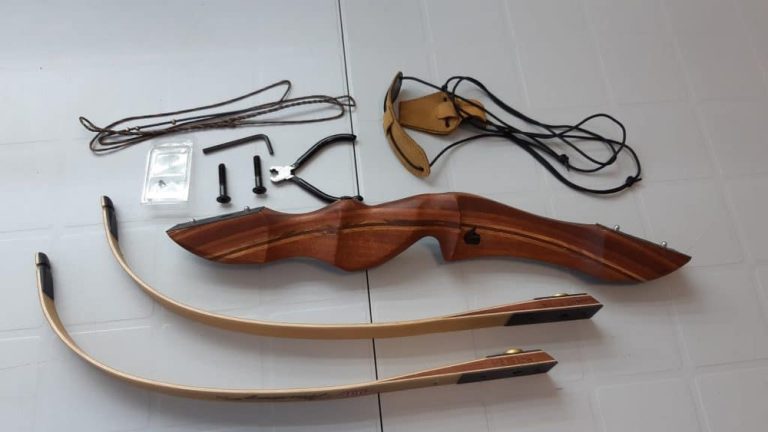
To answer if the Celts used recurve bows, we need to understand what a recurve bow is. A recurve bow has tips that curve away from the archer when the bow is unstrung. This shape stores more energy than a straight bow, making arrows fly faster and with more power. Recurve bows are lighter and shorter than longbows but can be just as strong.
Here’s a simple comparison:
| Bow Type | Main Feature | Typical Use |
|---|---|---|
| Recurve Bow | Curved tips for extra power | Hunting, war (especially on horseback) |
| Longbow | Very tall, straight shape | Warfare (especially England), hunting |
| Short Bow | Simple, straight, and small | Close-range hunting, small skirmishes |
The recurve design is often linked to horse archers from the East, like the Scythians or Mongols, but it’s not unique to them. The question is whether Celtic people had access to, or used, this advanced bow shape.
Archery In Celtic Society
Archaeologists have found arrowheads and sometimes bow fragments in Celtic sites. However, bows made of wood rarely survive thousands of years, so evidence is limited.
Written sources from Greeks and Romans often focused on Celtic swords and chariots, not bows. This has led many to believe that archery was not important for the Celts. But some clues suggest otherwise. For example, the Celts were skilled hunters, and hunting required bows.
Also, some Celtic tribes, especially in Eastern Europe, were close to steppe cultures known for their archery.
Pro Tip: The lack of surviving bows does not mean the Celts did not use them. Organic materials like wood and sinew decay quickly, especially in the wet climates where many Celts lived.
Evidence For Celtic Bow Types
Archaeological Finds
Actual bow fragments from the Celtic period are extremely rare. Most finds are arrowheads or sometimes pieces of wooden bows preserved in bogs or dry caves. Most of these fragments are straight, which suggests simple bows or longbows, not recurved shapes.
In places like La Tène (a key Celtic archaeological site in Switzerland), arrowheads have been found, but no clear recurve bows. The arrowheads show that archery was practiced, but the type of bow is uncertain.
Art And Iconography
Celtic art sometimes shows warriors with bows, but the details are small and hard to interpret. There are no well-known carvings or paintings that clearly show a recurve bow in Celtic hands. Most images are too simple or stylized.
Written Sources
Greek and Roman writers sometimes mention Celtic archers but rarely describe their bows. For example, Julius Caesar’s *Commentaries on the Gallic War* talks about Celtic warriors but focuses on swords, spears, and chariots. Some Roman sources hint that archery was more common among Celtic tribes far from the Atlantic, closer to the Danube and Black Sea, where steppe influence was stronger.
Where Did Recurve Bows Come From?
The recurve bow is most strongly linked to the steppe nomads of Eurasia. Cultures like the Scythians, Sarmatians, and later Huns and Mongols, all used recurve bows. These bows were often made from wood, horn, and sinew, composite materials that made them powerful and compact.
The earliest recurve bows date back to around 2000 BCE in Central Asia. They spread west into Eastern Europe and south into the Middle East. By the time of the Celts, recurve bows were well known in these areas.
Did Celtic People Use Recurve Bows? The Evidence
Western And Central Celtic Tribes
Most evidence suggests that Celtic tribes in Western and Central Europe, like those in France, Britain, and Ireland, used simple self-bows or longbows. These were made from a single piece of wood, usually yew or elm. The design was straight or slightly curved, not recurved.
Eastern Celtic Tribes
Some Celts moved east and settled in the Balkans, near the Black Sea. These tribes, like the Galatians, lived closer to steppe cultures. Archaeologists have found more archery equipment in these regions, including some items that look similar to recurve bow tips. However, the evidence is not clear enough to say for certain that these were true recurve bows or just slightly bent wooden bows.
Influence From Neighbors
The Celts traded and fought with many peoples, including the Scythians and Thracians, who were famous for their recurve bows. It’s possible that some eastern Celts learned to make or use these bows through contact with their neighbors. But there is no direct proof, like a preserved recurve bow in a Celtic grave, linking the two.
What Do Experts Say?
Most historians agree that recurve bows were rare or unknown among the main Celtic tribes of Western Europe. However, it’s likely that at least some eastern Celtic warriors saw or possibly used recurve bows, especially when fighting or trading with steppe peoples.
In my experience, looking at museum collections and reading excavation reports, most Celtic arrowheads fit with straight bows, not recurved designs. But the story might change if a new find appears.
Why The Recurve Bow Was Rare Among Celts
Several factors explain why the recurve bow was not common among Celtic people:
- Materials and Skill: Recurve bows require horn, sinew, and special glues, plus detailed craftsmanship. The Celts mostly used wood for their bows, and their toolkits focused on metalworking for swords and spears.
- Warfare Style: Celtic warfare favored close combat with swords and spears. Bows were mainly for hunting or skirmishing.
- Climate: The wet climate of western Europe made it hard to preserve composite bows. Wood is more available and easier to work with in these areas.
- Cultural Preferences: The Celts valued face-to-face fighting and heroic duels, which suited swords and spears more than archery.
Comparing Celtic Bows And Neighboring Cultures
To see the differences clearly, here’s a comparison between the Celts and their neighbors:
| Culture | Main Bow Type | Typical Use | Evidence |
|---|---|---|---|
| Celts (West) | Self-bow/longbow | Hunting, some warfare | Arrowheads, few bow remains |
| Scythians | Recurve bow | Horse archery, warfare | Preserved bows, art |
| Thracians | Recurve/composite bow | War, hunting | Art, some finds |
| Romans | Self-bow, later composite bow | Warfare, especially with auxiliaries | Art, military records |
This shows that the recurve bow was more common among steppe peoples and their neighbors, and less so in Celtic lands.

Credit: www.tartanvibesclothing.com
Non-obvious Insights About Celtic Archery
Many people assume the Celts ignored archery, but this is not true. Here are two key points beginners often miss:
- Regional Differences: The Celts were not a single group. Tribes near the steppe had more contact with cultures using recurve bows, so their equipment and tactics could differ from those in Ireland or Gaul.
- Bow Use in Rituals and Hunting: Archaeological finds suggest that bows were sometimes used for rituals or as grave goods, not just for fighting. In some elite Celtic burials, arrowheads are included as symbols of power or status.
Could The Celts Have Made Recurve Bows?
Technically, the Celts had the woodworking and metal skills to make simple recurve bows. But composite recurve bows need horn, sinew, and special glues from fish or animals, not materials the Celts commonly used for weapons. Making a composite bow also requires months of work and special knowledge.
Warning: Trying to use or repair a composite recurve bow in wet, rainy climates can cause the glue to fail and the bow to break. This was a real problem in Western Europe.
Why Did The Celts Prefer Swords And Spears?
The answer is part culture, part practicality. The Celts loved heroic fighting and chivalry. Many Celtic stories focus on single combat, strength, and bravery, qualities shown best with swords and spears. Their armor and shields were designed for close battle, not archery duels.
In addition, sword and spear fighting works well in Europe’s forests and hills, where long-range archery is harder. Bows were still used for hunting, especially for deer and birds, but they were rarely the main weapon in war.
How Bows Shaped Celtic Warfare
While not the main weapon, bows still played a role in Celtic battles. Archers could harass enemy lines, guard forts, or hunt food during campaigns. Sometimes, Celtic archers served as mercenaries for other armies, especially in the East.
But the lack of strong, organized archery units made it hard for the Celts to compete with armies that used massed bows, like the Romans or steppe riders. This may have been one reason for their defeats in some battles.

Credit: www.tartanvibesclothing.com
The Legacy Of Celtic Archery
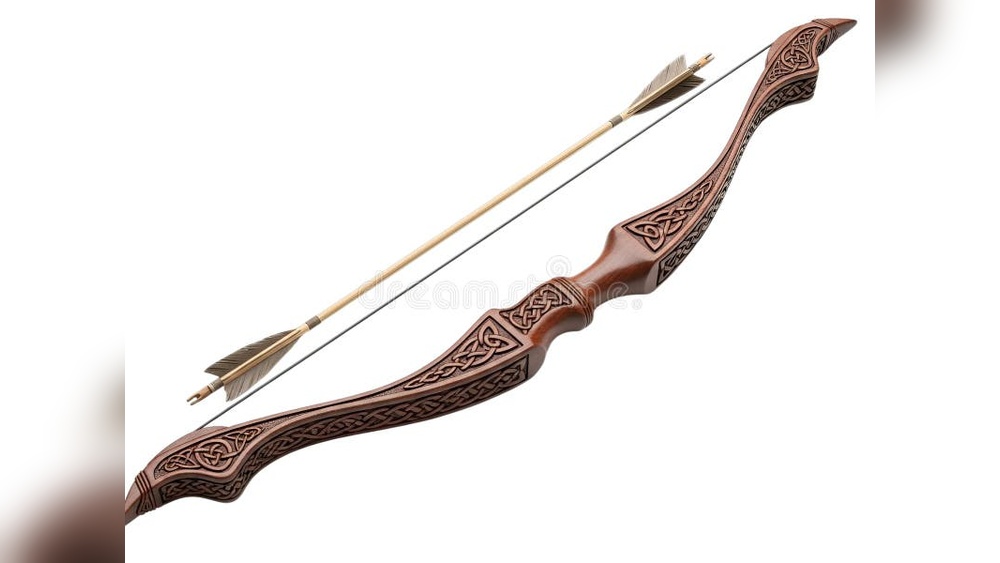
Today, the Celtic recurve bow is mostly a myth. Modern movies sometimes show painted Celtic warriors with short, curved bows. But the real story is more about simple wooden bows, used for hunting or as backup weapons.
Some modern bowyers (bow makers) have tried to recreate what a Celtic recurve might have looked like, using ancient tools and materials. Their results mostly resemble simple self-bows, not the powerful composite recurves of the Scythians.
How Modern Historians Study Ancient Bows
Because wood rarely survives, historians use several methods to study ancient bows:
- Arrowhead Analysis: The size and weight of arrowheads can suggest the type of bow that fired them.
- Experimental Archaeology: Experts try to build and shoot ancient-style bows to see what works.
- Art Study: Ancient carvings, coins, and pottery sometimes show archers in action.
- Written Records: Roman and Greek writings, while biased, give clues about what weapons were common.
Pro Tip: If you want to see a possible Celtic bow, visit museums with Iron Age collections. Sometimes, even a single curved piece of wood can open new debates among historians.

Credit: www.lochcarron.co.uk
Did The Celts Influence Other Bow Users?
The Celts were known for their ironwork and for spreading new tools and weapons across Europe. However, when it comes to the recurve bow, the influence seems to have gone the other way. Steppe archers introduced the recurve bow to the Balkans and even to Rome, not the other way around.
The only possible exception is in the far eastern Celtic tribes, who sometimes copied the weapons of their neighbors. But for most of Celtic Europe, the bow was a simple tool, not a symbol of military power.
What We Still Don’t Know
Archaeology is always changing. A new find could change what we know about Celtic bows. For now, the best evidence shows that while the Celts used bows, they did not widely use the recurve type. If they did, it was rare and limited to border regions.
One mystery is whether some Celtic mercenaries fighting for foreign armies ever learned to use the recurve bow. This is possible, but not proven.
Summary Table: Celtic Bow Use By Region
Here’s a quick look at Celtic archery by region:
| Region | Bow Type | Evidence | Notes |
|---|---|---|---|
| Britain/Ireland | Self-bow/longbow | Arrowheads, bog finds | No recurve bows found |
| Gaul (France) | Self-bow | Arrowheads | Rare bow remains |
| Balkans (Galatians) | Possible recurve | Some curved tips | Steppe influence likely |
| Central Europe | Self-bow | Arrowheads | No clear recurve evidence |
Frequently Asked Questions
Did The Celts Invent The Recurve Bow?
No, the recurve bow was invented much earlier in Central Asia by steppe