Are Recurve Bows Good for Beginners? Expert Guide & Tips
Choosing the right bow as a beginner can feel overwhelming. There are many types, but recurve bows often catch people’s attention. Maybe you’ve seen them in the Olympics or at your local archery range. But are recurve bows actually good for beginners? This article will give you a clear, honest answer. You’ll learn about the features, challenges, and real-life experiences with recurve bows, so you can decide if they fit your needs.
What Is A Recurve Bow?
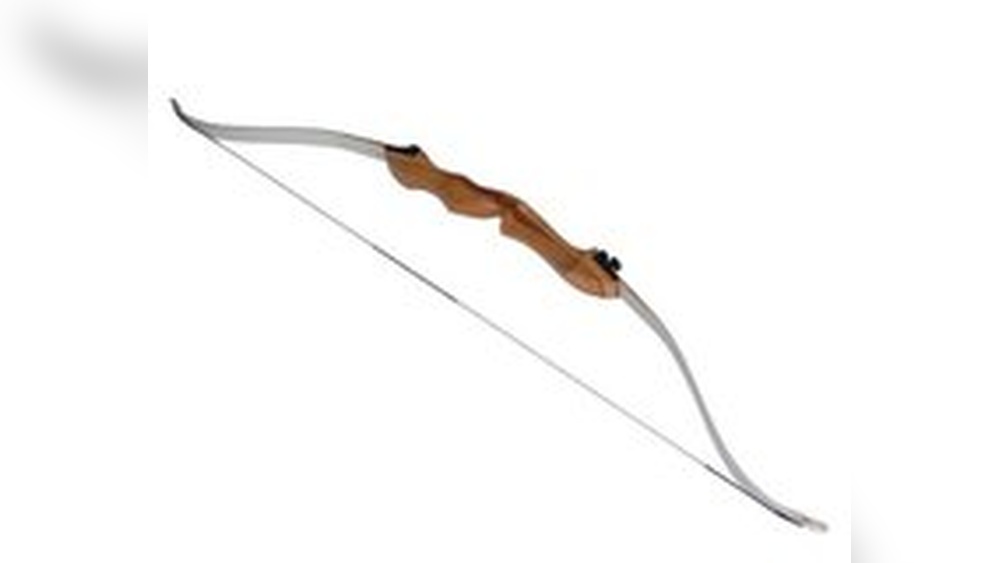
A recurve bow is a classic style of bow. It gets its name from the way the limbs curve away from the archer when unstrung. This shape gives the bow more power and speed than a straight-limbed bow of the same size.
The recurve bow is used by Olympic archers, hunters, and hobbyists around the world. Unlike compound bows, recurve bows have fewer moving parts and are generally lighter. They rely on the archer’s skill and strength rather than high-tech gadgets.
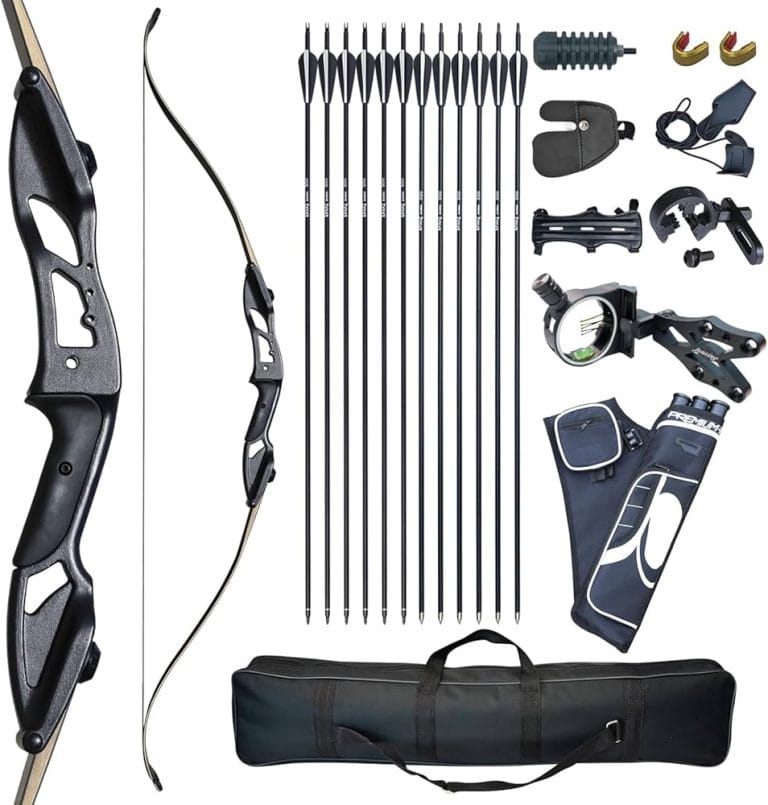
You can find recurve bows made of wood, fiberglass, or carbon. Most beginner models have a takedown design, which means the limbs can be removed from the riser for easier transport and storage.
Why Beginners Choose Recurve Bows
Many new archers are drawn to recurve bows for several reasons:
- Simple mechanics, There are no pulleys or cables, so it’s easy to understand how the bow works.
- Affordable options, Entry-level recurve bows are often cheaper than compound bows.
- Skill development, Recurve bows encourage good form and technique.
- Versatility, They can be used for target shooting, hunting, and even competitive archery.
But these points only scratch the surface. Let’s look deeper at the features and challenges of recurve bows for beginners.
Credit: www.60xcustomstrings.com
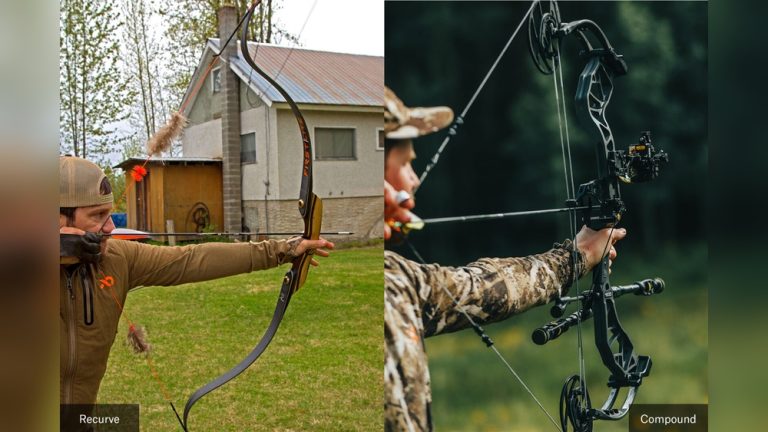
Recurve Bows Vs. Other Bow Types
How does a recurve bow compare to other common bows? Here’s a simple breakdown using a data table.
| Bow Type | Ease of Use | Cost (Entry-level) | Maintenance | Weight | Skill Required |
|---|---|---|---|---|---|
| Recurve Bow | Medium | $100-$300 | Low | Light | Moderate |
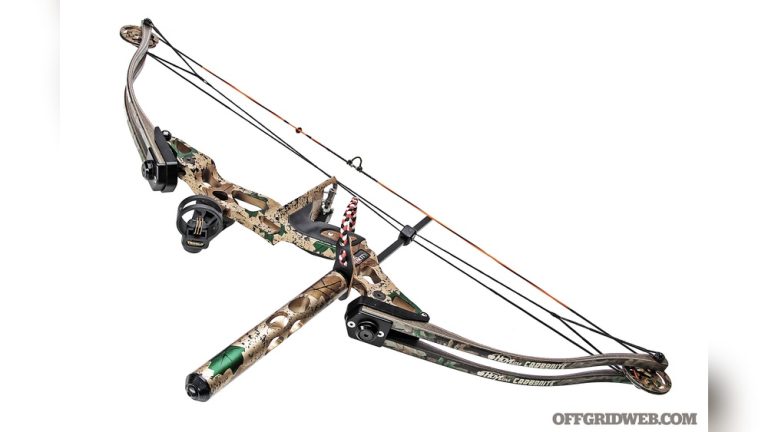
| Compound Bow | Easy | $250-$600 | Medium | Medium | Low |
| Longbow | Hard | $150-$400 | Low | Light | High |
As you can see, recurve bows offer a balance between price, simplicity, and required skill. They are not the easiest to master, but they help beginners build solid archery skills.
Key Features Of Recurve Bows For Beginners
Several features make recurve bows a good choice for new archers:
Takedown Design
Most beginner recurve bows are takedown bows. You can remove the limbs from the riser, which makes the bow easy to carry and store. If your skill grows, you can upgrade the limbs without buying a whole new bow.
Adjustable Draw Weight
Draw weight is the force needed to pull back the bowstring. Entry-level recurve bows often have draw weights from 15 to 30 pounds. This range is comfortable for most beginners, including teens and adults.
Pro Tip: Start with a lower draw weight. This helps you learn proper form and avoids muscle strain.
Lightweight Construction
A recurve bow is usually lighter than a compound bow, especially in the entry-level range. This makes it easier to handle and reduces fatigue during practice.
Simple Accessories
You can add accessories like sights, arrow rests, and stabilizers to a recurve bow. But you don’t need many extras to get started. This keeps your setup simple and affordable.
Learning Curve And Challenges
While recurve bows are popular, they are not “easy” in the sense of instant mastery. Here’s what beginners should expect:
Skill-based Shooting
With a recurve bow, there is no let-off (reduction in draw weight at full draw) like on compound bows. You must hold the full draw weight until you release the arrow. This builds strength but can be tiring.
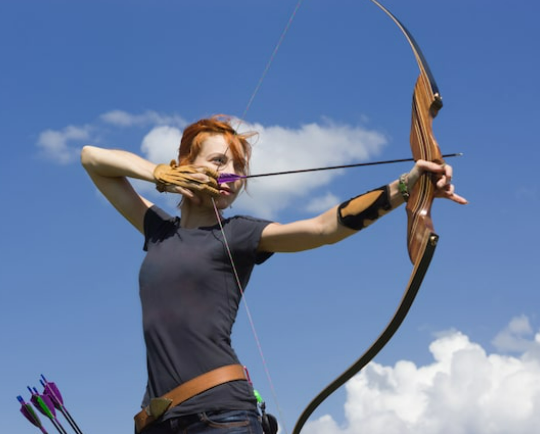
You’ll need to learn basic archery form: stance, grip, anchor point, and release. Most beginners need a few weeks to get comfortable.
Accuracy Requires Practice
Recurve bows do not have advanced sights or mechanical aids. Your accuracy depends on your technique and practice. For some, this is motivating, you see real improvement as your skills grow.
Stringing And Safety
One step that surprises beginners is stringing the bow. You must attach the string carefully, using a bow stringer to avoid damage or injury. This is not difficult, but it’s important to learn the correct method.
Arrow Selection
Recurve bows need arrows matched to their draw weight and length. Choosing the wrong arrows can hurt your accuracy and safety. Most stores or archery clubs can help you pick the right arrows.
Comparing Beginner Recurve Bows
To help you choose, here’s a comparison table of popular beginner recurve bows:
| Model | Draw Weight Range | Takedown Feature | Price Range | Recommended Age |
|---|---|---|---|---|
| Samick Sage | 25, 60 lbs | Yes | $130, $160 | Teen, Adult |
| Southwest Archery Spyder | 20, 60 lbs | Yes | $150, $180 | Teen, Adult |
| Bear Archery Titan | 15, 29 lbs | No | $60, $90 | Youth, Teen |
These bows are often recommended for beginners because they balance price, quality, and ease of use. The Samick Sage is a favorite among new adult archers, while the Bear Titan is good for younger beginners.
Safety And Maintenance
Safety is always important in archery. Recurve bows have fewer moving parts than compound bows, so maintenance is simple. Here’s what beginners should know:
- Inspect your bow before each use for cracks or loose fittings.
- Use a bow stringer to string or unstring your bow safely.
- Store your bow in a cool, dry place to avoid warping.
- Check arrows for damage before shooting.
- Wear arm guards and finger tabs to protect against string slap.
Simple maintenance makes a big difference. Neglecting your bow can lead to safety risks and poor performance.
Practical Advantages For Beginners
Recurve bows offer some practical benefits for new archers:
Affordability
Beginner recurve bows and arrows are less expensive than compound setups. You can start with a basic kit for under $200. This lets you try archery without a big investment.
Portability
A takedown recurve bow fits easily in a backpack or case. This is helpful if you travel to a range or want to practice outdoors.
Skill Growth
Learning with a recurve bow helps you understand the fundamentals of archery. You develop strong form, focus, and muscle memory. These skills transfer well if you later switch to compound or longbows.
Community Access
Many archery clubs and programs use recurve bows. This makes it easy to find lessons, join events, and connect with other beginners.
Common Mistakes Beginners Make
It’s easy to make mistakes when starting with a recurve bow. Here are some to watch out for:
- Choosing too high draw weight, This leads to poor form and fatigue.
- Ignoring proper stringing technique, Can damage the bow or cause injury.
- Using mismatched arrows, Hurts accuracy and may be unsafe.
- Skipping safety gear, Arm guards and finger tabs are essential.
- Rushing technique, Focus on learning form before aiming for high scores.
Pro Tip: Take a lesson or join a club. Guidance from experienced archers helps you avoid these common errors.
Recurve Bows In Competitive Archery
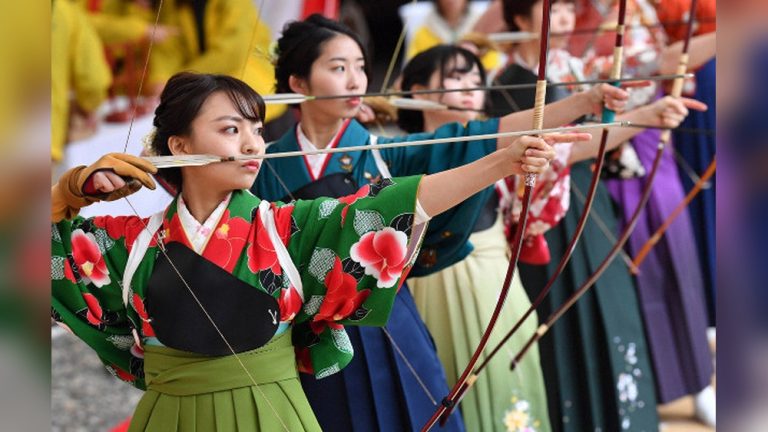
Recurve bows are the only type allowed in Olympic archery. This shows their capability for high-level performance. Many archers start with a recurve bow and continue using it as they advance.
Competitive recurve bows have advanced features and accessories, but the basic skills are the same. If you dream of competition, starting with a recurve bow is a good path.
Recurve Bows For Hunting
Some beginners are interested in bow hunting. Recurve bows can be used for hunting, but they require more practice than compound bows. You need to master accuracy and strength to make ethical shots.
Most hunting recurve bows have higher draw weights (40 lbs or more). Beginners should start with target practice and upgrade their limbs when ready.
Warning: Always check local hunting laws and consult experts before hunting with a recurve bow.
Real-life Beginner Experiences
A new archer testing several recurve bows will notice a few things. The first few sessions felt challenging. My arms tired quickly, and my accuracy was poor. But after two weeks, my form improved, and my shots became more consistent.
Many beginners report similar experiences. The learning curve is real, but progress comes quickly with regular practice.
Example: One archery club found that 80% of new members started with recurve bows. Most stayed with recurve for their first year before trying other types.
Credit: www.yuvaleizikblog.com
Non-obvious Insights For Beginners
Here are two insights that many beginners miss:
- Bow length matters: A longer recurve bow is more forgiving and stable, which helps accuracy. For most adults, a 66, 68 inch bow is ideal. Shorter bows are harder to shoot well.
- Proper anchor point: Finding a consistent anchor point (where your hand touches your face at full draw) improves accuracy more than buying fancy accessories.
Most beginners focus on draw weight and price, but these two factors have a bigger impact on your early results.
Is A Recurve Bow Right For You?
If you want to learn archery with simple equipment and build solid skills, a recurve bow is a strong choice. It’s affordable, portable, and widely supported by clubs and programs. You must be willing to practice and accept the learning curve, but the rewards are real.
Some beginners prefer compound bows for easier aiming and holding. That’s fine, but compound bows cost more and rely on technology rather than technique.
If you value tradition, skill growth, and community support, recurve bows are a good fit.
Recurve Bow Buying Guide For Beginners
When choosing your first recurve bow, focus on these factors:
- Draw weight: Start with 15, 25 lbs for most adults, or 10, 15 lbs for youth.
- Bow length: Choose a bow 2, 4 inches longer than your arm span.
- Takedown design: Allows easy upgrades and transport.
- Quality materials: Look for wood, fiberglass, or carbon limbs.
- Comfortable grip: Try holding the riser before buying.
Avoid buying a bow that’s too heavy or too short. Test the bow if possible, or ask for advice from experienced archers.
Accessories For Beginner Recurve Bows
You don’t need much to start, but a few accessories help:
- Bow stringer: Essential for safe stringing.
- Arm guard: Protects your forearm from string slap.
- Finger tab or glove: Prevents finger pain.
- Basic sight: Helps aiming but is optional.
- Arrow rest: Keeps arrows steady.
Pro Tip: Invest in safety gear before fancy accessories. Comfort and protection matter most at the start.
Recurve Bow Maintenance Tips
Keeping your recurve bow in good shape is simple:
- Check limbs and riser for cracks or damage.
- Wax the string every few weeks to prevent fraying.
- Store unstrung when not in use for long periods.
- Clean the bow with a soft cloth after practice.
- Replace worn parts promptly.
Regular care extends your bow’s life and keeps it performing well. You don’t need advanced skills, just basic attention.
Recurve Bow Training Resources
Many resources help beginners learn recurve archery:
- Local archery clubs: Offer lessons and equipment.
- Online videos: Teach form, safety, and technique.
- Books: Such as “Archery Fundamentals” by Douglas R. Rudd.
- Official guides: The USA Archery website has beginner tips.
You can also find guidance at Wikipedia for historical and technical details.
Frequently Asked Questions
What Is The Best Draw Weight For A Beginner Recurve Bow?
For most adults, 15, 25 lbs is a comfortable starting point. Youth archers should use 10, 15 lbs. This allows you to focus on form and avoid injury. As you build strength, you can upgrade to higher weights.
How Do You Safely String A Recurve Bow?
Always use a bow stringer to string or unstring your recurve bow. The bow stringer prevents limb damage and lowers the risk of injury. Follow the instructions carefully, and ask a coach or experienced archer for help if you’re unsure.
Can You Use A Recurve Bow For Hunting As A Beginner?
While recurve bows are used in hunting, beginners should focus on target practice first. Hunting requires higher draw weights (40 lbs or more) and excellent accuracy. Practice for several months before considering bow hunting, and always follow local laws.
What Accessories Are Essential For A Beginner Recurve Bow?
The most important accessories are a bow stringer, arm guard, and finger tab or glove. These protect you and make shooting more comfortable. Optional accessories include a basic sight and arrow rest. Fancy gear is not needed at the start.
Is It Hard To Learn Archery With A Recurve Bow?
Learning archery with a recurve bow takes time and practice. The learning curve is steeper than with a compound bow, but progress comes quickly. Most beginners see improvement within a few weeks. Lessons and guidance