How Do You Aim With a Recurve Bow for Better Accuracy
Do You Aim With A Recurve Bow
Learning to aim with a recurve bow is both an art and a science. For many, the image of archery brings to mind ancient warriors or Olympic champions, each with a bow drawn, eyes locked on a distant target. But what does it actually mean to “aim” with a recurve bow?
The answer is more complex than simply pointing and shooting. Unlike modern compound bows with advanced sights and triggers, recurve bows often require more intuition, control, and practice. If you’re new to archery or switching from another type of bow, understanding the aiming process can feel confusing.
This guide will break down how to aim with a recurve bow, what methods are used, the pros and cons of each, and how to improve your accuracy over time.
Whether you shoot for fun, competition, or even hunting, mastering your aim is essential. With the right information and practice, you can improve your consistency and enjoy the unique satisfaction of hitting your mark with a recurve bow.
What Makes Aiming With A Recurve Bow Unique?
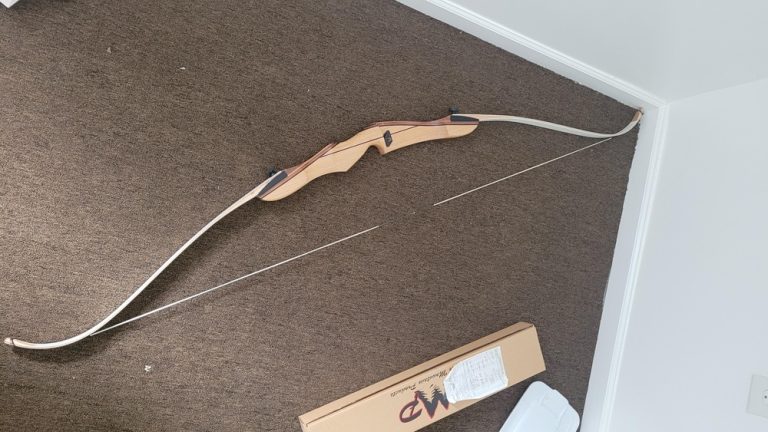
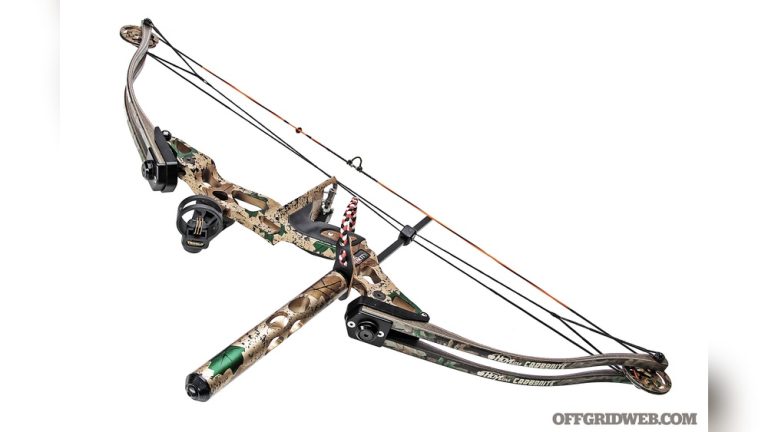
A recurve bow stands out because of its simple design and the skill required to shoot it well. Unlike compound bows, recurve bows typically do not have mechanical aids. This means the archer must rely on their body, eyes, and mind to aim and shoot accurately.
Many recurve bows are used in Olympic events, but traditional archers and hunters also favor them for their reliability and challenge. The curved limbs give the bow its name and add power to the shot without making the bow too long.
Why Not Just Point And Shoot?
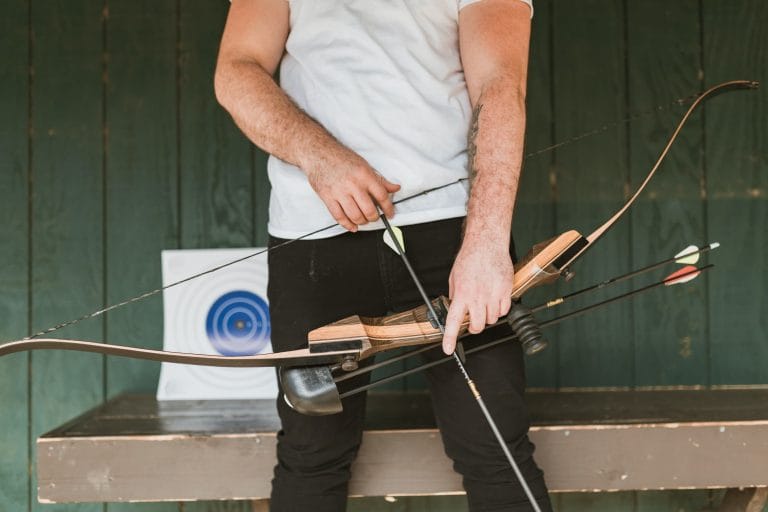
Aiming with a recurve bow is not as direct as aiming a gun. Your anchor point, posture, and even the way you look at the target all play a part. Small mistakes can lead to big misses. That’s why understanding the basics of aiming is so important.
Pro Tip: Don’t rush to release the arrow. Even experienced archers take a moment to settle their aim before shooting.

Credit: www.youtube.com
The Core Methods For Aiming With A Recurve Bow
There are two main ways to aim: instinctive aiming and sighted aiming. Both methods can lead to accurate shots, but they use different approaches.
Instinctive Aiming
Instinctive aiming is often used by traditional archers. In this method, you don’t use sights or reference points. Instead, you focus entirely on the target. Your mind and body learn through repetition where to aim.
- You look at where you want the arrow to go.
- Your hand and body adjust automatically over time.
- Instinctive aiming relies on muscle memory.
This style is similar to throwing a baseball. You don’t think about the angle or speed, you just throw.
Advantages Of Instinctive Aiming
- Fast for moving targets or hunting.
- Feels natural after enough practice.
- Less equipment to maintain.
Disadvantages
- Takes longer to learn.
- Less precise at long distances.
- Progress is harder to measure.
Sighted Aiming
Sighted aiming uses a physical sight attached to the bow. The archer lines up the sight with the target, similar to aiming a rifle.
- The sight can be a simple pin or a high-tech adjustable device.
- You still need to use a consistent anchor point and good form.
This method is common in Olympic archery and target shooting.
Advantages Of Sighted Aiming
- More accurate at long distances.
- Easier to learn for some people.
- Consistency is easier to achieve.
Disadvantages
- More equipment needed.
- Can be slower for quick shots.
- Sights can break or become misaligned.
Gap Shooting And String Walking
Between instinctive and sighted aiming are gap shooting and string walking. These methods use the arrow tip and string position as reference points.
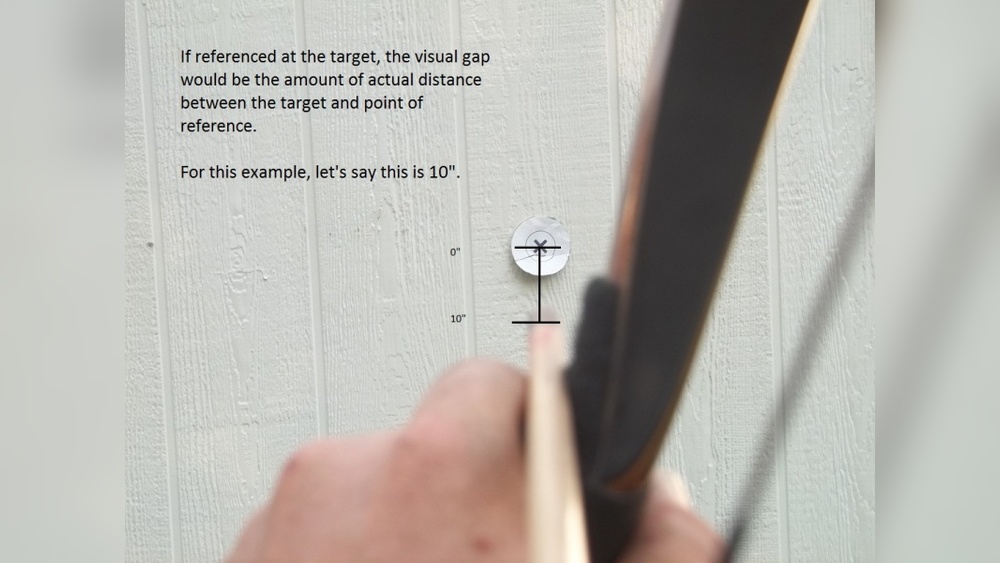
Gap shooting: You use the tip of the arrow as a guide but aim it below, above, or beside the target, depending on distance.
String walking: You change where you hold the string to adjust the arrow’s flight path, keeping the tip on the target.
Both methods require practice but offer a balance between speed and accuracy.
Key Elements That Affect Your Aim
Aiming is not just about your eyes. Many factors can change where your arrow lands. Understanding these will help you make better shots.
Consistent Anchor Point
Your anchor point is where your hand or string touches your face during the draw. A steady anchor point is critical for accuracy.
- Common anchor points: Corner of the mouth, cheekbone, or chin.
- Inconsistent anchor points lead to missed shots.
Bow Grip And Posture
Holding the bow the same way every time helps your aim. Too much grip pressure or twisting can send arrows off course.
- Stand with your feet shoulder-width apart.
- Keep your body relaxed but firm.
Arrow Selection
Not all arrows are the same. The spine (stiffness), length, and tip weight affect how the arrow flies.
- Use arrows matched to your bow’s draw weight.
- Damaged or mismatched arrows reduce accuracy.
Environmental Factors
Wind, rain, and even lighting can impact your aim. Adjust your shot if you notice strong wind or changing conditions.
Physical And Mental State
Fatigue or stress makes it harder to aim well. Shooting after a long day or when you’re distracted often leads to worse results.
Pro Tip: If you’re struggling to aim, take a break. A few minutes of rest can improve your focus.

Credit: oodmag.com
How To Practice Aiming With A Recurve Bow
Improving your aim comes down to focused practice. Here are steps and routines that help build muscle memory and confidence.
Start With Close Targets
Begin at 5, 10 yards. Hitting a large target builds confidence and helps you learn correct form.
- Shoot 20, 30 arrows per session at first.
- Focus on your anchor point and release.
Use Blank Bale Practice
Shoot at a blank target with no bullseye. This removes the pressure to “hit” something and lets you focus on form.
- Helps fix flinching or target panic.
- Encourages muscle memory.
Increase Distance Gradually
Once you’re consistent at close range, move back 5 yards at a time. Don’t rush to shoot long distances. Accuracy is better than range at first.
Record Your Progress
Keep a notebook or use an app to track where your arrows land. Over time, you’ll see patterns and know what to improve.
Try Different Aiming Methods
Experiment with instinctive, gap shooting, and sighted aiming. Each person may find one method that works best for them.
Analyze Your Misses
If your arrows group to the left or right, check your grip, anchor point, or string alignment. Consistent misses in one direction usually mean a form issue.
Tools And Accessories That Aid Aiming
Many archers start with just a bow and arrows, but some accessories can help you aim more accurately and learn faster.
Bow Sights
A sight mounts to your bow and provides a reference point. Modern sights can be adjusted for distance and windage.
- Pin sights: Simple and effective for most archers.
- Target sights: Used in competitions, allow precise adjustments.
Arrow Rests
The arrow rest holds the arrow steady on the bow. A good rest reduces arrow wobble and improves consistency.
- Simple shelf rests are common for traditional recurve bows.
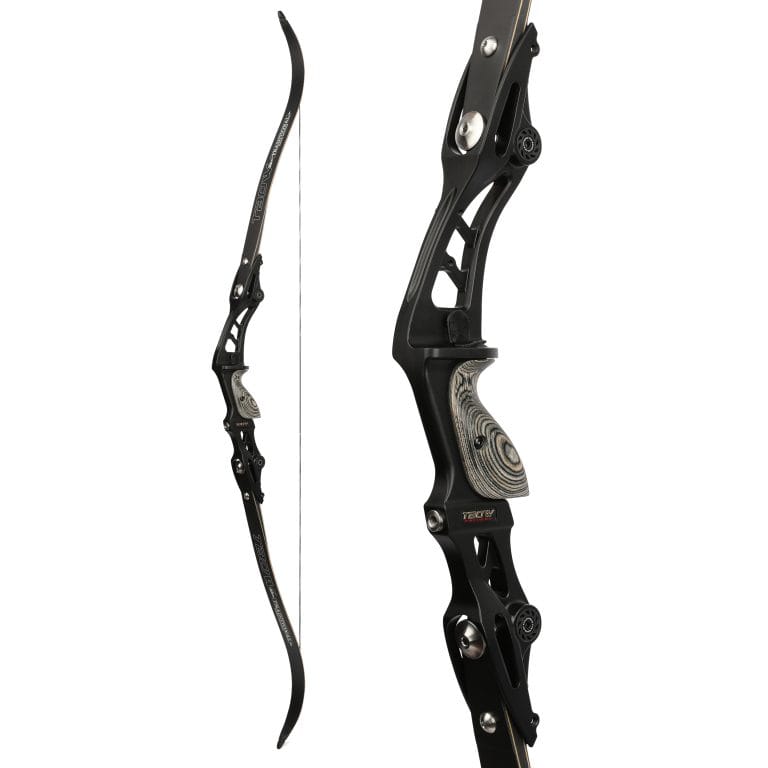
- Plunger rests are used for Olympic-style shooting.
Clickers
A clicker is a thin piece of metal that makes a sound when you reach full draw. It helps you pull the bow to the same length every time.
Stabilizers
Stabilizers add weight to the bow, reducing vibration and helping you hold steady while aiming.
Example: In my experience, adding a short stabilizer made it much easier to keep the bow still when lining up shots for target practice.
Comparing Aiming Methods: Pros And Cons
To help you decide which method might suit you, here’s a comparison of the main aiming styles:
| Aiming Method | Learning Curve | Accuracy Potential | Equipment Needed | Best For |
|---|---|---|---|---|
| Instinctive | Steep | Medium | Minimal | Traditional, Hunting |
| Sighted | Moderate | High | Sight, Rest | Target, Olympic |
| Gap Shooting | Moderate | Medium-High | Minimal | Field, 3D Archery |
| String Walking | Steep | High | Marked Tab | Barebow, Competition |
Common Mistakes When Learning To Aim
Archery is challenging, and many beginners struggle with similar issues. Being aware of these mistakes helps you avoid them.
Inconsistent Anchor Point
If your hand or string touches a different spot on your face each time, your arrows will scatter.
Over-gripping The Bow
Squeezing the handle too tightly causes the bow to twist. Hold the bow gently, just enough to keep it steady.
Focusing Only On The Target
Some new archers look only at the bullseye and forget about their form. Good aiming starts with good posture, grip, and anchor.
Rushing The Shot
Trying to shoot quickly leads to poor results. Take your time to aim, breathe, and release smoothly.
Ignoring Follow-through
Stopping your movement as soon as you release the arrow can throw off your aim. Keep your arm and body steady until the arrow hits.
Pro Tip: Film yourself shooting or ask a coach to watch. They may spot mistakes you don’t notice.
The Role Of Distance And Target Size
How far you shoot and how big your target is will change your aiming method and expectations.
Short Distance Vs Long Distance
At close range (10, 20 yards), mistakes are less obvious. At long range (50+ yards), even a tiny error can cause a big miss.
- Practice at various distances to build confidence.
- Adjust your aim if arrows consistently hit above or below the target.
Target Sizes
Large targets are forgiving, while small ones require more precision. Beginners should start with a bigger target and gradually move to smaller ones.
How To Adjust Your Aim For Different Conditions
No two days on the range are the same. Learning to adjust your aim for conditions is a skill every archer needs.
Wind
A strong crosswind can push your arrows off course. Aim slightly into the wind, and watch how your arrows react.
Elevation
Shooting uphill or downhill changes the arrow’s flight. For steep angles, aim lower than you think.
Lighting
Bright sunlight or deep shadows can make it hard to see your target or sight. Adjust your stance or wear a brimmed hat to reduce glare.

Credit: www.onlinearcheryacademy.com
Real-world Examples: Olympic Vs Traditional Archery
Olympic archers use advanced equipment and precise aiming methods. Their form is strict, and every shot is measured. Traditional archers, by contrast, often shoot instinctively and focus on speed and adaptability.
Olympic Example: An Olympic archer uses a sight, stabilizer, and clicker. Their shots are consistent and measured, with scores often over 650 out of 720 in major events.
Traditional Example: A hunter with a recurve bow may shoot at moving targets, using instinctive or gap shooting for fast, accurate shots in the field.
Both styles require practice, but the tools and methods change the experience.
Tracking Your Progress: Using Data To Improve
Modern archers often use scoring sheets or apps to track their accuracy over time. This helps you see improvement and spot patterns.
| Session | Distance | Arrows in Bullseye | Total Shots | Notes |
|---|---|---|---|---|
| 1 | 10 yards | 8 | 20 | Good anchor, short draw |
| 2 | 15 yards | 6 | 20 | Pulled left, wind present |
| 3 | 20 yards | 5 | 20 | Improved release |
How To Choose The Right Aiming Method For You
There’s no single “best” way to aim with a recurve bow. Your choice depends on your goals, style, and equipment.
- If you enjoy tradition and simplicity, try instinctive aiming.
- For competition or precise target shooting, a sighted method is usually best.
- Field archers often use gap shooting or string walking for flexibility.
Example: When I first started, I struggled with instinctive aiming. Switching to gap shooting helped me understand distance better and improved my scores.
Getting Professional Help
A certified archery coach can speed up your learning. They spot mistakes, suggest drills, and help you choose the right gear.
- Many clubs offer beginner classes.
- Personal coaching can fix bad habits early.
You can also find helpful videos and guides from reputable organizations like USA Archery.
Benefits Of Mastering Your Aim
Learning to aim well with a recurve bow offers more than just better scores.
- Improved focus and patience.
- Greater confidence in your abilities.
- Satisfaction from seeing steady progress.
Archery is a lifelong journey. Each improvement, even a small one, feels rewarding.
Frequently Asked Questions
What Is The Best Anchor Point For Aiming With A Recurve Bow?
The best anchor point is one you can repeat exactly every time. Many archers use the corner of the mouth or jawbone. Try different spots and choose the one that feels most natural. Consistency matters more than the exact location.
Can I Use A Laser Sight Or High-tech Gadget On My Recurve Bow?
Most competitions, like the Olympics or World Archery events, do not allow laser sights or electronics. For casual shooting, you can try them, but learning traditional methods builds lasting skill and confidence.
How Do I Know If My Arrows Are The Right Length For My Bow?
Your arrow should be at least one inch longer than your draw length. If you pull the bowstring back and the arrow tip barely reaches the rest, it’s too short and unsafe. Most archery shops can measure and