Are Recurve Bows Left or Right Handed? Here’s How to Tell
When you first pick up a recurve bow, one question often comes to mind: Are recurve bows left or right handed? The answer is more nuanced than you might expect. Many beginners struggle to understand which bow they should use, especially if they are not aware of what “handedness” means in archery. Choosing the wrong type can make shooting uncomfortable, inaccurate, and even frustrating. But with a clear explanation and a few practical tips, selecting the right recurve bow becomes much simpler.
This article takes you through everything you need to know about recurve bow handedness. You’ll learn how to tell the difference between left and right handed bows, how your dominant eye and hand influence your choice, and what to do if you’re left-handed but right-eye dominant (or vice versa).
We’ll look at how manufacturers label bows, compare key features, and address common mistakes people make. If you’re shopping for your first bow or helping someone else, you’ll find practical advice and data-driven comparisons to guide you.
Understanding Handedness In Recurve Bows
Handedness in archery isn’t just about whether you write with your left or right hand. In fact, many people are surprised to learn that eye dominance can be just as important as hand dominance.
What Does “handedness” Mean In Archery?
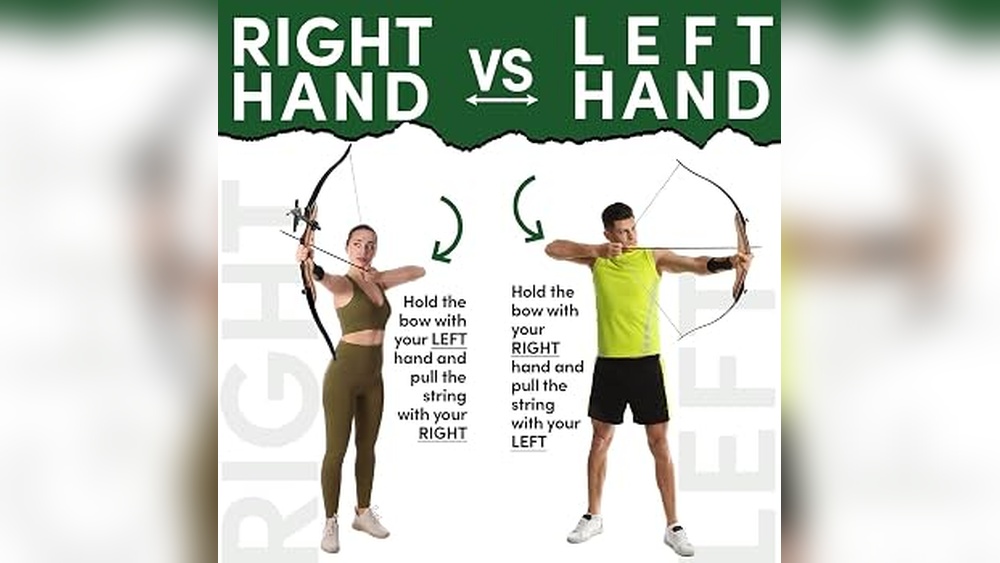
In archery, a “right handed” bow is designed to be held in the left hand while the string is drawn back with the right hand. A “left handed” bow is the opposite: it’s held in the right hand, and the string is drawn with the left hand.
The confusion comes because we often think of the dominant hand as the one that holds the bow, but in reality, it’s the one that pulls the string. This is why the terms can be misleading for beginners.
Example: If you write with your right hand, you might assume you need a right handed bow. But if your left eye is dominant, you might actually shoot better with a left handed bow.
Why Does It Matter?
Choosing the wrong handedness can affect:
- Accuracy: You’ll struggle to aim properly if you don’t match your dominant eye.
- Comfort: Drawing the string with your non-dominant hand feels awkward and can strain muscles.
- Progress: Developing good habits is harder with the wrong setup.
Pro Tip: Always test both types of bows if you’re unsure. A few shots will often make the right choice clear.
How To Identify Left And Right Handed Recurve Bows
Not all recurve bows look dramatically different, but there are reliable ways to tell them apart.
Physical Differences
Look at the arrow rest and the sight mounts:
- On a right handed bow, the arrow rest is on the left side of the riser (as you hold it in your left hand).
- On a left handed bow, it’s on the right side.
Most modern bows also have sight mounts or bushings on the same side as the rest.
Labeling
Manufacturers usually label bows as “RH” for right handed or “LH” for left handed. But sometimes the label is only on the packaging or in the product listing, not the bow itself. Always double-check before buying.
Here’s a quick reference:
| Bow Type | Hand Holding Bow | Hand Drawing String | Arrow Rest Location |
|---|---|---|---|
| Right Handed | Left | Right | Left Side of Riser |
| Left Handed | Right | Left | Right Side of Riser |
Testing By Handling
If possible, hold the bow and mimic the shooting motion:
- If it feels natural to pull the string with your right hand, it’s a right handed bow.
- If it feels best with your left, it’s left handed.
Many archery shops will let you try both to see which suits you.

Credit: malphursgroup.com
Eye Dominance Vs. Hand Dominance
A common beginner mistake is choosing a bow only based on which hand is stronger. In reality, eye dominance can make a bigger impact on your aiming and accuracy.
What Is Eye Dominance?
Eye dominance means one eye provides more accurate information to your brain when aiming. About 70% of people are right-eye dominant, but it’s not tied to being right-handed.
How To Test Eye Dominance
Here’s a simple test:
- Make a small triangle with your hands by overlapping your thumbs and forefingers.
- Focus on a distant object through the triangle with both eyes open.
- Close your left eye. If the object stays in view, you’re right-eye dominant. If it moves, try closing your right eye, if the object stays, you’re left-eye dominant.
Matching Eye And Hand
- Same Side Dominant: If your dominant hand and eye match (e.g., both right), choose the bow for that side.
- Cross-Dominant: If your hand and eye are different (e.g., right-handed but left-eye dominant), you have two choices:
- Shoot with your dominant eye (easier aiming, but may feel awkward at first).
- Shoot with your dominant hand (feels more natural, but aiming may be harder).
Key Features Of Left And Right Handed Recurve Bows
While the basic function is the same, some features are unique to each handedness.
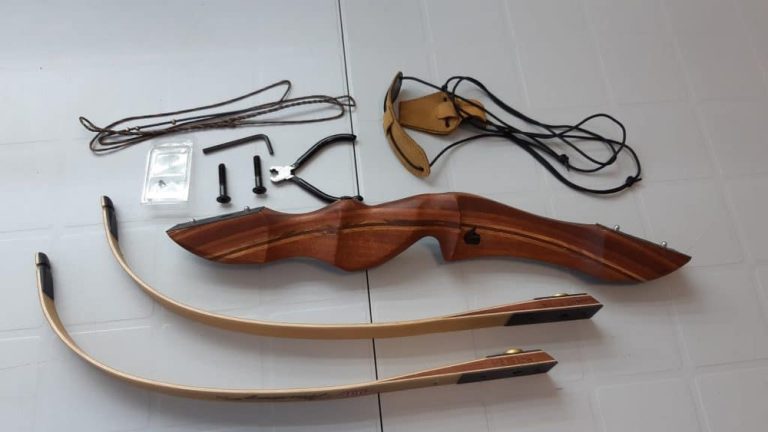
Riser Design
The riser is the central part of the bow. Most risers are not symmetrical. The grip, sight window, and shelf are shaped to fit the shooter’s handedness for better comfort and control.
Arrow Rest And Shelf
The arrow rest and shelf are always on the side opposite your drawing hand. This helps guide the arrow and supports more accurate shooting.
Sight Placement
If you use a sight, it must be mounted on the side facing your dominant eye. Right handed bows have sights on the left side, and left handed bows on the right.
String And Nocking Point
The string and nocking point are the same for both, but you will nock (attach) the arrow on the side that matches your handedness.
Accessory Compatibility
Some accessories (like plunger buttons or clickers) are side-specific. Always buy parts meant for your bow’s handedness.
How To Choose The Right Handedness For You
Selecting the correct recurve bow is about matching your physical traits and comfort.
Step-by-step Selection Guide
- Test Eye Dominance: Use the triangle test to find your dominant eye.
- Decide Based on Eye or Hand: If you’re not cross-dominant, match both. If you are, choose which you want to prioritize.
- Try Both Types: If possible, shoot a few arrows with each type.
- Check Fit and Comfort: A bow should feel natural in your hands.
- Ask for Expert Help: Coaches or shop staff can give you feedback.
Common Mistakes To Avoid
- Assuming your handedness is the same for writing and archery.
- Overlooking eye dominance.
- Buying a bow online without checking the label carefully.
- Not testing both types before buying.
Manufacturer Differences And Market Trends
Bows from different brands may have small but important differences in how they design for handedness.
Major Brands And Their Handedness Options
Most leading brands, such as Hoyt, Samick, and Bear Archery, offer both left and right handed versions of their popular recurve bows. However, left handed models are sometimes less widely available, especially in entry-level or youth sizes.
How Models Differ
Some recurve bows are “ambidextrous,” with a symmetrical riser and arrow rest on both sides. These are great for clubs or beginners, but most serious archers choose a dedicated left or right handed bow for better performance.
Here’s a comparison of common features:
| Brand | Left Handed Availability | Ambidextrous Models | Accessory Compatibility |
|---|---|---|---|
| Hoyt | Yes (most models) | Few | Hand-specific |
| Samick | Yes | Some | Hand-specific |
| Bear Archery | Limited | Several | Some universal |
Market Trends
Data from archery retailers show that right handed bows outsell left handed bows by about 9 to 1, which matches the general population’s right-handedness. However, more brands are expanding their left handed options as archery grows in popularity.
Practical Considerations When Buying Your Bow
Choosing between left and right handed recurve bows isn’t just about your body, it’s about your archery goals and how you plan to shoot.
Who Should Choose A Left Handed Bow?
- Left-eye dominant archers: Even if you’re right handed, it may be worth switching if aiming is difficult.
- Left handed individuals: If you do most things with your left hand, it may feel more natural.
- Archers with injuries: Sometimes injury or disability means using the non-dominant hand.
Who Should Stick With Right Handed?
- Right-eye dominant archers: Especially if you’re right handed.
- Most beginners: Unless you have a good reason, start with your dominant side.
Special Cases
- Youth archers: Younger shooters often adapt quickly to either handedness.
- Ambidextrous archers: Some people are comfortable with both; try both and choose what feels best.
Price And Availability
Left handed bows can sometimes cost more or be harder to find. This is especially true for used bows or rare models. Plan ahead and check local stores or online listings.
How Handedness Affects Performance And Progress
Handedness isn’t just about comfort. It impacts your learning, accuracy, and enjoyment.
Accuracy
Shooting with your dominant eye improves sight alignment, making it easier to aim consistently. This is why many coaches recommend matching your bow to your dominant eye, even if it feels awkward at first.
Learning Curve
It can take a few weeks to adjust if you switch handedness. But most archers improve faster once they get used to the new setup.
Long-term Habits
Starting with the correct handedness helps you develop good form, reduce injury risk, and avoid bad habits that are hard to fix later.
Warning: Forcing yourself to use the wrong handedness can cause frustration and slow progress.
Comparing Left And Right Handed Recurve Bows
Let’s compare left and right handed recurve bows on key points.
| Feature | Right Handed Bow | Left Handed Bow |
|---|---|---|
| Holding Hand | Left | Right |
| Drawing Hand | Right | Left |
| Arrow Rest Side | Left | Right |
| Availability | High | Lower |
| Accessory Support | Wider | Some limits |
| Resale Value | Higher | Lower |
Myths And Misconceptions
Myth 1: You Must Match Your Writing Hand
Many believe your writing hand determines bow choice. In reality, eye dominance is often more important for accuracy.
Myth 2: Left Handed Bows Are Only For Left-handed People
Plenty of right handed people shoot left handed if their left eye is dominant.
Myth 3: You Can’t Switch Later
While not ideal, it’s possible to retrain if you discover you’ve been using the “wrong” handedness. It just takes patience and practice.

Credit: www.amazon.com
Practical Tips For Beginners
- Test before you buy. Visit a range or shop and try both types.
- Ask for coaching. Small form corrections help you adapt to the right bow.
- Check used markets. Left handed bows may be rare, but deals can be found.
- Join an archery club. Clubs often have both types for new shooters.
Resources And Further Learning
For those wanting to go deeper, the USA Archery website has guides and training videos for all skill levels. You can also find more about eye dominance and handedness from reputable resources like the Wikipedia page on eye dominance.

Credit: www.reddit.com
Frequently Asked Questions
What Happens If I Use The Wrong Handedness Recurve Bow?
Using the wrong handedness can make aiming and drawing uncomfortable, and your accuracy may suffer. Over time, you might develop bad habits or even strain your muscles. If you discover you’re using the wrong type, switch as soon as possible to avoid long-term issues.
Can I Shoot A Right Handed Bow If I’m Left Handed?
It’s possible, but not recommended unless you’re also right-eye dominant or have no other option. Some left handed archers adapt to right handed bows, especially if that’s all that’s available. However, most people shoot better and more comfortably with a bow that matches their natural handedness.
Are Ambidextrous Recurve Bows A Good Choice?
Ambidextrous bows are helpful for beginners or clubs, since anyone can use them. However, they usually lack the ergonomic grip and precision of a dedicated left or right handed bow. If you plan to shoot regularly or compete, a hand-specific bow is better.