Are Recurve Bows Worth It in SHTF? Survival Pros and Cons
When people talk about SHTF (“stuff hits the fan”) scenarios, they often think about food, water, and self-defense. But weapons for survival are just as important. The recurve bow is a classic tool that often comes up in survival circles. Some see it as old-fashioned, while others see it as essential. Is a recurve bow really worth having when things go bad? Or is it just a romantic idea from movies and history books?
Let’s take a practical look. We’ll explore the strengths and weaknesses of recurve bows in SHTF situations, compare them to other weapons, and help you decide if one should be part of your survival plan.
What Is A Recurve Bow?
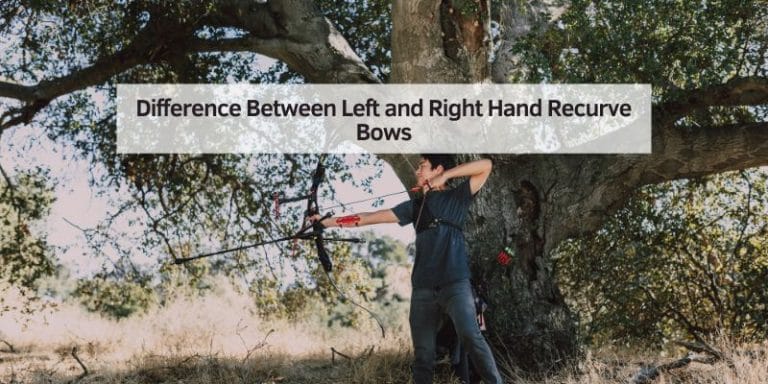
A recurve bow is a type of traditional bow. Its limbs curve away from the archer at the ends. This shape stores more energy and delivers it more efficiently than a straight-limbed bow. Most recurve bows are made from wood, fiberglass, or modern composites. They can be one-piece or take-down (meaning you can break them down into smaller parts for transport).
Recurve bows have been used for centuries, from Mongol horse archers to Olympic athletes today. In a survival context, their simple design means fewer things can go wrong compared to modern weapons.
Why Do Preppers Consider Recurve Bows?
Many survivalists and preppers add a recurve bow to their gear for good reasons. Here’s why this weapon is often discussed:
- Silent shooting: Recurve bows are much quieter than firearms. You can hunt or defend yourself without drawing attention.
- Reusable ammo: Arrows can often be recovered and reused, unlike bullets.
- Low maintenance: They have fewer moving parts and don’t need gunpowder or batteries.
- Legal access: In most places, bows are less restricted than firearms.
But there’s more to the story. Let’s dig deeper into the pros and cons.
Advantages Of Recurve Bows In Shtf
Stealth And Silence
One of the biggest strengths of a recurve bow is its silent operation. When you shoot, there’s only a soft “thump.” This can be a huge advantage in situations where you don’t want to attract attention from people or animals. For example, if you’re hunting for food, a gunshot could scare away all nearby wildlife and alert others to your presence.
Reusable And Craftable Ammunition
Arrows can be used multiple times. If you miss, you can often retrieve and reuse them. Even if you run out, you can craft basic arrows from sticks and natural materials. While homemade arrows won’t be as perfect as factory-made ones, they’re better than nothing, a big deal if supply chains break down.
Low Maintenance And Durability
Recurve bows are simple. No complicated parts, electronics, or gunpowder. With basic care (keeping it dry, waxing the string), a recurve bow can last for decades. In my experience, a well-maintained bow shot reliably even after years of storage.
Versatility For Hunting And Defense
A recurve bow can be used for both hunting and defense. You can hunt small game quietly and even take larger animals with the right draw weight and arrow. For defense, while not as quick as a firearm, a bow can still deter or injure threats at a distance.
Legal And Portable
In most countries and US states, bows are less regulated than guns. You don’t need a license in many places, and you can travel with them more easily. Take-down recurve bows are especially portable and easy to hide in a backpack.
Disadvantages Of Recurve Bows In Shtf
Steep Learning Curve
Becoming accurate with a recurve bow takes practice. Unlike firearms, there’s no trigger or scope (unless you add one). You must learn proper form, draw, and release. Hitting a target under stress is harder than it looks. Many beginners overestimate how quickly they’ll become effective.
Limited Range And Power
A recurve bow’s effective range is usually between 20, 40 yards for hunting. Beyond that, accuracy drops sharply. Also, even with a heavy draw weight, a bow’s stopping power is less than a firearm. Against large animals or human threats, you need a precise shot.
Slower Rate Of Fire
Reloading and shooting a bow is slower than firing a gun. In a defense situation with multiple attackers, this can be a serious drawback. You must stay calm, nock an arrow, draw, and aim, all under pressure.
Weather Sensitivity
Wooden bows can be affected by moisture and heat. Wet conditions may weaken the limbs or warp wooden arrows. While modern materials help, you still need to protect your gear from bad weather.
Arrow Supply And Durability
While arrows are reusable, they can break, bend, or get lost. Making high-quality arrows in the wild takes skill and time. If you lose your supply, your bow becomes much less useful.
Comparing Recurve Bows With Other Weapons
The choice of survival weapon often comes down to context. Let’s compare recurve bows to other popular SHTF weapons.
| Weapon Type | Stealth | Ammo Availability | Ease of Use | Maintenance | Legal Restrictions |
|---|---|---|---|---|---|
| Recurve Bow | Very High | Reusable, Craftable | Requires Training | Low | Low |
| Firearm | Low | Finite, Hard to Make | Moderate | Moderate/High | High |
| Crossbow | High | Reusable, Hard to Make | Moderate | Moderate | Moderate |
| Sling | Very High | Unlimited (stones) | Difficult | Very Low | Low |
As shown, recurve bows stand out for stealth, legal access, and low maintenance, but fall behind in ease of use and raw power.
Use Cases: When Does A Recurve Bow Shine?
A recurve bow isn’t perfect for every situation. Here are the SHTF scenarios where it truly excels:
Quiet Hunting In The Wild
When food is scarce and you need to hunt, a recurve bow lets you take small to medium game without scaring off every animal for miles. If you’re moving through woods or rural areas, this stealth can keep you fed without giving away your location.
Defending A Homestead Quietly
If you need to defend a camp or home, but don’t want to start a gunfight or attract more trouble, a bow gives you a silent deterrent. Sometimes the sight of a drawn bow is enough to send troublemakers away.
Mobility And Low Profile
If you’re on the move, bugging out on foot, a take-down recurve bow is easy to carry. It doesn’t look threatening to most people, so you can blend in better than with a rifle.
Resource-poor Environments
If you run out of factory-made supplies, a recurve bow lets you keep fighting or hunting longer. Arrows can be made from wood, feathers, and sharp stones or scrap metal.

Credit: www.survivalarcherysystems.com
Where Recurve Bows Fall Short
No tool is perfect. In a full-blown firefight or against multiple armed attackers, a bow is at a disadvantage. If you’re defending a fixed position against a determined group, firearms offer more stopping power and faster follow-up shots.
Also, in open environments like deserts or plains, where targets may be far away, the bow’s limited range becomes a problem.
What To Look For In A Survival Recurve Bow
Not all recurve bows are created equal. If you want one for SHTF, consider these factors:
- Draw Weight: For hunting, a 40, 50 lb draw weight is recommended. Lower weights are easier to pull but less powerful.
- Take-Down Design: Take-down bows can be disassembled, making them easier to carry and repair.
- Material: Fiberglass and composite bows resist weather better than wood.
- Length: Longer bows are more stable, but shorter bows are easier to handle in dense woods or indoors.
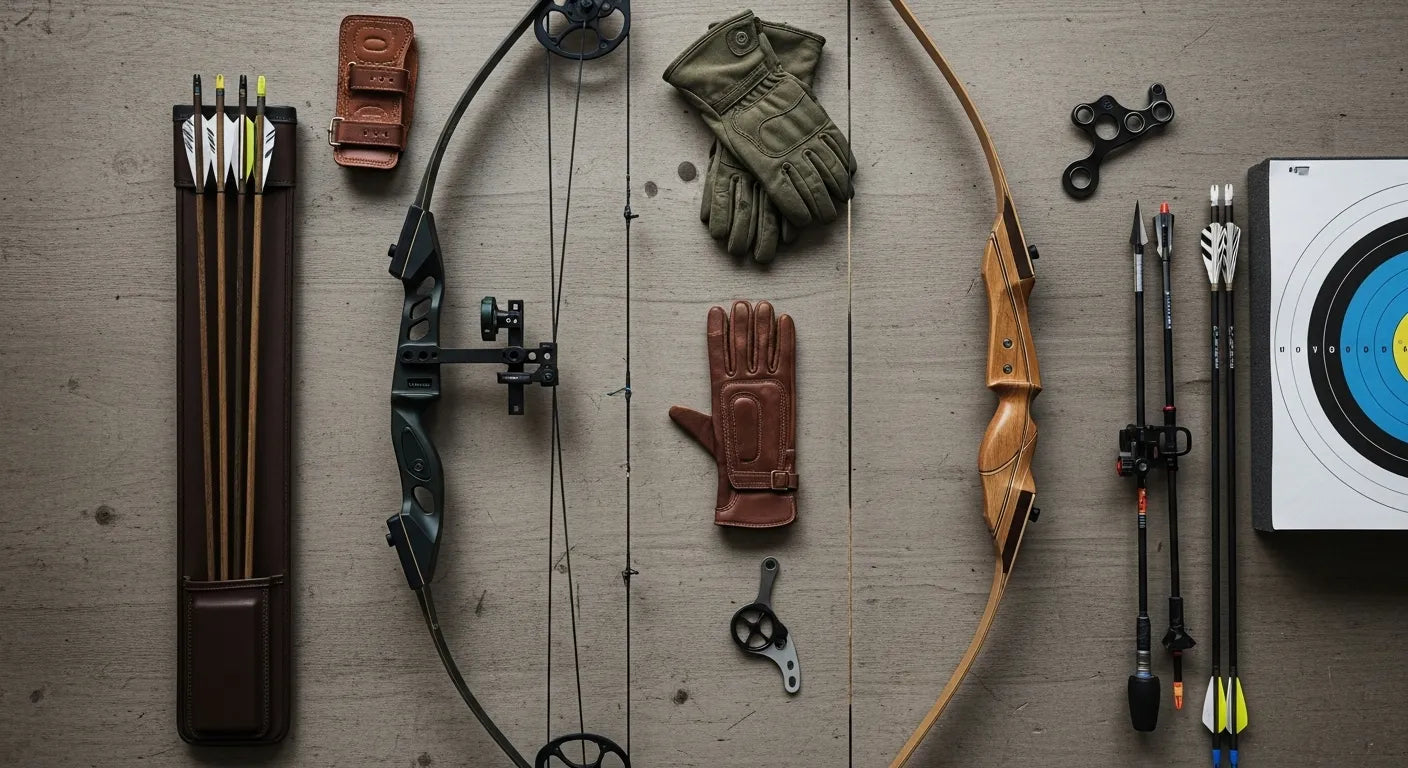
- Accessory Compatibility: Look for bows that allow you to add sights, stabilizers, or arrow rests if desired.
Here’s a quick comparison of common recurve bow types:
| Type | Portability | Weather Resistance | Ease of Repair | Best Use |
|---|---|---|---|---|
| One-Piece Wood | Low | Low | Difficult | Home Defense, Practice |
| Take-Down Fiberglass | High | High | Easy | Bug Out, Travel |
| Composite | Medium | High | Moderate | All-Round |
Pro Tip: Always test a bow before buying, if possible. Comfort and fit matter more than brand names.

Credit: theprepared.com
Common Mistakes When Choosing Or Using A Recurve Bow
New preppers often make avoidable errors:
- Choosing too heavy a draw weight: If you can’t draw and hold the bow steady, accuracy will suffer. Start lower and build up.
- Ignoring practice: Even a powerful bow is useless if you can’t hit your target.
- Neglecting arrow supply: Bring spare arrows and learn to make them from natural materials.
- Storing bows poorly: Leaving your bow strung or exposed to moisture can ruin it.
- Relying on the bow for all needs: It’s a tool, not a miracle solution. Use it alongside other survival gear.
How To Train And Prepare With A Recurve Bow
You can’t just buy a bow and expect to use it well in a crisis. Regular practice is essential. Here’s how to build skill:
- Start with Form: Focus on proper stance, grip, and draw. Bad habits are hard to fix later.
- Practice at Different Ranges: Try shooting from 10, 20, and 30 yards. Work up to moving targets.
- Simulate Stress: Practice shooting quickly or after running to mimic adrenaline.
- Learn Arrow Making: Try crafting simple arrows from branches. You’ll appreciate factory arrows more, but skill pays off if stores close.
- Maintain Your Bow: Learn to wax the string, replace it, and store the bow safely.
Example: The first time I tried shooting after a sprint, my accuracy dropped by half. Regular stress drills improved my performance under pressure.
Real-world Lessons: Historical And Modern Examples
History is full of stories where bows made a difference. Mongol horse archers used recurve bows to conquer vast lands. Native Americans hunted with bows for centuries. In modern times, archery hunters take deer, elk, and even bear with recurve bows.
In survival stories, people who knew how to use a bow often managed to feed themselves quietly. But there are also accounts of people who brought a bow but never practiced, then struggled to hit even a stationary target.
The lesson: Skill with a bow can be a real asset, but only if you’ve put in the work.
Alternatives To Recurve Bows For Shtf
If a recurve bow doesn’t fit your needs, you might consider:
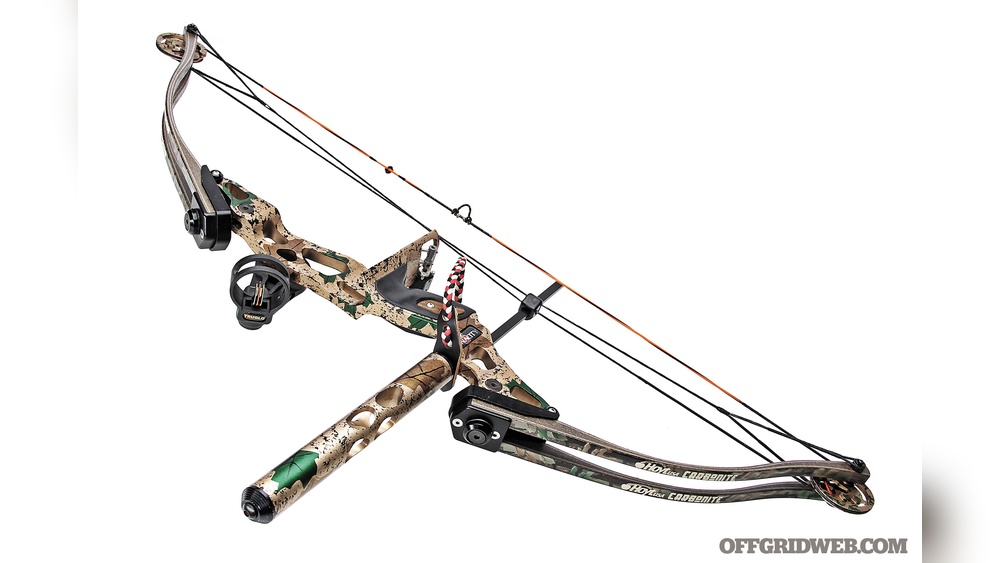
- Compound bows: More powerful and accurate, but heavier and harder to repair.
- Crossbows: Easy to aim, more like a gun, but slower to reload and bulkier.
- Slingshots: Quiet, simple, and can fire stones or steel balls, but limited range and power.
- Firearms: Best for defense and long-range, but need ammo, maintenance, and attract attention.
Each tool has trade-offs. The best SHTF kit often includes more than one weapon.
When Is A Recurve Bow Not Worth It?
There are situations where a recurve bow isn’t the best choice:
- If you have no time to train before a crisis.
- If you expect most threats to be heavily armed or at long range.
- If you can’t carry extra gear.
- If you live in a place with almost no wood for arrows.
For those who live in urban apartments, a recurve bow may be less useful than pepper spray or a compact firearm.
Final Thoughts: Should You Get A Recurve Bow For Shtf?
A recurve bow can be a valuable tool in a survival situation. It offers quiet hunting, reusable ammo, and reliability where firearms might fail or draw unwanted attention. But it’s not a one-size-fits-all answer. Success with a recurve bow depends on training, maintenance, and realistic expectations.
If you’re willing to practice and learn, a recurve bow can give you a real edge when things go bad. But never rely on it alone. Combine it with other tools and skills for the best chance of survival.
For more about archery history and design, the Wikipedia page on recurve bows is a great resource.
Credit: www.battlbox.com
Frequently Asked Questions
Is A Recurve Bow Strong Enough To Hunt Large Animals?
Yes, a recurve bow with a draw weight of at least 40, 50 lbs can take down deer or similar-sized animals. However, shot placement is critical. Poor aim can wound an animal without killing it, leading to suffering and lost meat.
Always practice and use broadhead hunting tips for better results.
Can You Use A Recurve Bow For Home Defense?
A recurve bow can work for defense, but there are limits. It’s effective at short to medium ranges and is very quiet, but firing quickly under stress is difficult. If you expect close-quarters threats, other tools like pepper spray or melee weapons might be more practical.
How Many Arrows Should I Keep For Shtf?
Aim to carry at least a dozen arrows, with a mix of hunting and practice tips. Carrying 20, 24 is better if you have space. Arrows can break or get lost, so