Are Recurve Bows Legal in Japan? Laws and Regulations Explained
Are Recurve Bows Legal In Japan
Archery has a rich history in Japan, blending sport, tradition, and martial art. Many people outside Japan are curious about the legal status of recurve bows in the country. Some want to practice archery while visiting, while others plan to move to Japan and continue their hobby. Yet, Japanese laws around weapons can be strict and complex, especially compared to Western countries.
This article explains whether recurve bows are legal in Japan, who can own and use them, and how the law treats archery equipment. You’ll find practical guidance for residents, travelers, and expats, as well as insights that many beginners overlook.
If you’re considering bringing, buying, or using a recurve bow in Japan, this guide will help you understand the key rules and avoid costly mistakes.
The Legal Definition Of Weapons In Japan
Japan is known for its very strict weapon laws. This is true for firearms and for many types of blades, but it also affects archery equipment. The main law covering weapons is the Firearms and Swords Control Law (銃砲刀剣類所持等取締法).
What Does The Law Say?
The law clearly bans most firearms and some types of blades. But it does not specifically mention modern bows like recurve or compound bows. Instead, it defines “firearms” and “swords” with specific measurements and mechanisms. The law mainly targets weapons that can seriously harm people or are easily concealed.
Recurve bows do not use gunpowder or explosives, and they are not considered swords or knives. Because of this, they are generally not covered by the same strict rules that apply to guns or bladed weapons.
Exceptions And Related Regulations
However, other laws can still affect archery. For example, the Hunting Law and Public Nuisance Ordinances restrict how and where you can use bows. Shooting arrows in public parks or urban areas is forbidden, even with a recurve bow, due to safety concerns. You must also respect local rules in your city or prefecture.
Pro Tip: Even though recurve bows are not banned, using them carelessly can still lead to police action. Always check local rules before practicing archery outside a club.
Is It Legal To Own A Recurve Bow In Japan?
Private Ownership
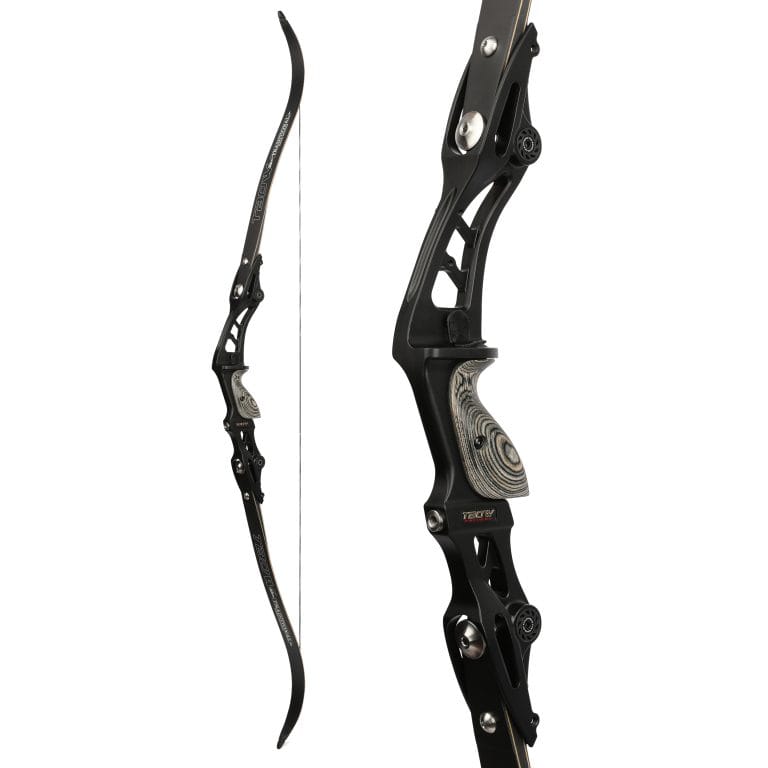
Owning a recurve bow as a private individual is generally legal in Japan. There is no specific license or registration system for recurve bows used for sporting purposes. You can buy, keep, and transport a recurve bow as long as you follow certain guidelines.
Importing And Buying Bows
If you plan to bring a recurve bow into Japan, customs rules apply. Japanese customs may ask questions if you arrive with archery equipment, especially if you cannot show clear sporting intent. It helps if you have a membership card from an archery club or proof of competition.
Shops that sell archery equipment in Japan usually require you to sign a form stating the bow is for sporting use only. Some stores may ask for ID, but no special permit is needed.
Example: Buying A Recurve Bow In Tokyo
A typical experience in a Tokyo archery shop involves:
- Choosing a bow from the display (staff may ask about your archery background).
- Showing identification (such as a residence card or passport).
- Signing a simple agreement not to misuse the equipment.
- Taking the bow home in a case, never carrying it uncovered in public.
This process is similar in most Japanese cities.
Restrictions On Using Recurve Bows
Where Can You Shoot?
Using a recurve bow is only legal in designated places. These include:
- Registered archery ranges (often called “kyudojo” for traditional Japanese archery or “archery range” for Western-style recurve/compound archery).
- Private property with enough space and proper safety barriers, and only if neighbors do not complain.
- School or club events under supervision.
Shooting arrows in public places, parks, streets, or forests, is strictly forbidden. Police may treat this as an act of public endangerment, even if you had no bad intent.
Transporting Recurve Bows
When moving your bow from home to a range or event, keep it in a secure case. Never assemble or display it in public areas. If stopped by police, explain you are going to or from a registered archery range.
Special Rules For Minors
Children and teenagers can use recurve bows, but usually only under adult supervision and at official clubs or schools. Most clubs require parental consent for minors.
Comparison: Archery Range Use Vs. Public Use
To clarify the difference, here is a comparison:
| Location | Legal Status | Typical Requirements |
|---|---|---|
| Registered Archery Range | Legal | Membership, fee, safety rules |
| Public Park | Illegal | Not allowed, police may intervene |
| Private Property | Legal with conditions | Safe setup, no neighbor complaints |
| School Club | Legal | Adult supervision, club rules |
Traditional Japanese Archery Vs. Modern Recurve Bows
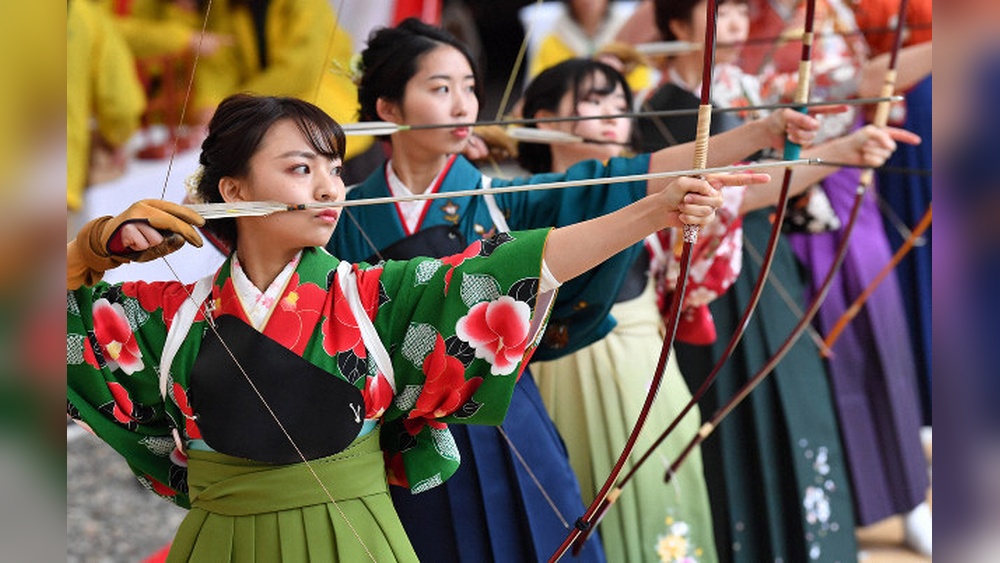
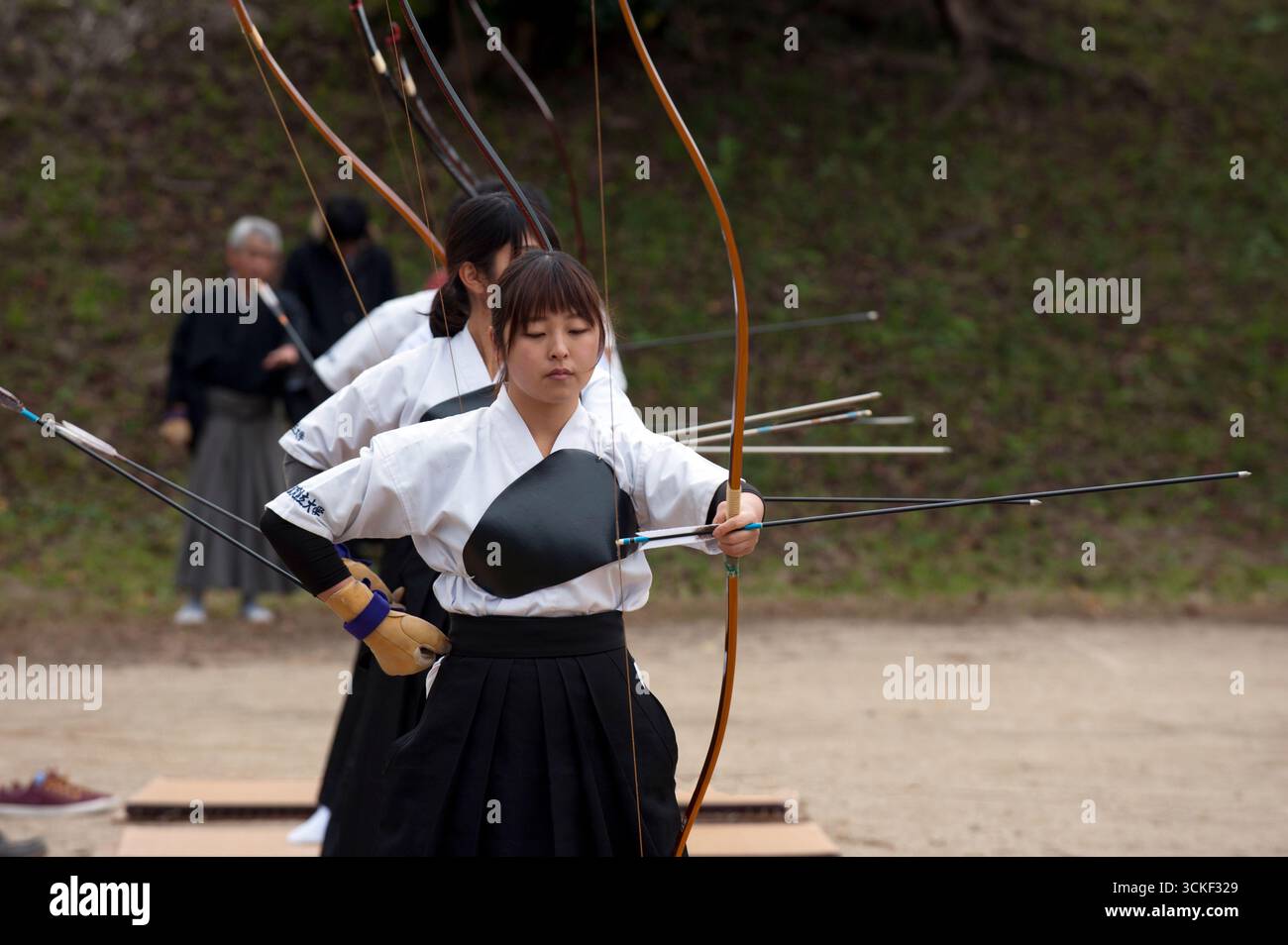
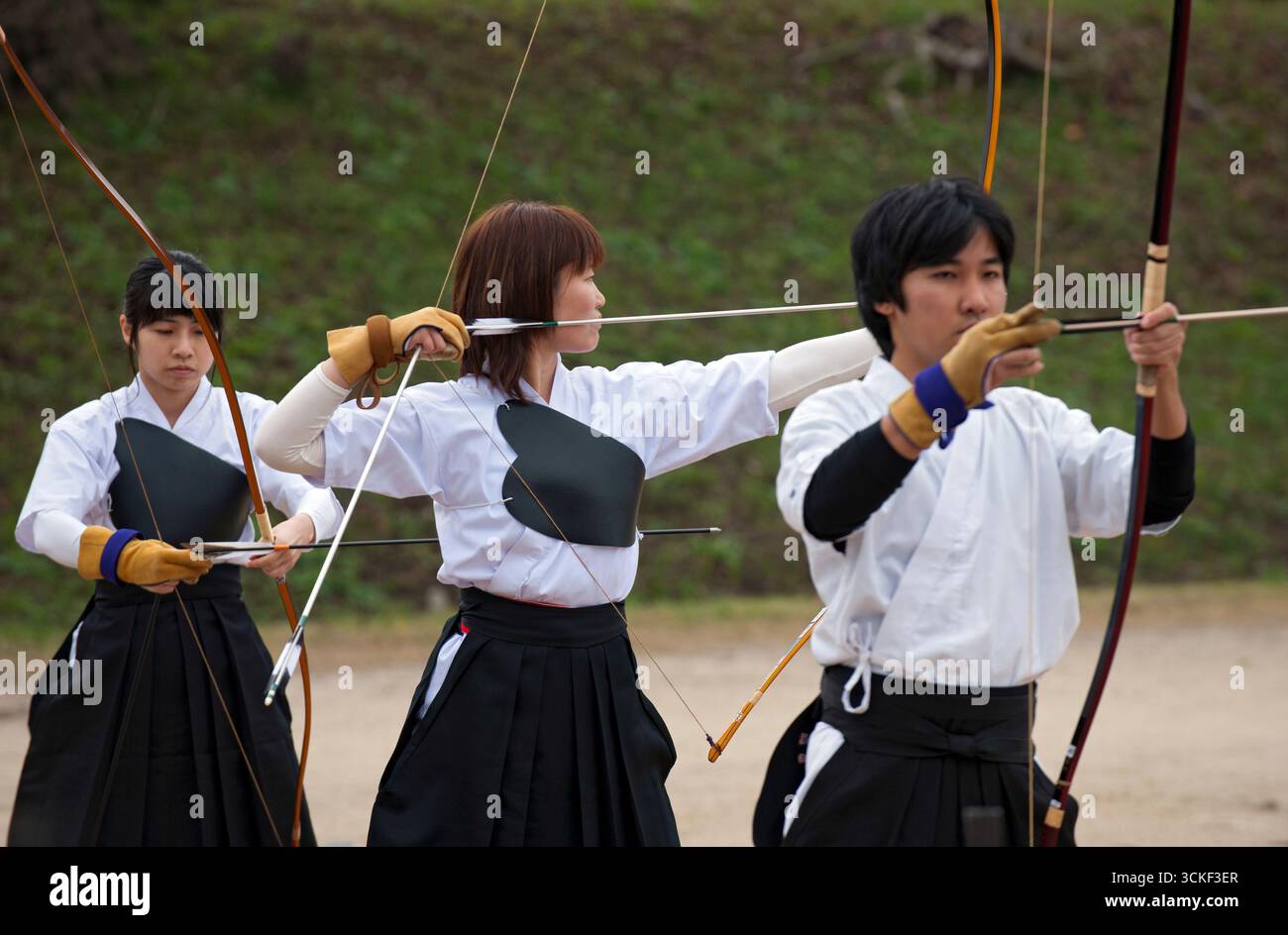
Many people in Japan practice kyudo, a form of traditional archery. However, kyudo uses a unique longbow called a yumi and follows different traditions and rules. Modern recurve bows, like those used in the Olympics, are a separate category.
Kyudo (japanese Archery)
Kyudo is highly respected, and clubs exist in most cities. Practicing kyudo requires joining a club and following strict etiquette. The longbow (yumi) is also not regulated as a weapon, but clubs may have additional requirements for safety and training.
Recurve Vs. Kyudo Bow: Key Differences
| Feature | Recurve Bow | Kyudo Yumi |
|---|---|---|
| Design | Shorter, modern materials, removable limbs | Very long (over 2 meters), bamboo or wood |
| Purpose | Sport, Olympic archery | Tradition, spiritual practice |
| Legal Restrictions | Few, sporting use only | Few, but club-based control |
| Clubs | Western-style archery clubs | Kyudo associations |
How Japanese Law Treats Arrows And Accessories
The law also looks at arrows and other parts. Arrows are not regulated as weapons if used for sport. But certain arrow types, like those with sharp hunting tips, can attract police attention.
Accessories, such as stabilizers, sights, and quivers, are legal if used for archery. However, carrying sharpened broadheads or other dangerous arrowheads outside sporting events is a bad idea.
Warning: Never carry arrows with hunting heads or blades in public. Even if the bow itself is legal, police can view these as dangerous items.
Importing And Traveling With Recurve Bows
Customs Rules
If you bring a recurve bow into Japan, declare it at customs if asked. Most travelers do not face problems if they can show the bow is for sport, not hunting or self-defense. Pack the bow in a case and keep arrows separate.
If customs officers are uncertain, they may ask for proof, such as an invitation to an archery competition, a club membership, or evidence of previous sporting use. If you cannot provide this, your bow may be held for inspection.
Mailing Bows To Japan
Shipping a recurve bow to Japan is usually allowed if you use a reputable courier and declare the contents accurately. Do not mark the item as a “weapon” on customs forms; instead, use “sporting goods” or “archery equipment. ”
Example: Traveler Experience
In my experience flying to Japan with a recurve bow for a competition, customs officers asked to see my tournament invitation and checked the bow case. They were satisfied after confirming it was standard archery equipment.
What Happens If You Break The Rules?
Violating archery regulations in Japan can lead to serious consequences. Police in Japan are strict, and any misuse of a recurve bow is likely to be treated as a public safety issue.
- Confiscation: Police can seize your bow and arrows if you use them illegally.
- Fines: You may be fined for endangering public safety.
- Criminal Charges: In extreme cases, such as causing injury, criminal charges may apply.
Foreigners should be especially careful, as being charged with a crime can lead to deportation or visa problems.
Credit: www.alamy.com
How To Join Archery Clubs In Japan
Joining an archery club is the safest and easiest way to practice with a recurve bow. Clubs provide legal venues, equipment advice, and often help with competitions.
Types Of Clubs
- Kyudo Clubs: Focus on traditional Japanese archery, using the yumi bow.
- Western-Style Clubs: Use recurve and compound bows, often Olympic-style.
- School and University Clubs: Many schools and colleges have their own archery teams.
Joining Process
Most clubs welcome beginners, but the process may include:
- Filling out a membership form (in Japanese)
- Attending a safety briefing
- Paying a membership fee (from a few thousand yen per month)
- Practicing under supervision until you demonstrate safe handling
Some clubs offer rental equipment for those without their own bow.
Important Safety And Cultural Points
Safety Culture
Japan places a high value on group harmony and safety. If you plan to shoot a recurve bow, even on private property, inform your neighbors and take extra steps to prevent accidents. Loud or reckless behavior can quickly result in a visit from the police.
Etiquette In Japanese Archery
Japanese archery culture emphasizes respect and order. Even in Western-style clubs, following local customs is important:
- Bow to instructors and other shooters
- Clean up after yourself
- Follow posted safety rules
Ignoring etiquette can get you expelled from a club or banned from ranges.
Key Differences: Japan Vs. Other Countries
If you are used to archery laws in the US, Europe, or Australia, you will notice some differences in Japan.
| Country | Ownership Rules | Public Use | Club Membership Needed? |
|---|---|---|---|
| Japan | Legal, few restrictions | Banned outside ranges/private land | Recommended, not always required |
| USA | Legal, almost no restrictions | Allowed in many public spaces | Optional |
| UK | Legal, some restrictions | Banned in public, allowed on private land | Recommended |
| Australia | Legal, but state laws vary | Banned in most public places | Recommended |
Pro Tip: Do not assume that what is allowed in your home country will be legal in Japan. Always check local laws and ask your club if you are unsure.
Common Mistakes To Avoid
Many newcomers make errors when bringing or using recurve bows in Japan. Here are the most common, and how to avoid them:
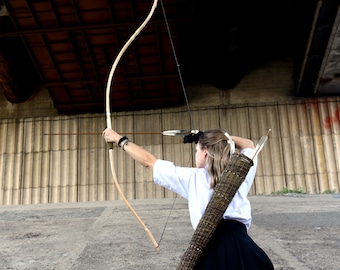
- Practicing in Public Areas: Even empty parks are not legal venues for archery.
- Not Using a Case: Carrying an uncovered bow can lead to police questioning.
- Bringing Hunting Arrows: Only target arrows are acceptable for sport use.
- Ignoring Neighbors: Noise or stray arrows can result in complaints and police visits.
- Assuming Laws Are the Same as Abroad: Japanese rules are unique and stricter than many countries.
Credit: www.etsy.com
How To Stay Compliant
Follow these steps to ensure you remain on the right side of the law:
- Practice only at registered ranges or on private land with permission.
- Use a proper case for all transport.
- Avoid sharp or hunting-style arrowheads.
- Join a club for guidance and support.
- Read all safety and usage instructions for your equipment.
If in doubt, contact your local police station or archery association. Most are happy to answer questions, although you may need a Japanese speaker to assist.
Where To Find More Information
For official guidance, the best sources are:
- The Japan Archery Federation (全日本アーチェリー連盟): Offers rules and club information, mainly in Japanese.
- The All Nippon Kyudo Federation: For traditional archery.
- Local city or ward offices: Can explain specific local ordinances affecting archery.
For English-language information, many expat forums and archery blogs have practical advice. One helpful resource is the Wikipedia page on Archery in Japan.
Credit: www.alamy.com
Frequently Asked Questions
Is It Possible To Hunt With A Recurve Bow In Japan?
No, hunting with bows is not allowed in Japan. The Hunting Law (狩猟法) bans all forms of bow hunting, including recurve and compound bows. Hunting is only allowed with licensed firearms and under strict regulations. Using a bow for hunting can lead to severe penalties.
Can Foreigners Bring Their Own Recurve Bow To Japan For A Short Visit?
Yes, foreigners can bring a recurve bow for sport or competition, but must declare it at customs if asked. Bring proof of your sporting purpose, such as an event invitation or club membership. Never say the bow is for self-defense, as this can result in confiscation.
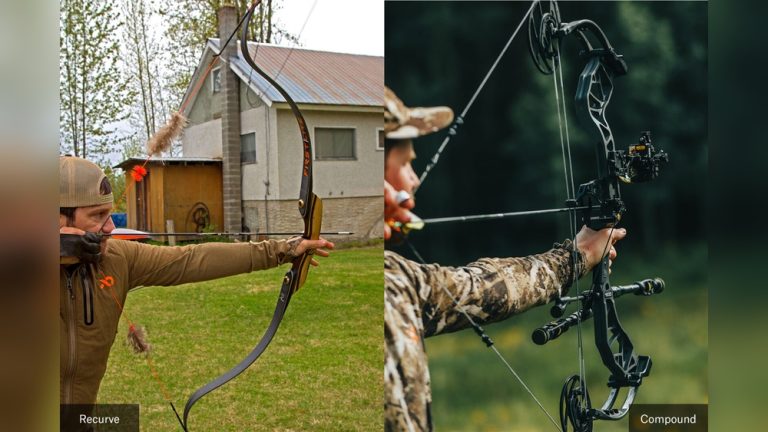
Are Compound Bows Treated The Same As Recurve Bows In Japanese Law?
Compound bows are treated similarly to recurve bows under Japanese law. Both are considered sporting equipment, not weapons. However, as with recurve bows, you must use them only in legal venues and transport them safely.