Are Recurve Bows Legal for Hunting? Laws and Regulations Explained
Are Recurve Bows Legal For Hunting
The recurve bow is one of the oldest and most recognizable archery tools. Many hunters choose it for its simple design, quiet operation, and the traditional experience it offers. But before you set out with a recurve bow, you need to know if it’s legal for hunting where you live.
Laws change by state and country, and misunderstanding them can lead to fines or lost hunting privileges. This article explains the legal status of recurve bows for hunting, provides comparisons with other bow types, and helps you understand what matters when choosing a bow for hunting.
Whether you’re a beginner or experienced hunter, you’ll find clear, practical answers about using recurve bows legally and safely.
What Is A Recurve Bow?
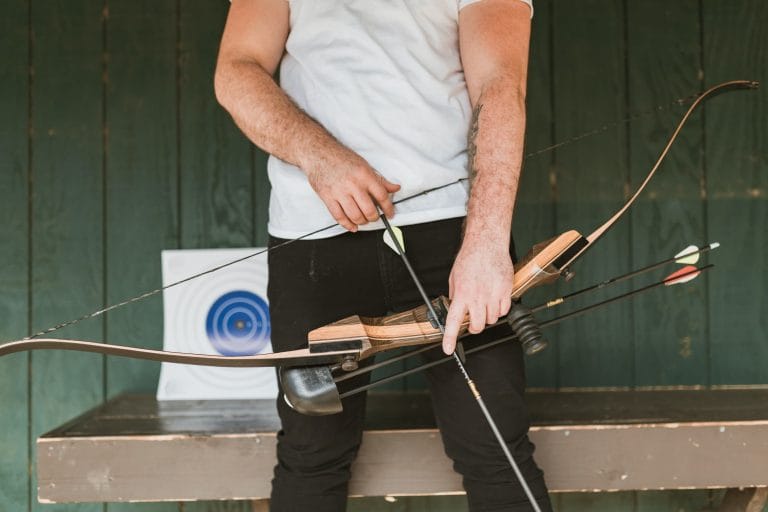
A recurve bow has limbs that curve away from the archer when unstrung. This design stores more energy than a simple straight-limbed bow, allowing arrows to fly faster and farther. Recurve bows are lightweight, easy to carry, and require less maintenance compared to compound bows.
Many hunters prefer recurve bows because of their traditional feel and the skill required to use them effectively.
Example: Olympic archers use recurve bows in international competitions, showing their accuracy and power.
Recurve Bow Hunting Laws In The United States
Every state in the US has its own laws about hunting with bows. Most states allow recurve bows for hunting, but there are important details you need to check.
State Regulations Overview
Many states require a minimum draw weight for bows used in hunting. This ensures the arrow is strong enough to kill animals humanely. Typical minimums are between 30 and 40 pounds for deer hunting. Some states also specify minimum arrow length or broadhead size.
Here’s a comparison of recurve bow regulations in five states:
| State | Legal for Hunting? | Minimum Draw Weight | Other Key Rules |
|---|---|---|---|
| Texas | Yes | 30 lbs | Broadhead must be at least 7/8 inch wide |
| California | Yes | 40 lbs | No explosive tips, mechanical broadheads allowed |
| New York | Yes | 35 lbs | Minimum arrow length: 20 inches |
| Florida | Yes | 30 lbs | Broadhead must have at least 2 blades |
| Montana | Yes | 40 lbs | No draw locks, minimum arrow length: 20 inches |
Warning: Always check the official hunting regulations for your state before you hunt. Laws can change yearly, and penalties for breaking them can be severe.
Common Restrictions And Exceptions
Some states have special rules for big game versus small game. For example, the minimum draw weight for deer is higher than for rabbits or birds. A few states, like Alaska, may restrict recurve bows for certain large animals, such as moose or bear, requiring heavier draw weights.
Disabled hunters can sometimes use adaptive equipment with recurve bows, but this often requires special permits. Youth hunters may be allowed lighter draw weights for small game.
Recurve Bow Hunting Laws Outside The Us
If you hunt outside the US, the laws can be very different. In Canada, most provinces allow recurve bows for hunting, but minimum draw weights are often higher for large animals. In Europe, hunting with recurve bows is legal in some countries, but banned in others.
International Regulation Comparison
| Country/Province | Legal for Hunting? | Minimum Draw Weight | Notes |
|---|---|---|---|
| Ontario (Canada) | Yes | 40 lbs (deer) | Special hunting seasons for archery |
| British Columbia (Canada) | Yes | 50 lbs (bear) | Higher minimum for big game |
| Germany | No | N/A | Bow hunting is illegal |
| France | Yes | 40 lbs | Strict regulations on arrow types |
| Australia (Victoria) | Yes | 40 lbs (deer) | Some species excluded |
Pro Tip: If you plan to hunt internationally, research laws well before your trip. Some countries require permits or have strict customs rules for bringing in archery equipment.

Credit: www.bowhunter-ed.com
How Recurve Bows Compare To Other Hunting Bows
Hunters can use several types of bows: recurve, compound, and longbow. Each has its own advantages and legal considerations.
Recurve Vs. Compound Bows
Compound bows use pulleys and cables to increase power and make holding the string easier. They are more popular for hunting because they are easier to shoot accurately at longer distances. However, recurve bows are simpler, lighter, and often allowed in more hunting seasons, especially traditional archery hunts.
| Feature | Recurve Bow | Compound Bow |
|---|---|---|
| Weight | Light | Heavier |
| Complexity | Simple | Mechanical |
| Legal Status | Widely legal | Widely legal |
| Maintenance | Low | High |
| Draw Weight | 30, 50 lbs | 40, 70 lbs |
Recurve Vs. Longbow
Longbows are even simpler than recurve bows. They have straight limbs and less power for their size. Recurve bows are usually preferred for hunting because they shoot faster and more accurately. Both recurve and longbows are legal for hunting in most places, but recurve bows meet minimum draw weight requirements more easily.
What Makes A Recurve Bow Legal For Hunting?
It’s not just the type of bow that matters. Laws usually focus on draw weight, arrow length, and broadhead size.
Minimum Draw Weight
Draw weight is the force needed to pull the bowstring. Most states require at least 30, 40 pounds for deer hunting. This ensures the arrow can penetrate deeply and kill the animal quickly.
Example: If your recurve bow has a draw weight of 28 pounds, it’s probably not legal for deer hunting in most states. But it may be legal for small game.
Arrow And Broadhead Requirements
Arrows must usually be at least 20 inches long. Broadheads, which are the sharp tips used for hunting, must meet minimum width and blade requirements (often at least 7/8 inch wide and have two or more blades).
Some states ban explosive or poison tips and require fixed-blade broadheads. Mechanical broadheads are allowed in many places, but always check the regulations.
Choosing A Legal Recurve Bow For Hunting
When picking a recurve bow for hunting, focus on these key factors:
- Draw weight: Choose a bow that meets or exceeds your state’s minimum. For deer, aim for at least 40 pounds.
- Arrow length: Use arrows at least 20 inches long, unless your state allows shorter arrows for small game.
- Broadhead type: Use broadheads that meet the minimum width and blade requirements.
- Bow quality: Pick a bow from a reputable brand. Cheap bows may not perform reliably and could fail safety checks.
- Comfort and fit: Make sure the bow fits your arm length and strength.
Warning: Never hunt with a bow below the legal draw weight. It can injure animals and lead to legal trouble.
Practical Testing
In my experience, testing a recurve bow before hunting is essential. Many new hunters overestimate their strength and buy bows they can barely draw. Always try a bow at a local archery shop or range before purchasing. Ask for help from staff to measure your draw length and test different weights.
Common Mistakes When Hunting With Recurve Bows
Hunters often make mistakes that can lead to legal or ethical problems.
- Ignoring local laws: Each state or country has its own rules. Don’t assume what’s legal in one place is legal everywhere.
- Using too light a bow: Even if you can shoot accurately, a light bow may not be legal or humane for big game.
- Poor arrow selection: Using arrows that are too short or broadheads that don’t meet requirements can result in fines.
- Not practicing enough: Recurve bows require skill. Poor aim leads to wounded animals and lost arrows.
- Failing to check equipment: Bows and arrows can wear out. Always inspect your gear before hunting.
Pro Tip: Keep a copy of your state’s hunting regulations in your bag or phone. If questioned by a game warden, you can show you’re following the rules.
Credit: tpwd.texas.gov
Ethical Hunting With Recurve Bows
Legal hunting isn’t always ethical hunting. Recurve bows require practice and skill. Ethical hunters make sure they can shoot accurately and kill animals quickly.
Practice And Skill
Recurve bows don’t have sights or mechanical aids like compound bows. You must learn to judge distance, aim, and shoot smoothly. Many hunters practice at ranges and join clubs to improve their skills.
Responsible Choices
Choose targets within your effective range. For most hunters, this is about 20, 30 yards. Shooting farther increases the risk of wounding rather than killing.
Example: If you can’t consistently hit a small target at 25 yards, don’t try to hunt deer at that distance.
Legal Consequences For Illegal Bow Hunting
If you hunt with an illegal bow or break hunting laws, consequences can include:
- Fines: Many states charge hundreds or thousands of dollars for violations.
- Loss of hunting license: You can lose your license for years or permanently.
- Confiscation of equipment: Authorities may take your bow and other gear.
- Criminal charges: In rare cases, illegal hunting leads to criminal prosecution.
Pro Tip: If you’re unsure about a law, contact your state wildlife agency. They’re happy to answer questions and help you stay legal.
How To Check Recurve Bow Hunting Laws In Your Area
Finding the right information is crucial. Here’s how to check laws:
- Visit your state’s official wildlife or hunting agency website.
- Search for “archery equipment regulations” or “bow hunting laws.”
- Look for minimum draw weight, arrow requirements, and special restrictions.
- Download or print the latest regulations.
- Contact the agency by phone or email for clarification.
Example: The Texas Parks and Wildlife Department updates its regulations yearly and provides detailed guides online.
For further information on archery hunting regulations, see the official National Wildlife Federation.
Tips For Safe And Legal Recurve Bow Hunting
Follow these tips for a safe and legal hunt:
- Practice regularly to improve accuracy.
- Use only legal and humane broadheads.
- Check your bow’s draw weight before each season.
- Respect property boundaries and hunting seasons.
- Report your harvest as required by law.
- Hunt with a partner for safety.
Pro Tip: Join a local archery club. Members can share advice, help you improve, and alert you to changes in laws.

Credit: wvdnr.gov
Frequently Asked Questions
Is It Legal To Hunt All Animals With A Recurve Bow?
No. While recurve bows are legal for hunting in most states, not all animals can be hunted with them. Some big game, like bear or moose, require higher draw weights, and certain species may be protected or have special seasons.
Always check your state’s wildlife agency for a list of legal game.
Can I Use A Recurve Bow For Hunting During Any Season?
Not always. Some states have archery-only hunting seasons, and others allow bow hunting during general hunting seasons. There may be special dates for recurve or traditional bows. Make sure you know the season dates for your state and species.
Do I Need A Special License To Hunt With A Recurve Bow?
You usually need a regular hunting license, but some states require an additional archery permit. Others have mandatory hunter safety courses. Check the licensing rules before hunting. If you’re traveling out of state, verify the requirements for non-residents.
Are There Age Restrictions For Hunting With A Recurve Bow?
Yes. Many states set minimum age limits for bow hunting, often 12 or 14 years old. Youth hunters may have extra requirements, like attending safety courses or using lighter bows for small game. Always review the age rules for your area.
What Should I Do If My Recurve Bow Doesn’t Meet The Legal Draw Weight?
If your bow is under the legal limit, you must upgrade to a bow with enough draw weight before hunting. It’s illegal and unethical to hunt with a bow below the minimum. Ask your local archery shop for advice and test different bows to find one that suits you and meets legal standards.
Final Thoughts
Hunting with a recurve bow is legal in most places, but you must follow strict rules to ensure safety and fairness. Know your state or country’s regulations, choose equipment that meets legal standards, and practice until you can shoot accurately.
Ethical hunting means respecting the law, the animals, and your own skills. Always check the latest regulations and ask for help when you’re unsure. By following these guidelines, you can enjoy the traditional challenge of recurve bow hunting while staying safe and legal.