Do People Hunt With Recurve Bows? A Complete Guide
Hunting with a bow is one of the oldest traditions in human history. In the modern age, while technology has given us powerful compound bows and even crossbows, the recurve bow still holds a special place in the hearts of many hunters. But do people truly hunt with recurve bows today? The answer is yes, and the reasons go deeper than just nostalgia. From the unique challenges they present to the deep connection with nature they offer, recurve bows continue to be a relevant and respected choice in the hunting world.
Let’s explore why recurve bows remain popular, how they compare to other bow types, what makes them suitable for hunting, and what you need to know if you are thinking of taking up this classic weapon. Along the way, you’ll see practical tips, real examples, and answers to common questions beginners often miss.
What Is A Recurve Bow?
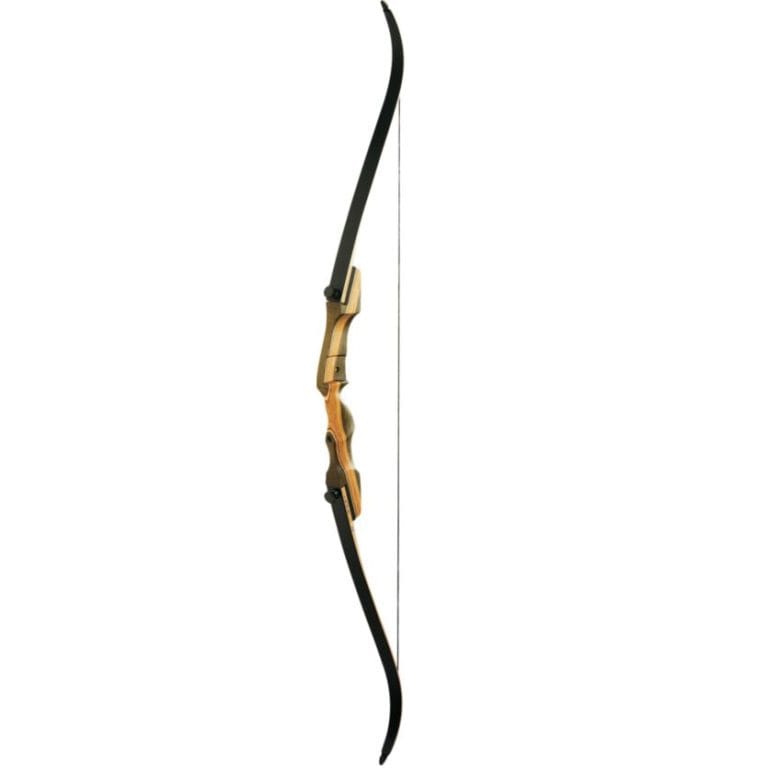
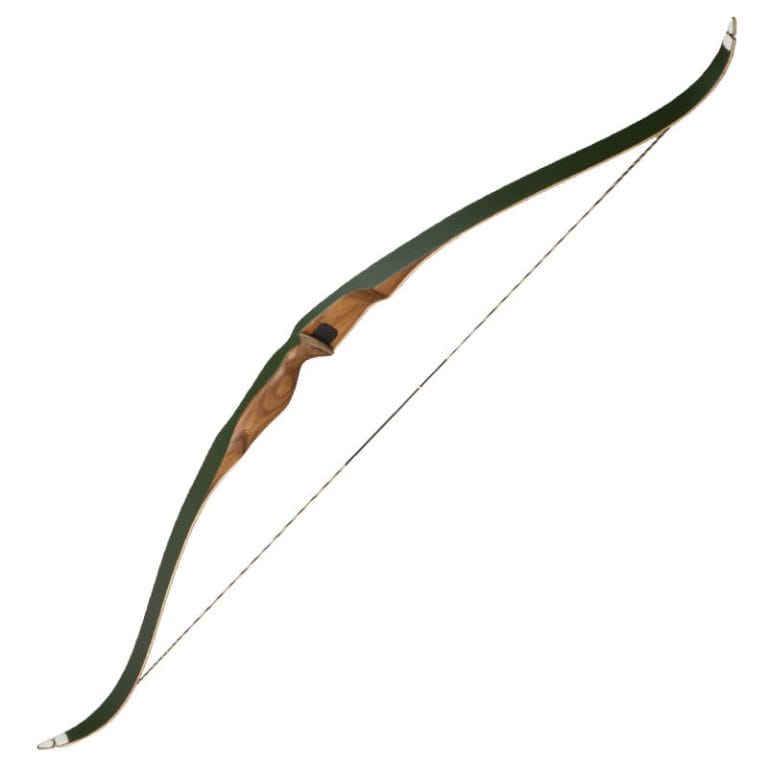
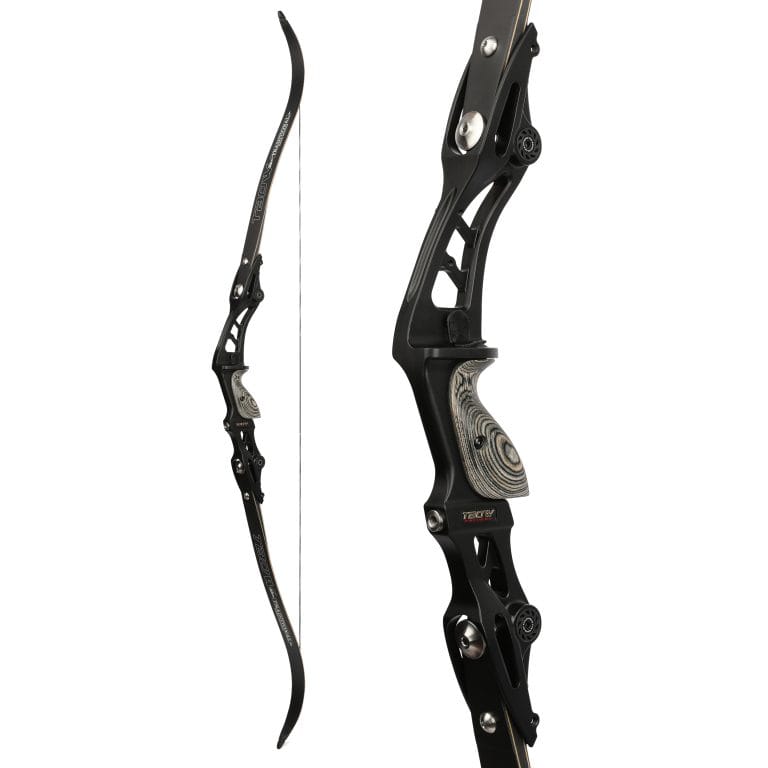
A recurve bow is a type of traditional bow with limbs that curve away from the archer when unstrung. This design allows the bow to store more energy and deliver greater power for its size compared to straight-limbed bows. The recurve shape gives it a distinct look and provides a smooth, fast shot.
Recurve bows have been used across the world for thousands of years. Ancient civilizations like the Mongols and Greeks hunted and fought with recurve bows. Today, their design is mostly unchanged, though materials have improved. Modern recurve bows often use wood, fiberglass, and carbon for lighter weight and better performance.
Why Do People Choose Recurve Bows For Hunting?
There are several reasons why hunters pick recurve bows, even with modern alternatives available.
Challenge And Skill
Hunting with a recurve bow requires more skill than with a compound or crossbow. There are no pulleys or sights to help you; it’s just you, the bow, and your target. Many hunters enjoy the challenge, saying it makes the hunt more rewarding.
Simplicity And Tradition
Recurve bows are simple. They have fewer moving parts, which means less can go wrong in the field. For those who value tradition, using a recurve bow connects them to ancient hunting methods.
Quiet And Lightweight
A recurve bow is quiet compared to firearms and even compound bows. This can help prevent scaring away animals. They are also lightweight, making them easier to carry during long hunts.
Legal Considerations
In some states or countries, only traditional bows are allowed during certain hunting seasons. Recurve bows fit these rules, giving hunters more opportunities.
How Does Recurve Bow Hunting Compare To Compound And Crossbow Hunting?
To understand why someone would choose a recurve bow, it helps to compare it to other popular hunting bows.
| Feature | Recurve Bow | Compound Bow | Crossbow |
|---|---|---|---|
| Draw Weight | Manual, requires strength | Pulley system reduces holding weight | Manual or crank, held after cocking |
| Accuracy | Depends on skill, no sights | Often equipped with sights and stabilizers | Uses scopes, easier for beginners |
| Maintenance | Simple, few parts | More complex, needs tuning | Complex, many moving parts |
| Weight | Light | Moderate | Heavy |
| Legal Restrictions | Fewest | Some | Most |
Pro Tip: If you want to develop your hunting skills and enjoy a more “primitive” experience, a recurve bow will challenge you more than a compound or crossbow.
What Animals Can You Hunt With A Recurve Bow?
Recurve bows are suitable for hunting a wide range of game, from small animals to large mammals. Success depends on the archer’s skill, the bow’s power, and the type of arrow and broadhead used.
Common Game For Recurve Bows
- Deer, The most popular target for recurve hunters in North America. A draw weight of at least 40 pounds is recommended for ethical kills.
- Wild Turkey, Requires precision and patience, as turkeys are wary and have small vital areas.
- Elk, Demands a powerful bow (often 50 pounds or more) and excellent shot placement.
- Boar, Known for being tough; strong arrows and sharp broadheads are key.
- Rabbit and Squirrel, Good for beginners to practice stalking and shooting skills.
Legal Requirements
Always check local hunting regulations. Some states set minimum draw weights for hunting specific animals. Using the right equipment is not just about success, it’s about humane, ethical kills.
Setting Up A Recurve Bow For Hunting
Choosing and preparing your recurve bow is critical for both performance and safety. Here’s what you need to know:
Selecting The Right Bow
- Draw Weight: For deer, most states require at least 40 pounds. For larger animals, 45-55 pounds is safer.
- Bow Length: Longer bows (58-62 inches) are more stable and forgiving; shorter bows are easier to maneuver in the woods.
- Materials: Wood for tradition, or modern composites for durability.
Arrows And Broadheads
Your arrow choice is just as important as the bow itself. Use arrows matched to your bow’s draw weight and length. For hunting, always use broadheads, sharp, bladed tips designed to cause more damage and ensure a quick, humane kill.
| Game Type | Recommended Draw Weight | Arrow Type | Broadhead Type |
|---|---|---|---|
| Small Game | 25-35 lbs | Carbon, lightweight | Small game points |
| Deer | 40-50 lbs | Carbon/Aluminum, medium weight | Fixed or mechanical broadheads |
| Elk/Boar | 50-60 lbs | Heavy carbon/aluminum | Sturdy fixed broadheads |
Accessories
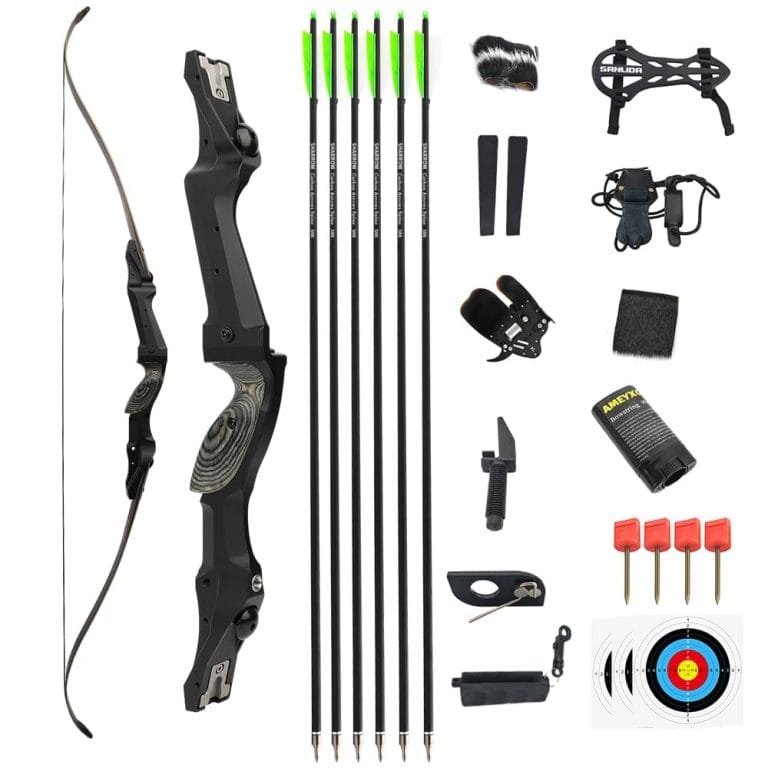
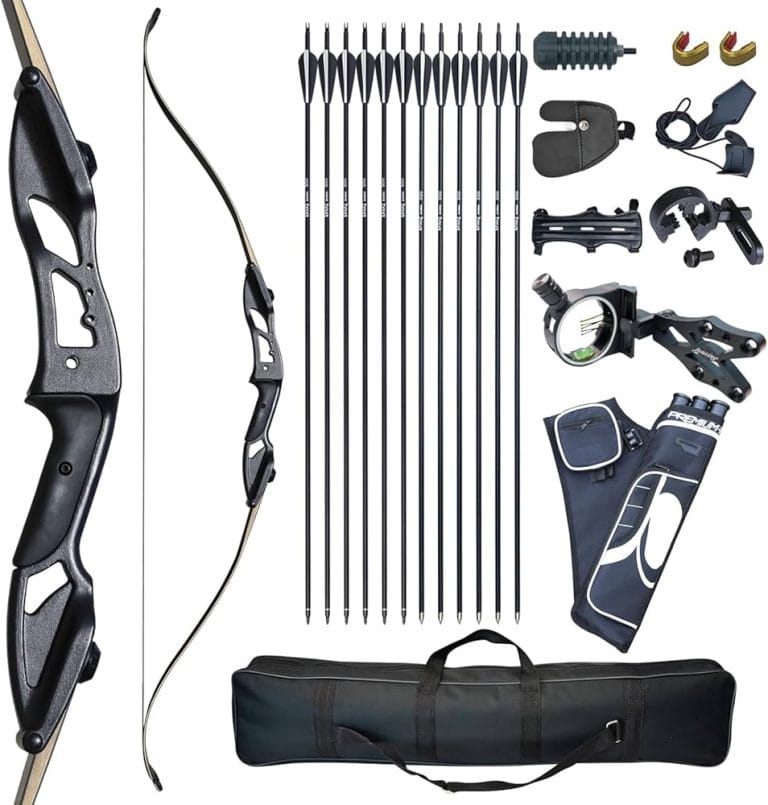
Some hunters use basic sights, but most prefer instinctive shooting, aiming by feel. A quiver, arm guard, finger tab or glove, and string silencers are common accessories.
How To Hunt Effectively With A Recurve Bow
Hunting with a recurve is different from using a firearm or even a compound bow. Here are practical steps and insights:
Practice Is Key
Shooting a recurve bow accurately takes time. Unlike a compound bow, you must hold the full draw weight yourself. Regular practice builds the strength and muscle memory needed for consistent shots.
Stalking And Positioning
Recurve bows are best used at close range, usually 20 yards or less. This means you must learn to stalk quietly and blend into your environment. Many successful recurve hunters use tree stands or ground blinds to get closer to their prey.
Shot Placement
With less power than modern bows, shot placement is critical. Aim for the animal’s vital organs, the heart and lungs. A poorly placed shot can lead to a wounded animal and a failed hunt.
Pro Tip: Practice from different positions and angles, as real hunting situations often force you to shoot from awkward stances.
Tracking And Recovery
After the shot, tracking skills are vital. Blood trails may be thinner with a recurve shot, so patience and observation matter.
Common Beginner Mistakes With Recurve Bow Hunting
Many new hunters make similar errors when starting with a recurve bow. Knowing these ahead of time can save frustration and improve your success.
Overestimating Range
It’s tempting to take long shots, but recurve bows lose power and accuracy over distance. Keep your shots within 20-25 yards until your skill improves.
Ignoring Practice
Some think hunting skill alone is enough. In reality, regular target practice, even in bad weather, makes a huge difference.
Poor Equipment Choices
Using mismatched arrows or the wrong broadheads can ruin a hunt. Always match your equipment to your bow and game.
Neglecting Safety
Simple mistakes like dry firing (shooting without an arrow) or using a damaged string can cause injury. Check your gear before every outing.
Legal And Ethical Considerations
Hunting laws exist to protect wildlife and ensure fair chase. Recurve bow hunters must follow all regulations, including:
- Minimum draw weights for certain animals
- Hunting seasons and zones
- License and tag requirements
- Restrictions on broadhead types and arrow materials
Ethics are just as important. Never take risky shots, and always strive for a quick, humane kill. Respect landowners and fellow hunters.
The Experience Of Hunting With A Recurve Bow
In my experience, hunting with a recurve bow is both challenging and deeply satisfying. The connection to the environment feels stronger when you rely on your skill, not technology. Every harvest is a result of patience, practice, and respect for the animal.
Many recurve hunters say the biggest reward is not the trophy, but the journey. The quiet walk in the woods, the careful study of animal behavior, and the satisfaction of a well-placed shot all become part of the story.
Real-world Examples And Community
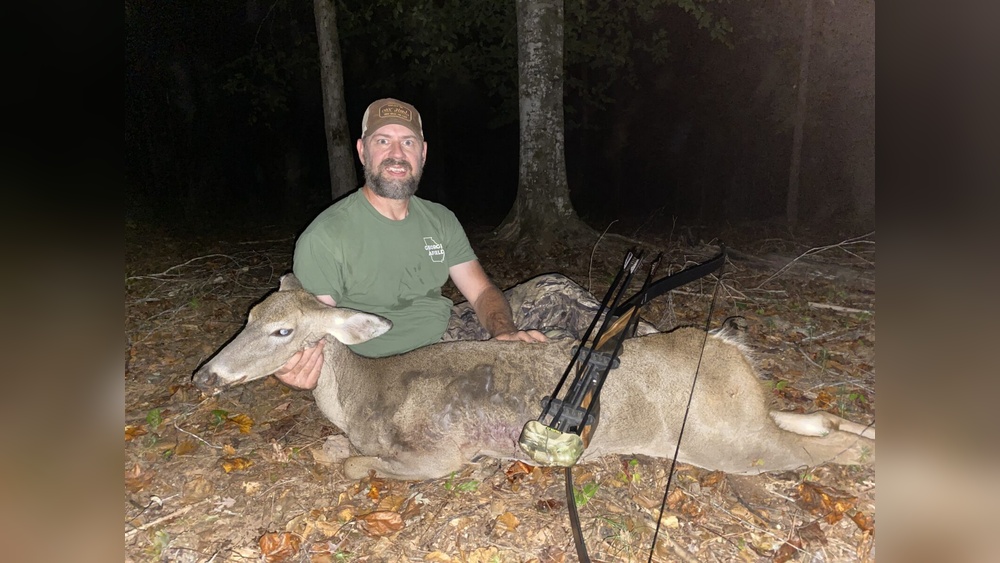
Recurve bow hunting is not just a niche hobby. Many states in the US have active traditional archery communities, with annual competitions and group hunts. The Traditional Bowhunters of America is one such organization, offering resources, events, and support for new and experienced hunters alike.
Famous bowhunters like Fred Bear and Byron Ferguson used recurve bows to take large game all over the world. Their stories inspire a new generation to pick up the recurve bow.

Credit: www.onxmaps.com
Advantages And Disadvantages Of Recurve Bows For Hunting
While recurve bows offer unique benefits, they also come with real trade-offs.
| Advantage | Explanation |
|---|---|
| Lightweight | Easy to carry over long distances |
| Simple Design | Less likely to break; easy to repair |
| Quiet | Does not spook animals easily |
| Legal Access | Allowed in most traditional hunting seasons |
| Disadvantage | Explanation |
|---|---|
| Requires Skill | Steep learning curve for accuracy |
| Short Effective Range | Usually under 25 yards |
| No Let-Off | You must hold full draw weight at all times |
| Limited Accessories | Not as customizable as compound bows |
How To Get Started With Recurve Bow Hunting
If you’re interested in trying recurve bow hunting, here are the main steps:
- Take a Hunter Safety Course: Many states require this, and it’s a good way to learn the basics.
- Choose the Right Bow: Start with a manageable draw weight and a comfortable bow length.
- Join a Local Archery Club: Practice with experienced archers and get real-time feedback.
- Practice, Practice, Practice: Focus on form, accuracy, and shooting from hunting positions.
- Study Local Wildlife: Learn about the animals you plan to hunt, their habits, habitats, and tracks.
- Scout Your Hunting Area: Before the season, spend time in the woods to understand the land.
Example: A new hunter I mentored started with a 35-pound recurve, practicing on targets for months before moving up to hunting deer. His first season was tough, but he learned more about animal behavior than he ever expected. By his second season, he had his first ethical harvest.
Credit: www.bowhunter.com
Myths About Recurve Bow Hunting
There are several myths that discourage people from trying a recurve bow.
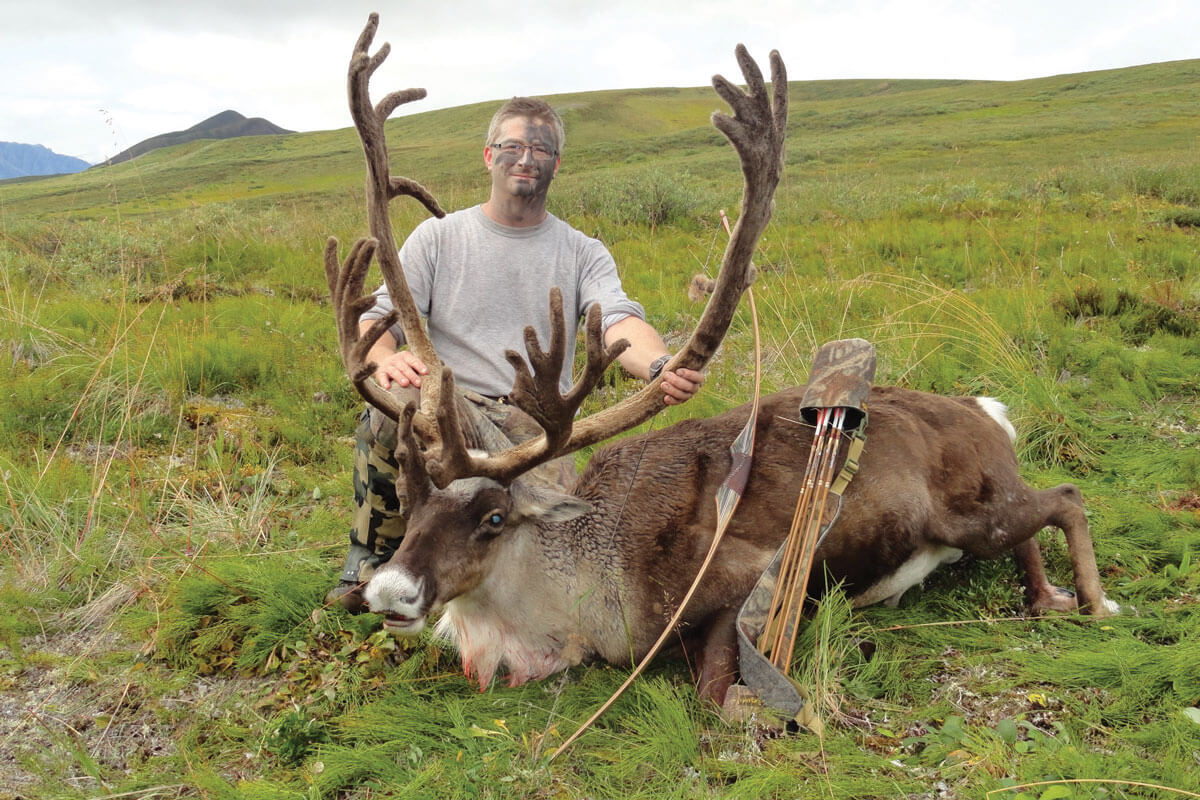
- “You can’t take big game with a recurve.” Many hunters have successfully taken elk, bear, and even moose with well-placed shots.
- “It’s only for experts.” With practice and patience, beginners can learn to hunt effectively.
- “Recurve bows are outdated.” Modern materials and designs have improved their efficiency and comfort.
Resources For Learning More
For those ready to go deeper, consider reading books, watching videos, or joining forums. The Archery Trade Association provides up-to-date regulations and news. For scientific information on bow hunting effectiveness, check the Bowhunting page on Wikipedia.
Frequently Asked Questions
What Is The Best Draw Weight For Beginners In Recurve Bow Hunting?
For most adults starting out, a draw weight of 30-35 pounds is comfortable for target practice. When you move to hunting, increase to at least 40 pounds for deer-sized game. This helps ensure both accuracy and ethical penetration.
Can I Use A Recurve Bow For Hunting In All States?
No, not all states have the same rules. Some require minimum draw weights or specific types of broadheads. Always review your local wildlife agency’s regulations before hunting.
How Far Can You Accurately Shoot A Recurve Bow When Hunting?
Most experienced hunters keep their shots within 20-25 yards. While a recurve can shoot farther, accuracy and arrow power drop quickly. Closer shots are more ethical and successful.

Credit: www.louisianasportsman.com
Do Recurve Bows Require More Maintenance Than Compound Bows?
Recurve bows are generally easier to maintain because they have fewer moving parts. Regularly check the string for