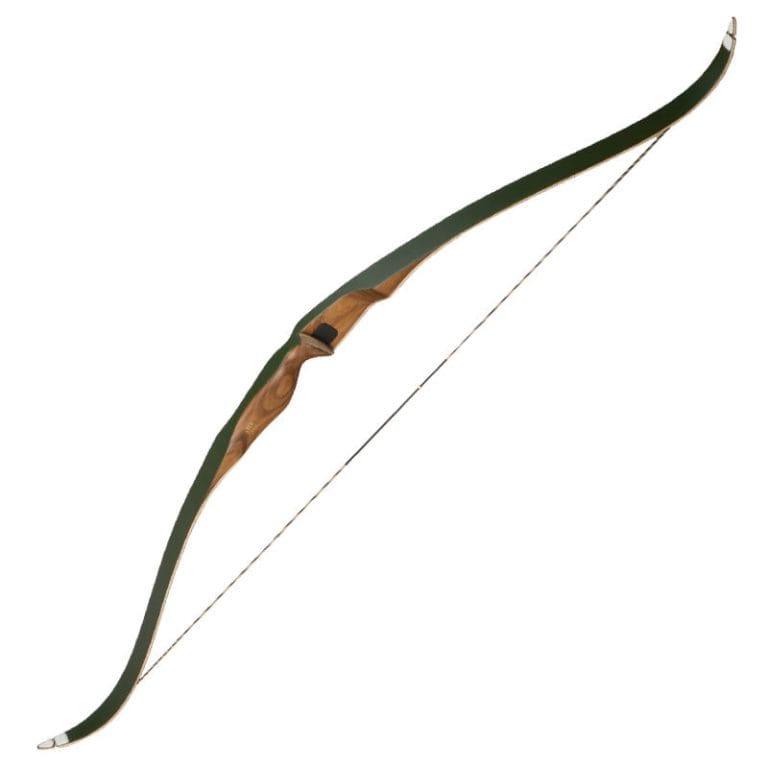
Do Recurve Bows Last? Expert Tips on Bow Longevity
If you’ve ever admired the classic elegance of a recurve bow, you might wonder: Do recurve bows last? Many archers, from complete beginners to seasoned competitors, ask this question before investing time, money, and passion into this iconic piece of equipment. The answer is not simple, recurve bows can last for decades, but their true lifespan depends on materials, use, maintenance, and storage. Let’s look at how long recurve bows can last, what affects their longevity, and what you can do to keep your bow in excellent condition for years.
What Is A Recurve Bow?
A recurve bow is a type of bow where the tips curve away from the archer when the bow is unstrung. This unique shape stores more energy and delivers it more efficiently than straight-limbed bows. The design dates back thousands of years, seen in the weapons of ancient horse archers and traditional cultures. Today, you’ll find recurve bows in Olympic competitions and at local archery ranges.
Most modern recurve bows are made from wood, fiberglass, carbon, or a combination. Some are single-piece (traditional style), while others are take-down models, where the limbs can be separated from the riser (the handle part) for easier transport and repair.
Average Lifespan Of A Recurve Bow
If you care for a recurve bow, it can last a very long time. Many archers use their bows for 20 years or more, and some traditional bows are passed down through families. However, not every bow will last this long.
The average functional lifespan of a recurve bow is:
- Modern fiberglass/carbon bows: 15, 25 years with regular use and maintenance
- Wooden traditional bows: 10, 20 years, sometimes much longer if rarely used
Some bows have survived over 50 years, but their performance may decline with age, especially if they are used often.
Comparing Lifespans: Recurve Bows Vs. Other Types
Here’s a side-by-side look at the typical lifespans of different bow types:
| Bow Type | Average Lifespan (years) | Main Longevity Factors |
|---|---|---|
| Recurve (modern) | 15, 25 | Material, use, maintenance |
| Traditional Longbow | 10, 20 | Wood quality, humidity |
| Compound Bow | 10, 20 | Cam wear, string replacement |
| Fiberglass Youth Bow | 5, 10 | Plastic parts, rough use |
Insight: While modern recurve bows can last as long as compound bows, traditional wooden bows often show their age sooner. However, with gentle use and proper care, even a wooden recurve can last several decades.

Credit: startarchery.co.uk
Key Factors That Affect A Recurve Bow’s Longevity
The question “Do recurve bows last? ” depends on several key factors. Let’s look at them closely.
1. Materials And Construction
The materials used in your bow are the foundation of its lifespan.
- Wooden limbs: Prone to warping and cracking if exposed to moisture or extreme temperatures.
- Fiberglass and carbon limbs: More resistant to weather and stress, less likely to crack under normal use.
- Aluminum or magnesium risers: Last much longer than wooden risers, withstanding more abuse.
Example: A bow with carbon limbs and a metal riser can last for decades with minimal wear, while a cheap plywood riser may fail within a few years.
2. Frequency And Type Of Use
How often, and how intensely, you use your bow matters.
- Frequent target shooting wears out strings and limb tips faster.
- Field archery (shooting outdoors) exposes the bow to rain, mud, and sun, stressing the materials.
- Dry firing (shooting without an arrow) can break any bow instantly.
Pro Tip: Never dry fire a recurve bow. Even one dry fire can cause invisible cracks that later become dangerous failures.
3. Maintenance And Storage
Proper care is the most important factor. Here’s why:
- String waxing and replacement: Bows need new strings every 1, 3 years, depending on use. Waxing protects string fibers from drying out.
- Limb inspection: Cracks or splinters can be dangerous. Check limbs before each session.
- Storage: Keep your bow in a cool, dry place. Avoid car trunks, basements, or attics with temperature swings.
Warning: Storing a strung bow for long periods weakens the limbs. Always unstring your recurve after shooting unless it’s a fiberglass youth bow designed to stay strung.
4. Quality Of Craftsmanship
Not all bows are made the same. High-end bows use better materials and stricter quality control.
- Handmade traditional bows often use carefully selected hardwoods.
- Factory-made budget bows might use lower-grade wood or less durable glues.
In my experience, a well-made recurve bow from a respected manufacturer can outlast a cheaper model by decades, even with similar use.
5. Environmental Exposure
Sunlight, moisture, and temperature shifts all affect a bow’s life.
- UV light breaks down finishes and weakens fiberglass over time.
- Humidity causes wooden limbs to swell, contract, and possibly crack.
- Extreme cold or heat can make glues brittle or soft, leading to failure.
Example: Bows left in a hot car can delaminate, where layers separate, ruining the bow.
Signs That A Recurve Bow Is Wearing Out
Even with great care, all bows eventually show signs of age. Here’s what to look for:
- Limb twist: When one limb no longer lines up with the riser, causing inaccurate shots.
- Cracks or splits: Small cracks in wood, fiberglass, or at the limb tips can grow quickly and become dangerous.
- Soft spots: Pressing on the limb feels spongy, showing internal damage.
- String wear: Fraying or separating strands, especially near the loops.
- Unusual noise or vibration: Buzzes or rattles can signal loose parts or failing glue joints.
Pro Tip: Never ignore a new creak, crack, or twist. Small problems can lead to sudden bow failure.
How To Make Your Recurve Bow Last Longer
There are several steps you can take to extend your bow’s life.
Store Properly
- Unstring the bow when not in use.
- Store in a bow case or on a rack in a climate-controlled room.
- Avoid wet, hot, or freezing places.
Maintain Regularly
- Wax the string every few weeks.
- Check limbs for cracks or splinters before each session.
- Wipe off dirt and moisture after shooting.
Use Correct Arrows
- Use arrows of the right spine (stiffness) and length for your bow’s draw weight.
- Shooting arrows that are too light or stiff stresses the limbs more and can shorten bow life.
Handle With Care
- Never dry fire.
- Don’t drop or bang the riser on hard surfaces.
- Assemble and disassemble take-down bows gently, following the manufacturer’s instructions.
Replace Worn Parts
- Change the string every 1, 3 years, or sooner if it shows wear.
- Replace limb tips or bushings if they become damaged.
Example: Olympic archers change their strings several times a season, even if the bow itself is years old.
Myths About Recurve Bow Longevity
Many archers repeat myths about how long bows last. Let’s clear up some confusion.
- Myth: “Fiberglass bows last forever.”
*Reality:* All bows wear out. Fiberglass is tough but not indestructible, UV and stress can still cause failure.
- Myth: “A bow that’s not used will last forever.”
*Reality:* Wood can still dry out, and glue can fail, even if the bow sits unused.
- Myth: “High draw weight bows break sooner.”
*Reality:* If made properly, draw weight alone doesn’t shorten lifespan, but higher stress can reveal poor construction faster.
- Myth: “Cheap bows are just as durable as expensive ones.”
*Reality:* Quality materials and craftsmanship really do matter for longevity.
Real-world Longevity: Examples And Case Studies
Bows from the 1970s and 1980s are still found in archery clubs today, especially those made by respected brands. Many Olympic archers use the same riser for a decade, changing only the limbs and strings. In museums, you’ll find traditional bows that are hundreds of years old, though most are not safe to shoot.
Example: The Korean Gakgung, a traditional horn bow, can last over 100 years if stored properly, though it may not be shootable for most of that time.
Some archers keep a “backup bow” that is 30 years old and still shoots well, but only because it’s been maintained and stored correctly.
When Should You Retire Or Replace A Recurve Bow?
No bow lasts forever. Here’s when it’s time to consider retiring or replacing yours:
- You see deep cracks or splits in the limbs or riser.
- The bow cannot hold a string securely.
- Limb twist cannot be fixed.
- The bow fails safety inspection at your club or range.
- Performance has become inconsistent, and repairs do not help.
If you are unsure, ask a qualified archery technician or experienced coach to inspect your bow.

Credit: www.reddit.com
Comparing Materials: Which Lasts Longer?
Let’s look at how common recurve bow materials compare for durability:
| Material | Durability | Maintenance Needs | Best For |
|---|---|---|---|
| Wood (Maple, Walnut) | Medium | High (prone to moisture) | Traditionalists |
| Fiberglass | High | Low | All-around |
| Carbon | Very High | Low | Competitors |
| Aluminum Riser | Very High | Low | Modern bows |
Insight: Carbon and aluminum components require less care and are less affected by the environment, making them the best choice for those who want a bow that will last with minimal maintenance.
Common Mistakes That Shorten Bow Life
Many new archers make simple mistakes that can ruin a bow early. Here are the most common:
1. Leaving The Bow Strung All The Time
This keeps the limbs under stress, causing them to lose strength and shape.
2. Ignoring The String
A worn string can break and damage the limb tips.
3. Storing In Bad Conditions
Damp basements, hot cars, or direct sunlight all shorten bow life.
4. Using Mismatched Arrows
Arrows that are too light or stiff can cause limb shock and cracks.
5. Skipping Regular Checks
Failing to inspect for cracks or loose fittings can lead to sudden failure.
Pro Tip: Get into the habit of a quick safety check before every shooting session, it only takes a minute and can add years to your bow’s life.
How To Inspect And Test Your Bow For Safety
Before each use, inspect your bow with these steps:
- Check the limbs for cracks, splinters, or twists.
- Look at the string for fraying or broken strands.
- Confirm limb bolts and fittings are tight (for take-down bows).
- Gently flex the limbs and listen for creaks or snaps.
- Draw the bow slowly and check for smoothness and even resistance.
If you find any issue, stop shooting and consult a professional.
Upgrading Vs. Repairing: What Makes Sense?
Sometimes, it’s hard to decide whether to repair an old bow or buy a new one.
- Repair:
Replace the string, limb tips, or bushings if the rest of the bow is solid.
- Upgrade:
If the limbs, riser, or core structure are cracked, twisted, or delaminated, replacement is usually safer.
Example: Many take-down recurve bows allow you to upgrade just the limbs or riser, extending the bow’s useful life without buying a whole new setup.
Credit: lastchancearchery.com
The Environmental Impact Of Bow Longevity
A longer-lasting recurve bow means less waste. Choosing a quality bow and maintaining it well can reduce the need for replacement. Many parts, such as strings and arrow rests, are recyclable or replaceable. If you must retire a bow, consider donating it to a youth club or using it for display.
For more about materials and recycling in archery, see this Wikipedia page on archery.
Frequently Asked Questions
How Often Should I Replace My Recurve Bow String?
Most archers replace their recurve bow string every 1 to 3 years, depending on how often they shoot and the string material. Synthetic strings last longer than natural fiber ones. Always replace the string if you see fraying or broken strands, even if it’s less than a year old.
Can I Leave My Recurve Bow Strung Overnight?
Leaving your recurve bow strung overnight is not recommended. The limbs stay under tension, which can weaken them over time, especially in wooden or traditional bows. If you shoot daily, it’s fine to leave it strung for a few hours, but always unstring it after use to maximize lifespan.
Is It Safe To Buy A Used Recurve Bow?
Buying a used recurve bow can be safe if you know what to look for. Check for cracks, limb twist, and string condition. Ask about its history: how it was stored, how often it was used, and if it’s ever been dry fired. If possible, have a knowledgeable archer or technician inspect it before purchase.
What Is The Best Way To Transport A Recurve Bow?
Use a padded case designed for recurve bows. For take-down models, separate the limbs and riser, and wrap them individually. Avoid leaving the bow in a car trunk or direct sun, as temperature