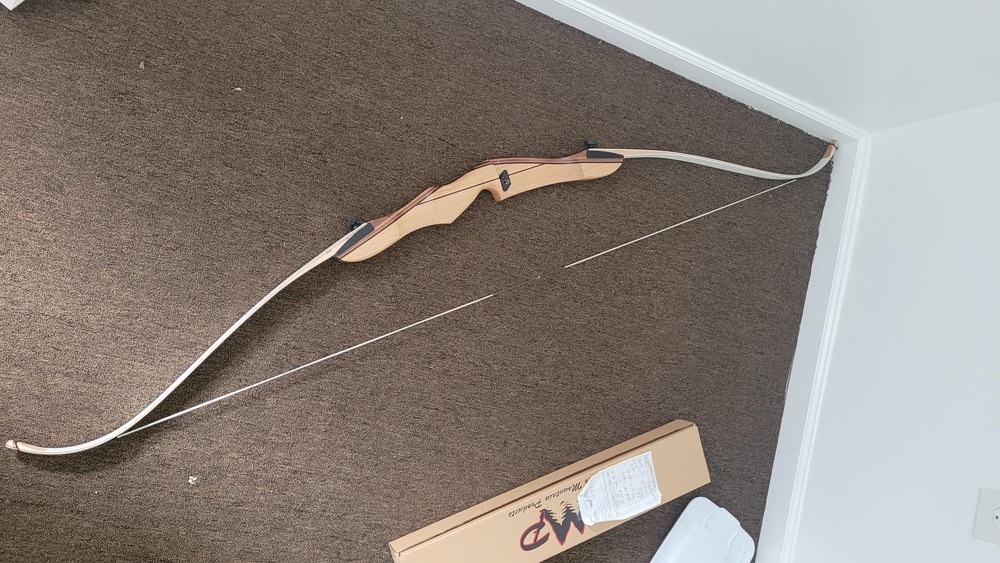
Are Some Cracks Ok on Recurve Bows? Expert Advice Explained
Recurve bows have a special place in archery, blending tradition and performance. Many people love their elegant shape and the satisfying feel of drawing the string. But after months or years of use, you might notice something worrying, small cracks in the limbs, riser, or even near the tips.
Should you be alarmed? Is it ever safe to keep shooting a recurve bow with visible cracks? Understanding which cracks are harmless and which are dangerous can protect both you and your bow. This article will give you clear, practical advice on what types of cracks are common, when to worry, and how to keep your recurve bow in top shape.
Understanding Why Cracks Appear On Recurve Bows
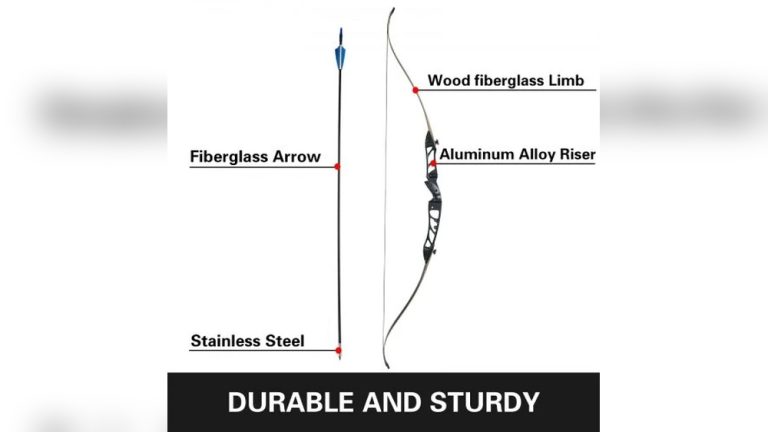
Recurve bows are made from natural materials like wood, fiberglass, and carbon, sometimes combined with modern adhesives. Over time, stress from repeated use, changes in temperature, and simple aging can cause cracks. Some cracks are surface-level and do not affect shooting, while others go deeper and can lead to sudden failure.
Common Stress Points On Recurve Bows
- Limb surface: Often shows fine lines from the bending motion.
- Riser (handle) area: Can develop cracks from over-tightening bolts or physical impacts.
- Tips: These thin areas are under high tension and can show signs of splitting.
Not all cracks mean your bow is unsafe, but ignoring them can lead to more serious issues.
Types Of Cracks Found On Recurve Bows
Knowing the difference between a harmless crack and a dangerous one is crucial. Here are the most common types:
1. Surface Finish Cracks
These are tiny, hairline cracks in the outer coating or varnish. They often look like spider webs and are usually caused by temperature changes or aging.
- Are they safe? Yes. They do not affect the strength or shooting performance.
- What to do: Keep the bow clean and dry. You can refinish the surface for appearance, but it’s not required.
2. Compression Cracks
These are short, small cracks on the belly (the side facing the archer) of the limb, especially near the handle. They form when the limb compresses under stress.
- Are they safe? Often, yes, but they need careful monitoring.
- What to do: If the crack doesn’t grow or deepen, you may continue using the bow. If it spreads, stop shooting immediately.
3. Delamination
Delamination is when layers of the limb or riser start to separate. You may see a wavy line or feel a raised edge.
- Are they safe? No. Delamination is a sign of structural failure.
- What to do: Stop using the bow. Repair by a professional is required, or the bow may need to be retired.
4. Splits And Deep Cracks
A split runs through the wood or composite material, often at the limb tip or riser. You may notice the crack getting wider or feel movement when you press on it.
- Are they safe? No, these are dangerous.
- What to do: Do not shoot with a bow showing deep splits. Seek repair or replacement.
5. Bolt Hole Or Pocket Cracks
These cracks appear near the limb bolts or riser pockets, usually from overtightening or impact.
- Are they safe? Sometimes, if shallow. But they can quickly grow.
- What to do: Loosen bolts slightly and inspect regularly. If the crack grows, stop using the bow.
Table: Quick Guide To Crack Types And Action
Below is a summary to help you decide what to do when you see a crack on your recurve bow.
| Crack Type | Location | Safe to Shoot? | Action Needed |
|---|---|---|---|
| Surface Finish | Any | Yes | Cosmetic care only |
| Compression | Belly of limb | Yes, monitor | Check for growth |
| Delamination | Limbs/riser | No | Repair or retire |
| Deep Split | Limb tips/riser | No | Stop shooting |
| Bolt Hole/Pocket | Riser | Maybe, monitor | Inspect frequently |
How To Identify Harmless Vs. Dangerous Cracks
It’s not always obvious which cracks are safe. Here’s how to tell them apart:
Look At The Depth
- Surface cracks are usually thin and do not catch a fingernail.
- Deep cracks or splits can be felt and often widen with pressure.
Check The Direction
- Across the grain: More dangerous, as they cut through material strength.
- With the grain: Sometimes safe, but still need monitoring.
Watch For Changes
If a crack grows longer or deeper after each session, it’s not safe to continue. Mark the end of the crack with a pencil and check after each use.
Listen And Feel
If your bow makes new creaking or cracking sounds or feels different when drawing, stop shooting immediately.
Pro Tip: Never sand or file a crack to “fix” it yourself. This can hide the problem or make it worse.
When Is It Safe To Keep Shooting?
You can keep using your recurve bow if:
- The crack is only in the finish and does not go into the wood or composite.
- The crack is short, shallow, and not growing, especially for compression cracks.
- There is no movement or flexing around the crack when you gently press on it.
If you have any doubt, consult a professional bowyer or experienced archery shop. Safety is more important than a few extra practice sessions.
Risks Of Ignoring Dangerous Cracks
Ignoring cracks can have serious consequences. Here are the main risks:
- Sudden bow failure: A limb or riser can break under tension, sending sharp pieces toward your face or hand.
- Injury: Broken bows can cause cuts, bruises, or even eye injuries.
- Equipment damage: Your string, arrows, and accessories can be ruined.
- Loss of accuracy: Even small structural cracks can change the way your bow shoots.
The cost of repairing a bow or purchasing a replacement is significantly lower than the injury risk posed by a sudden fracture.
Table: Dangers Of Ignoring Cracks
Here’s a quick view of what might happen if you keep shooting a cracked recurve bow.
| Ignored Crack | Possible Result | Severity |
|---|---|---|
| Deep split in limb | Limb snaps during draw | High (injury likely) |
| Delamination | Loss of power/control | Medium-High |
| Crack at bolt hole | Limb detaches | High (dangerous) |
| Surface finish crack | No effect | Low |
How To Inspect Your Recurve Bow For Cracks
Regular inspection can prevent accidents. Here’s a practical routine:
- Unstring the bow before checking. This removes tension and makes cracks easier to spot.
- Look under good lighting. Move the bow to see reflections, which reveal surface flaws.
- Run a fingernail gently along the limbs and riser. This helps you feel any raised or deep cracks.
- Check stress points: Limb tips, riser pockets, and bolt holes.
- Flex the limbs slightly (only if safe) and listen for creaks or pops.
Warning: Never flex a visibly cracked limb. This can cause immediate failure.
What To Do If You Find A Crack
If you notice a crack, take these steps:
- Stop shooting until you identify the type of crack.
- Photograph the crack to monitor changes over time.
- Mark the ends of the crack with a pencil. This helps track growth.
- Consult a professional if unsure about the severity.
- Avoid DIY repairs unless you have bow-building experience.
Repair Options For Cracked Recurve Bows
Some cracks can be fixed, while others mean the bow is no longer safe. Here’s what you can expect:
Surface Finish Cracks
- Can be sanded and refinished for cosmetic reasons.
- Does not require structural repair.
Compression Cracks
- Small cracks can sometimes be stabilized with glue, but only under expert guidance.
- Do not attempt if the crack grows or is near a limb tip.
Delamination
- Requires clamping and special adhesives.
- Often a permanent fix is not possible; replacement is safest.
Deep Splits
- Usually not repairable for safe shooting.
- Best to retire the bow or use it for display.
Riser Cracks
- Small cracks can sometimes be filled, but if they run through the entire riser, replacement is needed.
Pro Tip: Professional repair costs can range from $50 to over $200, depending on the damage and materials.
Preventing Cracks In Your Recurve Bow
Prevention is always better than repair. Here’s how to reduce the risk:
- Store the bow in a dry, cool place. Avoid high humidity or direct sunlight.
- Unstring the bow when not in use for more than a day.
- Use a proper bow case when transporting.
- Check limb bolts before each session. Do not overtighten.
- Clean and wax the limbs to prevent drying out.
- Warm up the limbs in cold weather before heavy shooting.
Pro Tip: Never leave your recurve bow in a hot car or near a heater, sudden temperature changes can cause cracks.
When To Retire A Cracked Recurve Bow
Sometimes the best decision is to retire the bow. This is true if:
- The crack reaches across the full width or depth of a limb or riser.
- You see delamination that you can feel or lift with your fingernail.
- The crack grows after each shooting session.
- A professional recommends replacement.
Old recurve bows can still be displayed as wall art or kept as a memory, but they should not be used for shooting if structurally compromised.
Table: Repair Vs. Replace Decision Guide
To help you decide, here’s a summary:
| Crack Type | Repairable? | Best Action |
|---|---|---|
| Surface finish | Yes | Refinish if desired |
| Minor compression | Maybe | Monitor or repair |
| Delamination | Rarely | Replace |
| Deep split | No | Retire |
| Riser crack | Maybe | Professional repair |
Real-world Example: Crack Progression
Inspecting an older wooden recurve reveals a hairline crack in the limb belly. Over three months, mark the crack’s endpoints and inspect it after every shooting session. Eventually, the crack will extend and a soft spot will become tactilely apparent.
I stopped using the bow before it broke, a decision that likely prevented a hand injury. This shows that small cracks can become dangerous over time.
Expert Advice And Resources
If you’re not sure about a crack, reach out to a local archery shop or certified bow technician. Many archery forums and organizations, such as USA Archery, offer helpful guides and photos of common issues. For more on bow safety and maintenance, you can visit the Wikipedia page on recurve bows.
Frequently Asked Questions
What Should I Do If My New Recurve Bow Has A Small Surface Crack?
If your new bow shows a tiny surface crack, don’t panic. These are often only in the finish and do not affect strength. However, keep your receipt and take photos in case the crack grows or you need to use a warranty.
Sometimes, manufacturers will offer a replacement if you report the issue early.
Can A Cracked Recurve Bow Be Fixed At Home?
While minor finish cracks can be lightly sanded and refinished by an experienced person, deep structural cracks should not be fixed at home. Attempting DIY repairs on serious cracks can hide the problem and put you at risk. Always consult a professional for repairs involving the limb or riser.
How Long Can I Keep Shooting With A Compression Crack?
You can often shoot with a small, stable compression crack if it’s not growing. Monitor it closely, mark the ends and check after each session. If the crack changes or you hear new noises, stop shooting immediately. Never ignore changes in the crack’s length or depth.
What Are Signs That A Crack Is Getting Worse?
Watch for these warning signs:
- The crack becomes longer or wider.
- You can feel movement or softness around the crack.
- New noises (creaks, pops) when drawing.
- Changes in bow performance, such as accuracy loss or unusual vibration.
These signs mean you should stop shooting and get the bow checked.
Does Weather Affect The Risk Of Cracks In Recurve Bows?
Yes, weather has a big impact. High humidity can cause wood to swell, while extreme dryness can make it shrink and crack. Sudden temperature changes (like bringing a cold bow into a warm room) can also cause surface finish cracks.
Proper storage and gradual temperature changes help reduce this risk.
Recurve bows are built to last, but only if you pay attention to the warning signs. Regular inspection