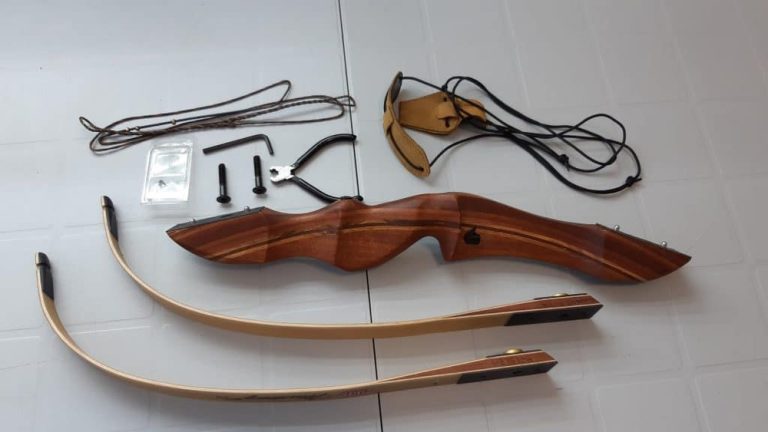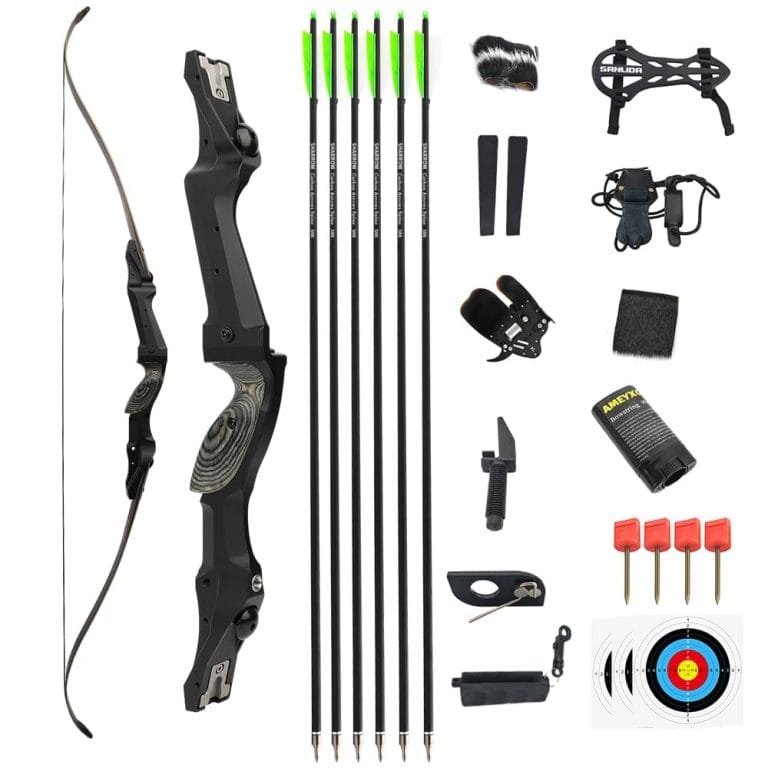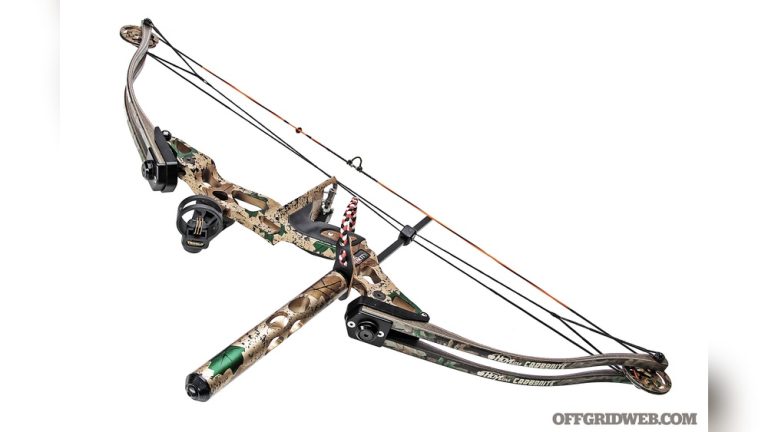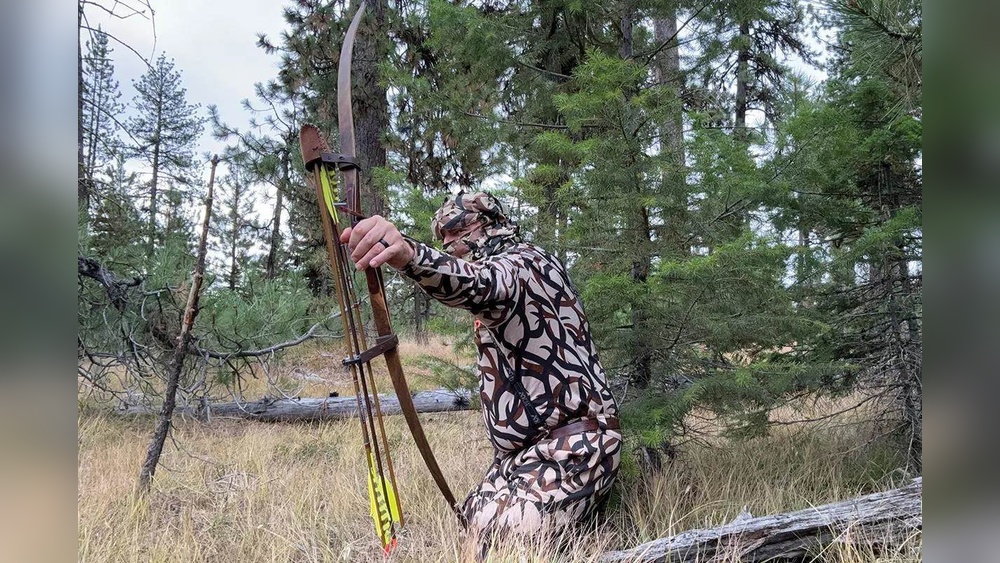
Do You Have to Break in a New Recurve Bow? Expert Tips Explained
Buying a new recurve bow is always exciting. You admire the clean limbs, the smooth finish, and the untouched string. But soon, a question pops up: do you have to break in a new recurve bow, or can you simply shoot it straight out of the box? Many archers, especially those new to traditional bows, wonder if a “break-in period” is necessary, and what steps, if any, should be followed to get the best performance and lifespan from their new gear.
This topic can feel confusing, with mixed advice online and from fellow shooters. Some say you must baby your bow in the first few weeks, while others start shooting hundreds of arrows right away. As a friendly mentor who’s helped many archers set up their first bows, I want to clear up the confusion and guide you through what really matters when starting with a new recurve.
Let’s explore if, why, and how you should break in a new recurve bow, what you might expect during those first shooting sessions, and practical steps to ensure your bow is safe, comfortable, and accurate for years to come.
What Does “breaking In” Mean For A Recurve Bow?
The idea of “breaking in” is common in the world of sports equipment. With recurve bows, it refers to the initial period when the bow, string, and other parts adjust to use. In many cases, people believe this phase is needed to:
- Allow the bow limbs and string to settle under tension
- Let new materials (like wood or fiberglass) “relax” into their final shape
- Catch any early problems before they become bigger issues
However, unlike leather boots or wooden baseball bats, modern recurve bows are carefully designed and tested to handle stress right away. This doesn’t mean you can ignore setup or maintenance, but the break-in process is simpler than many expect.
Do You Really Need To Break In A New Recurve Bow?
Most modern recurve bows do not require a formal break-in period. Manufacturers build them to be ready for shooting after correct setup. But there are some important reasons to take it slow at first:
- String Stretch: New bowstrings, especially those made from traditional materials like Dacron, can stretch during the first 50, 100 shots. This affects brace height and tuning.
- Component Settling: The limb bolts, riser, and other parts may shift slightly as you shoot. Early careful use lets you spot and fix any movement or noise.
- Shooter Adjustment: The break-in period is as much about you getting used to the bow as the bow adapting to being shot.
So, while you don’t need a strict break-in schedule, a gentle start helps both you and your equipment.
Key Steps For The First 100 Shots
To get the most from your new recurve, follow these practical steps during your first sessions.
1. Inspect And Set Up Carefully
Before your first shot, check:
- Limb alignment: Make sure limbs are straight and tight.
- String condition: No fraying or loose ends.
- Brace height: Measure from the deepest part of the grip to the string. This is usually 7-9 inches, but check your bow’s manual.
Pro Tip: Use a bow stringer to safely attach the string. Never “step through” or use unsafe methods.
2. Shoot At Low Draw Weights
If your bow has adjustable limbs, start with a lower draw weight. This puts less stress on the new string and limbs. It also helps you focus on form and comfort.
3. Shoot Slowly And Listen
For the first 50, 100 arrows:
- Take your time between shots.
- Listen for creaks, cracks, or strange noises.
- Check the string and limb bolts every 10, 20 arrows.
Any strange sound or sudden change in feel should be investigated before you continue.
4. Check And Adjust Brace Height Regularly
Your string will likely stretch a little during the first session. After every 20, 30 arrows, measure your brace height again. If it drops, twist the string to shorten it and return to the proper height.
Example: On my first recurve, the brace height dropped 1/4 inch after just 40 arrows. A few extra twists in the string fixed it and improved the bow’s feel.
5. Inspect All Components After Each Session
After your first 100 arrows, go over the bow again:
- Are the limb bolts still tight?
- Is the string still in good shape?
- Any new scratches or dents?
Catching small issues early can prevent bigger problems later.
How Long Does The Break-in Period Last?
For most modern recurves, the main “settling” happens in the first 100, 200 arrows. String stretch is usually finished by then, and the bow’s parts have adjusted to being shot. You can now shoot at your normal pace and draw weight.
Some traditional bows made from natural materials (like all-wood limbs) may take a bit longer to settle. But for factory-made bows with synthetic limbs and modern strings, the process is quick.
What Changes During The Break-in?
You might notice some small changes as you use your new recurve:
- Brace Height: It may drop slightly as the string stretches.
- Noise and Vibration: The bow might become quieter as parts settle.
- Draw Feel: The pull can become smoother as everything “beds in.”
If these changes level off after a few sessions, your bow is ready for regular use.
What Happens If You Skip The Break-in Steps?
Shooting your new recurve hard and fast from the start won’t always damage it. However, skipping careful setup and early checks can lead to problems:
- String stretch can cause poor arrow flight or even string failure if not monitored.
- Loose limb bolts may create slippage or even cracks.
- Ignoring early noises can hide a manufacturing defect.
Taking your time early on is not just about tradition, it’s practical risk management.
Comparing Traditional Vs. Modern Recurve Bows
The break-in needs of a recurve bow depend on its materials and design. Here’s a quick comparison:
| Type | Main Materials | Break-In Needed? | Notes |
|---|---|---|---|
| Modern Recurve | Fiberglass, Carbon, Aluminum, Synthetic Strings | Minimal | String stretch is the main issue; limbs settle fast. |
| Traditional/Custom Recurve | Wood, Natural Horn, Linen Strings | More Important | Wood and natural strings need more careful break-in. |
Most archers today use modern recurves, but if you have a custom wooden bow, ask the maker for specific advice.
Tuning Your Bow After Break-in
Once your bow and string have settled, it’s time to fine-tune for accuracy and comfort.
Brace Height
With a “broken-in” string, your brace height should now remain stable. Check the manual or manufacturer’s website for the ideal measurement. Adjust with string twists as needed.
Nocking Point
String stretch during break-in can affect your nocking point position. Re-check and adjust it so arrows fly straight and level.
Arrow Rest And Plunger
If your bow uses a plunger or adjustable arrow rest, the first 100 shots may cause small shifts. Confirm that nothing has loosened, and re-tune if necessary.
Limb Alignment
Rare, but sometimes a new bow’s limbs may shift slightly during the first sessions. Sight down the limbs to ensure they are still straight.
Pro Tip: Mark the original positions of bolts and parts with a pencil so you can spot any movement.
Common Mistakes When Breaking In A Recurve Bow
Learning from other archers’ errors can save you frustration and money. Here are some common mistakes to avoid:
- Ignoring String Stretch: Failing to re-check brace height leads to poor performance or even string damage.
- Over-tightening Bolts: Some think “tighter is better,” but overtightening can crack wood or strip threads.
- Using Cheap String Material: Budget strings can stretch too much or snap unexpectedly.
- Shooting Heavy Arrows Immediately: Heavier arrows stress new strings and limbs more. Start with standard-weight arrows.
- Not Listening for Noises: Small creaks or buzzes can signal early problems.
Signs Your Bow Has Settled In
After about 200 arrows, you can expect:
- Stable brace height
- Consistent arrow flight
- No new noises
- No changes in limb alignment
If you still notice shifting measurements or new issues after this point, consult your dealer or a professional bow technician.
How To Maintain A New Recurve Bow For Best Performance
Breaking in your bow is just the start. Regular care keeps it shooting well for years.
String Maintenance
- Wax your string every few sessions to prevent fraying.
- Replace the string if you notice excessive wear, even after break-in.
Limb And Riser Care
- Wipe limbs with a soft cloth after shooting to remove sweat and dirt.
- Store the bow unstrung in a cool, dry place if you won’t use it for a while.
Hardware Checks
- Periodically check all bolts and screws for tightness.
- Inspect the arrow rest and other contact points for wear.
Safe Transport
Use a padded case when carrying your bow to the range or field. Hard knocks during transport cause more damage than shooting.
Real-world Example: First 200 Shots With A New Recurve
When testing a new 30-pound recurve, pay close attention to each step above. The first 50 arrows felt slightly stiff, and the brace height dropped by about 1/8 inch. After adjusting the string and re-tightening the limb bolts, the bow felt much more stable.
By arrow 150, everything stayed consistent, and my groups improved. This personal experience showed me that a cautious start pays off, even if the bow seems “ready” right away.
Comparing Break-in Steps: Recurve Vs. Compound Bows
Archers who switch from compound bows to recurves often wonder how the break-in compares. Here’s a side-by-side summary:
| Feature | Recurve Bow | Compound Bow |
|---|---|---|
| String Stretch | Common in first 100 shots | Less common with modern cables |
| Brace Height Change | Likely in early use | Rare after setup |
| Limb Adjustment | Manual, sometimes needed after break-in | Usually factory-set, not user-adjustable |
| Tuning Frequency | Re-check after break-in | Usually stable after initial setup |
Compound bows are built to hold their settings longer, but recurves offer simplicity and easier home adjustments.
How Manufacturers View Break-in
Most leading recurve bow brands design their products to work safely from the first shot, as long as you follow proper setup. For example, Hoyt Archery recommends checking all hardware, brace height, and string condition before shooting but does not require a long break-in. You can find similar advice from Samick, Bear Archery, and others.
If you have a high-end or custom bow, always follow the maker’s instructions. Some unique materials or builds may have special requirements.
For more details on bow construction and care, the Wikipedia article on recurve bows provides a helpful overview.
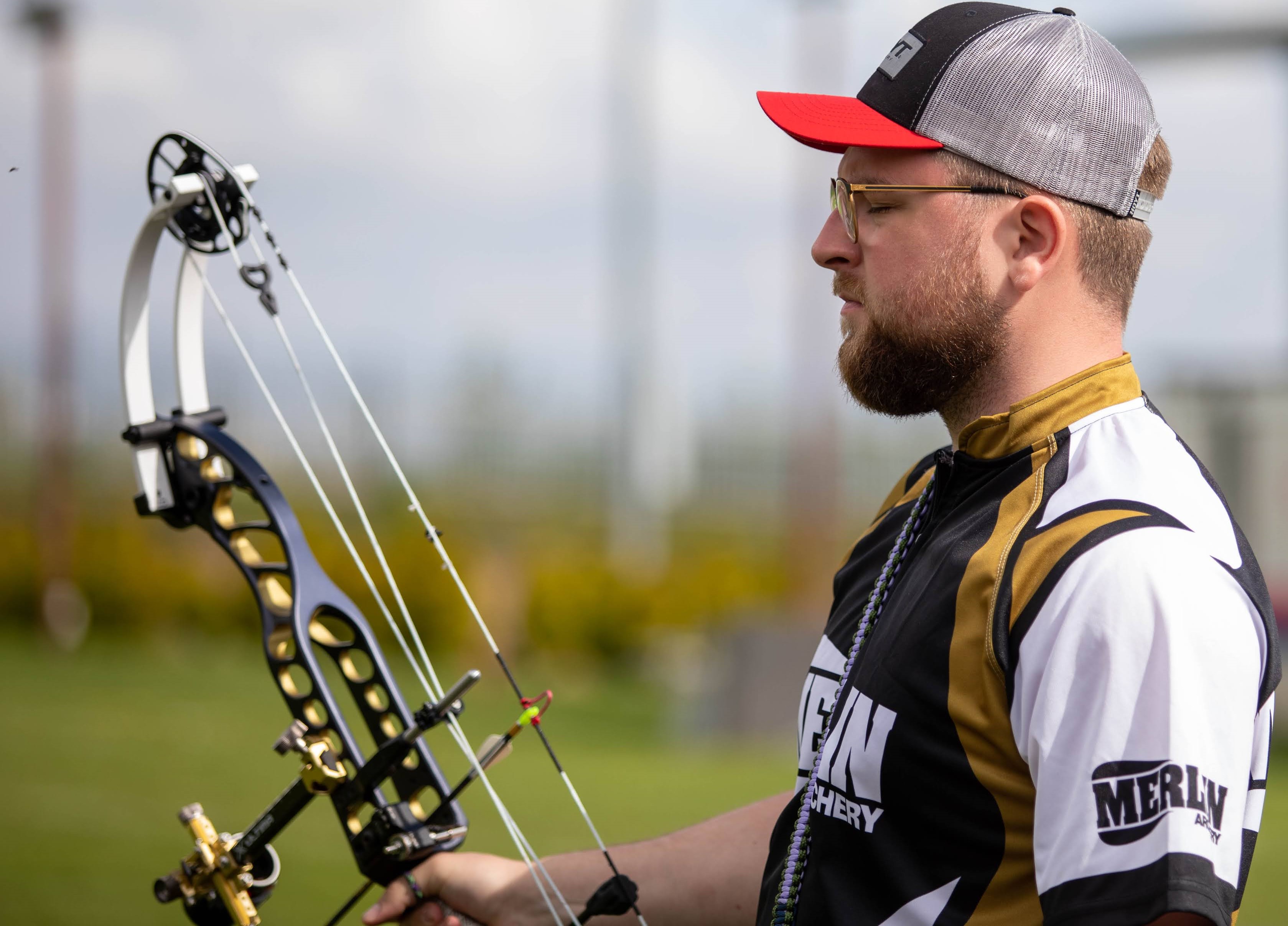
Credit: startarchery.co.uk
Do All Accessories Need Breaking In?
It’s not just the bow and string that benefit from a gentle start. Arrows, arrow rests, and sights can also “settle in”:
- Arrows: Check each for straightness and nock fit after the first few uses.
- Arrow Rest: A new rest may need adjusting as you tune the bow.
- Finger Tabs/Gloves: These soften and shape to your hand with use.
Always monitor new accessories along with your bow during the first week.
Environmental Factors That Affect Break-in
Few archers consider how temperature and humidity can affect a new recurve bow, especially during the break-in phase.
- Cold Weather: Strings may stretch less, but materials can become brittle.
- Hot or Humid Conditions: Wood limbs and leather grips can swell or soften, changing brace height or feel.
Try to break in your bow in mild, dry conditions if possible. If not, check measurements more frequently.
Should You Unstring Your Bow After Every Use?
During the break-in period, unstringing after each session is recommended. This:
- Reduces stress on the limbs and string
- Lets you inspect for wear or damage
- Helps the bow last longer
After the first few weeks, some archers leave their bows strung for short periods, but unstringing remains the safest option for traditional recurves.
The Role Of The Archer: Building A Routine
Breaking in a recurve bow isn’t just about the equipment, it helps you build good habits as an archer. By checking your bow, adjusting settings, and paying attention to small changes, you develop a routine that serves you well throughout your archery journey.
Frequently Asked Questions
What Should I Do If My New Recurve Bow Makes A Clicking Or Creaking Noise?
First, stop shooting and inspect the bow for any visible cracks or gaps, especially around the limb pockets and riser. Sometimes, a small piece of debris or poorly seated limb can cause noise. If you find nothing obvious, check that all bolts are tight and the string is properly installed.
If the noise continues, take the bow to a professional for a closer look, never ignore repeated noises, as they can signal a serious issue.
Does Changing The String Material Affect The Break-in Process?
Yes, the type of string matters. Synthetic strings (like Fast Flight) stretch less and settle faster than traditional Dacron. If you switch to a new material, expect a slightly different break-in pattern. Always check brace height and nocking point after changing strings, as each material “beds in” differently.
Can I Use My New Recurve Bow For Hunting Right Away?
It’s best to shoot at least 200, 300 arrows before hunting with a new bow. This ensures the string has settled, the bow is tuned, and you’re fully comfortable with its feel. Practicing first helps avoid surprises in the field and improves your accuracy under real conditions.