Do I Need to Break down My Recurve Bow? Expert Advice Inside
When you first start using a recurve bow, one question often comes up: “Should I break down my bow after shooting?” Many archers, both beginners and experienced, wonder about this. Breaking down means taking apart the limbs from the riser, turning your bow into smaller pieces. This is different from just unstringing, which means removing the string but leaving the bow assembled. If you’re unsure, you’re not alone. Some archers never break down their bows, while others do it every time. The answer depends on several factors, including care, storage, convenience, and long-term performance.
Understanding when, why, and how to break down a recurve bow can protect your equipment and make your archery experience better. In this article, you’ll find practical advice, clear comparisons, and insights that most beginners miss. You’ll learn how breaking down your bow affects its lifespan, what mistakes to avoid, and whether it’s necessary for your situation.
What Does Breaking Down A Recurve Bow Mean?
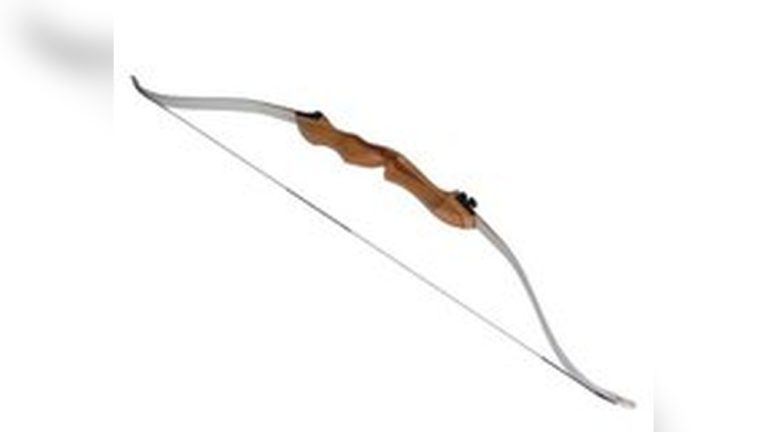
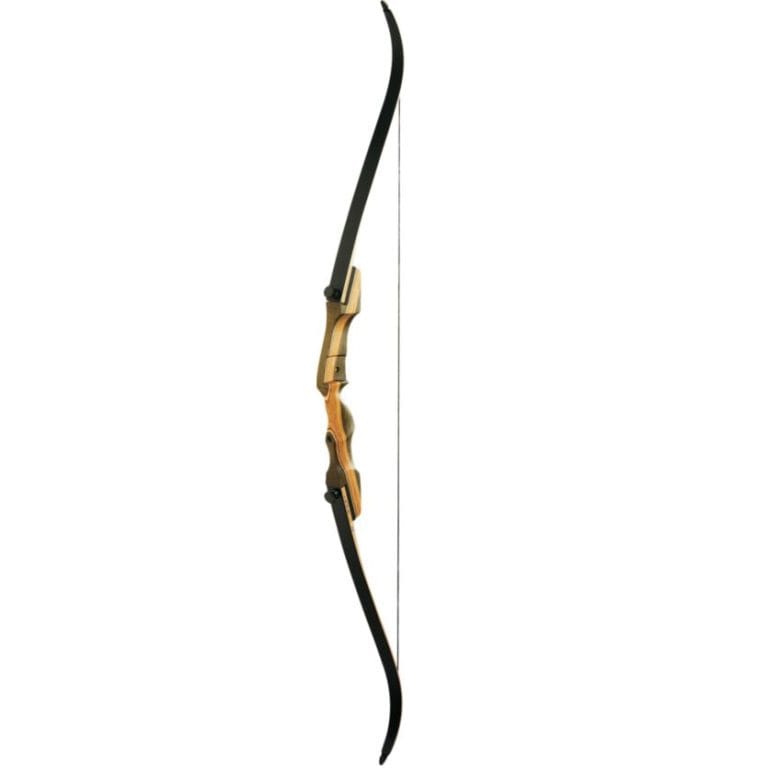
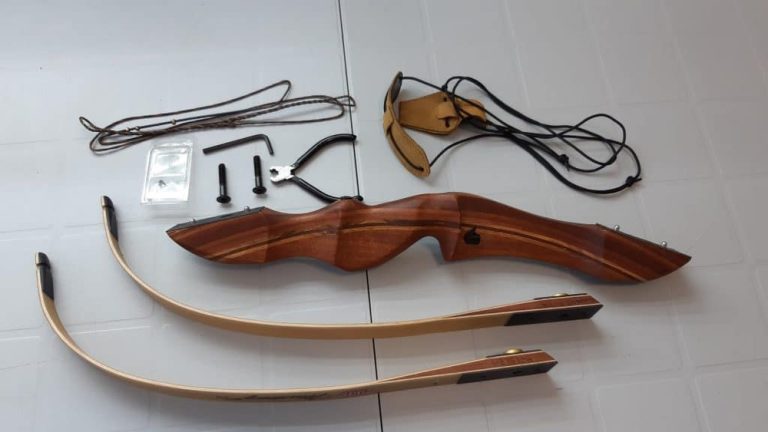
A recurve bow is made of three main parts: the riser (handle), two limbs, and the string. Many modern recurve bows are “takedown” bows, which means you can remove the limbs from the riser. Breaking down your bow means separating these parts.
This process usually takes just a few minutes:
- Unstring the bow by removing the string safely.
- Use the limb bolts or clips to detach the limbs from the riser.
- Store each piece separately.
Some bows are “one-piece,” meaning they cannot be broken down. If your bow is takedown, you have the option to break it down.
Pro Tip: Always check your bow’s manual or manufacturer guidelines before taking it apart. Using the wrong method can damage the limbs or riser.
Reasons To Break Down Your Recurve Bow
There are several reasons why archers choose to break down their recurve bows. Let’s look at the most common ones:
- Ease of Transport and Storage
- Breaking down a bow makes it easier to fit in a case or bag.
- Smaller pieces are simpler to carry in cars, buses, or public transport.
- It’s safer for the bow, as the limbs are less likely to get bumped or bent.
- Protection from Damage
- Keeping the bow assembled increases risk of bending or warping, especially if stored in a tight space.
- Broken-down bows are less likely to suffer accidental damage.
- Preventing Limb Stress
- Leaving the limbs attached can cause long-term stress, especially if stored with temperature changes or pressure on the limbs.
- Maintaining Performance
- Limbs kept under pressure may lose some “snap” or power over time.
- Breaking down prevents unwanted tension.
- Routine Cleaning and Maintenance
- Breaking down makes it easier to clean each part.
- You can check for cracks, splinters, or loose bolts.
- Safety
- A bow left assembled and unattended can be a hazard, especially around children or pets.
- Broken-down bows are less likely to be misused.
Example: Transporting Your Bow
If you travel to tournaments, breaking down your bow lets you use a compact bow case. This reduces the risk of damage during transit. In my experience, assembling the bow at the range takes only 2, 3 minutes, and it’s worth the added protection.

Credit: startarchery.co.uk
When You Should Break Down Your Bow
Not every situation requires breaking down your recurve bow. Let’s look at when it makes the most sense:
- After each shooting session: If you travel or store your bow in a small space, breaking down is wise.
- Before long-term storage: For periods over a week, break down the bow to prevent limb stress.
- When flying or driving long distances: Airlines and car trunks often require compact gear.
- If you notice limb wear: Breaking down lets you inspect for cracks or issues.
But, if you shoot daily and keep the bow in a safe, roomy place, breaking down every day may not be necessary.
Common Mistakes
- Leaving the string on when breaking down.
- Forgetting to loosen limb bolts before removal.
- Storing limbs in a way that exposes them to heat or moisture.
Risks Of Not Breaking Down Your Recurve Bow
Leaving your recurve bow assembled all the time can cause problems. Here are some risks:
- Limb Warping: Limbs left attached under tension can bend over time.
- Riser Stress: The riser (handle) may develop cracks if stored under pressure.
- String Wear: String kept on the bow stretches and weakens faster.
- Damage During Transport: Full-size bows are more likely to be bumped or scratched.
Some archers report their bows lasting 5, 10 years with proper care, but those who never break down often see performance drop after a few years.
Comparing Break Down Vs. Leaving Assembled
To make this clearer, here’s a comparison table showing the differences between breaking down and leaving your recurve bow assembled:
| Aspect | Break Down | Leave Assembled |
|---|---|---|
| Storage Space | Compact; fits in small cases | Requires large space |
| Risk of Damage | Low; limbs protected | High; limbs exposed |
| Bow Lifespan | Longer; less stress | Shorter; more stress |
| Assembly Time | 2, 5 minutes needed | Ready to shoot |
| Maintenance | Easy; parts accessible | Harder; parts hidden |
How To Break Down Your Recurve Bow Safely
It’s important to break down your bow the right way. Here’s a step-by-step guide:
- Unstring the Bow
- Use a bow stringer to remove the string. Never twist or pull the string off by hand.
- Loosen Limb Bolts
- Most takedown bows have bolts or clips. Loosen them carefully.
- Remove Limbs
- Slide the limbs out gently. Do not force or bend.
- Inspect Parts
- Check for dirt, cracks, or loose screws.
- Store in a Case
- Use a padded bow case. Keep limbs flat and dry.
Example: A Beginner’s Mistake
A common error is trying to remove limbs while the string is still attached. This can damage both the string and limbs. Always unstring first.

Credit: www.reddit.com
Should You Break Down Your Bow Every Time?
This is the big question. The answer depends on your shooting frequency, storage space, and bow type.
- If you shoot once a week or less, breaking down after each session helps your bow last longer.
- If you shoot daily and store the bow safely, you may only need to break down once a week.
- If your bow is a one-piece, breaking down isn’t possible. Just unstring and store properly.
For most takedown bows, breaking down is recommended when:
- Traveling
- Storing for more than a few days
- Maintaining or cleaning
How Often Should You Break Down Your Recurve Bow?
Frequency depends on usage:
- Daily shooters: Break down weekly for inspection.
- Occasional shooters: Break down after each session.
- Traveling archers: Break down before every trip.
Warning: Over-tightening limb bolts during frequent assembly can damage threads. Tighten only to manufacturer guidelines.
Storage Tips For Broken Down Bows
Proper storage is key. Here’s how to store your bow safely:
- Use a padded case with compartments for each part.
- Keep limbs flat, never stacked.
- Avoid heat, moisture, or direct sunlight.
- Store string separately in a dry pouch.
- Clean parts before storage.
Some archers place silica gel packs in their cases to absorb moisture.
Impact On Bow Lifespan And Performance
Breaking down your bow regularly can extend its life. Limbs are less likely to warp or crack. The riser stays strong, and the string remains tight.
Archery shops often report that bows broken down and stored properly show fewer problems after years of use. Performance stays consistent, with less loss in draw weight or speed.
Example: Maintenance Data
A survey by Archery Trade Association found that bows stored broken down had 30% fewer repairs over five years compared to bows left assembled. This shows the value of proper care.
What Beginners Often Miss
New archers may not realize:
- Limbs can bend slowly over months, so damage isn’t always obvious.
- Storing in a hot car or damp garage speeds up wear.
- Assembly mistakes, like cross-threading bolts, can ruin a bow.
- A padded case isn’t just for travel, it’s important for home storage too.
Differences Between Takedown And One-piece Bows
Takedown bows are made for breaking down. One-piece bows cannot be broken down. Here’s a table to compare:
| Feature | Takedown Bow | One-Piece Bow |
|---|---|---|
| Can Be Broken Down | Yes | No |
| Storage | Compact | Bulky |
| Maintenance | Easy | Harder |
| Travel | Convenient | Challenging |
| Customization | Limbs can be swapped | Fixed |

Credit: startarchery.co.uk
Cleaning And Maintenance After Breaking Down
When your bow is broken down, it’s easier to keep each part in top shape:
- Wipe limbs with a soft cloth to remove dust.
- Inspect bolts and clips for rust or wear.
- Check the riser for cracks or chipped paint.
- Clean the string and check for frayed strands.
Regular maintenance prevents costly repairs and keeps your bow shooting smoothly.
Is Breaking Down Necessary For Every Archer?
Not all archers need to break down their bow every time. It depends on:
- Bow type
- Shooting frequency
- Storage conditions
- Travel needs
If your bow stays in a dry, safe area and you shoot often, you may only need to break down occasionally. But for those with limited space or frequent travel, breaking down is important.
Environmental Factors That Affect Bow Storage
The environment where you store your bow matters. High temperatures can soften limb materials. Moisture can cause wood to swell and metal to rust.
Example: If you store your bow in a garage that gets hot in summer, breaking down and storing in a climate-controlled room helps prevent damage.
Choosing The Right Bow Case
A good bow case makes storage safer. Look for:
- Padded interior
- Separate compartments for limbs, riser, and string
- Durable zippers and handles
- Moisture-resistant material
Some cases are hard-shell, offering extra protection for travel.
Assembly And Disassembly Tips
When assembling or breaking down:
- Follow the manufacturer’s steps.
- Avoid overtightening bolts.
- Use a bow stringer every time.
- Check for loose screws and tighten as needed.
- Store tools and accessories in the case.
Pro Tip: Practice assembly at home so you’re confident at tournaments or events.
Common Myths About Breaking Down Recurve Bows
Some archers believe breaking down is unnecessary or even harmful. Here are common myths:
- “Breaking down wears out the bolts.” Actually, proper care prevents this.
- “Leaving assembled is fine if unstrung.” Limbs still face pressure if stored poorly.
- “Only beginners break down.” Even Olympic archers break down their bows for travel and maintenance.
What Can Happen If You Ignore Breaking Down
If you never break down your bow, you might face:
- Increased repairs and maintenance costs
- Reduced shooting accuracy
- Bow parts failing during use
- Difficulties when traveling
How To Decide If You Need To Break Down Your Bow
Ask yourself these questions:
- Do you travel with your bow?
- Is storage space limited?
- Do you want to inspect parts regularly?
- Are you concerned about long-term performance?
If you answered yes to any, breaking down is likely the best choice.
Comparing Archery Practices Worldwide
In the United States, most archers break down their bows for travel and storage. In Europe, where space is often limited, breaking down is common. In some parts of Asia, archers use one-piece bows and focus on careful unstringing instead.
Professional Advice
Archery coaches and shop owners recommend breaking down your bow regularly. This is supported by organizations like the National Field Archery Association. You can find more expert tips at Archery Trade Association.
Frequently Asked Questions
How Does Breaking Down A Recurve Bow Affect String Life?
Breaking down your bow usually means unstringing it first. When the string is removed, it avoids tension and stretching. Storing the string in a dry pouch, away from sharp objects, helps it last longer. Some archers even rotate two strings to extend their lifespan.
Can Breaking Down Too Often Damage My Bow?
If you follow correct procedures and avoid overtightening bolts, breaking down does not cause damage. Problems arise only when assembly is done carelessly. Use the right tools, follow manufacturer advice, and check for wear regularly.
What Should I Do If My Limbs Get Scratched During Storage?
Scratches can happen if limbs rub against hard surfaces. Use a padded case and wrap limbs in soft cloth. If scratches appear, clean with a damp cloth and inspect for deeper cracks. Light scratches usually do not affect performance, but deep ones should be checked by a professional.
Is It Okay To Break Down My Bow Outdoors?
You can break down your bow outdoors, but be careful. Avoid dirty or wet surfaces, as dust and moisture can get into bolts and limb pockets. If you must break down outside, use a clean mat or towel and wipe parts before storing.
How Can I Tell If My Bow Needs To Be Broken Down More Often?
Look for signs like limb warping, riser cracks, or string stretching. If you notice these, break down and inspect your bow more often. Also, if your storage area is humid or hot, consider breaking down