Are Recurve Bow Limbs Supposed to Be Tight? Expert Guide
If you’ve just started with recurve archery, you may wonder if your recurve bow limbs are supposed to feel tight, loose, or somewhere in between. Many beginners struggle with this question, and even some experienced archers debate how tight recurve limbs should really be. Getting this right is important, not just for safety, but for accuracy, comfort, and the lifespan of your equipment. In this guide, I’ll break down what “tight” means for recurve bow limbs, why proper fit matters, and how to check, adjust, and maintain your limbs for the best shooting experience. Whether you shoot target, field, or just for fun, you’ll find practical steps and tips here, based on both expert advice and first-hand experience.
Understanding Recurve Bow Limbs
Recurve bows have a unique design: the limbs curve away from the archer at the tips. The limbs are the flexible parts of the bow that store and release energy when you draw and shoot. They connect to the riser (the handle) and are usually removable or replaceable. This means the fit between limb and riser is critical for both performance and safety.
There are two main limb attachment systems: ILF (International Limb Fitting) and bolt-on systems. ILF is popular for target bows and allows easy swapping and tuning. Bolt-on is common in entry-level or traditional bows. No matter the system, getting the right limb tightness is crucial.
Many archers assume “tight” means the limbs should be hard to move or remove, but that’s not always true. Instead, the limbs should fit securely, with no wiggle or play, but should not be forced into place or require extreme pressure to install or remove. Too tight can damage equipment; too loose can be dangerous.
Why Limb Tightness Matters
Safety First
A recurve bow with loose limbs can cause dangerous situations. If a limb moves during the draw or shot, it could lead to a misfire, injury, or broken equipment. On the other hand, over-tightening (especially with bolts) can strip threads, warp the riser, or even cause limb cracks.
Performance And Consistency
Proper limb fit affects how the bow shoots. If limbs are too loose, they may rattle or shift, causing inconsistent arrow flight. Overly tight limbs can introduce stress, affecting the bow’s tiller (the balance between top and bottom limb) and potentially reducing accuracy.
In my experience, even a slight limb wobble can make grouping arrows almost impossible.
Equipment Longevity
Every shot puts stress on the connection between limb and riser. A correct fit reduces wear and tear, making your bow last longer. For example, overtightened limb bolts can lead to riser damage over time, while too much movement can wear out limb pockets.
How Tight Should Recurve Bow Limbs Be?
The ideal fit is secure but not forced. Here’s how to check:
- Install the limbs according to manufacturer instructions. They should slide or bolt in smoothly, with no resistance that requires excessive force.
- Check for wiggle: With the string unstrung, gently try to move the limb side-to-side. There should be no significant movement. A tiny amount of movement in ILF limbs is usually OK because the string holds them snug when strung.
- Strung bow test: After stringing, the limbs should sit firmly in the riser slots, with no gaps or rocking.
- Draw test: Slowly draw the string (without arrow). Listen and feel for any creaks, clicks, or shifting. If you notice any, double-check the limb fit.
If you have a bolt-on system, tighten the bolts until the limb sits firmly, but do not use excessive force. Most manufacturers recommend hand-tight, plus a small additional turn, never use tools to overtighten.
Example: When I switched from a beginner’s bolt-on recurve to an ILF system, I noticed the limbs felt slightly looser when unstrung. At first, I thought something was wrong, but after stringing the bow, the limbs were perfectly secure. This is normal for ILF, as the string pressure holds everything tight during use.
Comparing Limb Fit: Ilf Vs. Bolt-on
Let’s compare the two main limb attachment systems in terms of how “tight” limbs should be:
| Feature | ILF System | Bolt-On System |
|---|---|---|
| Attachment Method | Slot and detent (snap-in) | Bolts (screw-in) |
| Unstrung Fit | Slight play is normal | Should be snug |
| Strung Fit | Very tight, no movement | Firm, no movement |
| Adjustment | Tool-free, fast | Requires Allen key or wrench |
| Common Issues | Loose fit unstrung worries beginners | Risk of overtightening |
Pro Tip: If you’re not sure which system your bow uses, check the limb connection area or consult your bow’s manual. For more about the ILF system, see the Wikipedia ILF page.

Credit: www.skbcases.com
Signs Your Limbs Are Too Tight Or Too Loose
How do you know if your limbs are not fitted correctly? Here are clear signs to look for:
Too Loose
- Limbs wiggle or rattle in the riser when unstrung and strung
- Audible clicks or movement during the draw or shot
- Visible gaps between limb and riser
- String does not sit evenly between top and bottom limbs
Too Tight
- Limbs require force to install or remove
- Bolts are hard to turn or feel like they’re binding
- Riser shows stress marks or minor cracks near limb pockets
- Limbs don’t seat fully into riser, or sit at an angle
If you notice any of these, stop shooting and check your setup. Shooting with loose or overtight limbs is unsafe.
How To Adjust Limb Tightness
For Ilf Systems
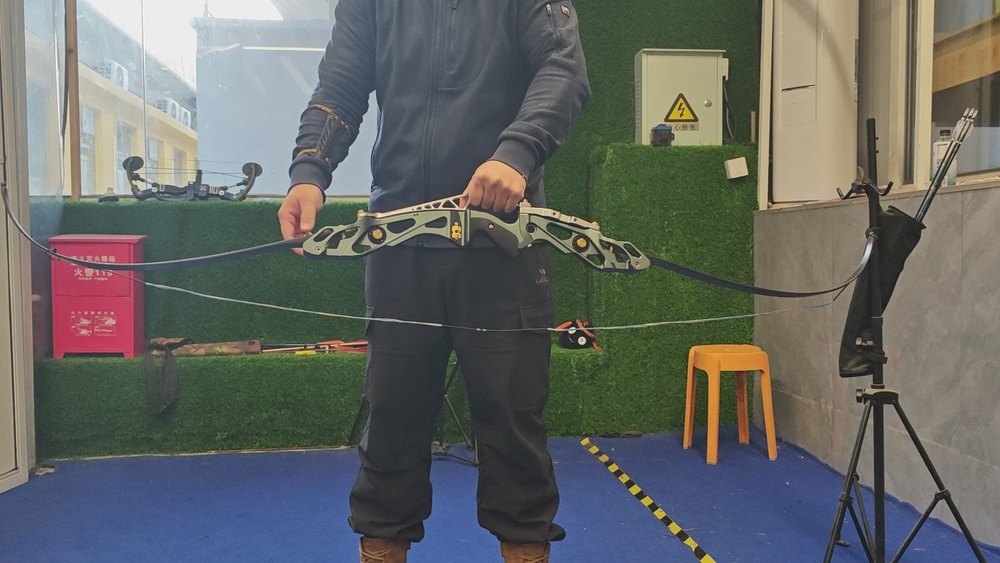
- Insert the limb tip into the riser slot until it clicks into place.
- Check alignment: The limb should sit straight, with no big gaps.
- String the bow: The string’s tension will press the limb into its pocket.
- Test for movement: If you feel movement while strung, check for dirt or worn parts.
If your limbs feel loose when unstrung but secure when strung, that’s normal. If they move when strung, consult a pro shop, your limb pocket or detent may be worn.
For Bolt-on Systems
- Insert the limb into the riser slot.
- Tighten the limb bolt by hand until snug. Do not overtighten.
- If you use a tool, add only a small additional turn.
- String the bow and test as above.
If you need to force the bolt, stop, something is wrong. Clean the bolt threads and limb pocket, and try again.
Warning: Never use pliers or a wrench for extra-tightening. This can damage the riser or bolt threads.
Credit: bosenarchery.com
Limb Fitting And Tuning For Accuracy
Limb tightness is just one part of bow tuning. Here’s how it affects accuracy and consistency:
- Tiller: This is the measurement difference between the top and bottom limb. If limbs are not seated correctly, your tiller will be off, causing poor arrow flight.
- Alignment: Limbs must sit straight in the riser. A crooked fit leads to string misalignment and erratic shots.
- Vibration: Loose limbs increase vibration, which can fatigue your hand and change arrow grouping.
You can use a bow square and tiller gauge to check alignment and tiller. Small differences in limb fit can add up to big differences at the target, especially past 20 yards.
What To Do If Limbs Won’t Fit Properly
Sometimes, limbs simply won’t fit right. Here’s what to check:
- Dirt or debris: Clean the limb pocket and limb base.
- Burrs or damage: Check for dents, cracks, or burrs on the limb or riser.
- Mismatched parts: Make sure your limbs and riser are compatible. ILF limbs won’t fit a bolt-on riser and vice versa.
- Worn hardware: Over time, detents or bolts can wear out. Replace worn parts.
Example: A friend of mine bought used limbs online. When they arrived, they didn’t fit his riser well. It turned out the previous owner had filed the limb bases to fit a different riser, ruining the universal fit. Always check compatibility and condition before buying used limbs.
Maintenance Tips For Limb Fit
Keeping your limbs fitting well is an ongoing process. Here’s how to protect your bow:
- Clean the limb pockets and bases regularly. Dust, sand, or grit can cause poor fit.
- Inspect for wear and cracks each time you assemble the bow.
- Store your bow unstrung when not in use. This reduces stress on the limb joints.
- Lubricate bolts lightly (for bolt-on systems) with a drop of bow-safe oil. Never use too much or allow oil onto the limb base.
- Check tightness often, especially before tournaments or long practice sessions.
Common Myths About Limb Tightness
Many archers pick up incorrect advice about limb fit. Let’s bust a few myths:
- “Tighter is always better.” False. Overtightening leads to damage and poor performance.
- “A little wiggle is always bad.” Not true for ILF systems, slight movement unstrung is normal.
- “All recurve bows need the same tightness.” Each bow and limb system may have different specs. Always check your manual.
- “If the limbs are hard to remove, they’re safer.” In fact, you may be damaging your equipment.
Practical Limb Fit Troubleshooting Guide
Here’s a quick reference for common limb fit problems and solutions:
| Problem | Possible Cause | Solution |
|---|---|---|
| Wobbly limbs | Loose bolts, dirty limb pocket | Tighten bolts, clean pockets |
| Limb won’t seat fully | Debris, mismatched parts | Clean, check compatibility |
| Hard to install/remove | Overtightened, bent hardware | Loosen, inspect bolts |
| Creaking on draw | Loose limb, cracked limb base | Check fit, replace limb if cracked |
| Uneven tiller | Limb not seated or overtightened | Re-seat limb, check tightness |
Real-world Examples: Limb Fit In Action
One archer overtightened his bolt-on limbs, which caused a small crack in the riser after a month. We replaced the riser and taught him to use only hand pressure.
Another student worried her ILF limbs were “too loose” because they moved slightly when unstrung. After stringing, the fit was perfect.
These experiences show that following the manufacturer’s guidelines, rather than guessing, is the safest route. When in doubt, ask a pro shop for help.
What Archery Experts Recommend
Top archery coaches and manufacturers agree: limb fit should be secure but not forced. The USA Archery coach manual, for example, notes that “excessive force in assembling limbs can lead to equipment failure.” Most bow makers also warn against overtightening bolts.
If you shoot regularly, get your bow checked by a pro at least once a year. They can spot wear or alignment issues before they become big problems.
When To Seek Professional Help
If you can’t get your limbs to fit securely, or if you notice persistent creaking, cracks, or performance changes, visit a certified archery shop. Problems with limb fit can sometimes be subtle, like invisible cracks or slightly bent bolts. A professional can check alignment, tiller, and safety.
Frequently Asked Questions
How Can I Tell If My Recurve Bow Limbs Are Installed Correctly?
Check that the limbs sit flush with the riser, with no visible gaps or twisting. After stringing the bow, gently flex the limbs and listen for any movement or unusual noise. For ILF bows, a little play unstrung is normal, but after stringing, everything should feel solid.
Is It Normal For Ilf Limbs To Move Slightly When Unstrung?
Yes, a small amount of movement is expected in ILF systems before the bow is strung. The string tension pulls the limbs tightly into the riser. This is by design and does not affect safety or performance.
What Should I Do If My Limb Bolts Keep Loosening During Shooting?
First, check for dirt or oil on the threads. Clean both the bolts and the riser holes. If the problem continues, consider using a small amount of bow-safe thread locker, but only after consulting your bow’s manual or a professional technician.
Can Limb Tightness Affect My Arrow Flight Or Groupings?
Absolutely. Loose or uneven limbs can cause inconsistent arrow flight, poor groupings, and even hand shock. Proper limb fit is a key part of bow tuning and should not be overlooked if you want reliable accuracy.
How Often Should I Check My Limb Tightness?
It’s best to check limb fit every time you assemble your bow, especially before competitions or long practice. Also, inspect the fit after any drops, impacts, or changes in temperature, as wood or composite materials can expand or contract.
Getting the right limb tightness on your recurve bow is essential for safe, accurate, and enjoyable archery. Take a few extra moments to check your setup each time you shoot, and you’ll avoid most common problems. If you’re ever unsure, ask an experienced archer or pro shop for advice, your future self (and your bow