Do I Need More Than a 45Lb Recurve Bow? Expert Guide & Tips
Most people who start archery with a 45lb recurve bow wonder if they need a heavier bow as they get better. Some say you need more power for hunting, others for better distance or speed. But is a stronger bow always better? The answer is not so simple. The right draw weight depends on your goals, strength, and what you want out of archery. Choosing the wrong bow can lead to poor accuracy, injuries, or just make the sport less fun.
If you’re reading this, you probably own or are considering a 45lb recurve and want to know if it’s enough. Whether you shoot at targets in your backyard or dream of hunting, understanding draw weight is key. This article will help you decide if you really need more than 45 pounds, and what you should consider before making a change.
What Does Draw Weight Mean?
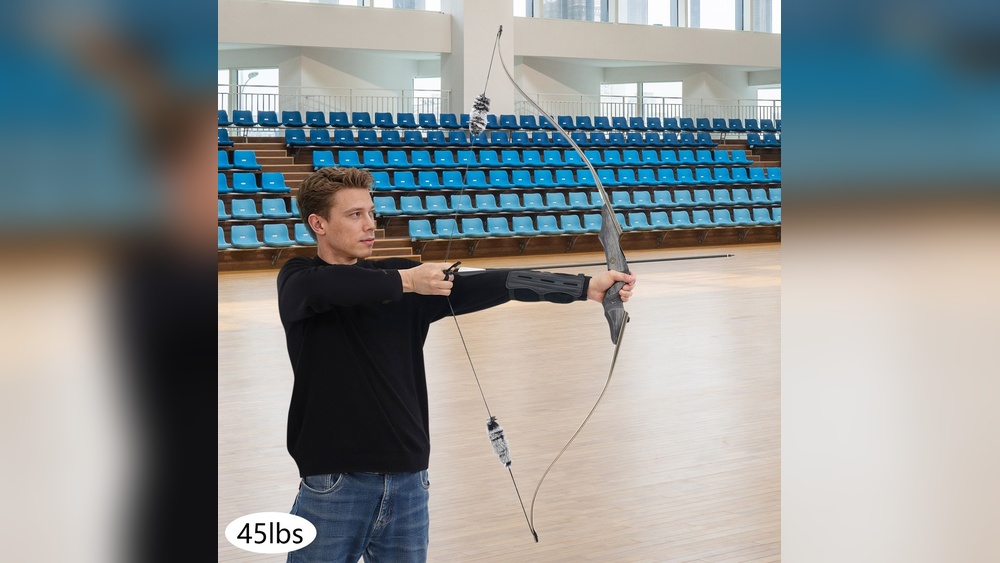
Draw weight is the amount of force needed to pull a bowstring back to a certain point, usually 28 inches for recurves. It’s measured in pounds (lbs). For example, a 45lb recurve takes 45 pounds of force to draw to 28 inches. More draw weight means more energy is transferred to the arrow, which usually means faster arrows.
But there’s a catch: more isn’t always better. If you can’t draw the bow smoothly or hold it steady, your accuracy and form will suffer. Many beginners overestimate what they can handle.
Why Draw Weight Matters
- Arrow speed: Heavier bows shoot arrows faster, which can help with distance and penetration.
- Penetration: Important for hunting, higher draw weight means better penetration on targets.
- Fatigue: Higher draw weight tires your muscles faster and can cause injuries.
- Accuracy: If you struggle to hold the bow, you’ll shake and miss more often.
Pro Tip: If you’re not sure, start with a weight you can draw 20-30 times without shaking or straining. Good form is more important than raw power.
Is A 45lb Recurve Bow Enough?
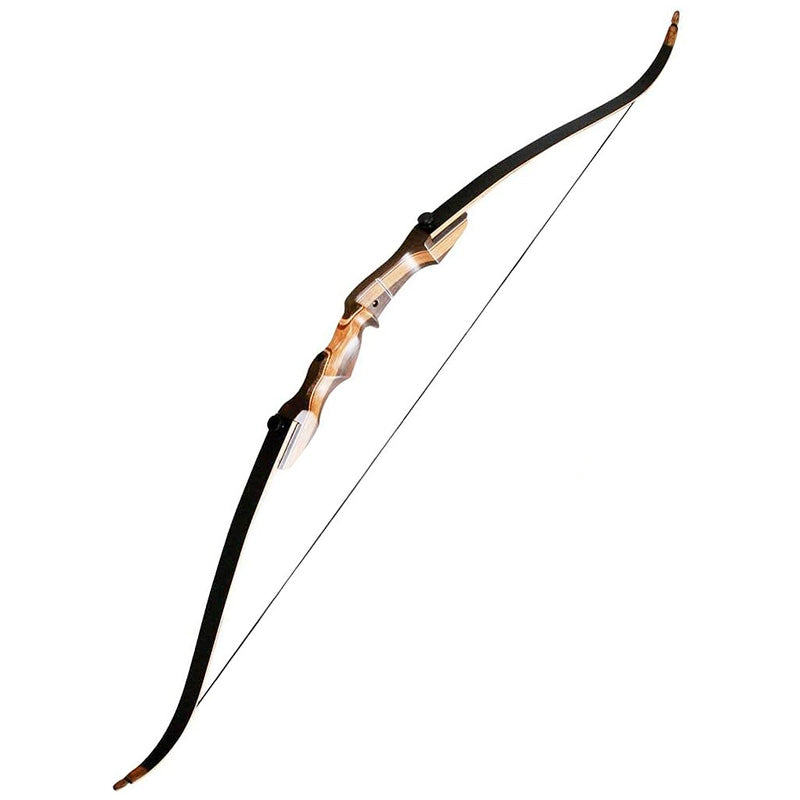
For many archers, a 45lb recurve bow is the sweet spot. It’s powerful enough for most target shooting and legal for hunting medium game in many places. But whether it’s “enough” depends on your use case.
For Target Shooting
A 45lb bow is more than enough for target practice at typical ranges (10-50 yards). Most competitive target archers use bows between 30-40lbs, and even Olympic recurve shooters rarely go above 50lbs. The focus here is accuracy and consistency, not power.
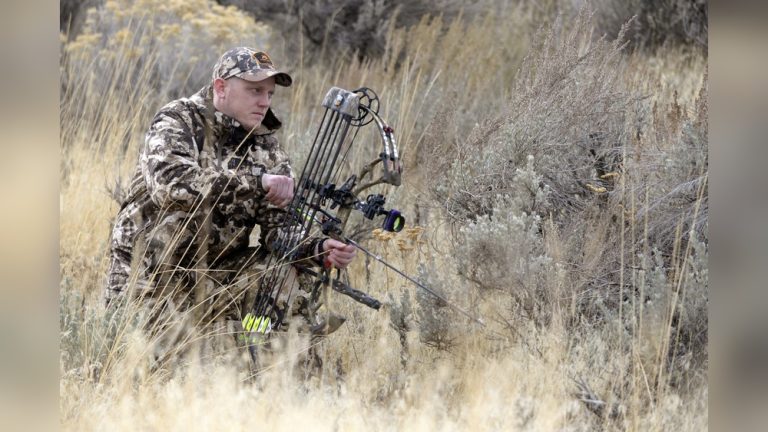
For Hunting
In the US, most states require a minimum draw weight for hunting deer, usually between 35 and 45lbs. A 45lb recurve, when paired with the right arrows and broadheads, can ethically take down deer and similar-sized animals. For larger game like elk or bear, some hunters prefer 50lbs or more for better penetration, especially at longer distances.
For Bowfishing
Bowfishing usually uses lighter bows (30-50lbs) because you shoot quickly and often. A 45lb bow works well for most fish species.
For Beginners
If you’re new to archery, 45lbs can be heavy, especially if your upper body isn’t used to the motion. Many instructors recommend starting with 25-35lbs and working up as you build strength and form.
Comparing Draw Weights: 40lb Vs 45lb Vs 50lb
It helps to see how different draw weights compare in real-world use. The table below shows key differences:
| Draw Weight | Recommended Use | Arrow Speed (Approx.) | Suitability |
|---|---|---|---|
| 40lb | Target, small game | 160-175 fps | Beginner to intermediate |
| 45lb | Target, deer hunting | 175-190 fps | Intermediate, hunting legal in most states |
| 50lb | Hunting larger game | 190-210 fps | Advanced, strong archers |
Key insight: The jump from 45 to 50lbs gives faster arrows and better penetration, but requires more strength and practice to shoot well.
Signs You Might Need More Than 45lb
Not every archer needs to move up. Here’s how to know if you’re ready for more:
- You shoot 45lbs easily: If you can draw and shoot 45lbs for 40+ arrows without shaking, muscle fatigue, or breaking form, you might be ready for more.
- You hunt larger game: For elk, bear, or wild boar, a higher draw weight can give the needed penetration, especially with heavier arrows.
- You’re consistently outshooting your bow: If your arrows lack power at your maximum shooting distance, or you see poor penetration in targets, a heavier bow could help.
- You want more challenge: Some advanced archers enjoy the challenge and strength-building of heavier bows.
Example: When I first moved from a 35lb to a 45lb bow, I saw a big improvement in arrow speed and stability. But moving to 50lbs was only worth it after a year of strength training, otherwise, my accuracy dropped.
Risks Of Using Too Heavy A Bow
It’s tempting to jump to a heavier bow for speed or hunting power. But using a bow that’s too heavy has downsides:
- Loss of accuracy: Shaky arms mean missed shots.
- Bad habits: Struggling with draw weight leads to poor form, which is hard to fix later.
- Injury risk: Shoulder, elbow, and back injuries are common among archers who overbow themselves.
- Less practice: Fatigue sets in fast, so you shoot less and don’t improve.
Warning: Never sacrifice good shooting form for more power. Injuries from overbowing can take months to heal.
How To Decide: Is More Than 45lb Right For You?
Choosing the right draw weight is personal. Here’s a simple process to help:
Assess Your Strength And Form
- Can you draw 45lbs smoothly and hold at anchor for 3-5 seconds?
- Can you shoot 30-50 arrows per session without pain or fatigue?
- Do your arrows reach your target at the distances you want to shoot?
If yes, you may consider moving up. If not, stick with 45lbs or even drop lower to focus on technique.
Consider Your Goals
- Target archery: Stick with 40-45lbs, focus on accuracy.
- Hunting medium game: 45lbs is usually enough.
- Hunting large game: Consider 50lbs+, but only if you can handle it.
- Bowfishing or fun shooting: 30-45lbs is plenty.
Check Local Laws
Hunting regulations vary by state and country. Always check legal draw weights for hunting in your area. For example, some states require a minimum of 50lbs for hunting elk.
Credit: www.3riversarchery.com
Building Up To A Heavier Bow
If you decide you want to move up, don’t rush. Increase draw weight slowly and safely. Here’s how:
- Improve form with your current bow: Perfect technique before adding weight.
- Strengthen your muscles: Use resistance bands or archery-specific exercises for back, shoulders, and arms.
- Move up in small steps: If possible, increase by 2-5lbs at a time, not 10lbs.
- Listen to your body: If you feel pain or fatigue, stop and reassess.
Pro Tip: Some recurves have interchangeable limbs. Buying heavier limbs for your current bow is cheaper and safer than buying a whole new bow.
Arrow Selection With Higher Draw Weight
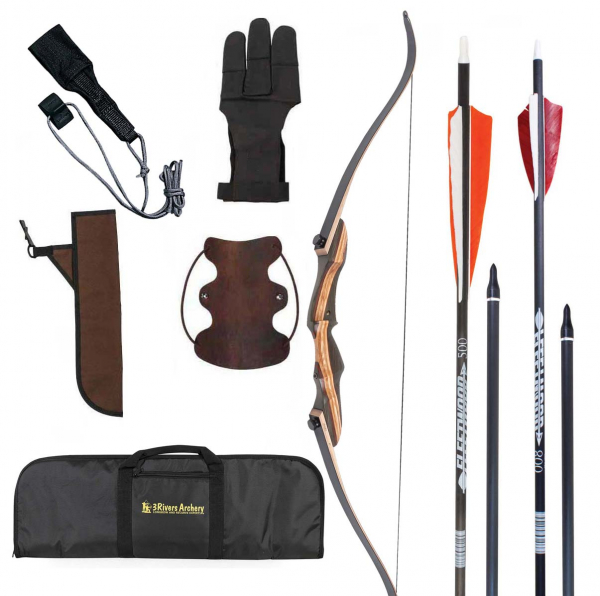
If you upgrade to a heavier bow, your arrows must also change. Heavier draw weights require stiffer arrows (higher spine rating) to handle the increased force. Using the wrong arrows can cause poor flight or even breakage.
| Draw Weight | Recommended Arrow Spine | Arrow Weight (grains) |
|---|---|---|
| 40-45lb | 500-600 | 350-500 |
| 45-50lb | 400-500 | 400-600 |
| 50-55lb | 340-400 | 450-650 |
Key insight: Don’t just increase bow weight, match your arrows to avoid accuracy issues or damage.
Credit: www.canadaarcheryonline.com
Practical Examples: When More Than 45lb Makes Sense
Hunting Large Game
If you hunt elk or black bear, a 50lb+ recurve is often recommended. The extra power helps push broadheads through thick bone and muscle, especially at longer distances. However, shot placement and broadhead choice matter more than raw power.
Long Distance Shooting
If you want to shoot over 60 yards regularly, a heavier bow can keep arrows flatter and reduce wind drift. But for most recreational archers, 45lbs is enough for up to 40-50 yards.
Competitive Archery
Most target competitions don’t require high draw weights. Even Olympic archers rarely exceed 50lbs with recurves. Focus on form, not power.
Common Mistakes When Upgrading
- Jumping too fast: Moving from 45 to 60lbs in one step is a recipe for injury.
- Ignoring form: Power means nothing if you can’t shoot accurately.
- Using the wrong arrows: Too weak, and arrows bend or break.
- Not checking regulations: Always make sure your bow is legal for your intended use.
- Not training enough: Strength and endurance take time to build.
Pro Tip: If you shoot often and want to upgrade, try shooting with resistance bands first to see how your muscles handle the extra load.
Alternatives To Increasing Draw Weight
You might not need a heavier bow to get better results. Consider these options:
- Improve arrow selection: Heavier arrows or better broadheads can improve penetration.
- Optimize bow tuning: Proper brace height and nocking point can boost performance.
- Work on technique: Better release and follow-through often give more benefit than extra pounds.
- Try different bow styles: Compound bows can deliver more power with less draw weight due to mechanical advantage.
Real-world Experiences
In my experience, many archers think more draw weight equals better shooting. But the best shooters I’ve met focus on consistency and form, not power. I once coached a hunter who moved up to a 55lb recurve too quickly. His accuracy dropped, and he developed shoulder pain that forced him to take months off shooting.
On the other hand, I’ve seen skilled archers hunt deer with 40lb recurves and achieve clean kills because they practiced good shot placement and used quality arrows.

Credit: www.ebay.com
Key Takeaways
- 45lb recurve bows are enough for most archers, especially for target shooting and hunting medium game.
- Only move to a heavier bow if you’ve mastered your current weight and have a clear reason (like hunting larger animals).
- Increasing draw weight is not a shortcut to better shooting, practice and proper gear matter more.
- Check local hunting laws and match your arrows to your bow.
- Avoid overbowing; it’s better to shoot accurately with less power than to miss with more.
If you’re still unsure, visit a local archery shop or range and test different weights. Experienced coaches can watch your form and give advice based on your body and goals.
For more technical information on recurve bows and draw weights, the Wikipedia page on recurve bows has useful details.
Frequently Asked Questions
What Is The Best Draw Weight For Beginners In Archery?
Most beginners do well with bows between 25-35lbs. This range allows you to focus on technique and build strength without risking injury. As you gain experience and confidence, you can move up in small steps if needed.
Does A Heavier Draw Weight Improve Accuracy?
Not always. In fact, shooting a bow that’s too heavy often makes accuracy worse due to muscle fatigue and shaky form. Accuracy comes from consistent technique, not just power.
Can A 45lb Recurve Bow Kill A Deer?
Yes, a 45lb recurve bow is legal and effective for deer hunting in most states, as long as you use the right arrows and place your shot well. Always check local regulations and practice ethical hunting.
How Do I Safely Increase My Draw Weight?
Increase draw weight slowly, ideally in steps of 2-5lbs. Strengthen your back, shoulders, and arms with exercises, and practice good form. If you feel pain or loss of control, drop back to a lower weight until you’re ready.
What’s More Important: Draw Weight Or Arrow Selection?
Both matter, but arrow selection is often overlooked. The right arrows matched to your bow’s draw weight and your shooting style will improve accuracy, penetration, and safety. Consult with a pro shop for the best fit.
Choosing the right bow isn’t just about numbers, it’s about matching your gear to your body, goals, and experience. Take your time, listen to your body, and enjoy the journey in archery.