Are Recurve Bows Hard to Shoot? Tips for Beginners
Many people are drawn to the elegance and tradition of recurve bows. You see them in Olympic competitions, on movie screens, and even in ancient history books. But as you hold one for the first time, a question comes up: are recurve bows hard to shoot? The answer is not a simple yes or no. It depends on your experience, your expectations, and what you mean by “hard.” This article breaks down the real challenges and joys of shooting a recurve bow. Whether you’re a curious beginner or thinking about switching from a compound bow, you’ll find clear, practical answers here.
What Makes A Recurve Bow Unique?
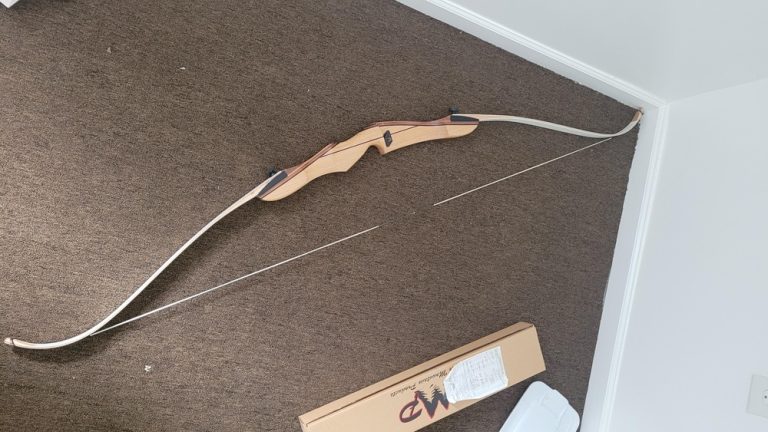
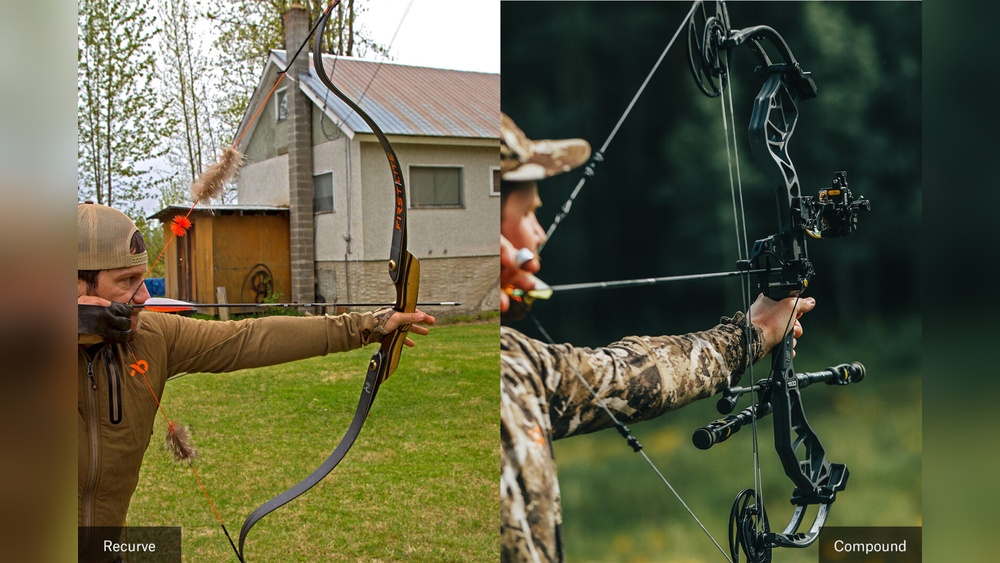
The recurve bow stands out from other bows because of its shape. The tips curve away from the archer, which helps store more energy and gives the arrow more speed. Unlike compound bows with pulleys and cables, a recurve bow is simple, usually just a single piece of wood or a few laminated layers.
This simplicity is both a strength and a challenge. You get direct feedback from every shot. There are no gadgets to help with aim or balance. For some, this is why recurve bows feel “hard”, but for others, it’s what makes them enjoyable.
Comparing Bow Types: Recurve Vs Compound Vs Longbow
To understand if recurve bows are really hard to shoot, it helps to see how they compare with other popular types.
| Bow Type | Features | Ease of Use |
|---|---|---|
| Recurve Bow | Simple, limbs curve away at tips, direct shooting | Medium |
| Compound Bow | Pulleys, cables, let-off, advanced sights | Easy to Medium |
| Longbow | Very simple, straight limbs, no shelf | Medium to Hard |
Insight: Beginners often think the lack of accessories means recurve bows are easier. In reality, the barebow style requires more skill and muscle control.
The Learning Curve: Why Recurve Bows Feel Difficult
Shooting a recurve bow well is a skill that develops over time. The learning curve is steeper than with many other types, especially for those new to archery. Here are some reasons why:
- No Let-Off: Unlike a compound bow, you must hold the full draw weight the entire time.
- No Built-in Aids: Most recurve bows have no sights, stabilizers, or mechanical releases.
- Form Matters: Small mistakes in grip, anchor point, or release can send your arrow far off target.
- Consistency is Key: You must repeat the same motion perfectly for every shot.
Example: When I first tried a recurve bow, I noticed my arrows flew in all directions. I quickly realized that my grip and anchor point changed slightly with each shot. With a compound bow, small errors are often hidden by the technology. With a recurve, you see every mistake.
Essential Skills For Shooting A Recurve Bow
If you want to shoot a recurve bow well, there are several key skills to master. Let’s look at the most important ones.
Stance And Posture
Your stance is the foundation. Stand with your feet shoulder-width apart, body at a right angle to the target. Keep your back straight and relax your shoulders. Good posture helps your muscles work efficiently and keeps your shots consistent.
Grip
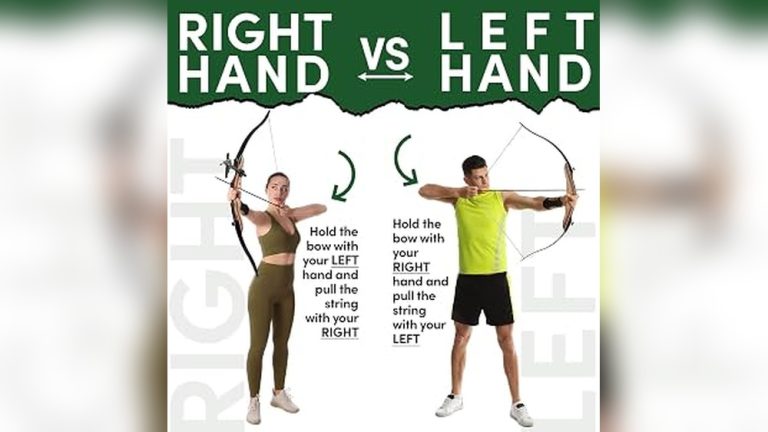
Hold the bow loosely in your non-dominant hand. The grip should rest against the fleshy part of your palm, not your fingers. A tight grip twists the bow and causes “torque,” making your arrows veer off course.
Drawing And Anchor Point
Pull the string smoothly to your anchor point, a spot on your face you touch every time (like the corner of your mouth or your chin). Using the same anchor point every shot is critical for accuracy.
Aiming
Most beginners start with “instinctive” aiming, where you look at the target and trust your body to align the shot. Some recurve bows allow a simple sight, but many archers prefer to learn without one.
Release
Letting go of the string must be smooth. Plucking or jerking will ruin your shot. Practice relaxing your fingers and letting the string slide off naturally.
Pro Tip: Video yourself shooting from the side. Many small errors in form are easier to spot this way than by feel alone.
Physical Demands: Is Shooting A Recurve Bow Hard On The Body?
Many people ask if recurve bows are hard to shoot because of the physical effort. The answer depends on the bow’s draw weight and your current fitness level.
Understanding Draw Weight
Draw weight is the force you need to pull the string back. A beginner’s recurve bow usually ranges from 15 to 30 pounds. Stronger or more experienced archers may use bows with 35 pounds or more.
Muscle Groups Used
Shooting a recurve bow mainly uses your:
- Back muscles (rhomboids, lats)
- Shoulders
- Arms
- Core
Unlike a compound bow, you don’t get a “let-off” at full draw. This means you hold the full weight the whole time you aim.
Fatigue And Endurance
New archers often feel tired after just a few shots. This is normal. As you practice, your muscles get stronger, and shooting becomes less tiring.
Insight: Many beginners try bows that are too heavy. Starting with a lighter draw weight helps you learn good form and prevents injury.

Credit: gearjunkie.com
Accuracy And Consistency: Why Results Vary
One reason recurve bows feel hard is that your accuracy depends almost entirely on you. There are no gadgets to “fix” your mistakes. Here’s why hitting the target is challenging:
- Small Errors Matter: Tiny changes in your stance or release can cause big misses.
- Wind and Weather: Recurve bows are more affected by wind because the arrows are lighter.
- Arrow Quality: Cheap or mismatched arrows can make accuracy even harder.
However, this direct feedback is what many archers love. Each improvement comes from your own skill, not technology.
Typical Accuracy Progression
| Time Practicing | Expected Group Size (at 10 meters) | Notes |
|---|---|---|
| First session | 60, 90 cm spread | Arrows hit target but scattered widely |
| 1 month (2x/week) | 30, 50 cm spread | Basic form develops, fewer wild misses |
| 3, 6 months | 15, 25 cm spread | Consistent anchor and release |
| 1 year | 5, 10 cm spread | Advanced accuracy, ready for competition |
Note: Progress depends on practice frequency, coaching, and equipment quality.
Equipment Choices: How Gear Affects Difficulty
Many archers don’t realize how much gear can change the experience. The right equipment makes learning easier; the wrong gear makes things harder.
Bow Size
A recurve bow must fit your draw length (the distance you pull the string). Using a bow that’s too short or too long makes aiming and shooting difficult.
Arrow Selection
Arrows come in different lengths, weights, and stiffness (called “spine”). Mismatched arrows can fly unpredictably, even if your form is good.
Accessories
Some recurve bows allow basic sights or arrow rests. Beginners may benefit from these, but too many gadgets can distract from learning good form.
Quality Of Bow
Cheap bows may have rough finishes, poor limb alignment, or inconsistent performance. Investing in a well-made beginner bow can make learning much smoother.
Pro Tip: Visit a local archery shop for a fitting. Staff can help you choose the right bow and arrows for your size and strength.
Credit: startarchery.co.uk
Common Mistakes That Make Recurve Shooting Hard
Many people struggle with recurve bows due to avoidable mistakes. Here are some of the most frequent ones:
- Choosing Too Heavy a Bow: Trying to impress others or yourself, you pick a high draw weight. This makes it hard to hold steady and learn good form.
- Neglecting Form: Focusing on hitting the target instead of building muscle memory leads to inconsistent shots.
- Ignoring Warm-up: Shooting without stretching can cause muscle strain or even injury.
- Poor Arrow Choice: Using arrows that are too short, too stiff, or too flexible for your bow makes accuracy nearly impossible.
- Rushing the Shot: Not taking time to aim and settle before releasing causes wild misses.
Warning: Overuse injuries are common in archery. If you feel pain in your shoulder or elbow, rest and consult a professional coach.
The Role Of Coaching And Practice
Self-taught archers often struggle longer than those who get coaching. A good coach can spot mistakes you don’t notice and give you drills to fix them.
Benefits Of Coaching
- Immediate feedback on your form and technique
- Structured practice for faster improvement
- Safety tips to prevent injury
If you can’t access a coach in person, there are many online tutorials and video lessons from reputable sources like USA Archery.
Practice Habits
Consistency is more important than long sessions. Practicing 20 minutes a day, three times a week, is better than one long session on the weekend.
Example: In my experience, short daily practice built muscle memory much faster than occasional long sessions.
Comparing Recurve Bow Difficulty To Other Archery Styles
Is the recurve bow truly harder to shoot than other types? It depends on what you compare.
Olympic Recurve Vs Compound Bow
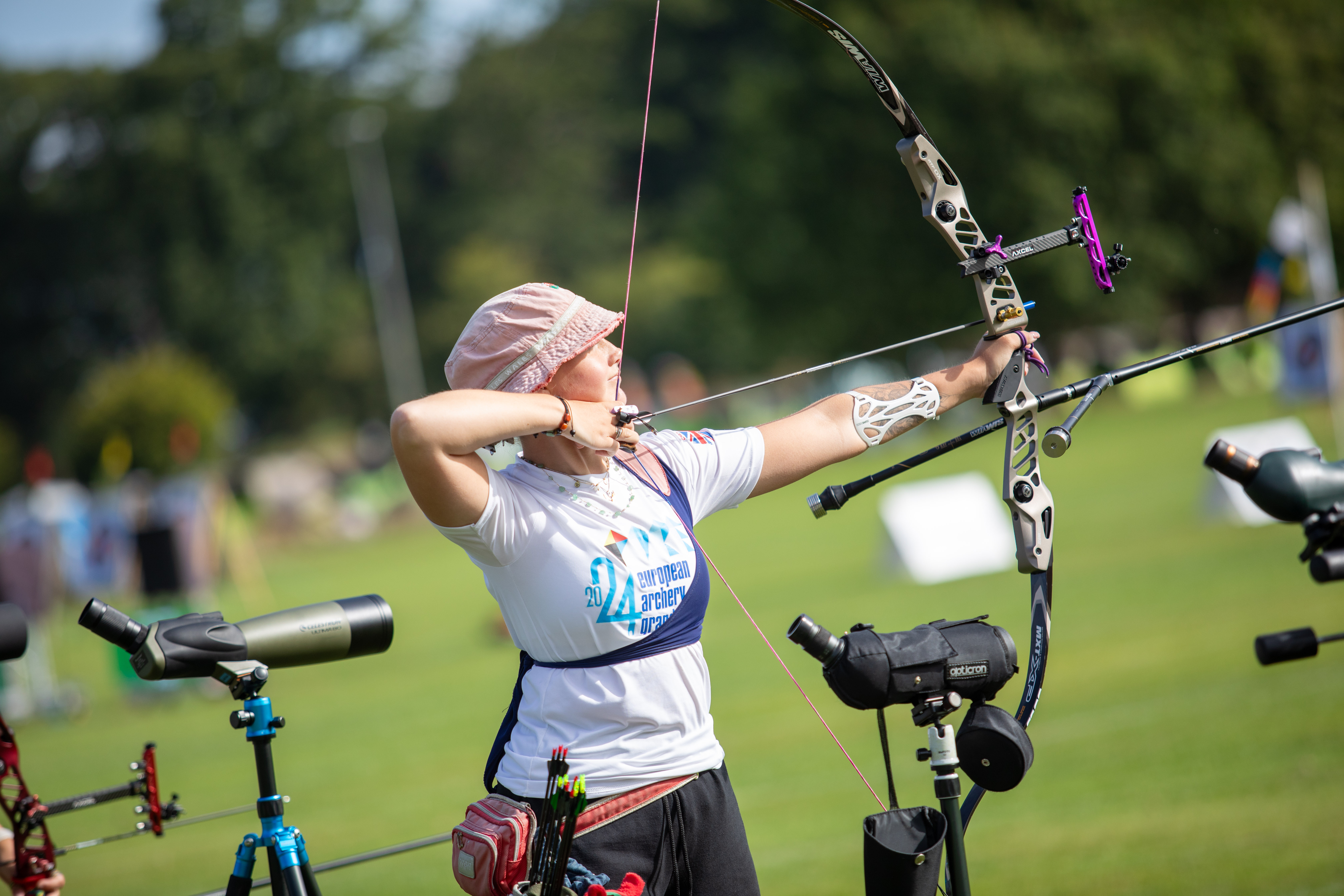
Olympic recurve archery is considered one of the most challenging forms. You must hold full draw weight, aim without let-off, and shoot with minimal aids. In contrast, compound bows use cams or pulleys for let-off and allow advanced sights and stabilizers.
Traditional Recurve Vs Longbow
Traditional recurve bows are usually easier than longbows for beginners. The shape of the recurve stores more energy, making them more efficient. Longbows lack an arrow rest and can be harder to aim.
Target Shooting Vs Hunting
Target shooting with a recurve bow is about consistency and accuracy. Hunting adds another layer, judging distance, dealing with nerves, and making ethical shots. Many hunters use compounds for the extra accuracy and power, but skilled recurve shooters enjoy the challenge.
| Archery Style | Skill Required | Physical Demand | Tech Level |
|---|---|---|---|
| Olympic Recurve | High | Medium | Medium |
| Compound Bow | Medium | Low | High |
| Longbow | High | High | Low |
Insight: The recurve bow sits in the middle. It’s more challenging than compound but less so than longbow for most beginners.
Mental Challenges: Focus And Patience
Many new archers overlook the mental side of shooting a recurve bow. Unlike some sports, archery requires intense focus and patience.
- Every shot counts: You must reset your mind for each arrow.
- Dealing with frustration: Missed shots can be discouraging. Staying calm and analyzing your mistakes is key.
- Goal setting: Progress is slow at first. Setting small, achievable goals helps you stay motivated.
Pro Tip: Keep a shooting journal. Write down what works and what doesn’t after each practice. This helps track improvement and keeps you focused.

Credit: www.wikihow.com
Is Shooting A Recurve Bow Worth The Effort?
Many archers agree that while recurve bows are harder to master, they offer greater satisfaction. You control every part of the shot. Your progress is visible and earned. For those who enjoy learning, the challenge becomes the reward.
Who Should Try A Recurve Bow?
- People who enjoy skill-based sports
- Those who want to feel connected to tradition
- Anyone interested in Olympic-style archery
If you prefer technology and faster results, a compound bow may suit you better. But if you like mastering new skills, the recurve bow offers a unique journey.
Not-so-obvious Insight
One thing beginners often miss: recurve bows teach you more about archery fundamentals than any other style. Even if you switch to another type later, the skills you build with a recurve stay with you.
Frequently Asked Questions
Why Do Some Recurve Archers Shoot With Three Fingers Under The Arrow, While Others Use Split Finger?
Shooting with three fingers under the arrow (called “three-under”) raises the arrow closer to your eye, which can make aiming easier at close range. The split finger style (one finger above, two below) is more traditional and can help balance the string better for longer distances. The best method depends on your comfort and what feels more natural as you practice.
How Do I Know If My Recurve Bow Is Too Heavy For Me?
If you struggle to hold the bow at full draw for more than a few seconds, or your arms shake when aiming, the draw weight is likely too high. Another sign is poor shooting form because you’re fighting the bow. Start with a lighter bow and move up as your strength and technique improve.
Are There Age Restrictions For Learning To Shoot A Recurve Bow?
There’s no strict age limit, but children as young as eight years old can start with supervision and the right equipment. Seniors can also enjoy recurve archery; the key is choosing a bow with an appropriate draw weight and getting advice from a coach or club.
How Can I Practice Recurve Shooting If I Don’t Have A Large Space?
You can practice draw and release techniques at home using a “blank bale” (shooting into a close target with no aiming), or use a stretch band to work on form. Focus on building muscle memory. If you have limited space, consider joining