Are Recurve Bows And Shortbows the Same? Key Differences Explained
The world of archery is full of unique terms and equipment, but two bow types often cause confusion: recurve bows and shortbows. Many beginners wonder, “Are recurve bows and shortbows the same?” While these bows may look similar to the untrained eye, they are actually quite different in design, use, and performance. Understanding these differences is important for anyone who wants to try archery, whether for sport, hunting, or just for fun.
In this guide, you’ll learn exactly what makes recurve bows and shortbows unique, how each one performs, and when to choose one over the other. We’ll break down the history, design, and usage, so you can make an informed decision.
There are also data tables to compare features side by side, practical tips from experience, and answers to common questions. By the end, you’ll know exactly how these bows differ, and which might be best for you.
What Is A Recurve Bow?
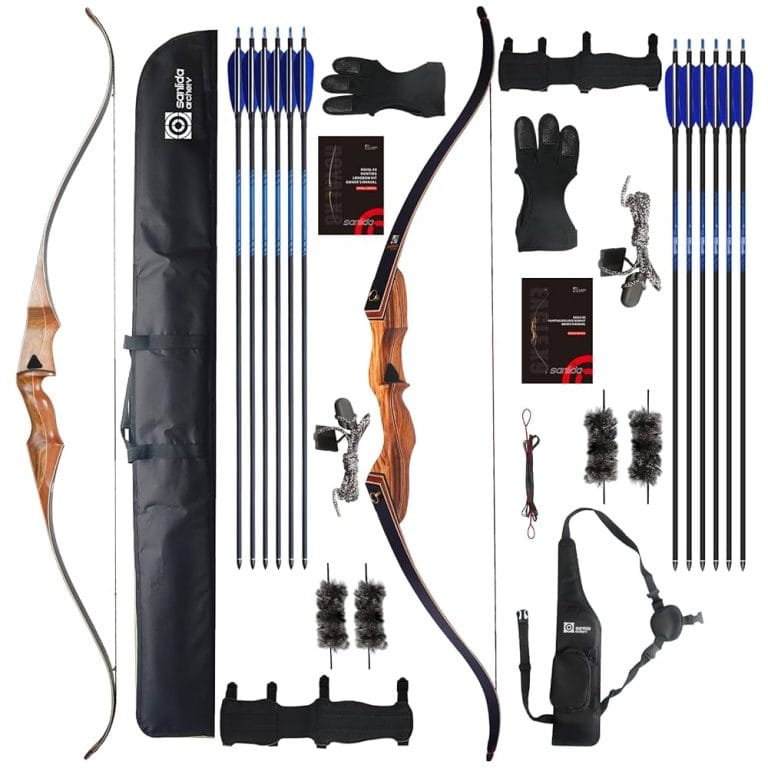
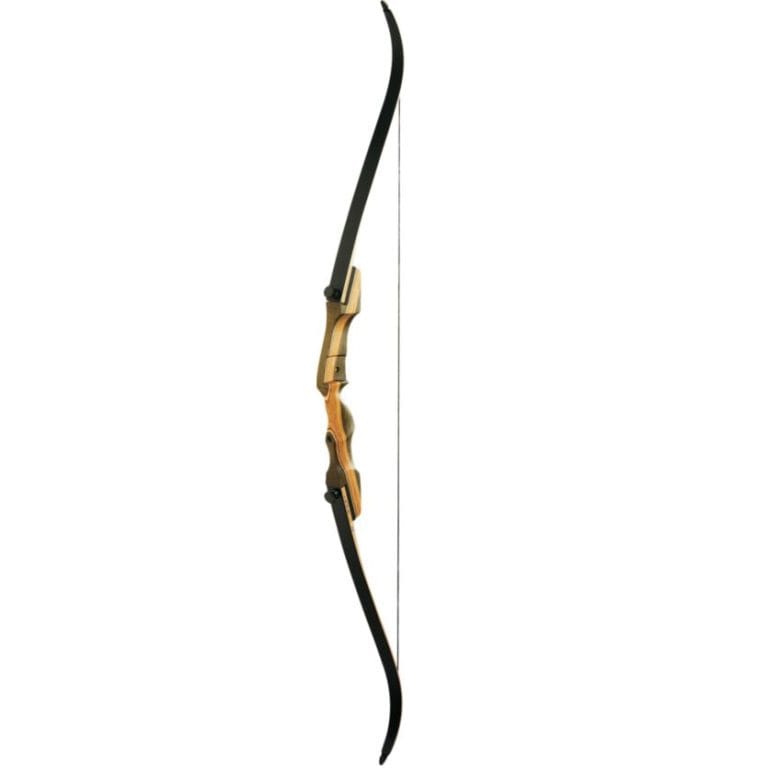
A recurve bow is easy to spot because of its distinct shape. The limbs curve away from the archer at the tips, which is where the name “recurve” comes from. This design isn’t just for looks, it has a real purpose.
Key Features
- Curved limb tips: The limbs bend away from the shooter at the ends.
- Longer length: Most recurve bows are longer than shortbows, often between 48 and 70 inches.
- Smooth draw: The shape lets the bow store more energy, making the shot more powerful and smooth.
- Take-down models: Many modern recurve bows can be taken apart for easy transport.
History And Usage
Recurve bows have a long history, used by many ancient cultures like the Mongols, Persians, and Greeks. They were popular because the curved tips gave more power without needing a very long bow. Today, recurve bows are often used in Olympic archery and target shooting.
Practical Example
When I first picked up a recurve bow, I noticed how smooth the draw felt compared to other types. The shape really helps, especially for longer sessions at the range. Many archers also like the traditional feel and look of a recurve.
What Is A Shortbow?
A shortbow is, as the name suggests, a smaller and more compact bow. But it’s not just about the length, the design and use are also different from a recurve.
Key Features
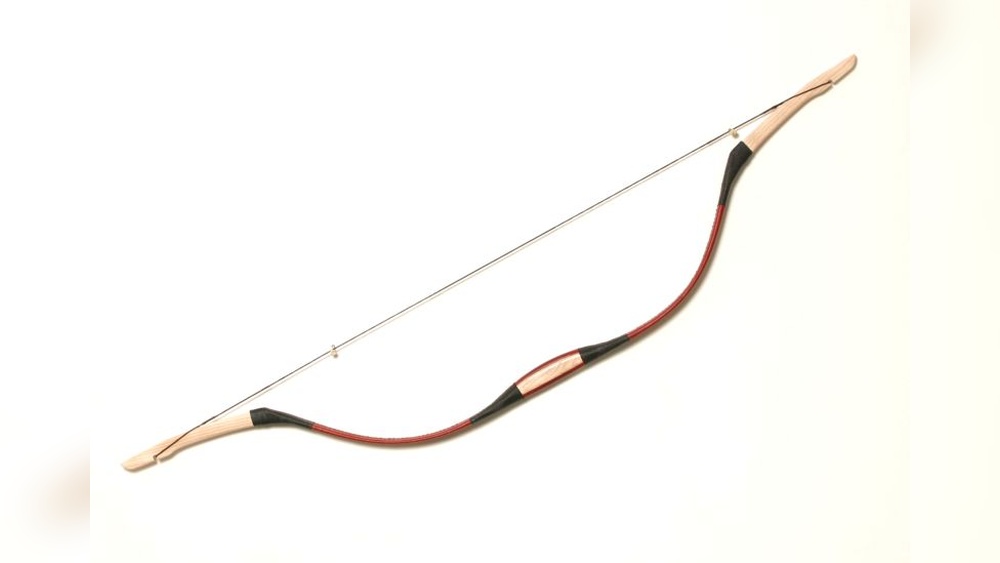
- Straight or gently curved limbs: Shortbows do not have the strong recurve shape at the tips.
- Compact size: Usually between 36 and 60 inches long.
- Quick draw: Shortbows are easy to draw and shoot quickly.
- Simple construction: Often made from a single piece of wood, though modern versions may use other materials.
History And Usage
Shortbows were common among cultures that needed to shoot quickly or from horseback, like Native American tribes and Mongol warriors. Their smaller size made them easy to carry and use in tight spaces or while moving.
Practical Example
Using a shortbow feels fast and light. When I tried target shooting with one, I found it was easier to move and shoot quickly, but the range and power were less than with a recurve.
Comparing Recurve Bows And Shortbows
It’s easy to confuse these two bows, especially since both can be used for similar activities. However, the differences go beyond just size.
| Feature | Recurve Bow | Shortbow |
|---|---|---|
| Typical Length | 48, 70 inches | 36, 60 inches |
| Limb Shape | Strongly curved (recurved tips) | Straight or slightly curved |
| Draw Weight | Wide range (15, 70 lbs+) | Usually lower (15, 45 lbs) |
| Power | Higher (more energy stored) | Lower (less energy) |
| Best Use | Target, competition, hunting | Quick shooting, horseback, short-range hunting |
| Transport | Longer, some take-down models | Easy to carry due to size |
Non-obvious Insights
- String Angle Affects Comfort: The recurve’s longer design and curved limbs mean the string angle at full draw is less sharp, making it more comfortable for archers with longer arms.
- Shortbow Limitation: Shortbows, while fast, “stack” (get very hard to pull) at longer draw lengths. This means they’re best for shooters with shorter arms or those who don’t need to draw very far.
How The Shape Impacts Performance
The most obvious difference is the shape, but how does this affect your shooting experience?
Energy And Power
- Recurve bows store more energy thanks to their curved limbs. When you release the string, this energy turns into arrow speed and power.
- Shortbows can shoot quickly, but usually with less power. This can make a big difference if you want to hunt larger game or shoot at longer distances.
Accuracy And Range
- Recurve bows tend to be more accurate at longer ranges because the extra energy helps the arrow fly straighter and farther.
- Shortbows excel in close or medium ranges, especially where speed and movement matter more than distance.
Shooting Style
Shortbows are often shot from a “snap draw”, pulling and releasing quickly, while recurve bows allow for a full draw and aim. This difference is important for choosing the right bow for your style.
When To Choose A Recurve Bow
Not every bow fits every archer or situation. Here’s when a recurve bow might be the better choice:
Target Shooting And Competition
If you want to compete or shoot targets at various distances, a recurve bow is usually best. Most archery competitions, including the Olympics, use recurve bows because of their accuracy and consistency.
Hunting Larger Game
The extra power from a recurve bow is important for hunters. It allows for deeper penetration, which is necessary for ethical hunting of larger animals.
Versatility
Recurve bows work well for both beginners and experienced archers. They also offer more options for accessories, such as sights and stabilizers.
When To Choose A Shortbow
A shortbow has its own strengths, making it the right choice in some situations.
Quick Shooting
If you need to shoot quickly, such as in historical reenactments or mounted archery, a shortbow is ideal. Its smaller size and light weight make it easy to handle.
Tight Spaces
For hunting in thick woods or places where you can’t swing a long bow, a shortbow’s size is a major advantage.
Younger Or Smaller Archers
Shortbows can be easier for children or smaller adults to handle. They require less strength and are less tiring over long periods.
Materials And Construction
Both recurve bows and shortbows can be made from many materials, but tradition and modern technology both play a role.
Recurve Bow Materials
- Wood: Traditional recurve bows are made from layers of wood, sometimes with horn or sinew.
- Fiberglass: Many modern recurves use fiberglass for strength.
- Carbon: High-end recurve limbs may include carbon for lighter weight and better energy transfer.
Shortbow Materials
- Wood: Most traditional shortbows are a single piece of wood, like yew or osage orange.
- Composite: Some shortbows (like those used by Mongol archers) are made from wood, horn, and sinew glued together.
- Modern Materials: Fiberglass and carbon can also be used for more durable or weather-resistant shortbows.
| Material | Recurve Bow | Shortbow |
|---|---|---|
| Wood | Common (layered) | Common (single piece) |
| Composite (horn, sinew, wood) | Less common | Used in traditional Asian designs |
| Fiberglass | Modern recurves | Modern shortbows |
| Carbon | High-end limbs | Rare |
Maintenance And Durability
Archery equipment isn’t cheap, so it’s smart to consider how much work each bow needs and how long it will last.
Recurve Bows
- Regular string waxing and limb checks are important.
- Take-down models need bolts checked before each use.
- Limbs can sometimes warp if left strung for long periods.
Shortbows
- Solid wood bows are strong but sensitive to moisture. Always store in a dry place.
- Composite shortbows need careful handling to avoid cracks or delamination.
- Less hardware means fewer things can go wrong.
Pro Tip: Always unstring your bow after use, no matter which type, to avoid damaging the limbs.
Cost And Availability
The price of bows can vary widely, but there are some general trends.
Recurve Bow Costs
- Entry-level: $100, $300
- Mid-range: $300, $700
- High-end/competition: $700+
Recurve bows are widely available in sporting goods stores and online. Many come in take-down designs, making them easier to ship.
Shortbow Costs
- Entry-level: $50, $200
- Mid-range: $200, $500
- High-end (custom/composite): $500+
Shortbows may be less common in general sporting stores, but they are easy to find from specialty archery shops or online.
Common Mistakes When Choosing
Beginners often make errors when picking their first bow. Here are mistakes to avoid:
- Choosing just by length: Not every small bow is a shortbow, and not every long bow is a recurve. Look at the limb shape and draw style.
- Ignoring draw length: Shortbows “stack” at long draws, making them uncomfortable or even unsafe for tall people.
- Overestimating power needs: Many new archers choose a bow that’s too strong. Start light, especially if you’re learning.
- Neglecting comfort: The best bow is the one you feel good shooting. Try before you buy if possible.
Cultural And Historical Significance
Both recurve bows and shortbows played important roles in history.
- Recurve bows were used by the Mongol Empire, ancient Greeks, and in the Middle East for both war and hunting. Their design spread because of their efficient energy use.
- Shortbows were common in places where mobility mattered, like among Native Americans, or where horses were used in battle. Their speed and size made them ideal for fast-moving combat.
This rich history is why many archers today feel a connection to the past when using these bows.
Summary Table: Quick Reference
This final table gives a fast comparison for those still unsure which bow fits their needs.
| Aspect | Recurve Bow | Shortbow |
|---|---|---|
| Main Advantage | Power and accuracy | Speed and maneuverability |
| Common Activities | Target, competition, hunting | Horseback, reenactment, short-range hunting |
| Best For | All skill levels, longer draws | Quick shooting, smaller archers |
| Historical Use | Mongols, Greeks, Olympics | Native Americans, Mongol cavalry |
Credit: wiki.guildwars.com
Frequently Asked Questions
Are Recurve Bows Harder To Shoot Than Shortbows?
Recurve bows can be easier for beginners to shoot accurately because their longer limbs and smoother draw help with control. However, some archers find the size harder to manage. Shortbows are lighter and faster but may be less stable for aiming, especially at longer distances.
Can You Use The Same Arrows For Both Recurve Bows And Shortbows?
Not always. The best arrow depends on the draw weight and length of your bow. Recurve bows often require longer, stiffer arrows due to higher draw weights and longer draws. Shortbows, especially those with shorter draws, may use lighter, shorter arrows for better performance.
Is A Shortbow Better For Children And Youth Archers?
Shortbows can be a good choice for young or small archers because they are lighter and easier to handle. However, it’s important to match the bow’s draw weight and length to the child’s size and strength. Sometimes, a youth-sized recurve bow is the best of both worlds.
Do Recurve Bows Require More Maintenance Than Shortbows?
Recurve bows, especially take-down models, may need a bit more care, like checking bolts and keeping limbs aligned. Both types need regular string waxing and proper storage. Solid wood shortbows are sensitive to moisture, so always keep them dry.
Are Recurve Bows Or Shortbows Better For Survival Situations?
Shortbows are often favored for survival kits because of their compact size and quick setup. However, recurve bows can offer more power and versatility if you have the space and skill to carry one. The choice depends on your needs, environment, and experience.
Recurve bows and shortbows are not the same, even if they sometimes fill similar roles. They differ in design, performance, history, and best uses. Choosing the right one is about more than just size or style; it’s about what feels comfortable and fits your goals as an archer. In my experience, trying both types before you buy is the best way to know what works for you. For more technical details on bow designs, you can visit the Wikipedia page on bow types