Is Bow Fishing Legal in Florida? Laws, Rules, and Tips
Bow fishing in Florida mixes the thrill of archery with the excitement of fishing. For many, it is both a sport and a unique way to connect with nature. But before you grab your bow and hit the water, it’s important to ask: is bow fishing legal in Florida? The answer isn’t just a simple yes or no. Florida’s laws are detailed, and understanding them means you can enjoy bow fishing without risking fines or trouble. This article breaks down the legal status of bow fishing in Florida, the rules you must follow, and tips for staying compliant. Whether you’re a resident, a tourist, or just curious, you’ll find clear answers here.
What Is Bow Fishing?
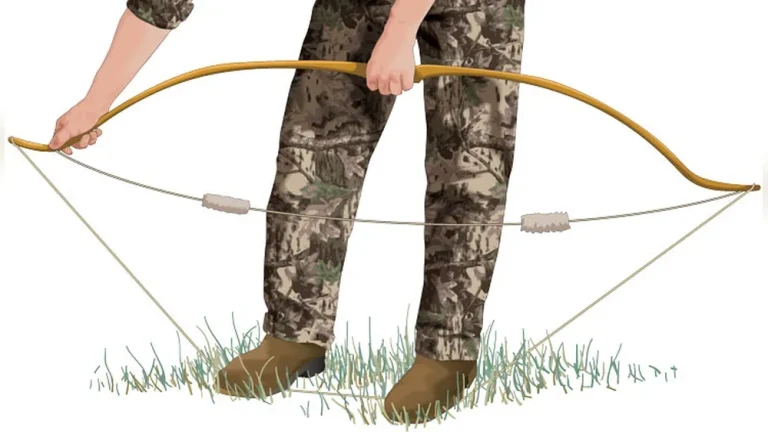
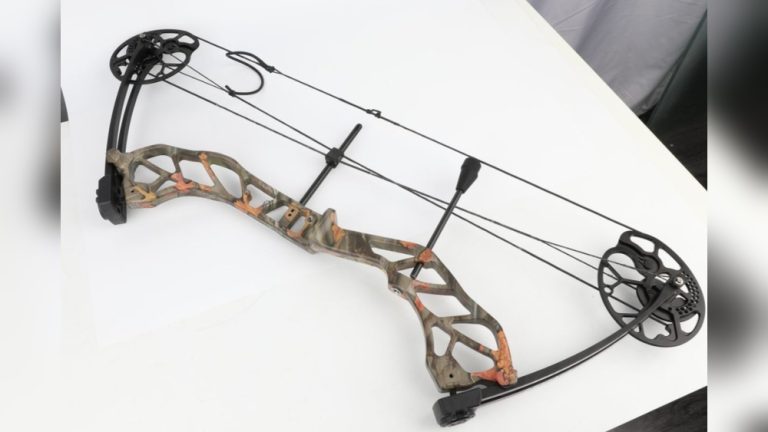
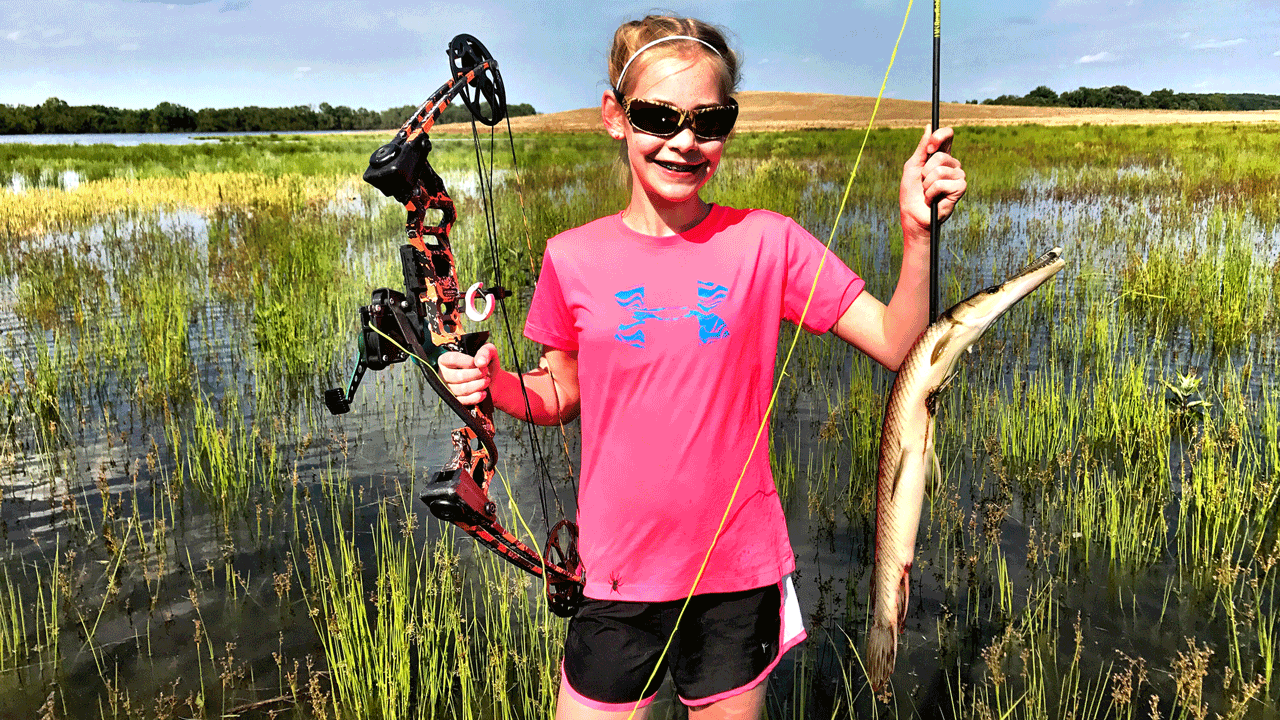
Bow fishing is the method of using specialized archery equipment to catch fish. Instead of a traditional fishing rod, you use a bow (often a compound or recurve bow) with a reel and heavy line attached to a barbed arrow. After spotting a fish in shallow water, you shoot the arrow, which is then reeled in with the fish attached.
This technique is popular in freshwater and saltwater environments, especially in Florida where the state’s many lakes, rivers, and coastal areas offer plenty of opportunities. Bow fishing is usually done from boats, banks, or even while wading in the water.
Is Bow Fishing Legal In Florida?
The short answer is yes, bow fishing is legal in Florida. However, there are important rules and restrictions that you must follow. Florida’s Fish and Wildlife Conservation Commission (FWC) regulates the practice to protect native fish populations and ensure public safety.
Bow fishing is allowed in both freshwater and saltwater, but the types of fish you can target, the locations you can fish, and the equipment you may use are all subject to specific laws.

Credit: floridabowfishingadventures.com
Key Laws And Regulations
Florida’s bow fishing laws are designed to balance recreational enjoyment with conservation and safety. Here’s what you need to know:
Legal Species For Bow Fishing
You cannot bow fish for all species. Florida law separates fish into categories:
- Legal species: Non-game freshwater fish (like gar, catfish, bowfin, and tilapia) and certain saltwater species such as sheepshead, mullet, and stingrays can be taken with a bow.
- Prohibited species: Game fish (like largemouth bass, crappie, sunfish, snook, and red drum) are strictly off-limits for bow fishing.
Location Restrictions
Some areas are closed to bow fishing due to safety, conservation, or local ordinances. For example:
- Public parks: Many city or county parks do not allow bow fishing.
- Dams and spillways: These spots are often off-limits due to dangerous currents.
- Manatee zones: Areas designated to protect manatees may be closed to all fishing, including bow fishing.
Always check with the FWC and local authorities for up-to-date area closures.
License Requirements
To bow fish legally in Florida, you need a valid fishing license:
- Residents: A freshwater or saltwater fishing license, depending on where you fish.
- Non-residents: Must purchase the appropriate non-resident license.
There are exceptions for children under 16, seniors over 65, and certain other groups, but always verify your status before bow fishing.
Equipment Regulations
Bow fishing equipment is regulated for safety. The use of barbed arrows is required, and arrows must be attached to the bow with a line. Explosive tips, poisons, and firearms are prohibited.
In some areas, restrictions may apply to the use of lights or powered boats at night.
Seasonal And Bag Limits
Some species have closed seasons or daily bag limits. For instance:
- Catfish: No closed season, but a daily bag limit of 20.
- Sheepshead: 8 per person per day in certain seasons.
If you’re targeting a specific species, check the current limits on the FWC website.
Where Can You Bow Fish In Florida?
Florida is full of prime spots for bow fishing, but each location has unique rules. Here’s a comparison of popular areas:
| Location | Freshwater/Saltwater | Legal Species | Special Rules |
|---|---|---|---|
| Lake Okeechobee | Freshwater | Gar, Catfish, Tilapia | No game fish, check local closures |
| St. Johns River | Freshwater | Bowfin, Catfish, Non-native fish | Boat ramps may have restrictions |
| Indian River Lagoon | Saltwater | Sheepshead, Mullet, Stingray | Check for manatee zones |
| Florida Keys | Saltwater | Mullet, Stingray | Many protected areas; check FWC |
Pro Tip: Always check for local ordinances. Some counties and cities set their own rules that may be stricter than state law.
How To Stay Legal While Bow Fishing
Bow fishing can be confusing because rules change from place to place. Here’s how you can keep your trip legal and stress-free:
- Get the correct license. Visit the Florida Fish and Wildlife Conservation Commission’s website to buy the right license for your location and age.
- Know your species. Learn to identify legal and illegal fish. Some non-native fish look similar to protected game fish.
- Check local rules. Contact the local sheriff or FWC office before you go. Ask about area-specific restrictions, especially in parks or near cities.
- Respect bag and size limits. Even for legal species, there are rules about how many fish you can take.
- Use only legal equipment. Stick to bows, barbed arrows, and lines. Leave firearms and explosives at home.
- Be safe. Wear a life jacket, use lights at night, and avoid areas with swimmers or boaters.
Example: Avoiding A Costly Mistake
A group of anglers near Tampa once received fines for bow fishing in a city park, even though state law allowed it. The city had its own ordinance banning all archery equipment in parks. This shows why it’s important to check both state and local laws.
Understanding Game Fish Vs Non-game Fish
One of the most confusing parts of bow fishing law is the difference between game and non-game fish. Here’s a quick overview:
| Type | Examples | Bow Fishing Legal? |
|---|---|---|
| Game Fish | Largemouth Bass, Snook, Red Drum, Crappie | No |
| Non-Game Fish | Gar, Catfish, Bowfin, Tilapia, Carp | Yes |
| Saltwater Species | Sheepshead, Mullet, Stingray (some) | Yes, with restrictions |
If you’re not sure, take a photo and ask an FWC officer before keeping the fish.
Bow Fishing Safety And Ethics
Safety and ethics are as important as the law. Bow fishing involves sharp arrows and powerful bows, so you must protect yourself and others.
Safety Tips
- Always point your bow in a safe direction.
- Wear a personal flotation device when fishing from a boat.
- Use bright lights at night to see and be seen.
- Never shoot in crowded areas or near swimmers.
Ethical Practices
- Only shoot fish you intend to keep and use.
- Respect private property and do not trespass.
- Dispose of fish waste properly; never throw remains in the water near boat ramps or beaches.
- Avoid shooting protected or endangered species.
In my experience, showing respect to both wildlife and people helps keep bow fishing enjoyable for everyone.
Bow Fishing At Night In Florida
Many bow fishers prefer to go out after dark, when fish are easier to spot in shallow waters. Night bow fishing is legal in most of Florida, but there are extra rules to follow:
- Use legal lighting: Spotlights and LED bars are common, but avoid anything that could blind other boaters.
- Stay away from residential areas: Some neighborhoods ban night fishing due to noise and light.
- Extra caution: Visibility is low at night, so keep a close eye on your surroundings.
Warning: Some counties have curfews or night-fishing bans, especially near residential lakes. Always check before heading out.

Credit: floridabowfishingadventures.com
Bow Fishing Tournaments In Florida
Bow fishing tournaments are popular in Florida, with events held throughout the year. These tournaments follow all state and local laws, and often add their own rules for safety and fairness.
Typical Tournament Rules
- Only legal species may be targeted.
- Strict bag and size limits.
- Weigh-ins must be supervised by officials.
- All fish must be taken with archery equipment only.
Tournaments are a great way to meet other anglers, learn new techniques, and test your skills in a competitive setting.
Conservation Focus
Many tournaments have a conservation aspect, encouraging the harvest of invasive species like tilapia or armored catfish, which harm native fish populations.
Common Mistakes To Avoid
Bow fishing is fun, but many beginners make mistakes that can lead to fines or worse. Here are some common pitfalls:
- Confusing game and non-game fish. Always double-check before shooting.
- Fishing in restricted areas. Never assume an area is open just because it looks public.
- Forgetting your license. Carry your license with you, even if you’re only fishing for an hour.
- Over-harvesting. Know your daily limits and stick to them.
- Unsafe handling. Secure arrows and keep bows unloaded when not fishing.
Credit: www.bowhunting.com
How To Get A Florida Bow Fishing License
Getting a fishing license in Florida is straightforward. You can apply online, by phone, or at authorized retailers.
Steps To Buy A License
- Visit the FWC website or an authorized seller.
- Choose the correct license type (freshwater or saltwater).
- Provide identification and payment.
- Print or save your license digitally.
Most licenses are valid for one year, though short-term options are available for visitors.
Pro Tip: Keep a digital copy of your license on your phone. Florida law accepts electronic proof if you are stopped by an officer.
Environmental Impact Of Bow Fishing
Bow fishing can help control invasive species, but it also affects the environment. Responsible anglers make a positive difference by:
- Targeting non-native fish that harm local ecosystems.
- Avoiding overfishing in sensitive areas.
- Disposing of fish waste properly to prevent water pollution.
The FWC sometimes encourages bow fishing for species like tilapia or armored catfish because these fish compete with native wildlife.
Comparing Bow Fishing To Other Fishing Methods
How does bow fishing compare to other methods? Here’s a quick look:
| Method | Target Fish | Skill Required | Equipment Cost | Legal Restrictions |
|---|---|---|---|---|
| Bow Fishing | Non-game, some saltwater | Moderate to High | Medium | Many |
| Rod and Reel | Game and non-game | Low to Moderate | Low to High | Few |
| Gigging/Spearfishing | Some saltwater, non-game | High | Medium | Many |
Bow fishing requires more skill and has stricter rules than rod-and-reel fishing, but it also offers a unique challenge.
Non-obvious Insights For Bow Fishing In Florida
- Flooded fields and canals after heavy rain can be excellent spots for bow fishing. Non-game fish often move into these areas, making them easier targets, but always check if the area is open to public fishing.
- Tide charts matter. In saltwater areas, understanding the tides can help you find fish in shallow flats at the right time. Many beginners overlook this and miss the best action.
Legal Advice And Professional Consultation
Bow fishing laws can change, and violations can lead to heavy fines or loss of fishing privileges. If you’re unsure about a law or citation, consult the Florida Fish and Wildlife Conservation Commission or a qualified attorney. Laws are enforced strictly, and ignorance is not an excuse.
For the latest regulations, always refer to the FWC’s official page or contact their offices directly.
For more in-depth information and real-time updates, visit the Florida Fish and Wildlife Conservation Commission.
Frequently Asked Questions
What Should I Do If I Accidentally Shoot A Game Fish?
If you accidentally shoot a protected game fish, you must release it back into the water immediately, if it is still alive. Do not attempt to keep, transport, or hide the fish. Report the incident to the nearest FWC officer if possible, especially if the fish is badly injured. This shows good faith and may help avoid penalties.
Can I Use A Crossbow Or Air Bow For Bow Fishing In Florida?
No, Florida law currently does not allow the use of crossbows or air bows for bow fishing in public waters. Only traditional bows (recurve or compound) with attached lines and barbed arrows are legal. This rule is in place to prevent excessive damage to fish populations and maintain fair sporting practices.
Are There Any Special Rules For Bow Fishing In Florida’s National Parks?
Yes, many national parks in Florida, such as Everglades National Park, prohibit all forms of bow fishing. These parks are managed by the National Park Service and have separate regulations that may be stricter than state law. Always check the park’s official website or contact the ranger station before bringing your gear.
How Can I Identify Non-native Invasive Fish For Bow Fishing?
Non-native invasive species like tilapia and armored catfish often have unique features: tilapia