Is Bow Fishing Legal in California? Rules, Limits, and Tips
Bowfishing is a unique blend of archery and fishing, attracting outdoor enthusiasts looking for a challenge beyond traditional angling. But in a state as heavily regulated as California, many wonder: is bow fishing legal here? With its rich waterways and strict wildlife laws, California sets clear rules for who can bowfish, where, and for what species. Whether you’re a resident hoping to try this method for the first time, or an experienced bowfisher moving from another state, it’s crucial to understand the legal landscape before you head out.
This guide explains California’s bowfishing laws, where you can legally bowfish, which species you can target, and the key rules you must follow. By the end, you’ll know how to enjoy this exciting sport without risking fines or legal trouble.
What Is Bow Fishing?
Bowfishing uses specialized archery equipment to shoot fish in shallow water. Instead of a regular arrow, you use a barbed arrow attached to a fishing line. After shooting the fish, you reel it in, much like traditional fishing. Bowfishing is popular in rivers, lakes, and sloughs where you can spot fish near the surface.
The sport is exciting because it combines the skill of aiming a bow with the patience and observation of fishing. Unlike hook-and-line fishing, bowfishers stand or wade in shallow water, scanning for movement. It’s a test of both accuracy and quick reflexes.
Bowfishing gear typically includes:
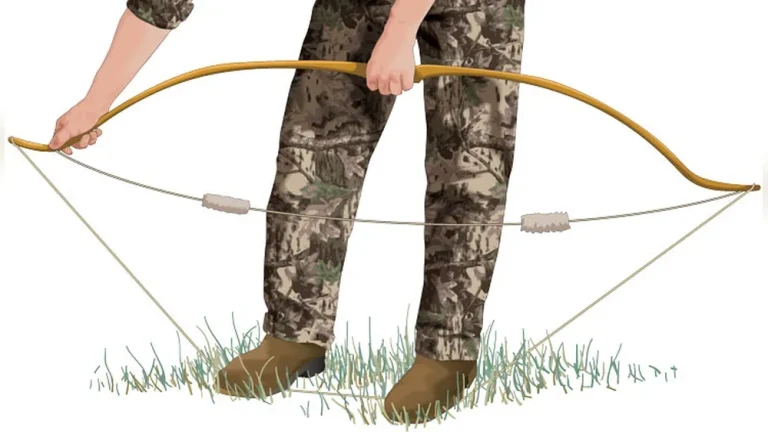
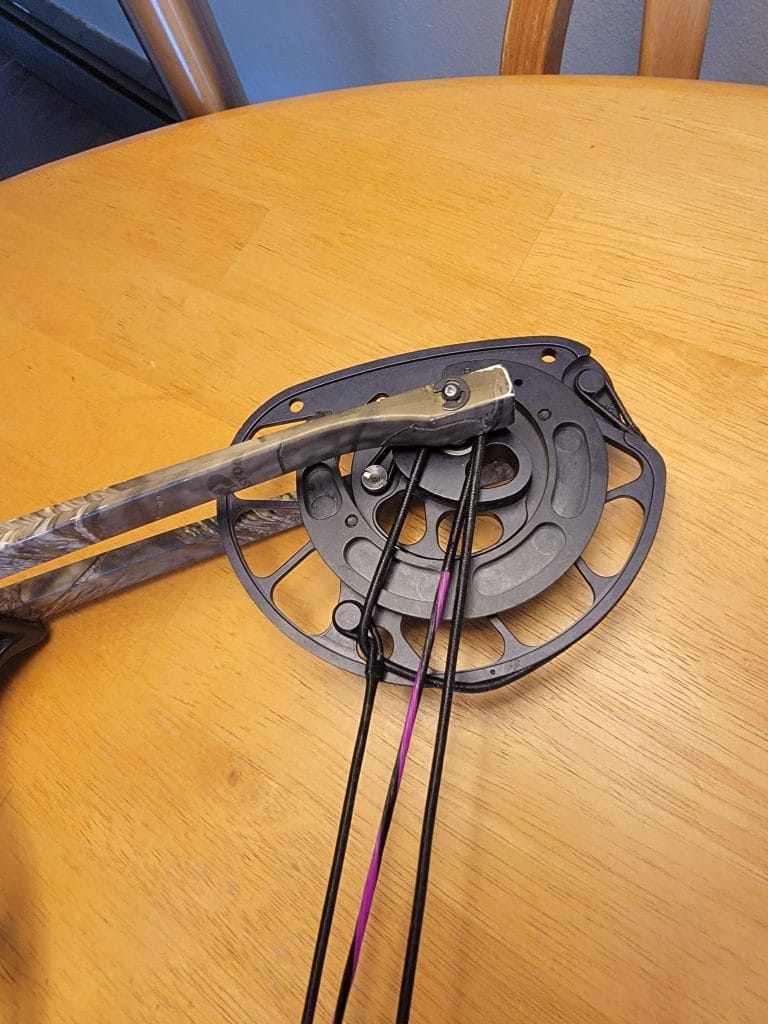
- A recurve or compound bow fitted with a reel
- Special fiberglass arrows with barbed tips
- Polarized sunglasses (to reduce glare and spot fish)
- Waders or a small boat for shallow water access
Pro Tip: Bowfishing requires different skills than either archery or fishing alone. Practicing your aim in water, where refraction distorts depth perception, is essential before you try bowfishing in the wild.
Is Bow Fishing Legal In California?
The short answer is yes, bowfishing is legal in California, but with strict rules. California’s Department of Fish and Wildlife (CDFW) sets specific regulations on where, when, and what species you can target.
California law distinguishes between game fish (like trout, salmon, and bass) and non-game fish (such as carp and goldfish). In most cases, bowfishing is allowed only for non-game fish and only in certain locations. It’s illegal to bowfish for game fish anywhere in the state.
Legal Basis And Regulations
According to the California Code of Regulations (CCR) Title 14, Section 2.25, bow and arrow fishing tackle may be used only to take certain species. The state updates its fishing rules annually, so always check the latest Freshwater Sport Fishing Regulations before heading out.
The main legal requirements are:
- Species restriction: Only non-game fish can be taken by bowfishing.
- Location restriction: Not all waters are open to bowfishing.
- Season and hours: Some waters have closed seasons or restricted hours.
- Equipment: Only approved bows and arrows may be used. No explosives or poison tips.
- Licensing: A valid California sport fishing license is required for anyone over 16.
Key Law Highlights
Here are some important excerpts from California law regarding bowfishing:
- “Bow and arrow fishing tackle may be used to take carp, goldfish, western sucker, Sacramento blackfish, hardhead, Sacramento pikeminnow, and lamprey in all inland waters except as provided in Section 2.30.”
- “Bow and arrow fishing tackle is not permitted for the taking of any game fish.”
For official updates and the full legal text, visit the California Department of Fish and Wildlife.
Where Can You Bowfish In California?
Bowfishing locations in California are limited by water type and local regulations. Some waters are open, while others have special restrictions or are completely off-limits.
Inland Waters
Most bowfishing in California happens in inland waters such as rivers, lakes, sloughs, and reservoirs. However, you cannot bowfish everywhere. For example, certain wildlife refuges, ecological reserves, and state parks prohibit all forms of bowfishing.
Here’s a comparison of water types and their bowfishing legality:
| Water Type | Bowfishing Allowed? | Notes |
|---|---|---|
| Rivers | Usually Yes | Check local closures and species rules |
| Lakes & Reservoirs | Often Yes | Some have specific closures or hours |
| State Parks/Reserves | No | Most prohibit bowfishing |
| Wildlife Refuges | No | Bowfishing is not allowed |
| Delta & Estuaries | Limited | Check tidal and local rules |
Coastal And Ocean Waters
Bowfishing is not allowed for marine fish in California’s ocean waters. The law allows bowfishing only in inland freshwater for certain species. This means you cannot hunt saltwater species like halibut or rays with a bow in California.
Local Ordinances
Some counties or cities impose additional restrictions. For example, Los Angeles County has bans on archery equipment in certain public spaces. Always check for city or county rules before bowfishing in urban areas.
Which Fish Species Can You Bowfish In California?
California law makes a clear distinction between game fish and non-game fish. Only a select list of non-game fish can be taken by bow and arrow.
Legal Species For Bowfishing
Bowfishing in California is allowed for these non-game fish:
- Common carp
- Goldfish
- Western sucker
- Sacramento blackfish
- Hardhead
- Sacramento pikeminnow
- Lamprey
These species are often considered invasive or overpopulated, making them ideal targets for bowfishing.
Prohibited Species
It is illegal to bowfish for:
- Trout (all species)
- Salmon
- Bass
- Catfish
- Crappie
- Sunfish
- Sturgeon
- Any marine (ocean) fish
Taking any game fish with a bow can result in heavy fines or loss of your fishing license.
Example: Carp Bowfishing
Carp are one of the most common species targeted by bowfishers in California. They are widespread in lakes, rivers, and reservoirs. Because carp are non-native and can damage native ecosystems, the state allows unlimited take (no bag limit) for this species.
Bowfishing License And Permit Requirements
To bowfish legally in California, you must have a valid sport fishing license. This applies to all anglers aged 16 and above, whether residents or non-residents.
License Types
| License Type | Resident Cost (2026) | Non-Resident Cost (2026) | Notes |
|---|---|---|---|
| Annual Sport Fishing | $61.82 | $166.89 | Covers all legal fishing methods |
| One-Day License | $19.18 | $19.18 | Good for one calendar day |
| Two-Day License | $29.42 | $29.42 | Good for two consecutive days |
| Ten-Day License | N/A | $61.82 | Non-residents only |
Prices are subject to change. Purchase licenses through the official California Department of Fish and Wildlife website or at licensed retailers.
Additional Permits
For most bowfishing activities, the regular sport fishing license is enough. However, some locations (like certain state parks) may require extra access permits or day-use fees.
Equipment Rules For Bowfishing In California
California has specific rules on the equipment you can use for bowfishing. Knowing these rules helps you avoid legal trouble and ensures a safe experience.
Allowed Equipment
- Bows: Recurve, compound, or longbows are permitted.
- Arrows: Must have a barbed tip and be attached to a line.
- Reels: Bow-mounted reels are common but not required.
- Lights: Artificial lights can be used for night bowfishing, except where prohibited.
Prohibited Equipment
- Crossbows are not allowed for fishing in California.
- Explosive or poisoned arrow tips are strictly forbidden.
- No firearms or air guns may be used for fishing.
Safety Tips
- Always be sure of your target and what’s beyond it.
- Use polarized glasses to spot fish and reduce glare.
- Never bowfish in crowded or high-traffic areas.
- Secure your arrows with strong line to prevent lost gear.
Pro Tip: Practice with your bow and gear in a safe area before bowfishing in public waters. Water refraction makes aiming more difficult, and beginners often miss their first few shots.
Season And Time Restrictions
While there is no statewide closed season for bowfishing non-game fish, some local waters have restrictions on when you can bowfish.
Common Restrictions
- Night bowfishing: Some lakes or rivers prohibit bowfishing after sunset.
- Spawning season closures: Certain waters may close during fish spawning periods to protect native species.
- Special events: Local tournaments or conservation events may temporarily restrict bowfishing.
Always check the most recent regulations for the water body you plan to visit.
Penalties For Illegal Bowfishing
Violating California’s bowfishing laws can lead to serious consequences. The California Department of Fish and Wildlife enforces strict penalties for illegal take or use of prohibited equipment.
Common Penalties
- Fines up to $1,000 per violation
- Possible confiscation of equipment
- Suspension or revocation of your fishing license
- Criminal charges for repeated or serious offenses
Example: In my experience, I’ve seen anglers fined for accidentally taking a game fish with a bow, even when it was unintentional. It’s important to identify your target clearly before shooting.

Credit: fishingbooker.com
Bowfishing Ethics And Conservation
Bowfishing, when done legally, can help control invasive species like carp that threaten California’s native fish populations. However, ethical bowfishing means respecting all wildlife and the environment.
Ethical Guidelines
- Only shoot legal, identifiable species.
- Dispose of harvested fish properly, never leave fish on the shoreline.
- Avoid shooting near protected habitats or during sensitive seasons.
- Respect other anglers and boaters in shared waters.
Bowfishing is not just a sport, it’s a responsibility. By following the rules and ethical guidelines, you help preserve California’s aquatic habitats for future generations.
Common Mistakes To Avoid
New bowfishers in California often make mistakes that can lead to fines or harm local ecosystems. Here are two non-obvious pitfalls:
- Misidentifying fish species: Many non-game fish look similar to young game fish. For example, juvenile bass can resemble small carp. Learning to accurately identify species before you go bowfishing is essential.
- Ignoring local closures: Even if state law allows bowfishing in general, local closures or special regulations can make it illegal in certain spots. These rules change frequently and may not be posted at the water’s edge.
Credit: www.getmyboat.com
Bowfishing Vs. Traditional Fishing In California
Bowfishing and traditional rod-and-reel fishing have key differences in legality, target species, and gear. Here’s a quick comparison:
| Aspect | Bowfishing | Traditional Fishing |
|---|---|---|
| Legal Species | Non-game fish only | Game and non-game fish |
| Equipment | Bows, arrows | Rods, reels, bait/lures |
| Skill Required | Archery + fish spotting | Casting, reeling, baiting |
| Seasons | Mostly open year-round | Seasonal closures common |
| Location | Limited waters | Most public waters |
This comparison shows why it’s so important to understand the unique rules for bowfishing before you try it in California.
How To Start Bowfishing In California: Practical Steps
If you’re new to bowfishing, here’s how to get started the right way:
- Study California regulations: Read the latest sport fishing rules on the CDFW website.
- Buy the right license: Purchase a California sport fishing license before heading out.
- Choose legal waters: Pick a river or lake where bowfishing is allowed, and double-check for local restrictions.
- Select your gear: Use only approved bows and arrows with a line. Beginners may want to rent gear before buying.
- Practice identification: Learn to recognize legal target species. Bring a fish guidebook or phone app for reference.
- Practice shooting: Try aiming at floating targets in shallow water to learn how refraction affects your shot.
- Respect other users: Be courteous to anglers, boaters, and swimmers sharing the water.
- Follow ethical practices: Harvest only what you will use, and dispose of fish responsibly.
Pro Tip: Many archery shops in California offer bowfishing classes or guided trips for beginners. This is a great way to learn hands-on and avoid common mistakes.

Credit: www.bigbear.com