Is Bow Fishing Legal in Texas? Rules, Regulations, and Tips
Bow fishing is an exciting blend of archery and fishing that draws thousands of outdoor enthusiasts to Texas waterways every year. But before you grab your bow and head to the water, it’s important to know the rules. Is bow fishing legal in Texas?
What species can you target, and where can you go? Understanding the laws and practical realities will keep your trip safe, successful, and within the law.
Bow fishing in Texas is not just a sport; it’s a tradition rooted in the state’s love for outdoor activities. However, regulations are strict, and breaking the law can come with heavy penalties. This guide will clarify everything you need to know, from the basics of legality to detailed regulations, equipment requirements, and even practical tips from real-world experience.
Whether you’re a beginner or a seasoned angler, this article will help you bow fish confidently and responsibly across Texas.
Is Bow Fishing Legal In Texas?
Yes, bow fishing is legal in Texas. The Texas Parks and Wildlife Department (TPWD) officially recognizes bow fishing as a lawful method for taking certain fish species. However, not all fish are fair game, and there are important restrictions on when, where, and what you can bow fish.
According to the TPWD, you can use bows, including longbows, recurves, and compound bows, for fishing, but only for nongame fish. Nongame fish include species like gar, carp, and buffalo, but not popular game fish like bass or catfish. The legal basis comes from the Texas Administrative Code, Title 31, Part 2, Chapter 57, which details fishing methods and restrictions.
Understanding the difference between game and nongame fish is the first step to staying legal. If you accidentally take a protected game fish while bow fishing, you could face fines or even criminal charges. So, always check the latest regulations before heading out.
The Laws And Regulations Of Bow Fishing In Texas
The laws on bow fishing are detailed and sometimes confusing. Here’s a breakdown of the key points every bow fisher should know.
Legal Equipment And Methods
You can use the following gear for bow fishing in Texas:
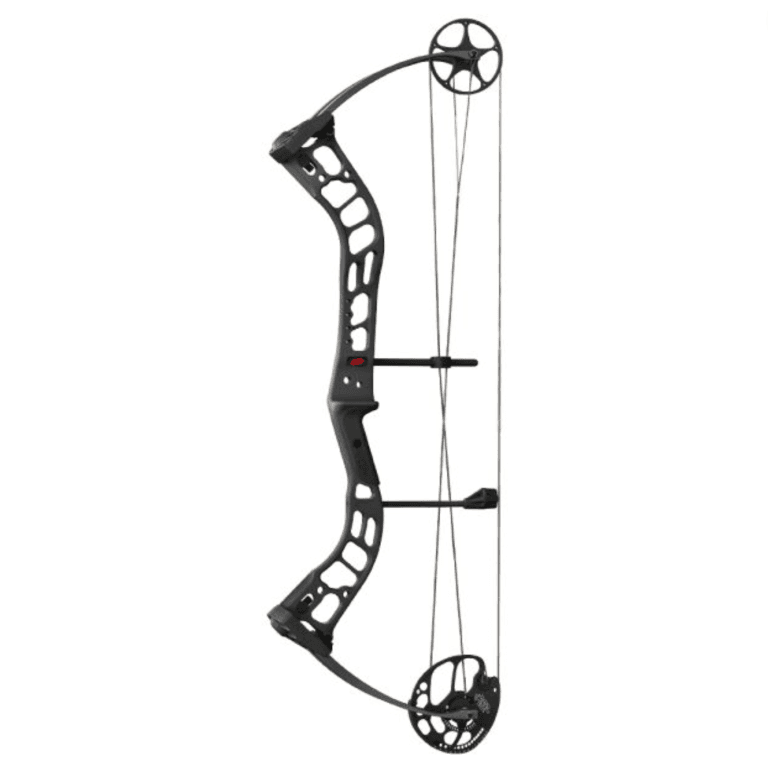
- Longbows, recurve bows, and compound bows
- Crossbows (allowed in most but not all areas)
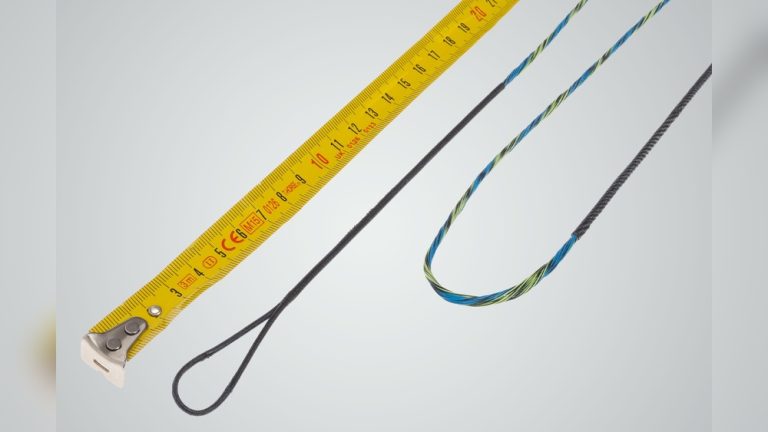
- Arrows with barbed heads (must be attached to a line)
Spearguns, gigs, and other tools have separate rules. The TPWD requires that arrows be attached to a line, which helps you retrieve your catch and avoid littering Texas waterways.
Species You Can Target
You may bow fish for nongame fish only. The most common legal species include:
- Common carp
- Buffalo
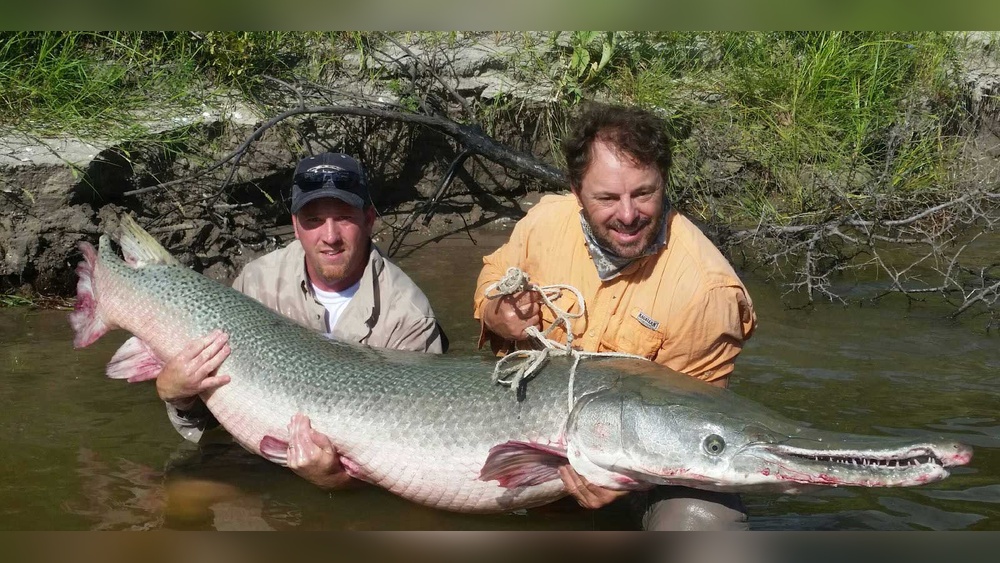
- Gar (with restrictions for alligator gar)
- Tilapia
- Drum (nongame species)
- Bowfin
You may NOT bow fish for:
- Bass
- Catfish
- Crappie
- Sunfish
Alligator Gar Special Regulations
Alligator gar are a unique case. Because their populations are sensitive, Texas imposes extra rules:
- Daily bag limit: 1 alligator gar per person per day
- Tagging requirements: In some areas like Falcon Lake, you must have a special permit
- Closed seasons: Occasionally, TPWD closes certain rivers to alligator gar harvest
Always check the TPWD website for current alligator gar rules before your trip.
Where And When You Can Bow Fish
You can bow fish in most public freshwater and saltwater bodies in Texas. However, there are exceptions:
- No bow fishing in community fishing lakes, state parks, or within 100 yards of a dam
- Some rivers and wildlife management areas may have special restrictions
- Night bow fishing is legal, but local noise ordinances and safety laws apply
Pro Tip: Always check for local or seasonal restrictions before you go, rules can change without much notice.
License And Age Requirements
Anyone over 17 years old must have a valid Texas fishing license to bow fish legally. Youth under 17 can fish without a license. Residents and nonresidents have different license options, and saltwater/freshwater endorsements may apply depending on your target species and location.
Penalties For Breaking Bow Fishing Laws
Violating Texas bow fishing laws can result in:
- Fines up to $500 or more per violation
- Confiscation of equipment
- Loss of fishing privileges
- Criminal charges in severe cases
Officers frequently patrol popular bow fishing spots, so compliance is taken seriously.
Game Fish Vs. Nongame Fish: What’s The Difference?
Texas divides fish into two categories: game fish and nongame fish. This distinction is critical for legal bow fishing.
Game Fish
These are species managed for sport and food, such as:
- Largemouth bass
- Channel catfish
- Crappie
- White bass
- Trout
Game fish are protected and may not be taken with bow fishing gear.
Nongame Fish
These species are not considered sport fish. Examples include:
- Common carp
- Smallmouth buffalo
- Longnose gar
- Tilapia
Bow fishing is allowed only for nongame fish.
Here’s a quick reference:
| Type | Bow Fishing Allowed? | Examples |
|---|---|---|
| Game Fish | No | Bass, Catfish, Crappie |
| Nongame Fish | Yes | Carp, Gar, Buffalo |
Mistaking a game fish for a nongame fish is a common error, especially for beginners. Always study local fish identification guides before you go.
Where To Bow Fish In Texas
Texas is home to some of the best bow fishing locations in the country. The state’s many lakes, rivers, and coastal areas offer diverse opportunities.
Best Freshwater Locations
- Trinity River, Known for large alligator gar and buffalo.
- Lake Texoma, Popular for carp and gar.
- Lake Fork, Excellent for buffalo and tilapia.
- Brazos River, Good variety of nongame fish.
- Choke Canyon Reservoir, Known for clear water and many species.
Best Saltwater Locations
- Galveston Bay, Sheepshead, drum, and rays.
- Matagorda Bay, Flounder (with special rules), rays, and drum.
- Port O’Connor, Drum, rays, and more.
Restrictions By Location
Not every water body is open for bow fishing. For example, community lakes and city park ponds often prohibit it. Some areas may restrict night bow fishing due to noise or safety. Always consult local rules before you go.
Here’s a comparison of popular bow fishing spots:
| Location | Freshwater/Saltwater | Main Species | Special Rules |
|---|---|---|---|
| Trinity River | Freshwater | Alligator Gar, Buffalo | Alligator gar limits |
| Galveston Bay | Saltwater | Drum, Sheepshead | Seasonal closures |
| Lake Texoma | Freshwater | Carp, Gar | Check Oklahoma rules if fishing border waters |
Pro Tip: If you’re new to an area, talk to local tackle shops or guides. They often know about recent rule changes or good spots.
Credit: www.getmyboat.com
Required Licenses And Permits
Texas requires most anglers, including bow fishers, to have a valid fishing license. Here’s what you need to know:
Types Of Licenses
- Resident Fishing License, For Texas residents over age 17
- Nonresident License, For out-of-state anglers
- Freshwater/Saltwater Endorsements, Needed if fishing in those waters
Special Permits
- Alligator Gar Permit, Required in some areas
- Lake or River Access Permits, Some private or managed areas require extra fees
You can purchase licenses online, at sporting goods stores, or at most Walmart locations.
Exceptions
- Under 17 years old: No license required
- Fishing on free fishing days: Usually one or two per year, announced by TPWD
Warning: Fishing without a license is a common mistake and can lead to fines or equipment confiscation.
Bow Fishing Equipment Rules
The TPWD sets clear rules for equipment to promote safety and conservation.
Bow Types
You may use:
- Longbows
- Recurve bows
- Compound bows
- Crossbows (not allowed everywhere)
Arrow Rules
- Must be barbed: Helps hold the fish
- Must be attached to a line: Reduces lost arrows and litter
- No explosives or poisons: Strictly prohibited
Boats And Lighting
- Boats may be used, but they must follow all boating safety laws.
- Lighting: Many bow fishers use bright lights for night fishing. These are legal, but avoid shining them at homes or other boaters.
| Equipment | Allowed? | Notes |
|---|---|---|
| Compound Bow | Yes | Popular for accuracy |
| Arrow with barbed head | Yes | Must be attached to a line |
| Speargun | No | Not legal for freshwater |
| Explosive arrow tips | No | Strictly illegal |

Credit: www.texasfreshwaterflyfishing.com
Seasonal Restrictions And Special Rules
While bow fishing is legal year-round for most species, there are some important exceptions.
Closed Seasons
- Alligator Gar: Some rivers may have temporary closures during spawning seasons.
- Flounder: Special rules apply for bow fishing during November to early December. Sometimes, bow fishing for flounder is closed during this time.
Night Bow Fishing
Night bow fishing is popular, but check for local restrictions. Some lakes or towns may ban night fishing due to noise complaints.
Protected Areas
Bow fishing is not allowed in:
- State parks
- Within 100 yards of dams
- Community fishing lakes
Example: I once traveled to a popular state park only to learn on arrival that bow fishing was banned there. It saved me a fine but cost me a day, always double-check before you go.
Common Mistakes And How To Avoid Them
Many beginners run into trouble with Texas bow fishing laws. Here are a few pitfalls to avoid:
- Taking Game Fish by Accident, Some game fish look similar to nongame fish, especially at night. Learn to identify your target before you release the arrow.
- Fishing Without a License, Even one forgotten license can lead to fines.
- Ignoring Local Rules, Not all bodies of water have the same rules. Community lakes and parks often have unique restrictions.
- Using Illegal Equipment, Always make sure your arrow is attached to a line and that your bow type is allowed in that area.
- Exceeding Bag Limits, Especially with alligator gar, the bag limit is strict and enforced.
Warning: Never assume rules are the same everywhere in Texas. Check both state and local regulations.

Credit: www.getmyboat.com
Conservation And Ethical Practices
Responsible bow fishing helps keep Texas waters healthy for everyone. Here’s how to fish ethically:
- Take only what you will use: Don’t shoot more fish than you plan to eat or use.
- Proper disposal: Never leave fish remains or arrows in the water.
- Report poachers: If you see illegal activity, report it to TPWD.
- Respect wildlife: Avoid disturbing nesting birds or protected habitats.
Practicing good ethics not only protects the environment but also helps keep the sport legal and respected.
Bow Fishing Tips For Beginners
If you’re new to bow fishing in Texas, a few practical tips can help you get started safely and legally.
- Start with a Guide, Many outfitters offer guided trips that include equipment, boat, and local knowledge.
- Practice on Land, Bow fishing requires different aiming skills than archery. Practice on floating targets before heading to the water.
- Bring the Right Gear, Polarized sunglasses, gloves, and a sturdy reel will make your trip easier.
- Check Water Clarity, Bow fishing is much more effective in clear water where you can see your targets.
- Plan for the Weather, Texas weather changes fast. Bring water, sunscreen, and insect repellent.
Example: When I first tried bow fishing, I missed several shots because I aimed directly at the fish. In reality, you need to aim slightly below due to light refraction in water.
Resources And Where To Learn More
The Texas Parks and Wildlife Department is the best resource for up-to-date regulations, species identification guides, and license sales. Their website has downloadable rule books, maps, and even event calendars for bow fishing tournaments. For further reading, visit the official Texas Parks & Wildlife Department.
Local tackle shops, guide services, and experienced bow fishers are also valuable sources of advice and information.
Frequently Asked Questions
What Fish Species Can I Legally Shoot While Bow Fishing In Texas?
You may only bow fish for nongame fish such as carp, buffalo, gar (with restrictions), and tilapia. Game fish like bass, catfish, and crappie are always off-limits to bow fishing, regardless of location.
Can I Use A Crossbow For Bow Fishing In Texas?
Yes, you can use a crossbow for bow fishing in most areas of Texas. However, some lakes or wildlife management areas may restrict crossbows, so check local regulations before your trip.