Is Bow Fishing Legal in Illinois? Rules, Laws, and Regulations
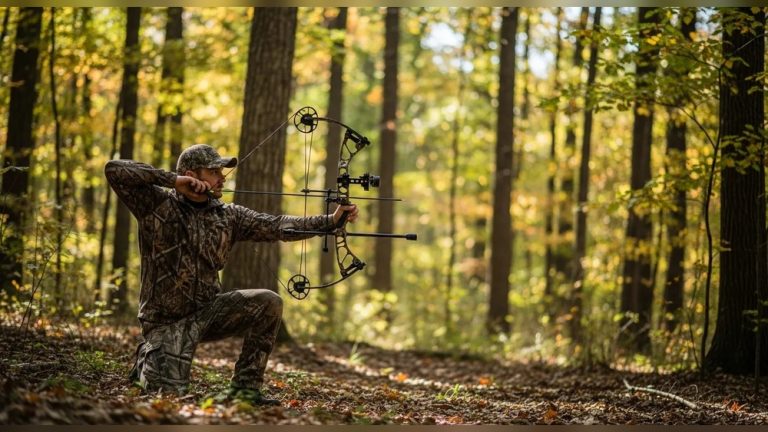
Bow fishing stands out as a thrilling blend of archery and fishing, offering outdoor enthusiasts a unique way to experience Illinois’ rich waterways. Many people are drawn to this sport for its excitement, challenge, and the opportunity to connect with nature.
But before you grab your bow and hit the water, it’s crucial to understand the legal framework that surrounds bow fishing in Illinois. Laws change over time, and following them not only keeps you out of trouble but also helps protect fish populations and aquatic ecosystems.
This guide will walk you through everything you need to know about the legality of bow fishing in Illinois, from regulations and licensing to practical tips and common mistakes. Whether you’re a beginner or a seasoned bow fisher, you’ll find insights here to help you stay compliant and make the most of your time on the water.
Understanding Bow Fishing: A Quick Overview
Bow fishing uses a specialized bow to shoot arrows at fish in shallow water. Unlike traditional fishing, you use a reel attached to the bow, allowing you to retrieve your catch. In Illinois, this activity is popular on rivers, lakes, and reservoirs, especially during warmer months when water clarity is higher.
Bow fishing is not just about skill; it’s about respecting wildlife and following the rules. Illinois has specific laws about where, when, and how you can bow fish. Ignoring these can lead to fines or even criminal charges.
Is Bow Fishing Legal In Illinois?
Yes, bow fishing is legal in Illinois, but with strict regulations. The Illinois Department of Natural Resources (IDNR) sets the rules, which cover what species can be targeted, where you can fish, seasons, equipment, and licensing. Breaking these laws can result in penalties.
Key Legal Requirements
- Licensing: You must have a valid Illinois fishing license to bow fish.
- Permitted Species: Only certain species can be legally taken.
- Seasons: Some waters have year-round bow fishing, others have closed seasons.
- Equipment: Only specific bows and arrows are allowed.
- Methods: Fish must be taken by bow and arrow; the use of explosives or poisons is illegal.
Let’s look deeper into each aspect to help you avoid legal pitfalls.

Credit: outdoor.wildlifeillinois.org
Licensing And Age Requirements
Anyone aged 16 or older must have a valid Illinois fishing license to bow fish. Licenses can be purchased online or at authorized vendors. Residents and non-residents can both apply, but fees differ.
If you are under 16 or disabled, you may be exempt, but it’s best to check the latest rules on the official IDNR website before fishing. Some bodies of water require additional permits, especially protected areas or state parks.
Types Of Licenses
| License Type | Resident Fee | Non-Resident Fee | Validity |
|---|---|---|---|
| Annual Fishing | $15 | $31.50 | 1 Year |
| One-Day Fishing | $5.50 | $10.50 | 24 Hours |
| Senior Citizen | $7.75 | N/A | 1 Year |
These prices are current as of 2026 but may change. Always confirm before purchasing.
Permitted Species For Bow Fishing
The IDNR is clear about which fish you can take with a bow. In Illinois, only non-game and invasive fish species are legal targets for bow fishing. This protects native game fish and helps control invasive populations.
Common Legal Targets
- Common carp
- Grass carp
- Bighead carp
- Silver carp
- Buffalo
- Drum
- Gar
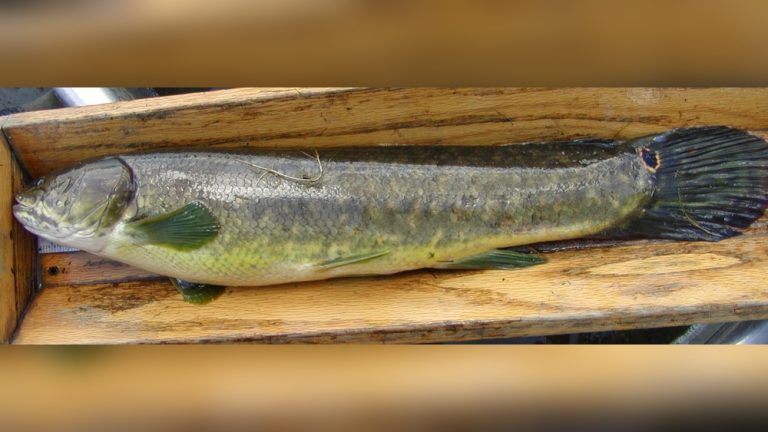
- Bowfin
You cannot shoot game fish like bass, walleye, or catfish. Taking protected or threatened species is a serious offense. The IDNR updates the list of legal species, so always check their latest publications.
Why Target Invasive Species?
Many bow fishers focus on species like Asian carp because they are invasive and threaten native ecosystems. Removing these fish helps local waters. However, never assume a fish is legal, positive identification is essential.
Seasons And Legal Locations
Illinois does not have a statewide closed season for bow fishing, but local rules may differ. Most public waters allow bow fishing year-round for legal species. Some exceptions exist, especially in state parks, nature preserves, and during certain fish spawning periods.
Places Where Bow Fishing Is Allowed
- Rivers and streams: Many major rivers, like the Illinois, Mississippi, and Fox, are open.
- Lakes and reservoirs: Public lakes often permit bow fishing, but some have restrictions.
- Private ponds: With landowner permission, bow fishing is usually allowed.
Restricted Areas
Some areas are closed to bow fishing:
- State nature preserves
- Certain conservation areas
- Wildlife sanctuaries
- Near boat launches or swimming beaches
Always check posted signs and IDNR maps before bow fishing in a new location.
Equipment And Methods: What’s Legal?
Illinois law specifies which bows, arrows, and methods are permitted.
Bow Types
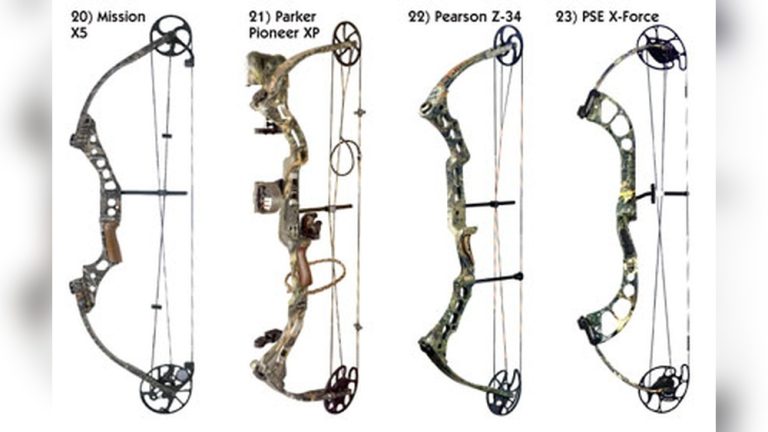
- Recurve bows
- Compound bows
- Longbows
Crossbows are legal for bow fishing in Illinois, but only for fish, not for hunting game animals out of season.
Arrows And Lines
- Arrows must have a line attached for retrieval.
- Barbed tips are common for bow fishing and are allowed.
- Explosive tips or chemical substances are strictly banned.
Lighting
You may use artificial lights to spot fish at night, which is popular during warm months. However, spotlights cannot be used in ways that blind or endanger other people.
Boat Use
Many bow fishers use small boats or flat-bottomed crafts. These must comply with Illinois boating regulations, including registration and safety equipment.
Comparison: Bow Fishing Vs. Traditional Fishing Regulations
Understanding how bow fishing rules compare to regular fishing helps avoid accidental violations.
| Aspect | Bow Fishing | Traditional Fishing |
|---|---|---|
| Legal Species | Non-game & invasive fish | Game & non-game fish |
| Equipment | Bows with attached lines | Rods, reels, bait |
| Lighting | Artificial lights allowed | Limited lighting |
| Seasons | Mostly year-round | Seasonal for some species |
| Bag Limits | Fewer limits for invasives | Strict for game fish |
Special Considerations For Different Water Bodies
Not all waters are managed the same way. Some have special rules about fish size, number taken, or open seasons. For example, certain lakes may limit the number of carp you can take, or restrict night fishing.
If you plan to bow fish in national wildlife refuges or interstate waters, you’ll need to check both state and federal regulations. Some border waters are managed jointly by Illinois and another state, so double-check rules before you go.
Pro Tip: I always contact the local IDNR office before visiting a new body of water. Staff can provide up-to-date advice on open seasons, species, and any special restrictions.
Transporting And Disposing Of Fish
After bow fishing, you must handle your catch properly. In Illinois, it’s illegal to dispose of dead fish in the water or on public land. All unwanted fish must be removed and disposed of responsibly, usually in trash containers or as fertilizer.
Some bow fishers use their catch for garden compost or animal feed. If you’re not keeping the fish, make sure you follow local disposal laws. Leaving fish on the bank is not just unsightly, it can attract fines.
Penalties For Violating Bow Fishing Laws
Penalties for breaking bow fishing laws in Illinois can be serious. Fines range from $75 for minor offenses (like fishing without a license) to thousands of dollars for taking protected species or illegal disposal. In some cases, your equipment or boat can be seized.
Repeat offenders may lose their fishing privileges. In rare cases, criminal charges can apply, especially if endangered species are harmed.
Here are some typical penalties:
- Fishing without a license: $75, $195 fine
- Taking protected species: Up to $2,500 fine, possible jail time
- Illegal disposal of fish: Up to $1,000 fine
Following the rules protects both you and the environment.

Credit: www.fin-finder.com
Practical Tips For Legal And Responsible Bow Fishing
Legal compliance is only the first step. Ethical bow fishing means respecting nature, other anglers, and the law. Here’s how to make your experience safer and more enjoyable:
- Double-check species: If you’re unsure of a fish, don’t shoot. Learn to identify common legal species.
- Respect private property: Always ask for permission before fishing on private lands.
- Use proper lighting: Avoid shining bright lights at other boaters or homes.
- Wear safety gear: Life jackets are required on boats, and eye protection is smart when bow fishing.
- Be mindful of noise: Bow fishing can be loud, especially at night. Respect local noise ordinances.
Common Beginner Mistakes
Many new bow fishers make the same errors:
- Shooting at game fish by mistake, study fish anatomy and color.
- Not checking for local restrictions, rules can change by county or lake.
- Poor disposal of catch, always carry trash bags.
When I started bow fishing, I missed a key rule about night fishing on a particular lake and received a warning from a conservation officer. In my experience, a few minutes spent reading the posted rules can save you from costly mistakes.
Where To Find Official Information
The Illinois Department of Natural Resources is your best source for up-to-date regulations. Their website offers downloadable fishing digests, maps, and contact information for conservation officers. For federal water bodies, consult the US Fish and Wildlife Service.
You can find more details at the official Illinois Department of Natural Resources website.
Community, Tournaments, And Conservation
Bow fishing is not just a solo sport. In Illinois, many clubs and tournaments offer a chance to meet others, improve your skills, and even help conservation efforts by removing invasive fish.
Some events focus on charity or environmental goals, turning the sport into a force for good. Always check that the tournament follows IDNR rules, and never shoot more than you can use or dispose of legally.
Bow Fishing In Urban Vs. Rural Illinois
The experience of bow fishing can differ greatly between city-adjacent waters and remote country lakes.
Urban Waters
Urban rivers and lakes may have more restrictions due to public safety, boating traffic, and noise rules. Access points are usually well-marked, but fish populations may be lower due to pollution or overfishing.
Rural And Remote Waters
Remote areas often have fewer crowds and more abundant fish, especially invasive species. However, access may be limited, and you’ll need to be more self-reliant for safety and gear.
| Location Type | Regulation Strictness | Fish Availability | Public Access |
|---|---|---|---|
| Urban | High | Moderate | Easy |
| Rural | Moderate | High | Limited |

Credit: www.getmyboat.com
Ethical Considerations And Conservation
Even legal bow fishing has an impact. Removing invasive species helps, but overharvesting native species, even non-game fish, can harm ecosystems. Practice selective harvesting, and only take what you’ll use.
Respecting nature means leaving no trace, clean up all gear, trash, and fish remains. Help educate others, especially new bow fishers, on the importance of following the law.
Frequently Asked Questions
Can I Bow Fish For Catfish Or Bass In Illinois?
No, it is illegal to take catfish, bass, walleye, and other game fish with a bow in Illinois. Only non-game and invasive species are legal targets. Taking game fish with a bow can result in heavy fines and loss of fishing privileges.
Do I Need A Special Permit To Bow Fish At Night?
In most Illinois public waters, your fishing license covers night bow fishing. However, some lakes and towns have local ordinances that restrict night fishing or the use of artificial lights. Always check with local authorities or posted signs before bow fishing after dark.
Are There Age Restrictions For Bow Fishing?
Anyone under 16 does not need a fishing license, but must still follow all other bow fishing regulations. Supervision by an adult is highly recommended for minors, and some tournaments may have their own minimum age rules.
Can I Use A Crossbow For Bow Fishing In Illinois?
Yes, crossbows are legal for bow fishing in Illinois. However, they are only permitted for taking legal non-game fish. Using a crossbow to hunt game fish or during closed seasons is prohibited.
What Should I Do If I Accidentally Shoot A Protected Species?
If you accidentally take a protected or game fish species, you must not keep it. Release it immediately if still alive. If it is dead, report the incident to a local conservation officer. Honest reporting can reduce penalties and helps authorities monitor and protect sensitive species.
Bow fishing offers a rewarding way to enjoy Illinois’ waterways, but it demands knowledge and respect for the law. By understanding current regulations, using the right equipment, and practicing ethical fishing, you’ll help ensure this sport remains legal, sustainable, and fun for years to come.
Always stay informed, ask questions when unsure, and remember that responsible bow fishers make the best stewards of our natural resources.