Is Bow Fishing Allowed in Iowa? Rules, Laws, and Tips
Standing by a quiet Iowa river at dawn, many people wonder if bow fishing is allowed here. The answer isn’t as simple as a yes or no. Iowa has specific rules that change by location, season, and the type of fish you want to catch. If you’re new to bow fishing, or just moved to Iowa, understanding these regulations is important. This article gives you a clear, practical guide on bow fishing laws in Iowa, with tips for beginners, safety advice, and answers to common questions. If you want to enjoy this unique sport legally and safely, keep reading.
What Is Bow Fishing?
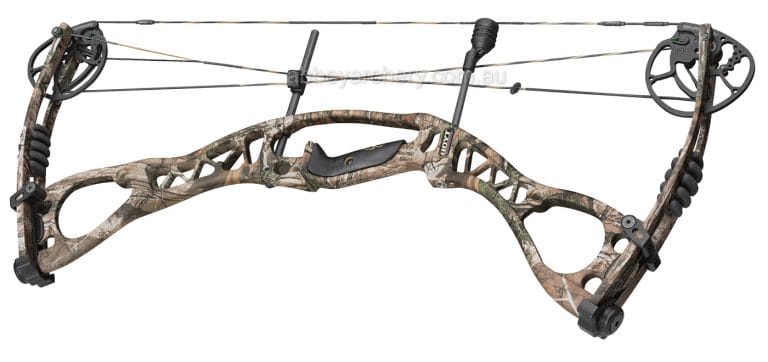
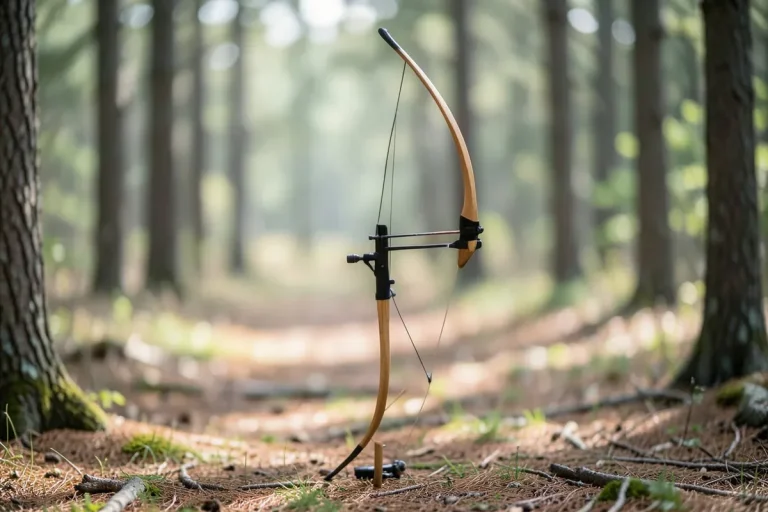
Bow fishing combines archery and fishing. You use a bow, usually a compound or recurve, with a special arrow attached to a line. When you see a fish, you aim, shoot, and reel it in. Bow fishing is popular for rough fish like carp and gar, not game fish like bass or trout.
Example: In Iowa, most bow fishing happens on rivers and lakes with clear water, where carp swim near the surface.
Bow fishing is fast-paced and exciting. You don’t wait for the fish to bite; you actively hunt them. This style attracts people who enjoy both archery and outdoor sports.
Bow Fishing Laws In Iowa
Iowa does allow bow fishing, but not everywhere and not for every fish. The Iowa Department of Natural Resources (DNR) sets rules to protect native fish and habitats. Here’s what you need to know:
Legal Fish Species
You can use bow fishing to catch rough fish in Iowa. These include:
- Common carp
- Bighead carp
- Silver carp
- Grass carp
- Buffalo
- Gar
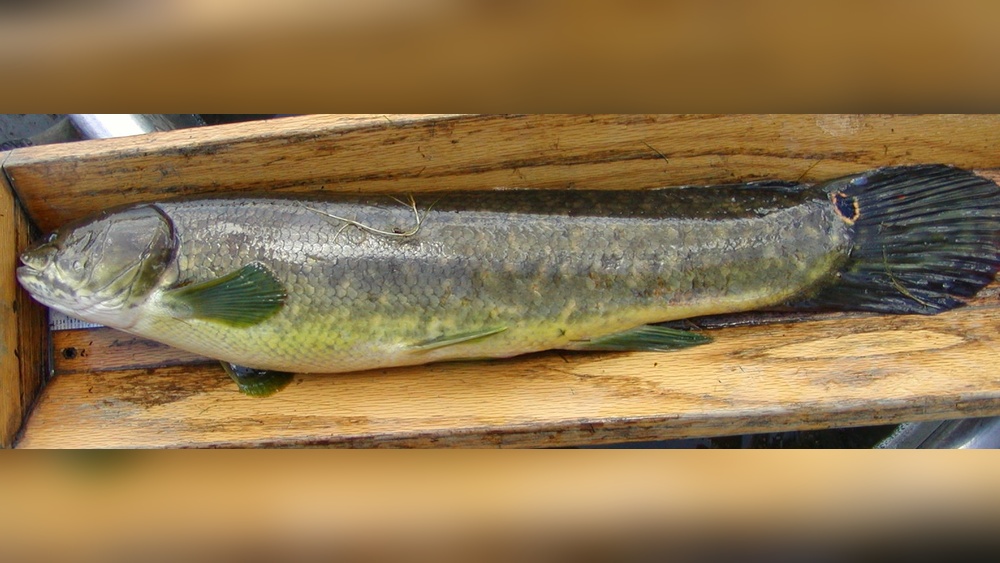
- Bowfin
- Suckers
Game fish, such as walleye, bass, trout, and catfish, are protected. You cannot bow fish for these species.
Warning: Catching game fish with a bow is illegal and can lead to fines or loss of your fishing license.
Where You Can Bow Fish
Bow fishing is allowed on most public rivers, lakes, and reservoirs. However, some locations have extra restrictions.
- State parks: Some parks restrict bow fishing to protect visitors and wildlife.
- Private land: You need written permission from the landowner.
Example: Lake Red Rock and the Des Moines River are popular spots for bow fishing, but always check local rules.
Time Restrictions
You can bow fish year-round for rough fish. There are no closed seasons for carp, gar, and other rough fish.
Night bow fishing is allowed, but you must use lights that do not disturb wildlife or other people.
Equipment Rules
You can use:
- Compound bows
- Recurve bows
- Crossbows
- Special bow fishing arrows with barbs
Arrows must have a line attached so you can retrieve the fish.
License Requirements
Anyone age 16 or older needs a valid Iowa fishing license for bow fishing. Children under 16 can bow fish without a license if accompanied by a licensed adult.
Penalties For Breaking Rules
Violating bow fishing laws can result in:
- Fines (up to $100 or more for illegal catches)
- Loss of fishing privileges
- Equipment seizure
Iowa DNR officers often patrol popular fishing spots. Always follow the rules.
Popular Bow Fishing Spots In Iowa
Iowa offers many rivers and lakes for bow fishing. Here are some top locations, with their features:
| Location | Best Fish | Accessibility | Special Notes |
|---|---|---|---|
| Des Moines River | Carp, Gar | Boat ramps and shore access | Strong current, watch for debris |
| Lake Red Rock | Buffalo, Carp | Easy boat access | Clear water, best in spring |
| Coralville Reservoir | Suckers, Carp | Multiple access points | Shallow edges, good visibility |
| Mississippi River | Gar, Carp | Shore and boat access | Check for local restrictions |
These locations are open to the public, but some areas may require extra permits or have local rules. Always check before you go.
Step-by-step Guide To Bow Fishing In Iowa
Bow fishing is not difficult, but beginners often miss important steps. Here’s how to start:
- Get a fishing license. Visit the Iowa DNR website or local store.
- Check local regulations. Rules can change by county or city.
- Select your equipment. Choose a bow, arrows with barbs, and a reel.
- Scout your location. Look for clear water and rough fish.
- Practice shooting. Bow fishing needs accuracy. Practice on targets before you try on fish.
- Wear safety gear. Use sunglasses, gloves, and sturdy shoes.
- Fish legally. Aim for rough fish only. Release game fish immediately if you accidentally catch one.
- Handle fish properly. Remove arrows carefully and use a bucket or cooler for your catch.
- Dispose of fish responsibly. Carp and other rough fish can be used as fertilizer or animal feed. Don’t leave dead fish on the shore.
- Clean up. Pick up all trash, fishing lines, and gear.
Pro Tip: In my experience, scouting at sunset gives the best visibility for surface carp, especially in spring.

Credit: www.youtube.com
Equipment Choices For Bow Fishing
Selecting the right gear makes bow fishing easier and safer. There are several types of bows and reels you can use.
| Bow Type | Pros | Cons |
|---|---|---|
| Compound Bow | Powerful, accurate, adjustable draw weight | Heavier, more moving parts |
| Recurve Bow | Lightweight, simple design | Less power, harder to aim at moving fish |
| Crossbow | Easy to aim, good for beginners | Bulky, slower reload |
For reels, you can choose between:
- Hand-wrap reels: Cheap, but slow to retrieve.
- Spincast reels: Fast, easy to use, good for beginners.
- Retriever reels: Durable, high-speed, good for frequent bow fishers.
Example: Most Iowa bow fishers use compound bows with spincast reels for carp and gar.
Safety And Ethical Concerns
Bow fishing is fun, but safety matters. Here are important safety tips:
- Always identify your target. Never shoot at moving shadows; you might hit protected fish or turtles.
- Wear eye protection. Arrows can rebound or break.
- Fish with a partner. If an accident happens, help is nearby.
- Keep a first aid kit. Arrow injuries are rare but possible.
Ethics are also important:
- Respect wildlife. Don’t disturb nesting birds or mammals.
- Limit your catch. Take only what you can use.
- Dispose of fish humanely. Don’t leave carcasses in the water or on land.
Warning: Bow fishing near swimmers, boaters, or crowded areas is dangerous and discouraged.
Common Mistakes In Bow Fishing
Beginners often make errors that can lead to trouble or poor results. Here are the most common:
- Shooting at game fish: Always double-check the fish species.
- Ignoring local rules: Each lake or river may have its own restrictions.
- Fishing without a license: Even if you’re only bow fishing, a license is required.
- Leaving fish waste: Responsible disposal is essential.
- Poor equipment maintenance: Dirty reels and dull arrows can cause accidents.
Pro Tip: Use a fish identification guide, especially when fishing at night or in murky water.
Iowa Bow Fishing Compared To Other States
Bow fishing rules vary widely in the US. Here’s a comparison with nearby states:
| State | Allowed Species | Night Fishing | Special Permits |
|---|---|---|---|
| Iowa | Rough fish only | Yes | No |
| Illinois | Rough fish, some catfish | Yes | Some waters |
| Minnesota | Rough fish, limited game fish | Yes | Seasonal |
| Missouri | Rough fish, catfish | Yes | Extra permit for catfish |
Iowa’s rules are strict. Only rough fish are allowed, and you don’t need a special permit beyond your fishing license.
Environmental Impact Of Bow Fishing
Bow fishing helps control populations of invasive fish like carp. Carp damage Iowa waters by uprooting plants and muddying water. Removing carp improves water clarity and supports native fish.
However, too much bow fishing can harm local ecosystems. Always follow catch limits and disposal rules.
Example: Iowa DNR encourages carp removal, but only in areas where they are overpopulated.
Practical Advice For Beginners
Starting bow fishing in Iowa is easier with these tips:
- Join local clubs. Many Iowa communities have bow fishing groups. They offer advice and group outings.
- Attend workshops. Iowa DNR and outdoor shops host classes for beginners.
- Use online resources. The Iowa DNR website lists legal waters and updates rules regularly.
- Try shore fishing first. Boat fishing is harder for beginners.
- Practice patience. Success comes with practice.

Credit: iowasportsman.com
First-hand Experience: What It’s Like To Bow Fish In Iowa
When bow fishing at Lake Red Rock, anglers often find carp cruising near the shore. The water was clear in early spring, and the fish were easy to spot. Shooting with a compound bow felt powerful, but accuracy was a challenge.
After a few tries, I caught my first carp. The excitement of seeing the arrow hit and reeling in the fish is hard to describe.
One insight: fish move quickly. You need to anticipate their direction and aim slightly ahead. Also, the glare from the water can make aiming difficult, so polarized sunglasses helped a lot.
Legal Advice And Resources
For legal questions, always consult the Iowa DNR or a professional attorney. Rules change, and fines can be costly. The official Iowa DNR website is the most reliable source for updates and regulations.
Pro Tip: If you’re unsure about the legality of a location or fish species, ask a local DNR officer before you start.
For more information, visit the Iowa Department of Natural Resources.

Credit: www.getmyboat.com
Frequently Asked Questions
Is Bow Fishing Allowed On All Iowa Lakes?
No, some lakes have restrictions. Always check local rules, especially in state parks or wildlife areas. Some lakes may close areas to bow fishing to protect wildlife or limit crowding.
Can I Bow Fish For Catfish In Iowa?
Catfish are considered game fish in Iowa. Bow fishing for catfish is illegal. Only rough fish, like carp and gar, are allowed. If you catch a catfish by accident, release it immediately.
Do I Need A Special Permit For Night Bow Fishing?
No special permit is needed for night bow fishing if you already have a fishing license. However, you must use lights that don’t disturb wildlife or other anglers. Some areas may restrict night fishing, so check local rules.
What Happens If I Accidentally Shoot A Game Fish?
If you accidentally shoot a game fish, you must release it unharmed. Do not keep or transport it. Reporting the mistake to a DNR officer is a good idea, especially if you’re unsure about regulations.
Are There Age Restrictions For Bow Fishing In Iowa?
Children under 16 can bow fish without a license if accompanied by a licensed adult. There are no age restrictions for equipment, but young bow fishers should be supervised and use proper safety gear.
Enjoying bow fishing in Iowa is easy when you follow the rules and respect nature. With the right equipment and knowledge, you’ll have a safe and exciting experience. Remember, always check for updates on regulations and seek advice from professionals when needed.
Bow fishing is a rewarding sport for both beginners and experts, and Iowa is a great place to start.