Is Bow Fishing Legal in Ohio? Laws, Rules, and Regulations Explained
Bow fishing is becoming more popular across Ohio’s lakes and rivers. If you’re curious about the legal status of bow fishing in Ohio, you’re not alone. Many outdoor lovers want to know where, when, and how they can use a bow to fish legally.
Understanding the rules is important, not just to avoid fines, but to help protect local fish populations and enjoy your hobby safely.
Ohio offers many opportunities for bow fishing, but the laws can be tricky. They depend on the type of water, the species you target, and even the equipment you use. This article explains all you need to know, from basic legality to rules, common mistakes, permits, and safety tips.
Whether you’re a beginner or an experienced bow fisher, you’ll find clear guidance for staying legal and enjoying Ohio’s waters responsibly.
Bow Fishing Legality In Ohio
Bow fishing is legal in Ohio, but there are strict regulations. The Ohio Department of Natural Resources (ODNR) manages these rules. You can bow fish for certain species in designated areas, but not everywhere and not for every fish.
The main point: you must follow state laws about what species you can target, where you can fish, and how you use your equipment. Breaking these rules can lead to fines, loss of your fishing license, or even criminal charges for serious violations.
Many people misunderstand the law. For example, you can’t bow fish for game fish like bass or trout. Only non-game fish are allowed, mainly carp, gar, buffalo, and suckers. Ohio’s law defines “non-game fish” as those not protected or regulated as sport fish.
Where You Can Bow Fish In Ohio
Ohio has a mix of public and private waters. The rules depend on where you are fishing.
Public Waters
You can bow fish in most public lakes, rivers, and reservoirs. Some of the most popular spots include:
- Lake Erie
- Ohio River
- Scioto River
- Sandusky Bay
However, certain areas may have restrictions. For example, some wildlife refuges or parks ban bow fishing to protect wildlife. Always check signs and local regulations before you start.
Private Waters
On private land, you need permission from the landowner. Ohio law allows bow fishing on private ponds and lakes if you have written consent. But even on private property, you must still follow state regulations about species and methods.
Pro Tip: Always carry proof of permission when fishing on private land. If checked by a game warden, this can save you trouble.

Credit: www.getmyboat.com
Fish Species Allowed For Bow Fishing
Not every fish can be targeted with a bow. Ohio’s fishing regulations are strict about which species you can catch.
| Species | Legal for Bow Fishing? | Notes |
|---|---|---|
| Common Carp | Yes | Most popular target |
| Gar | Yes | Longnose and shortnose gar allowed |
| Buffalo | Yes | Bigmouth, smallmouth, black buffalo permitted |
| Suckers | Yes | White, redhorse, and other suckers |
| Channel Catfish | No | Game fish, not allowed |
| Bass | No | Protected game fish |
| Trout | No | Protected game fish |
You must never target game fish with a bow. This includes bass, catfish, walleye, perch, and trout. The ODNR has strict penalties for violations, sometimes including license suspension.
One insight many beginners miss: even if a fish looks like a “rough fish,” always double-check its legal status. Some species, like grass carp, are protected in certain areas.
Bow Fishing Gear And Methods Allowed
Ohio law controls what equipment you can use. The rules focus on the type of bow, arrows, and retrieval systems.
Allowed Gear
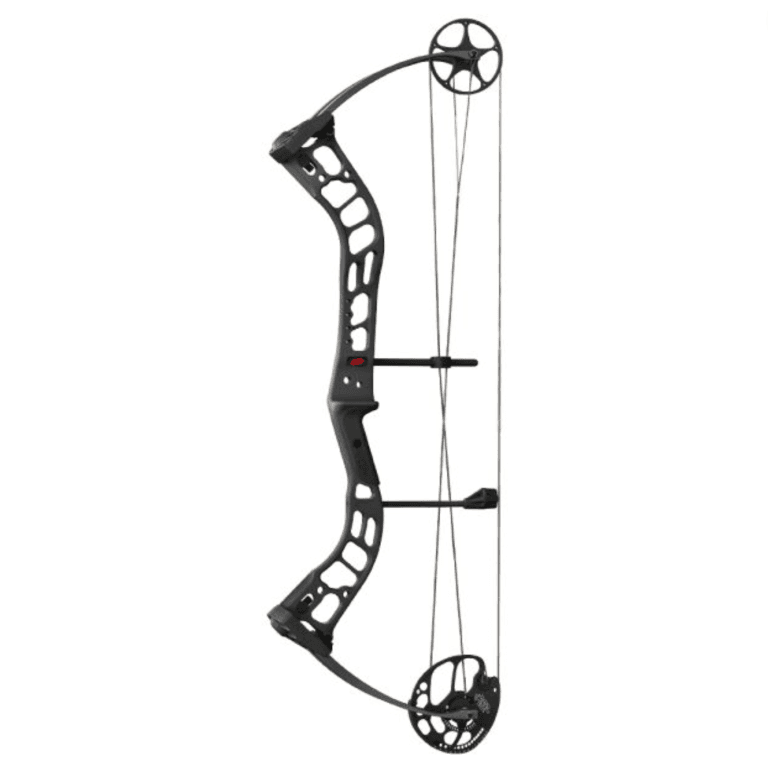
- Compound bows and recurve bows are both legal.
- Arrows must have barbed tips and a line attached for retrieval.
- Crossbows are allowed for bow fishing in Ohio, but only if the arrow has a retrieval line.
You cannot use explosives, poisons, or electrical devices. Only manual bows are permitted.
Retrieving Fish
You must retrieve every fish you shoot, leaving dead fish in the water is illegal and can lead to fines. This rule helps protect water quality and wildlife.
Warning: Do not use arrows without retrieval lines. Not only is it illegal, but it can harm other animals and pollute the water.
Licensing And Permits
To bow fish legally in Ohio, you need a valid Ohio fishing license. This applies to everyone aged 16 or older, including residents and non-residents.
Types Of Licenses
| License Type | Resident Cost | Non-Resident Cost | Duration |
|---|---|---|---|
| Annual | $25 | $50 | 12 months |
| 1-Day | $14 | $14 | 24 hours |
| 3-Day | N/A | $25 | 72 hours |
Licenses can be bought online, at sporting goods stores, or at ODNR offices. Always carry your license while fishing, as officers often check.
Special Permits
Some areas may require special permits, especially for nighttime bow fishing or tournaments. Check local rules if you plan to fish after dark or join an event.
Rules For Nighttime Bow Fishing
Bow fishing at night is allowed in Ohio, but there are extra rules.
- You must use legal lighting, usually battery-powered or generator lights.
- Spotlights and floodlights are allowed, but not anything that blinds other boaters.
- Always follow boating safety rules, including navigation lights.
Night fishing can be exciting, but it comes with risks. Make sure you’re visible to other boats and carry safety gear.
Example: For nighttime bow fishing on Sandusky Bay, using a red filter on your spotlight helps avoid disturbing other fishermen.
Common Mistakes That Lead To Fines
Many people get fines because they misunderstand Ohio’s bow fishing laws. Here are the most frequent mistakes:
- Targeting game fish: Shooting bass, catfish, or other protected fish.
- Fishing without a license: Not carrying your permit, even if you’re on private land.
- Leaving fish in the water: Failing to retrieve dead fish after shooting.
- Using illegal gear: Arrows without lines, or using explosives.
- Ignoring local rules: Fishing in restricted areas or wildlife refuges.
Pro Tip: Before heading out, check both state and local rules. Some counties have extra restrictions, especially near parks or wildlife areas.
Bow Fishing Safety And Environmental Impact
Safety is important in bow fishing. Not only for yourself, but for others and the environment.
Safety Tips
- Always wear a life jacket when fishing from a boat.
- Never shoot arrows near swimmers, other boats, or people on shore.
- Use caution with sharp arrows, store them safely when not in use.
- Make sure your retrieval line is strong and securely attached.
Environmental Responsibility
Bow fishing can help control invasive fish like common carp. But it can also harm native species if you break the rules. Only target approved fish, and dispose of them properly after catching.
Never throw dead fish back into the water. Instead, use them for fertilizer, animal feed, or dispose of them at a landfill.
Comparing Bow Fishing To Traditional Fishing
Bow fishing is different from rod-and-reel fishing. Understanding these differences helps you stay legal and enjoy your time outdoors.
| Feature | Bow Fishing | Rod-and-Reel Fishing |
|---|---|---|
| Target Species | Non-game fish only | Game and non-game fish |
| Technique | Shooting with a bow | Hook and line |
| Legal Restrictions | More species rules | Fewer species restrictions |
| Gear | Bows, arrows, retrieval line | Rods, reels, hooks |
| Environmental Impact | Can help control invasive fish | Varies by catch and release |
Bow fishing requires more attention to legal details. Traditional fishing is usually more flexible about species, but still has rules.
How To Start Bow Fishing Legally In Ohio
If you’re new to bow fishing, getting started legally is easy if you follow these steps:
- Get an Ohio fishing license. Buy online or at a local shop.
- Choose legal gear: A compound or recurve bow, barbed arrows with retrieval lines.
- Learn to identify non-game fish. Study pictures and guides before heading out.
- Pick a legal location. Public lakes and rivers are best, but check local restrictions.
- Practice safety and retrieve every fish you shoot.
- Respect other anglers and wildlife, share space and avoid crowding.
Pro Tip: Join a local bow fishing club. They can teach you the rules, offer tips, and help you find good spots.

Credit: ohiodnr.gov
Bow Fishing Tournaments And Events
Ohio hosts several bow fishing tournaments each year. These events bring together hundreds of anglers, but they have special rules.
Most tournaments require:
- Special permits or registration
- Extra safety checks
- Only non-game fish targets
Organizers often work with the ODNR to ensure the event follows all regulations. Tournaments can be a great way to learn, but always read the event rules carefully.
Some events raise money for conservation or remove invasive fish from local waters. Participating helps the community and the environment.
Enforcement And Penalties
The ODNR and local law enforcement watch bow fishing closely. Penalties for breaking the law can be severe.
- Fines: Up to $500 for a first offense, depending on the violation.
- License suspension: Repeat offenders may lose their fishing privileges.
- Equipment confiscation: Illegal gear can be taken away.
- Criminal charges: Rare, but possible for major violations.
Officers often patrol popular bow fishing areas. They check licenses, gear, and species caught. Always cooperate and show your permit if asked.
Example: Keeping a printed copy of the regulations in your tackle box can help you answer questions and avoid mistakes.
Legal Updates And Resources
Bow fishing laws change as fish populations and environmental needs shift. The ODNR updates regulations every year.
You can find the latest rules online at the ODNR website, or through their fishing regulation guidebook. For detailed information, visit Ohio Department of Natural Resources.
Stay informed, subscribe to ODNR alerts or join a local fishing group. Laws can change quickly, especially about invasive species.
Responsible Bow Fishing: Ethics And Community
Legal bow fishing is more than following rules. It’s about respecting nature and other people.
- Never waste fish, use what you catch.
- Avoid disturbing other anglers.
- Help clean up trash and keep waters healthy.
- Report illegal activity to ODNR.
Sharing knowledge helps keep bow fishing safe and fun for everyone. Beginners often miss that respecting others makes you welcome in Ohio’s fishing community.

Credit: www.hunter-ed.com
Frequently Asked Questions
Is Bow Fishing Allowed In All Ohio Lakes?
No, not all lakes permit bow fishing. Some have local restrictions or bans, especially in wildlife refuges or certain parks. Always check signs and consult the local ODNR office before fishing.
Can I Bow Fish For Catfish In Ohio?
You cannot bow fish for catfish in Ohio. Catfish are considered game fish and are protected under state law. Only rough fish like carp, gar, and suckers can be targeted.
Do I Need A Fishing License For Bow Fishing On Private Property?
Yes, a fishing license is required for bow fishing on private property in Ohio. Even if you have landowner permission, state law mandates a valid license for anyone aged 16 or older.
Are There Age Restrictions For Bow Fishing In Ohio?
Children under 16 do not need a fishing license, but must follow all bow fishing rules. Some tournaments set age minimums for participation, so check event guidelines carefully.
What Should I Do With Fish Caught By Bow Fishing?
You must retrieve and properly dispose of all fish caught. Options include using them for fertilizer, animal feed, or taking them to a landfill. Never leave dead fish in the water, as this is illegal and harms the environment.
Bow fishing is a unique and rewarding way to experience Ohio’s outdoors. By following the rules, respecting nature, and staying informed, you can enjoy this sport safely and legally. Whether you are fishing alone or joining a tournament, always act responsibly.
If you’re unsure about a regulation, consult the ODNR or a local fishing expert. Remember, legal and ethical bow fishing helps protect Ohio’s waters for future generations.