How To Bow Fish Without A Boat
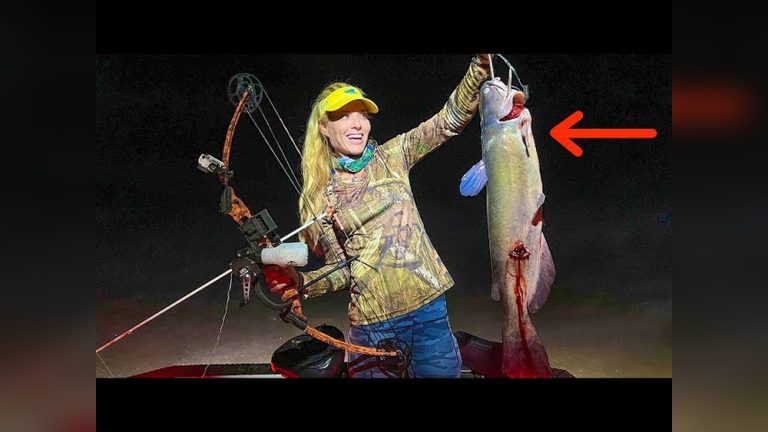
Bowfishing, the pursuit of fish using specialized archery equipment, has exploded in popularity thanks to its blend of hunting and fishing skills, adrenaline-pumping action, and accessibility. While many imagine bowfishing as an activity done atop a boat skimming over shallow waters, land-based bowfishing is not only possible but also highly rewarding.
For those without access to a boat or looking for a new challenge, learning how to bow fish without a boat opens doors to new environments, techniques, and opportunities.
Whether you’re a seasoned archer, an avid angler, or a complete beginner, shore-based bowfishing offers a unique way to engage with the outdoors. This comprehensive guide will provide in-depth strategies, real-world examples, and practical advice to help you master bowfishing from the bank, wade in confidently, and target fish effectively, all without setting foot on a boat.
Key Takeaways
- Bowfishing without a boat is both accessible and effective, especially in the right environments and with proper technique.
- Essential gear modifications and specific strategies are required for shore, wade, and structure fishing.
- Understanding fish behavior and local regulations is crucial for safety, legality, and success.
- Stealth, timing, and positioning are key factors in maximizing your catch rate from land or shallow water.
- Real-world success stories demonstrate that trophy fish and memorable experiences are possible without a boat.
- Environmental awareness and safety precautions ensure enjoyable, responsible bowfishing adventures.

Credit: www.yachtworld.com
Choosing The Right Location For Shore Bowfishing
Selecting an optimal location is the cornerstone of successful bowfishing without a boat. The right spot increases your chances of encountering fish, allows you to use stealth and positioning to your advantage, and enhances your overall experience.
Rivers, Creeks, And Streams
Small to medium rivers, creeks, and streams are prime environments for bank bowfishing. These waterways often have clear, shallow stretches where carp, gar, and other rough fish congregate. Look for areas with:
- Sandbars and gravel beds: Fish feed and spawn here, especially in spring.
- Eddies and current breaks: Fish rest out of the main current, providing easier shots.
- Overhanging vegetation: Offers cover for stalking fish and staying hidden.
Lakes, Ponds, And Reservoir Margins
Larger bodies of water provide ample shoreline opportunities. Focus on:
- Inlets and outlets: These attract fish for feeding and spawning.
- Flooded vegetation and shallow flats: Especially productive during spawning runs.
- Man-made structures: Docks, jetties, and riprap hold fish and offer stable shooting platforms.
Pro Tip: Use online resources like Google Maps satellite imagery or state fish and wildlife websites to scout accessible public shorelines, noting water clarity and depth.
Urban And Suburban Opportunities
Don’t overlook urban settings. Many city parks and managed ponds allow bowfishing for invasive or non-game species. Always check local ordinances before heading out.
Wading Areas
Wading opens up new sightlines and expands your range. Key considerations include:
- Firm, gradual slopes: Avoid deep mud or sudden drop-offs.
- Clear, shallow water (1, 3 feet): Ideal for sight-fishing and safe footing.
- Minimal current: Reduces risk and allows for better shot placement.
Environmental And Access Considerations
Before bowfishing any new spot:
- Check public vs. private access: Always get landowner permission if needed.
- Research fish species and regulations: Not all fish are legal to shoot everywhere.
- Scout for hazards: Watch for deep mud, submerged debris, and aggressive wildlife.
| Location Type | Pros | Cons | Best Target Species |
|---|---|---|---|
| Rivers/Streams | High fish concentration, moving water attracts fish | Variable water clarity, tricky footing | Carp, Gar, Buffalo |
| Lakes/Ponds | Wide open areas, predictable patterns | Fish may be further from shore, more crowded | Carp, Bowfin, Catfish |
| Urban Waters | Easy access, often overlooked | More restrictions, less solitude | Common Carp, Goldfish |
| Wading Flats | Close encounters, expanded range | Physical effort, safety considerations | Gar, Carp, Suckers |
Credit: www.trackerboats.com
Essential Gear For Shore And Wading Bowfishing
Bowfishing without a boat requires some gear modifications and thoughtful preparation. The right equipment can make the difference between a productive outing and a frustrating one.
Bow Selection And Setup
While any sturdy bow can work, dedicated bowfishing bows offer significant advantages:
- Draw weight: 30, 50 lbs is ideal for penetrating fish in shallow water.
- Durability: Water-resistant finishes and simple designs hold up best.
- Reel systems: Use a drum, bottle, or spincast reel designed for bowfishing line.
Compact or takedown bows are advantageous for hiking into remote spots or maneuvering through brush.
Arrows And Tips
Bowfishing arrows are heavier and more robust than standard arrows. Key features include:
- Solid fiberglass construction: Resists breakage.
- Barbed tips: Prevent fish from slipping off after the shot.
- Slide system: Reduces the risk of snapback injuries.
Use arrows specifically rated for bowfishing to ensure safety and performance.
Line And Retrieval Systems
Choose a bowfishing line with:
- High visibility: Makes tracking shots and fish retrieval easier.
- Strength: 80, 200 lb braided line is common.
- Tangle resistance: Essential for bank and wade fishing where brush and snags abound.
Wading And Footwear
For wading, proper attire is critical:
- Chest or hip waders: Keep you dry and provide some protection from underwater hazards.
- Sturdy boots or wading shoes: Prevent slips, punctures, and cold feet.
Avoid sandals or barefoot wading, as submerged debris and sharp rocks can cause injuries.
Other Essential Accessories
- Polarized sunglasses: Improve visibility by cutting glare.
- Headlamps or handheld lights (for night bowfishing): Make fish easier to spot after dark.
- Gloves: Protect hands during arrow retrieval and fish handling.
- Backpack or gear bag: Keeps gear organized and mobile.
- Fish stringer or cooler: For storing your catch.
Pro Tip: Pack light but don’t skimp on safety, always carry a basic first aid kit and a cell phone in a waterproof pouch.
| Equipment | Purpose | Bank/Wading Suitability |
|---|---|---|
| Recurve Bow | Reliable, easy maintenance | Excellent |
| Compound Bow | Higher speed, adjustable draw | Good (if compact) |
| Drum Reel | Simple, tangle-free | Excellent |
| Spincast Reel | Faster retrieval, more moving parts | Fair (requires maintenance) |
| Fiberglass Arrow | Strength, durability | Essential |
| Barbed Point | Retains fish | Essential |
Gear Maintenance And Transport
In my experience, keeping gear streamlined is crucial when fishing from shore. Opt for collapsible or modular equipment, and routinely inspect arrows and lines for wear. A well-organized backpack makes changing locations easier and keeps essentials within reach.
Shore And Wading Bowfishing Techniques
Success without a boat depends on adapting your tactics to the unique challenges of land or wade-based bowfishing. Mastering these techniques will increase your accuracy, stealth, and overall enjoyment.
Stalking And Positioning
Approaching fish from the bank or while wading requires careful movement:
- Move slowly and quietly: Sudden movement or heavy footsteps can spook fish, especially in shallow water.
- Use cover: Trees, tall grass, or shoreline rocks can help conceal your approach.
- Stay low: Crouching or kneeling reduces your silhouette and keeps you hidden from fish.
Waders should shuffle their feet to avoid stepping on unseen hazards and to alert any nearby snakes.
Reading Water And Spotting Fish
Polarized sunglasses are indispensable for identifying fish:
- Scan slowly: Look for subtle movement, shadows, or flashes of color.
- Time your outings: Early morning and late evening offer the best visibility and fish activity.
- Observe fish behavior: Feeding or spawning fish are less wary and easier to approach.
Example: In a clear Illinois stream, I noticed carp tailing in a shallow riffle at sunrise. By crouching behind a willow and waiting for the fish to move closer, I was able to make a successful shot at just 10 feet.
Shot Placement And Angle Adjustments
Bowfishing shots often require quick reflexes and adjustments for refraction:
- Aim low: Water bends light, making fish appear higher than they actually are. The standard rule: aim at least 6 inches low for every foot of water depth.
- Practice at various angles: Bank shooting often means aiming at a downward angle, while wading shots may be more horizontal.
- Take ethical shots: Only shoot at fish you can confidently retrieve.
Retrieving Fish And Handling Misses
- Retrieve quickly: Use your reel to bring in fish or arrows promptly, reducing the chance of line tangles or lost arrows.
- Practice arrow recovery: Shorelines with rocks or dense vegetation may require creative approaches for snagged arrows.
- Handle fish carefully: Use gloves and keep fish on a stringer or in a cooler.
Night Bowfishing Tactics
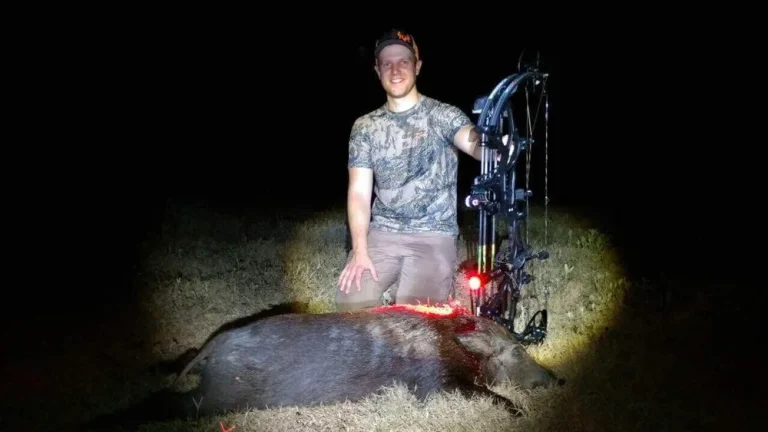
Nighttime bowfishing from shore can be highly productive, as many species feed more actively after dark:
- Use high-powered headlamps or LED spotlights: Illuminate shallow areas to spot fish.
- Stay extra cautious: Reduced visibility increases the risk of tripping or encountering wildlife.
- Work with a partner: Increases safety and makes fish spotting/shooting more efficient.
Pro Tip: Use red or green filters on your lights to reduce fish spooking and preserve your night vision.

Credit: uk.boats.com
Understanding Fish Behavior And Seasonal Patterns
Fish movements, feeding habits, and spawning activities dictate when and where you’ll find the most action from the bank or wading. Knowing these patterns can turn an average day into an exceptional one.
Seasonal Movements And Spawning Runs
- Spring: Carp, gar, and suckers move into shallow, warm waters to spawn. This is the best time for wading and shoreline bowfishing.
- Summer: Fish seek cooler, deeper water during the day but may feed in the shallows at dawn and dusk.
- Fall: Fish often feed aggressively before winter, providing solid action in both shallow and deeper margins.
- Winter: Bowfishing slows as fish become lethargic and seek deeper areas; southern waters may still offer opportunities.
Weather And Water Conditions
- Clear, calm days: Offer better visibility but may make fish more wary.
- Overcast or lightly windy conditions: Can make fish less skittish and easier to approach.
- High or muddy water: Reduces visibility and can limit success; seek out clear inflows or shallow flats.
Fish Behavior Examples
Example: During a late spring bowfishing trip in Oklahoma, wading along a flooded creek edge produced dozens of shot opportunities at spawning gar, which were oblivious to my presence as they focused on mating rituals.
Target Species And Legal Considerations
Common legal targets for shore-based bowfishing include:
- Common carp
- Gar species
- Buffalo fish
- Bowfin
- Catfish (in some regions)
- Suckers
- Invasive species (varies by state)
Always check your local regulations. Some areas prohibit bowfishing for sportfish or limit it to non-native/invasive species. For up-to-date rules, consult your state’s fish and wildlife agency or see the US Fish and Wildlife Service.
Legal, Ethical, And Environmental Considerations
Bowfishing, like any outdoor pursuit, comes with responsibilities. Understanding and respecting legal, ethical, and environmental guidelines ensures the sustainability of the sport and minimizes negative impacts.
Licensing And Local Regulations
- Obtain the proper licenses: Most states require a fishing or bowfishing-specific license.
- Know your boundaries: Some public waters have specific bowfishing restrictions, such as hours, species, and equipment.
- Observe creel limits and disposal rules: Many invasive species must be removed, while others may have daily take limits.
Violating local laws can result in hefty fines, loss of equipment, or even criminal charges.
Ethical Bowfishing Practices
- Target only legal species: Never shoot at protected or sportfish unless specifically permitted.
- Recover all fish and arrows: Leaving dead fish or arrows is unethical and can harm the reputation of bowfishers.
- Respect other users: Share the bank with anglers, kayakers, and swimmers.
Environmental Stewardship
- Avoid sensitive habitats: Stay out of spawning beds for native species.
- Pack out all trash: Fishing line, arrow fragments, and packaging should never be left behind.
- Minimize disturbance: Move quietly and respect wildlife.
Pro Tip: Join a local bowfishing club or conservation group to stay informed about best practices and opportunities for habitat improvement.
Real-world Example
Example: In Texas, a group of bank bowfishers organized a cleanup event along the Trinity River after noticing an increase in discarded arrows and fish remains. Their efforts not only improved the environment but also fostered better relationships with local landowners and fisheries managers.
Real-world Success Stories And Case Studies
Hearing about others’ successes can inspire and guide your own bowfishing adventures. Here are three true-to-life scenarios from shore and wade bowfishers.
Case Study 1: Carp Bonanza On The Illinois River
A father-son duo, unable to afford a boat, regularly bowfish from the banks of the Illinois River during the spring carp spawn. By targeting shallow coves and using polarized glasses, they consistently land double-digit numbers of carp in a single afternoon.
Case Study 2: Wading For Gar In Louisiana Bayous
A group of friends in Louisiana prefer wading shallow bayous over boat fishing. Wearing chest waders and using compact recurve bows, they quietly stalk longnose gar as they cruise the shallows. Their patience pays off with several trophy-sized fish each season.
Case Study 3: Urban Bowfishing In Public Parks
An urban bowfisher in St. Louis discovers that city park lakes, often overlooked by others, contain large invasive goldfish and common carp. By bowfishing from docks and accessible shorelines at dawn, he enjoys productive outings close to home, introducing new friends to the sport.
| Case Study | Location | Techniques Used | Species Targeted | Key Outcome |
|---|---|---|---|---|
| Carp Bonanza | Illinois River, IL | Bank stalking, polarized glasses | Common Carp | Consistent high-volume catches |
| Wading for Gar | Louisiana Bayous | Chest waders, slow approach | Longnose Gar | Trophy-sized fish, minimal gear |
| Urban Bowfishing | St. Louis, MO | Docks, dawn fishing | Goldfish, Carp | Productive city outings |
These examples show that trophy fish and enjoyable bowfishing experiences are possible without a boat, often with less competition and more accessible locations.
Maximizing Success: Tips, Tricks, And Troubleshooting
Success in shore and wade bowfishing is a blend of preparation, adaptability, and continuous learning. Incorporate these practical tips to increase your odds and enjoyment.
Timing And Weather Adjustments
- Fish during low-light periods: Dawn, dusk, and overcast days provide optimal conditions for both spotting and approaching fish.
- Monitor water levels: Fish often move into the shallows after rains or during spring runoff.
- Adjust for wind: Moderate wind can help mask your approach but may decrease water clarity.
Improving Accuracy And Shot Consistency
- Practice shooting at different angles and depths: Set up targets at home to mimic real-world conditions.
- Learn to compensate for water refraction: The “aim low” rule is critical, spend time estimating depth and adjusting on the fly.
- Keep equipment in top shape: Regularly check nocks, tips, and lines for wear or damage.
Stealth And Approach Enhancements
- Use natural cover: Trees, reeds, and rocks help break up your outline.
- Minimize scent and noise: Avoid strong-smelling lotions and loud conversations.
- Plan your route: Approach from downwind and avoid silhouetting yourself against the sky.
Handling Adverse Conditions
- Muddy or stained water: Focus on inflows or clearer sections, and use brighter arrows or lines.
- Crowded banks: Arrive early or fish less popular stretches.
- Heavy brush: Choose compact bows and reduce gear clutter for mobility.
Night Bowfishing Special Considerations
- Always carry backup lights and batteries.
- Mark your entry/exit points to avoid getting lost.
- Beware of nocturnal wildlife such as snakes, raccoons, and alligators in southern states.
When To Move Or Stay Put
- If you haven’t seen fish in 30, 45 minutes, relocate to a new stretch.
- Follow visible fish movement: Sometimes fish will push into new areas with changing light or tide.
Example: When I tested a new riverbank in Missouri, the first hour was slow. By watching carp jumping downstream, I moved 200 yards and quickly found a hotspot, landing several fish in succession.
Frequently Asked Questions
What Are The Best Species For Bowfishing From Shore?
The most common targets for shore-based bowfishing include common carp, gar species, buffalo fish, bowfin, and, in some regions, catfish and suckers. Many states encourage the removal of invasive species, making them prime legal targets. Always check your state’s official regulations for a complete list of legal species.
Can I Bowfish At Night From The Bank Or While Wading?
Yes, night bowfishing is popular and often productive from shore or while wading. Many fish species become more active in the shallows after dark, making them easier to spot and approach. Use powerful headlamps or LED lights, and always prioritize safety by fishing with a partner and carrying backup lighting.
How Do I Ensure Safety While Wading In Rivers Or Lakes?
Safety is paramount. Wear proper wading boots or shoes, use a sturdy wading staff, and avoid areas with fast currents or deep drop-offs. Always let someone know your location and expected return time. In waters with known wildlife hazards, be extra cautious and avoid wading alone.
Are There Any Special Licenses Or Permits Required?
Most states require a fishing license for bowfishing, and some have specific bowfishing endorsements or restrictions on certain waters or species. Check with your local fish and wildlife agency or refer to resources like the Boat Ed Bowfishing Guide for detailed, state-by-state requirements. Failure to comply can result in fines or confiscation of equipment.
What’s The Best Way To Transport And Store My Catch Without A Boat?
On shore, use a fish stringer to keep your catch in the water and fresh, or bring a portable cooler with ice for longer sessions. For wading, a waist-clip stringer or floating fish basket works well. Always dispose of fish responsibly and follow local rules for invasive or rough fish disposal.
Bowfishing without a boat is a rewarding, accessible pursuit that connects you with nature in a unique and challenging way. With the right preparation, gear, and knowledge, you can enjoy productive days on the water’s edge, no boat required. Whether