Bowfishing from Shore and Without a Boat Guide
Bowfishing from shore often works best in clear, shallow water, around a few feet deep or less; I keep shots fairly close, move slowly along banks, and look for downward angles from points, riprap, docks, or creek mouths. Get the angle, access, or local rules wrong, and you will miss high, lose arrows, spook fish, or end up shooting where bowfishing is illegal. I’ll cover shore-first gear, legal checks, bank access, fish-spotting patterns, shot correction for refraction, and realistic expectations without a boat.
Why shore bowfishing is a different game

How bank height, footing, and fish angle change the shot
Bowfishing uses a bow and arrow to shoot fish in shallow water. I’m shooting at fish I can see in skinny water, usually while trying to read depth through glare and surface chop. Shore bowfishing changes the shot because the bank fixes your angle before the fish even shows. A low muddy edge gives you a flatter shot and more refraction error. A point or dock corner gives you a steeper view and a cleaner correction.
Footing matters as much as aim. On a boat, the deck is your platform. On shore, the platform is whatever dirt, grass, riprap, or clay you trust with your lead foot. If that surface shifts, the shot goes with it.
They spot a fish, draw from a bad stance, and the bank beats them before the fish does.
Where shore bowfishing beats a boat
Shore access can be better when fish pin shallow along cover, warm banks, inflow edges, and narrow travel lanes. I like bank fishing when carp are cruising a pond edge, gar are sliding a creek seam, or fish are pushing into a ditch mouth where a boat would sit too far off or make too much noise.
It also sets up fast. No launch. No batteries. No deck clutter. No light rig. For a short evening window, that matters.
Where shore bowfishing falls short
Some banks look good and fish terribly. Deep drop-offs, high banks over stained water, steep riprap with no recovery path, and marsh edges with floating mats can turn easy sightings into lost fish and tangled line. Although bowfishing can be done from the shore, bowfishers most often shoot from boats.
That is not because shore fishing is weak. It is because range, angle, and recovery get tighter from land. You have to pick water that fits the method.
According to Bowfishing – Wikipedia — Most bowfishing bows are designed for 40–50 pounds draw weight.
Can you bowfish from shore?
Yes, you can bowfish from shore, and some waters are better from land than from a boat. The best bank shots happen where fish move shallow along visible edges, footing is steady, and you can recover fish without wading into a bad bank or deep channel.
The waters and bank types that make it practical
I look first for pond banks, creek edges, drainage ditches, marsh margins, shallow flats, and spillway tails with defined current seams. Those spots push fish close enough that I can keep shots short and recoveries clean.
Good shore water is usually shallow enough that I can read bottom color changes, weed edges, and fish travel lanes. If the bank is chest-high above the water, visibility may be fine, but the shot angle gets awkward fast.
When shore access is legal but shooting still is not
This trips people up. You can have legal public access to a bank and still be in a place where bowfishing is not allowed. I separate regulations into four checks:
- Species rules: Which fish are legal to shoot in that water.
- Season rules: Whether dates, spawning closures, or special areas apply.
- Equipment rules: Whether your bow, reel, line, lights, or points are lawful there.
- Access rules: Whether standing on that bank, canal road, levee, right-of-way, or park shoreline is allowed.
Those are separate questions. I treat them that way.
What beginners should expect on their first few trips
Expect more passes than shots. Fish appear, vanish, and change depth faster than most new shooters think. On shore, you will spend a lot of time walking, stopping, glassing, and adjusting your feet before you draw.
Bowfishing is described as active, hands-on, and beginner-friendly. I agree, when the bank is stable and the shots are close. It gets punishing when glare, mud, and grass-covered line pile up at your boots.
How do you bowfish without a boat?
You bowfish without a boat by walking productive banks, spotting fish routes before you move into the open, and taking short shots where recovery is simple. Shore success comes from access, visibility, and angle control, not from trying to stretch range the way boat shooters sometimes can.
Walking banks and spotting travel lanes
I move like I am scouting whitetails along a field edge. Pause, scan, take two or three quiet steps, and scan again. Fish often travel tight to reeds, shadow lines, current seams, culvert mouths, and warm mud flats.
Creek mouths and ditches are especially good because fish tend to funnel through them. A random bank can be dead water. A ditch mouth can hold repeated chances in one short stretch.
Using light, wind, and bank shadows to your advantage
Polarized eyewear earns its place every trip. It cuts surface glare and helps me read fish shape, direction, and depth in daylight. From shore, I often spot fish before I can stalk into position, so seeing first matters more than it does from a lit night boat.
Wind ripple can help or hurt. A faint ripple hides your movement. Heavy ripple breaks fish outlines and makes depth guesses messy. I prefer a light crosswind with the sun off my shoulder so I am not staring into silver water.
Keeping shots close and recoveries simple
The arrow is attached to a line for retrieval after the shot. On a bowfishing setup, I tie the arrow to a retrieval line so I can pull back the fish and arrow after impact. From shore, that line is both your helper and your problem. Grass, brush, and rock edges grab it. I want a simple lane behind me and beside me before I shoot.
If I cannot picture the fish, the arrow path, and the pullback route in one glance, I pass. Close fish on clean bank edges beat longer shots into weeds every time.
My first shore setup lesson from a muddy pond edge
One muddy pond edge taught me more than a dozen easy practice sessions. I stepped into black mud that looked firm, my front foot sank, and I shot over a carp by a full fish length because I rushed the release while regaining balance.
That lesson changed how I set up beginners. Now I test footing first, then I nock, then I look for fish.
Choosing an Affordable Bowfishing Rest
Selecting the right arrow rest on a budget prevents arrow bounce-off and hardware corrosion that ruin shots from shore. A full-containment brush rest with stainless or coated components is typically the safest entry-level choice because it secures heavy bowfishing arrows and resists saltwater damage better than uncoated alternatives.
Drop-away rests work only if your form is consistent and your bow is properly tuned; otherwise, containment issues lead to missed fish and equipment failure. This breakdown of budget bowfishing rests compares models by arrow weight, shot style, and corrosion resistance so you can match a rest to your specific shore setup without overspending.
What gear do you need for shore bowfishing?
For shore bowfishing, I want a durable bow, a simple reel, a compact arrow-and-line system, polarized glasses, and a small safety kit. The right bank setup carries easily, resists mud and splash, and keeps line from snagging on brush, grass, and your own boots.
Bow choices: recurve or compound, 40–50 pounds, and wet-condition durability
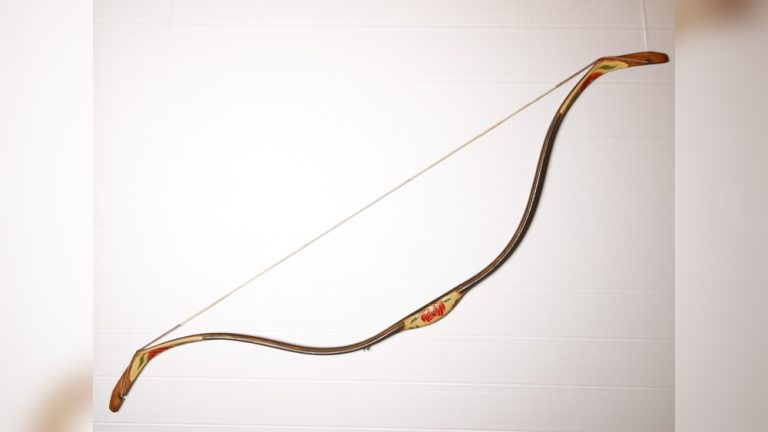
Both recurve and compound bows work well from shore. I lean recurve for pure simplicity and fewer moving parts in mud and rain. I lean compound when a shooter already handles one well and wants a familiar grip and draw cycle.
Most bowfishing bows are designed for 40–50 pounds draw weight. That range works for many beginners because the shot is short and repeat shots matter more than power on paper. I also like bows that can be shot without sights, since shore fish appear fast and angles change by the second.
My first compound was set 10 lb too heavy. For shore bowfishing, I would rather see a smooth, controlled shot than a strained one.
Arrow, fish point, and line setup for compact carry
Bowfishing arrows are built differently from target arrows. Bowfishing arrows are most commonly constructed of five-sixteenths-inch fiberglass. Bowfishing arrows generally lack fletching. That makes sense around water, fish slime, and close shots where durability beats fine tuning.
I like a simple barbed tip or fish point with a secure tethered line attachment. I leave extra accessories at home. On the bank, every protruding piece finds a stem, vine, or clump of grass.
For line, braided nylon, Dacron, and Spectra all show up in working setups. Common bowfishing line weights range from 80 to 400 pound test. I care about visibility too. Bright line is easier to track in low light and easier to clear when it snakes through dead grass.
Retriever-style reel versus hand-wrap for bank fishing
Three types of reels are commonly used in bowfishing. For shore use, the most relevant beginner choices are retriever-style reels and hand-wrap setups. In both systems, the line pays out after the shot, then you pull fish and arrow back by hand or with a quick retrieve.
A retriever-style reel is the easier starting point for most bank shooters. It manages slack better and speeds follow-up. Hand-wrap works when you want the lightest possible carry and the cleanest bow profile, but it asks more from your line handling.
Quick retrieval matters from shore because fish can wrap you around weeds, branches, and dock posts in seconds. Short fight, fast recovery, clear line, next shot.
Polarized glasses and safety gear that actually earn a place in your pack
My compact shore kit is simple: polarized eyewear, a line cutter, a first aid kit, a headlamp or flashlight for low light, and a PFD when I am on unstable water edges, steep riprap, or slick docks. That is enough to cover the failures I actually see.
A headlamp is for walking and tying off, not for blinding the water while you stalk. A line cutter matters more than people think. Tangled line around brush, boots, or fish can go from annoying to unsafe fast.
Choosing the Right Bowfishing Light for Night Shoots
Night bowfishing demands a light that cuts through water and glare without draining your battery. The article bowfishing lights guide breaks down the options by boat setup, water clarity, runtime, and budget, offering quick picks and a side‑by‑side comparison of top models—from budget flood lights to premium LED spotlights. It explains how lumen output, beam spread, and waterproof rating affect visibility and fish recovery, helping you avoid common pitfalls like glare‑induced blind spots or premature power loss. Use this guide to match a light to your specific conditions and keep your night‑time hits consistent.
Choosing Bowfishing Gloves for Wet-Line Grip
Wet bowfishing line slips through bare hands fast, turning accurate shots into misses and leaving fingers raw. Thin, snug synthetic gloves with reinforced palms or finger pads solve this problem by keeping your grip consistent whether you shoot a compound or recurve setup.
Half-finger styles maximize string feel for warm conditions, while full-finger neoprene options add puncture protection and insulation for cold-water outings. Comparing traction materials, cut styles, and boat-specific needs helps you match the right pair to your exact water and rig. A detailed breakdown of top-performing models and a decision table make it easier to dial in bowfishing gloves for grip before your next trip.
Choosing the Right Bowfishing Reel
Understanding the trade‑offs between an open‑face and a closed‑face reel can mean the difference between a clean, fast reload and a tangled, jam‑prone outing. The guide breaks down each design’s speed of line reset, capacity for heavy line, resistance to line pile‑up, and how they perform with wet hands, boat use, and saltwater exposure. It also offers a decision matrix that helps beginners and seasoned anglers match a reel to their specific setup, ensuring fewer missed strikes and smoother recoveries on the water.
For a detailed comparison, see the open face reel analysis.
Choosing the right light for your bowfishing setup
The wrong beam pattern wastes scan time, spooks fish, or creates glare that ruins shots. Bowfishing lights deliver broad coverage suited to larger boats and muddy water, while spotter lights provide a tighter beam ideal for acquiring targets in clearer conditions and planning shorter shots.
Water clarity, boat size, mount height, and typical shot distance all determine which fixture performs better on any given night. This bowfishing light comparison breaks down both options by specific conditions and includes a decision matrix so you can match the correct setup to your exact rig before heading out.
Selecting the Right Rest for Budget Bowfishing Gear
When building a low-cost bowfishing rig, the arrow rest determines whether you land fish or lose gear. The best budget rest picks guide identifies full-containment brush rests as the safest choice for beginners due to their ability to secure heavy arrows and resist saltwater corrosion. This resource breaks down specific models like the AMS Tidal Wave and Trophy Ridge Quick Shot, comparing their performance against your specific shot style and arrow weight.
Choosing the wrong rest leads to arrow bounce-offs and rapid hardware failure. This section helps you match your rest type to your budget setup to ensure reliable containment and durability in marine environments.
Where shore access works best for bowfishing
Pond banks and shallow flats
Pond banks can be one of the easiest places to learn. I can read fish movement, test different angles, and often find carp pushing warm, soft-bottom shallows. Broad flats near inflow pipes or windblown corners are especially good when fish are feeding high in the water column.
Creek edges, ditches, and marsh margins
Creek edges shine when the water is low enough to read. Ditches can be ugly, but ugly water can hold fish because it concentrates movement. Marsh edges are worth the walk when there is a clean outside lane with enough open water for the shot and enough bank to recover the fish.
Spillways, inflows, and current seams
Spillways and inflows stack variables in your favor. Water movement brings oxygen, food, and travel routes. Current seams also give you a predictable crossing point, which helps beginners wait on an angle instead of chasing random movement with the bow.
Places I skip because the bank makes recovery ugly
I skip steep concrete, tall brush walls, loose riprap above deep water, and banks with no line path behind me. I also skip muddy edges where each step sinks and pulls. If a fish would be hard to recover cleanly, I treat that as a bad shot location before I ever draw.
Choosing a budget bowfishing rest for shore setups
A full-containment brush rest with stainless or coated hardware is the safest choice for most budget bowfishing rigs, especially when shooting heavy arrows from uneven shorelines. It prevents arrow bounce-off and resists saltwater corrosion far better than bare metal options. Drop-away rests only make sense if your shot cycle is clean and your setup is already tuned.
Picking the wrong rest leads to rusted components, missed fish, and wasted money. This breakdown compares budget bowfishing rests by shot style, arrow weight, and corrosion risk, covering specific models like the AMS Tidal Wave and Trophy Ridge Quick Shot Whisker Biscuit so you can match the right rest to your bank-fishing conditions.
Choosing a budget bow rest for bowfishing
The right rest keeps heavy bowfishing arrows seated, reduces bounce-off, and holds up better in wet, corrosive conditions. For budget builds, the best choice usually depends on how cleanly your bow is tuned and how much containment you need: full-containment brush rests are the safest all-around pick, while simpler drop-away styles only make sense when your shot is already consistent and your setup is dialed in.
The bowfishing rest guide breaks down low-cost options by durability, corrosion resistance, and arrow support so you can match the rest to your shooting style instead of guessing. That matters because the wrong rest can cost you accuracy, wear out fast, or fail when you need it most.
How far can you shoot fish from shore?
From shore, I usually tell beginners to think in close shots, roughly around 10 yards or less, because shorter range can reduce refraction error, lessen line problems, and make fish recovery cleaner. Yes, farther shots happen, but bank fishing punishes long guesses faster than most new shooters expect.
Realistic shot distance for beginners
Those inside ranges fit how fish actually present from the bank. You are often shooting through weeds, around grass, or from a kneeling stance on uneven ground. Add glare and shallow-angle refraction, and the margin for error shrinks fast.
Why closer shots recover more fish
Close shots hit more cleanly and keep the line straighter on the pullback. That means fewer wrap-ups around reeds and fewer fish digging into bottom junk before you can turn them. Short range also keeps your bow movement smaller, which means fewer spooked fish.
Range limits based on water clarity, bank height, and line control
Water clarity sets how well you read depth. Bank height changes your correction. Line control decides whether the shot stays clean after impact. When any one of those turns poor, my range limit drops fast. Shore bowfishing rewards restraint more than ambition.
How to aim and take better shots from the bank
Aiming low and reading refraction from shore
Refraction makes fish appear higher than they are, so you need to aim low. How low depends on depth and angle. A steeper downward angle usually needs less correction than a flat shot taken from almost water level.
I tell beginners to watch the fish, then the bottom under the fish, then picture the fish sitting lower than it looks. On shallow broadside fish, that visual helps more than any fixed rule.
Broadside, quartering, and moving fish angles
Broadside fish are easiest to read. Quartering fish are tougher because the visible body and the true path diverge. Moving fish ask for one more judgment, where the fish will be when the arrow gets there. On shore, I pass many moving shots unless the path is obvious.
Foot placement, kneeling, and steep-bank adjustments
A stable shooting platform is part of the best beginner bowfishing setup. On shore, that platform is often one boot-length of trust. Square your feet if the bank is flat. If it is not, I like a short stagger and a slight knee bend so I can drop into the shot instead of leaning out over water.
Kneeling helps under overhanging brush and lowers your profile on open banks. It also steadies the shot when the bank is windy or slick.
What to do when fish spook before the release
Let down. That is the whole answer. Fish that flare from your shadow or string movement rarely pause in a way that saves a rushed shot. Clean visual alignment matters. So does patience.
Shore bowfishing decision table by access spot
| Shoreline spot | Visibility | Shot distance | Footing risk | Likely species | Best gear setup |
|---|---|---|---|---|---|
| Pond bank | Good in clear water with polarized glasses; glare can be heavy on calm evenings | Inside 8–12 yards | Low to medium; mud at the edge is common | Carp, buffalo, bowfin where legal | Simple recurve or compound, retriever-style reel, bright braided line, one spare arrow |
| Creek edge | Fair to good; current breaks fish outline less than wind ripple | Close, often under 8–10 yards | Medium; undercut banks and slick clay are common | Gar, carp, bowfin where legal | Compact bow, retriever-style reel, shorter line carry, polarized glasses, line cutter |
| Ditch | Fair; stained water can hide depth | Very close, often quick snap shots | Medium to high; steep sides and trash snags | Carp, gar, rough fish allowed by local rules | Recurve or short compound, hand-wrap or retriever, tough fiberglass arrow, minimal extras |
| Spillway | Good where current seam is readable; foam and glare can interfere | Inside 8–12 yards from safe edge | High; wet concrete and broken rock | Carp, buffalo, gar where legal | Retriever-style reel, bright line, non-slip footwear, PFD if near unstable water |
| Marsh edge | Fair; weed mats and shadows hide fish shape | Short and selective | High; soft ground and hard recovery | Bowfin, carp, gar where legal | Light carry, retriever or hand-wrap, one-arrow setup, headlamp for exit in low light |
Choosing the Right Budget Bowfishing Rest
For anglers building a low‑cost bowfishing rig, the type of arrow rest can make the difference between a clean kill and a missed shot. The guide on the budget bowfishing rest breaks down full‑containment brush rests versus drop‑away models, weighing factors like shot style, arrow weight, and corrosion resistance. It highlights top picks such as the AMS Tidal Wave for overall value and the AMS Channel Cat for salt‑water durability, while also flagging the ultra‑cheap Trophy Ridge Whisker Biscuit. Understanding these options helps you avoid arrow bounce‑off, rust, and wasted fish, ensuring a safer, more successful shore bowfishing experience.
Choosing the Right Budget Bowfishing Rest
This guide evaluates the top budget-friendly bowfishing rests, comparing full‑containment brush rests and drop‑away models based on shot style, arrow weight, and corrosion resistance. It highlights the AMS Tidal Wave as the overall best value, the AMS Channel Cat for superior rust protection, and the Trophy Ridge Quick Shot Whisker Biscuit as the cheapest containment option. Understanding these differences prevents arrow bounce‑off, rust damage, and missed catches, especially in saltwater environments. For a concise rundown of each rest’s strengths and a buying recommendation, see the budget bowfishing rest overview.
Evaluating the Cajun Sucker Punch bowfishing bundle
The Cajun Sucker Punch package delivers a ready-to-fish setup that eliminates the guesswork of sourcing individual components. The real value lies in the complete bundle—reel, rest, arrows, and finger pads—rather than the bow itself, which prevents common beginner mistakes like mismatched parts or missing essentials.
This approach matters for shore bowfishers who need reliable gear immediately without overspending on separate purchases. However, the cost advantage fades quickly if you plan to upgrade or swap components soon after buying. For newcomers testing bank access points, the all-in-one format reduces friction. Weighing the Cajun bowfishing package against your upgrade timeline determines whether the bundle saves money or limits your progression.
Choosing between Muzzy and AMS arrows
The Muzzy versus AMS comparison explains why matching your arrow system to your reel is the single biggest factor in session success. An incorrect fit causes shaft bending and line-feeding issues that waste expensive tips and frustrated shots. This guide breaks down durability, saltwater resistance, and replacement part availability to help you decide which system fits your budget and target species.
Generally, AMS offers a safer, integrated starting point for new bowfishers, while Muzzy serves as a cost-effective backup option if you already know your specific setup. Understanding these core differences prevents costly errors and ensures your gear performs reliably whether you are targeting carp in freshwater or fighting in saltwater.
Picking the right AMS bowfishing reel
A mismatched reel wastes casts, slows retrieval, and makes fish control harder when your bow is under load. The AMS Retriever Pro serves as the safest default for most bowfishers because it delivers fast reset speed and solid line control from a bow-mounted setup. Simpler bottle-style AMS reels work only if you want the most basic operation without extra mechanical complexity.
Choosing between these models depends on your bow fit, target fish size, and skill level. This AMS reel comparison breaks down specs, decision tables, and performance differences—including how AMS setups stack up against spincast reels and which model pairs best with a recurve bow—so you buy the right one the first time.
What fish can you reach from shore when bowfishing?
From shore, you can realistically reach shallow-water fish that cruise edges and flats, especially carp, gar, buffalo, and bowfin where legal. The best chances come when those fish move tight to cover, warm shallows, inflows, or current seams that pull them within close, recoverable range.
Carp, gar, buffalo, and bowfin in shallow water
Common bowfishing targets include carp, gar, buffalo, and bowfin. Those fish make sense for shore access because they often show in water I can actually read and shoot. Species still depend on local regulations, and that changes from state to state and sometimes from water to water.
How season, temperature, and spawn movement change shore chances
Season changes the whole picture. Warm shallows can pull fish tight to the bank. Spawn movement can stack carp and gar in visible water. Other times, the same bank goes blank because fish slide off into deeper water you cannot cover well from shore.
Matching species to water type and bank access
I expect carp and buffalo on pond banks and flats, gar on creek edges and current seams, and bowfin around marshy edges with enough open lanes to shoot. The bank shape matters as much as the species. If access forces a bad angle, I keep walking.
Regulations, safety, and recovery from the bank
Species, season, and equipment rules to check before you go
Bowfishing rules are rarely one simple yes or no. Legal species vary by state. Seasons vary by state. Equipment rules vary too, including what points, reels, or lights are allowed in a given place. I write those down before my first trip and keep them with my license.
Access rules for public banks, canals, and rights-of-way
Public water does not always mean public shooting access. A park bank may allow fishing but bar weapons. A canal road may look open and still be restricted. A right-of-way may allow passage but not stopping to shoot. Check the bank, not just the water.
Line cutters, lights, PFD use, and bank-fall risk
Low light can be productive, but it also hides holes, slick clay, and cut banks. I carry a headlamp or flashlight for movement and recovery. On unstable water edges, I wear or carry a PFD. That is a shore issue people ignore until the bank gives way.
Fish recovery, wounded fish follow-up, and leaving banks clean
From shore, recovery needs to be fast and deliberate. If a fish is hit and moving, clear the line path and stay on it. Do not drag line through brush and hope. Recover fish fully, remove cut line, and pack out every scrap. Bank access disappears when shooters leave a mess behind.
Lighting upgrades for night and low-visibility shoots
Shore bowfishing becomes significantly harder in low light because fish shadows flatten and depth perception drops. A dedicated light kit is only worth the cost if it genuinely improves target clarity and shot consistency. Our guide on the bowfishing light kit worth-it analysis breaks down total setup costs, battery runtime tradeoffs, and necessary lumen counts. It evaluates whether a bow-mounted light or a stationary bank light is better for your specific access spot, ensuring you do not overspend on features that do not actually help you track and hit moving targets from the bank.
Frequently asked questions
Is bowfishing from the bank legal everywhere?
No. Bank access legality and bowfishing legality are separate issues. A shoreline may be public and still ban archery tackle, or the water may allow bowfishing only for certain species, dates, or equipment. I always check species rules, season rules, equipment rules, and site access rules one by one.
What is the best setup for bowfishing in shallow water?
The best shallow-water shore setup is compact and simple: a durable recurve or compound bow in the common 40–50 pound range, one fiberglass arrow with a barbed fish point, a retriever-style reel, bright line, polarized glasses, and a small safety kit. I keep it light and easy to untangle.
Do you need a reel for shore bowfishing?
You need a safe line-management system, and a reel is the easiest one for most beginners. Hand-wrap can work on clean banks with very light carry, but a retriever-style reel usually gives better slack control, quicker recovery, and fewer tangles at your feet after the shot.