Bow Stabilizer Price by Budget: What to Expect
Bow stabilizer price is commonly reported in the $30 to $150 range, and a typical setup may land around $50 to $100 once mount, weights, and shipping are included. Buying the wrong setup can leave you with a bow that still jumps in the hand or a budget that disappears on parts you do not need. This guide breaks down stabilizer cost by hunting use case and total setup cost, so you know what to spend at each budget.
Bow stabilizer basics
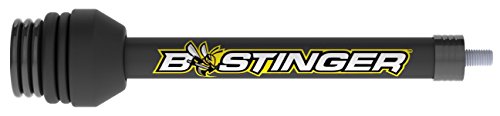
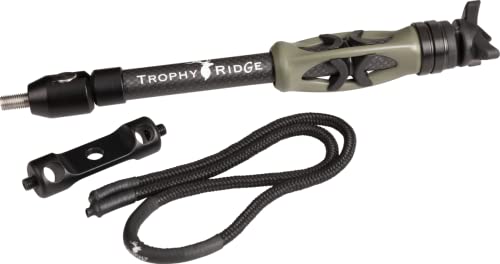
A bow stabilizer changes the bow’s feel after the shot. It calms movement, adds front balance, and can take some sting out of the release. On a compound bow, the main job is control, not raw length. For hunting, that usually means shorter bars and modest weight.
What a stabilizer changes on a hunting bow
A stabilizer does three useful things at once. It adds weight forward of the riser, which helps the bow sit steadier at full draw. It can damp vibration after the shot. It also helps reduce noise, though it will not make a loud bow silent.
That matters more in the field than in a showroom. A bow that holds steady but hangs up on brush is a poor trade for a treestand hunter. A bow that feels light but kicks hard may be less forgiving under pressure.
Short hunting bars versus long target bars
Hunting bars are usually shorter and easier to carry. A common hunting range is 5 to 9 inches, which gives useful front balance without turning the bow into a snag point. Target stabilizers are often longer and heavier, because they are built for balance tuning rather than all-day carry.
The two setups solve different problems. A target setup can help aim stability. It is usually the wrong buy for a hunter who climbs, stalks, kneels, and covers ground.
Bow stabilizer price ladder
Bow stabilizer price changes fast once length, material, weights, and dampers are added. A bare bar may look cheap, but the total setup often grows after the mount and extra weight are included. The ladder below shows what hunters usually get by budget tier, not brand-by-brand noise.
| Budget tier | Typical total cost | What it usually includes | Best fit | Common compromise |
|---|---|---|---|---|
| $20 to $40 | About $30 to $40 after small hardware is added | Short aluminum or rubber-bodied stabilizer, basic rubber damper, light fixed weight or no weight | Beginner, first hunting bow, low-budget buyer | Less tuning range and less vibration control |
| $40 to $70 | About $50 to $80 | Short hunting bar, better damping insert, removable weight, more secure mount | Treestand hunter, general hunting use | Usually not as light or refined as carbon models |
| $70 to $120 | About $85 to $130 | Carbon or higher-grade aluminum bar, stackable weights, better damper, stronger hardware | Spot-and-stalk, higher-end compound bow setup | Costs more once extra weights are added |
| $120 and up | Often $150 or more with weights and mounts | Premium carbon or custom build, tuning accessories, multiple weights, replacement dampers | Hunters who want fine balance tuning or multi-purpose setup | More cost than many hunters need |
$20 to $40: entry-level setups
This tier is for simple front balance and basic shock reduction. It is enough for a first-time bowhunter who wants a steadier hold without chasing small tuning gains. In many cases, the bar is short, the material is basic, and the weight is fixed.
A common first-timer mistake is buying a cheap bar and then adding a separate weight, a better damper, and a new screw set a week later. That can turn a low sticker price into a mid-tier total with no real performance gain.
$40 to $70: common hunting setups
This is the most practical range for many hunting bows. It usually brings better fit, a cleaner mount, and enough weight options to balance a compound bow without making it awkward in a blind or tree stand. For most hunters, this is where value starts to feel real.
At this tier, the setup often includes a better damper and a removable weight, which matters if the bow feels too nose-heavy. It is also where thread fit and accessory compatibility start to matter more, especially with 10/32 hardware on many compound bows.
$70 to $120: higher-end hunting setups
This range makes sense when a hunter wants more than basic damping. Carbon bars and better-machined aluminum bars often sit here, along with more stable balance hardware. The result is usually a cleaner feel at the shot and more control over how the bow sits on target.
That extra money buys tuning range, not magic. If the bow already feels steady and quiet enough, the added cost may do little beyond giving more weight choices and a lighter bar for field carry.
$120 and up: premium and custom setups
Premium setups often pair a higher-grade bar with stacked weights, upgraded dampers, or custom balance parts. They are aimed at hunters who want a very specific feel and are willing to pay for it. That price is more common on advanced builds than on simple hunting rigs.
The hidden cost here is not just the bar. It is the extra hardware that lets the setup behave the way the archer wants. Once those parts are included, the total can move well past the base stabilizer price.
What each price tier buys
Material quality, damping parts, and weight tuning separate one tier from the next. A cheap stabilizer can still do the main job. A pricier one usually offers better fit, more balance control, and less guesswork when the bow is tuned.
Materials and build quality by tier
Carbon usually costs more because it can keep weight down while staying stiff. Aluminum is common because it balances price and durability well. Rubber-bodied parts are often used for damping or as a compact budget option. The guide also notes carbon or ABC plastics among the better stabilizer materials, while rubber remains common in simpler builds.
Material choice affects both carry comfort and balance. A lighter bar may feel better on a long stalk. A heavier aluminum setup may give a more planted feel at anchor.
What weights and dampers are usually included
Basic setups often ship with one fixed weight or none at all. Mid-tier and premium options more often use stackable weights, which lets the hunter tune front balance in small steps. Common weight materials include brass, stainless steel, and tungsten, and tungsten usually raises price the most.
Dampers may be made of gel, sand, or rubber. They sit on or near the bar and help cut noise and shock. That placement matters because the damper works best when it is positioned to absorb movement before it reaches the hand.
Examples in the market show how accessory parts affect cost. One stabilizer weight in tungsten is listed from 3,226 Kč, while a stainless steel black weight is listed from 381 Kč. A damper kit can also be sold on its own, which adds to the final setup total.
What hunters give up at each step
Lower prices usually mean fewer tuning options. Mid-tier setups give better balance without much bulk. Higher-end builds may improve feel and carry weight, but they cost more and may include parts a casual hunter never needs.
The tradeoff is simple. More money buys more control over balance and damping. It does not automatically buy better shooting if the bow is already stable enough for the hunt.
How much does a bow stabilizer cost?
For a hunting bow, a good first setup usually lands in the $50 to $100 range once the bar, mount, and at least one weight or damper are counted. The cheapest workable setup can be lower, but the price often rises once the buyer adds the parts needed to make it feel right.
A bare stabilizer may look affordable on the shelf. The real cost is the full setup. That includes the bar, compatible mounting hardware, and any weight or damper needed to make the bow behave the way the hunter wants.
When the cheapest option is enough
A low-cost stabilizer is enough when the bow is already well balanced and the hunter wants only a little extra steadiness. It also works for a beginner who wants a simple upgrade before spending more on sights, rests, or arrows.
Suppose a hunter uses a short compound bow in a treestand and only wants to reduce hand shock. A modest bar with basic rubber damping may be enough, because carry comfort matters more than a long balance rod.
When paying more starts to make sense
Pay more when the bow feels twitchy at full draw, when the front end wants to tip, or when the shooter wants a cleaner release feel. That is also the point where better weights and a better damper can make the setup more stable without adding awkward bulk.
If the stabilizer must do more than absorb a little shock, the added cost can be worth it. The value comes from fit and tuning range, not from a name on the bar.
What raises stabilizer cost
Several parts push price upward. Carbon costs more than basic aluminum in many cases. Stackable weights cost more than a fixed end cap. Better dampers, tighter threading, and better finish also raise the final total.
Carbon versus aluminum versus rubber construction
Carbon usually sits at the higher end because it can stay stiff with less weight. That helps hunters who want balance without extra bulk. Aluminum is a strong middle-ground choice and often the best value. Rubber parts are cheaper and useful for damping, but they do not usually provide the same balance feel as a bar.
For a hunting rig, carbon is worth the extra money when the hunter wants a lighter front end and is willing to pay for it. Aluminum is often the smarter buy when cost matters more than shaving a little weight.
Extra weights and balance tuning hardware
Weights are one of the biggest hidden costs. Brass, stainless steel, and tungsten all change price quickly as the stack grows. More weight is not always better; it only helps if the bow holds steadier without becoming nose-heavy.
Balance hardware can also mean side bars, brackets, or larger mounting pieces on some rigs. Those parts are more common on target setups, but some hunters add them when they want a very specific front feel.
Dampers, mounts, and thread compatibility
Thread size matters. Many compound bow stabilizers use 10/32 threading, so the stabilizer and screw fit must match the bow accessory mount. If the fit is wrong, the buyer may need adapter hardware, and that adds cost and another point of failure.
Damper parts also have replacement costs. A rubber insert, gel piece, or kit may wear over time, especially on a bow that is carried often. That is another reason the cheapest setup can become a false economy.
Hunting stabilizer price chart
This price chart turns the budget tiers into hunting use cases. It shows what each tier fits, what the total setup usually looks like, and what hunters give up if they stop at that level. It is the fastest way to compare price against actual field use.
| Tier | Typical total setup | Hunting scenario | Included features | Most common compromise |
|---|---|---|---|---|
| Entry-level | $30 to $40 | Beginner or low-budget hunter | Short bar, basic damper, simple weight | Less tuning range |
| Core hunting | $50 to $80 | Treestand bowhunter | Better mount, removable weight, improved damping | Less refinement than premium carbon |
| Higher-end hunting | $85 to $130 | Spot-and-stalk hunter | Carbon or premium aluminum, stackable weights, stronger fit | More parts to pay for |
| Premium build | $150 and up | Advanced compound bow setup | Custom balance parts, premium damper, multiple weights | Cost rises faster than practical benefit |
Scenario fit for treestand, spot-and-stalk, and beginners
Treestand hunters often benefit from a short, medium-weight setup that does not catch brush or rail edges. Spot-and-stalk hunters usually want the lightest practical option because the bow is carried more. Beginners often need the simplest setup that is compatible and quiet, not the most expensive one.
Picture a spot-and-stalk hunter carrying a compound bow through thick cover. A 9-inch target-style stabilizer would be awkward. A 6- to 8-inch hunting bar with a modest weight is usually the better fit.
Most common compromise at each tier
At the low end, the compromise is limited balance control. In the middle, it is less refinement than premium carbon. At the top, the compromise is cost, plus the extra time needed to tune the bow around the added hardware.
A cheap stabilizer is fine when the bow only needs basic front balance. It becomes poor value when the hunter keeps adding parts to fix problems the first purchase did not solve.
Do you need a short or long stabilizer for hunting?
For hunting, a short stabilizer is usually the better starting point. The common 5 to 9 inch range gives enough front balance for a compound bow while staying manageable in blinds, tree stands, and brush. Long bars can steady a bow more, but they are harder to carry and easier to bump.
5 to 9 inch length range for field carry
This range fits most hunting jobs because it keeps the bow usable in tight spaces. A short bar also makes the bow easier to sling, pack, and draw without snagging on gear. That carry comfort matters as much as the shot itself for many hunters.
A good rule of thumb is to start shorter when the hunt involves movement, and longer only when the bow will spend most of its time at the shot. That is why target bars are not the default answer for hunters.
Front balance without making the bow awkward
The goal is front balance, not front heaviness. A bow should settle at full draw without pulling the shooter forward. If it feels like the front end is dragging, the stabilizer is too heavy or too long for the job.
When a target setup is the wrong buy
A target stabilizer is the wrong buy when the bow must be carried far, moved through cover, or handled in a stand. Those setups are longer and heavier by design. They are built for balance tuning and accuracy-focused use, not for long carry comfort.
If a hunter wants a setup that can stay on the bow all season, the hunting-specific bar is the safer choice. A target build may feel great at the line and miserable in the woods.
Frequently asked questions
What is a good price for a hunting bow stabilizer?
A good price for a hunting bow stabilizer is usually the range where the setup includes a solid bar, a compatible mount, and at least one useful damping or balance part. For many hunters, that means the mid-range rather than the cheapest option, because total cost matters more than sticker price.
Are carbon bow stabilizers worth the extra money?
Carbon bow stabilizers are worth the extra money when the hunter wants less front-end weight and a lighter carry feel. They are less convincing when the bow already balances well or when budget matters more than shaving ounces. In that case, a good aluminum setup is often the smarter buy.
What features make a stabilizer more expensive?
Price rises with carbon construction, better machining, stackable weights, stronger dampers, and better mounting hardware. Thread fit also matters, because poor compatibility can force the buyer into adapters. The expensive part is usually not the bar alone, but the tuning pieces that go with it.
Can a stabilizer reduce noise and vibration enough to matter in the field?
Yes, but only to a point. A stabilizer can reduce bow movement, vibration, and some noise after the shot, which matters in the field when the bow feels harsh or jumpy. It will not fix major tuning issues, and it will not make a loud bow quiet on its own.