Why Switch to Traditional Archery: Top Benefits Explained
The world of archery has changed greatly over the last century. Modern bows, full of cams, sights, and stabilizers, promise accuracy and power. Yet, a growing number of archers are returning to the roots of the sport. They are choosing traditional archery, using simple bows and arrows, often made of natural materials, with no high-tech add-ons.
Why are so many people making this switch? The answer is not simple. For some, traditional archery is about feeling connected to history. For others, it offers a unique mental and physical challenge. This article explores the main reasons why archers, both new and experienced, are moving to traditional archery.
If you’re considering trying a longbow or recurve, this guide will help you understand what makes traditional archery special, and why it might be the right path for you.
What Is Traditional Archery?
Before looking at the reasons for switching, it’s important to know what “traditional archery” means. Traditional archery uses bows without mechanical aids. This includes longbows, recurve bows, and sometimes flatbows. The archer usually shoots with bare fingers, without sights or stabilizers. Arrows are often wooden or carbon, feather-fletched, and sometimes handmade.
Traditional archery focuses on instinctive shooting. This means you aim using your eyes and body, not a sight or scope. Each shot depends on your skill, feel, and practice.
The Deep Connection: History And Heritage
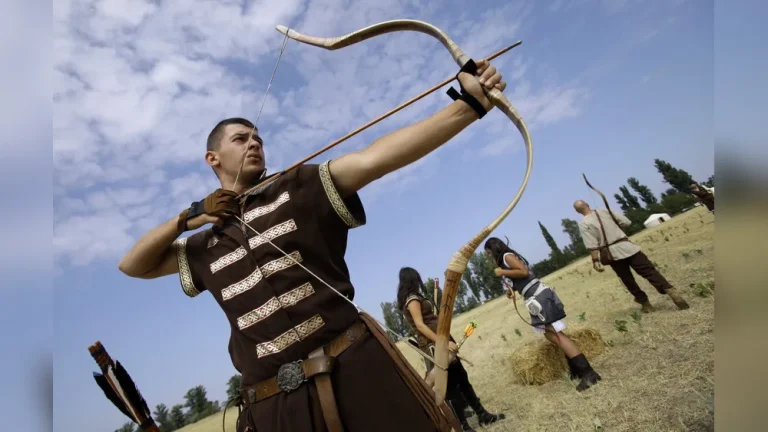
One major reason people choose traditional archery is the sense of history. Shooting a simple bow feels like stepping back in time. People have used bows for hunting, war, and sport for thousands of years. When you draw a longbow, you are repeating a movement made by ancient hunters and legendary archers.
Many enthusiasts feel that traditional archery brings them closer to cultures around the world. From the English longbowmen of the Middle Ages to Native American hunters and Mongolian horse archers, the bow has a rich story. Practicing traditional archery helps you connect with this heritage in a way that modern equipment cannot match.
Pro Tip: If you want to learn about traditional bows from different cultures, visit museums or join local archery history groups. This adds depth to your experience and helps you appreciate the craft.
Simplicity And Purity: The Joy Of Less
Modern compound bows have many parts: sights, releases, stabilizers, cams, and pulleys. Each part serves a purpose, but can also create problems. Equipment may break, need tuning, or distract you from shooting. Traditional archery, by contrast, is about simplicity.
With a traditional bow, you focus on your form, breathing, and release. There are fewer things to go wrong. Many archers find this “less is more” approach refreshing. The bow becomes an extension of your body, not a machine to operate.
This simplicity makes traditional archery more portable. You can take a longbow into the woods, on a hike, or to a field with no extra gear. It’s easy to maintain and rarely needs repairs.
Building Real Skill: Instinctive Shooting
Traditional archery is often called a “shooter’s sport”. Success depends on your body and mind, not gadgets. You must practice to hit your target. There are no peep sights or rangefinders. Instead, you develop “instinctive aiming”, using your eyes, memory, and muscle control.
At first, this can be challenging. Many beginners miss often, and the learning curve feels steep. But over time, your brain learns the exact angle, draw, and release. When you hit the mark, it feels satisfying because you know it was your skill, not technology, that made it happen.
This process improves your hand-eye coordination and focus. It also develops patience, discipline, and the ability to stay calm under pressure, skills that help in other parts of life, too.
A Mindful Practice: Focus And Stress Relief
Shooting a traditional bow demands your full attention. You can’t rush the shot or let your mind wander. Each arrow requires you to focus on your stance, breathing, and the target. This kind of activity is similar to mindfulness meditation.
Many archers say traditional shooting helps them relax after a long day. The steady rhythm of nocking, drawing, and releasing arrows calms the mind. It’s a way to escape screens, noise, and stress. The quiet “thump” of the string and the flight of the arrow draw you into the present moment.
Researchers have shown that activities requiring full concentration, like archery, can lower stress and boost your mood. Traditional archery offers these benefits naturally, without the need for apps or technology.
Physical Benefits: Strength, Fitness, And Health
Traditional archery is a full-body workout. Drawing a 40-pound recurve bow uses your back, arms, core, and even legs. Unlike compound bows, which “let off” much of the weight at full draw, traditional bows require you to hold and control the full draw weight.
Here are some physical benefits you may notice:
- Improved upper body strength (shoulders, back, arms)
- Better core stability
- Increased flexibility
- Enhanced coordination and balance
Because you must hold the draw weight and control the shot, traditional archery can also burn more calories than shooting a compound bow. Over time, regular practice can lead to better posture and muscle tone.
Example: After switching to a recurve bow, I noticed my back and shoulder muscles became stronger within a few months. The difference was clear, especially when doing other sports.
Cost And Accessibility: Affordable For Most People
Modern compound bows and accessories can be expensive. A high-end setup may cost over $1,000, not including upgrades or maintenance. Traditional bows, by contrast, are often more affordable.
A simple wooden longbow or recurve can cost as little as $100, $300. Arrows, gloves, and a basic quiver add a bit more. Because traditional bows have fewer parts, they are also cheaper to maintain. You don’t need to buy or replace high-tech components.
For those who want to try archery without spending much, traditional gear offers a low barrier to entry. You can even make your own arrows or bows, adding a DIY aspect that many people find rewarding.
The Challenge And Reward: Mastery Over Technology
Traditional archery is not about easy success. In fact, it is often harder than shooting with modern equipment. Many archers switch because they want a deeper challenge.
Every improvement comes from practice and study. There are no shortcuts. When you finally hit the bullseye, it means more because you earned it. This makes traditional archery highly rewarding, even if progress is slow.
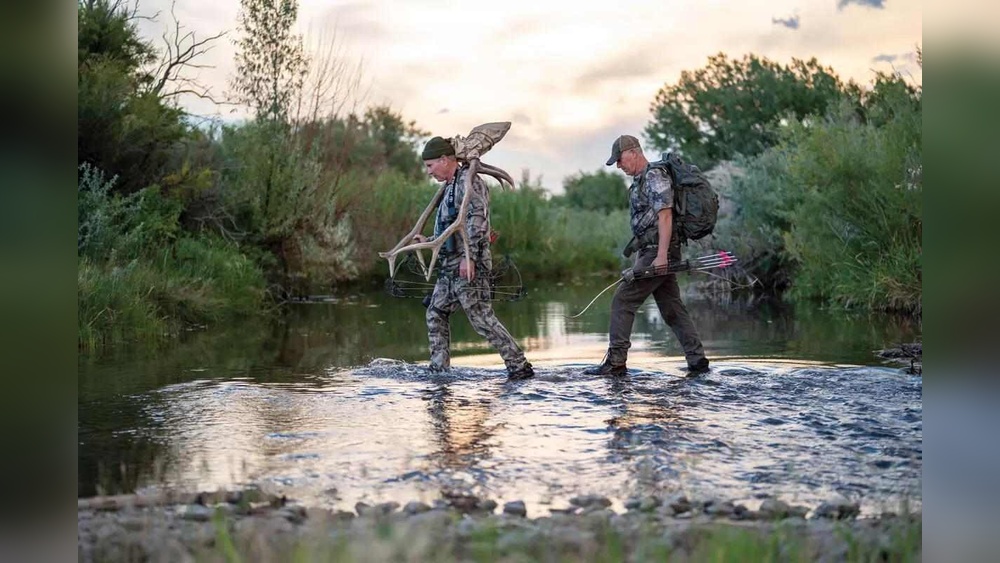
For hunters, the challenge goes further. You must get closer to your prey, move quietly, and shoot accurately without sights or rangefinders. This raises your skills as a hunter and deepens your respect for wildlife.
Community And Tradition: Joining A Unique Group
Switching to traditional archery opens doors to a unique community. Many clubs and organizations focus on primitive archery, historical events, and bow-making. These groups welcome new members and often share tips, stories, and resources.
Traditional archers often help each other, swap gear, and teach newcomers. Events like Renaissance fairs, historical reenactments, and 3D target shoots bring people together. You may find friends who share your love of history, craft, and outdoor adventure.
Comparing Traditional And Modern Archery
To help you see the main differences, here’s a comparison between traditional and modern compound archery:
| Feature | Traditional Archery | Modern Compound Archery |
|---|---|---|
| Equipment | Simple bows, no sights, natural materials | Complex bows, sights, stabilizers, cams |
| Shooting Style | Instinctive, bare fingers | Mechanical release, peep sight, trigger |
| Cost | Lower initial and maintenance cost | Higher cost, more upgrades needed |
| Learning Curve | Steep, skill-based | Easier with tech aids |
| Maintenance | Simple, few repairs | Regular tuning, part replacements |
Environmental Impact And Sustainability
Traditional archery often uses natural materials like wood, leather, and feathers. Many archers prefer to support local bowyers (bow makers) and fletchers (arrow makers). This reduces the environmental impact compared to mass-produced, synthetic equipment.
Because traditional bows last for decades with care, they create less waste. Archers often repair or repurpose old gear instead of throwing it away. For those who value sustainability, traditional archery fits a lifestyle of mindful consumption.
The Craft Of Bow-making And Arrow-making
One unique part of traditional archery is the chance to make your own equipment. Many archers build their own bows or arrows, following ancient designs and using hand tools. This craft brings a new layer of satisfaction.
Building a bow or arrow helps you understand the materials and physics behind each shot. It also connects you to a long human tradition of craftsmanship. Even if you don’t want to build your own gear, learning how your equipment is made can deepen your appreciation for the sport.
Common Myths About Traditional Archery
Some people believe traditional archery is just for experts or history fans. Others think it is too hard to learn or less accurate than modern styles. In reality, anyone can start traditional archery with patience and guidance.
Here are some myths, and the truth behind them:
1. “traditional Bows Are Not Accurate.”
With practice, traditional bows can be very accurate. Many archers can hit small targets at 20, 30 yards.
2. “it’s Only For Old-fashioned People.”
Traditional archery is growing among young archers, especially those interested in outdoor skills or historical crafts.
3. “you Need To Be Very Strong.”
Bows come in many draw weights. Beginners can start with a light bow and work up as they gain strength.
4. “you Can’t Hunt With Traditional Bows.”
Many hunters use traditional bows successfully. However, it does require more skill and practice than hunting with compounds or firearms.
What Beginners Usually Miss
Many beginners focus only on the physical challenge. They may overlook the mental side of traditional archery. Consistency, calmness, and focus are just as important as muscle strength.
Another common oversight: the importance of proper form. Without a coach or mentor, it’s easy to develop bad habits that limit progress. Joining a club, taking lessons, or filming your shooting for feedback can make a big difference.

Credit: www.usarchery.org
Getting Started: What You Need
Switching to traditional archery doesn’t require a lot of gear. Here’s what you’ll need:
- Bow: Longbow or recurve (20, 40 lbs draw weight for most adults)
- Arrows: Wood, carbon, or aluminum (matched to your draw length and bow weight)
- Finger tab or glove: Protects your fingers during release
- Armguard: Prevents string slap on your forearm
- Quiver: Holds your arrows
Optional: String wax, fletching jig (for making arrows), bow stringer.
It’s best to visit a local archery shop and try different bows before buying. Staff can help you choose the right size and type for your body and goals.
Progress And Practice: What To Expect
At first, you may find traditional archery difficult. Hitting the target is harder without sights. Don’t get discouraged. Progress may be slow, but each improvement is real.
Set small goals: hitting the target at 10 yards, grouping arrows closely, or improving your anchor point. Celebrate each step. Over time, you’ll notice your confidence, strength, and focus growing.
In my experience, keeping a shooting journal helps track your improvement. Write down what works and what doesn’t. This helps you spot patterns and fix mistakes faster.
Credit: www.3riversarchery.com
Traditional Archery In Pop Culture
Traditional archery has a strong place in movies, books, and games. Characters like Robin Hood, Katniss Everdeen, and Legolas have inspired millions to pick up a bow. These stories show the skill, courage, and adventure linked to archery.
While movies often show “perfect” shots, real traditional archery takes effort and practice. Still, many clubs and events use these stories to attract new archers and build excitement around the sport.
Traditional Archery Competitions And Events
All over the world, you’ll find tournaments, festivals, and historical reenactments for traditional archers. Some popular event types include:
- Field archery: Shooting at targets placed in forests or fields
- 3D archery: Aiming at life-sized animal models
- Clout shooting: Shooting at long distances for accuracy
- Historical events: Using period-correct clothing and gear
These events welcome all skill levels. They are a great way to learn, make friends, and test your abilities in a fun setting.

Credit: www.youtube.com
Key Differences In Skill Development
Traditional archery builds different skills compared to modern archery. Here’s a summary:
| Skill Area | Traditional Archery | Modern Archery |
|---|---|---|
| Aiming | Instinctive, body-based | Sight-based, technical |
| Release | Fingers, smooth draw | Mechanical release device |
| Physical Demand | High (full draw weight held) | Lower (let-off at full draw) |
| Equipment Tuning | Simple, quick changes | Complex, more adjustments |
| Learning Focus | Form, consistency, feel | Gear setup, fine-tuning |
Safety And Responsibility
While traditional bows are simpler, safety is still crucial. Always shoot in a safe area, with a clear backstop behind your target. Wear an armguard and check your bow and arrows for damage before each session.
If you hunt, learn and follow all local laws and ethical guidelines. Practice until you can make clean, accurate shots. Responsible archery protects you, others, and the reputation of the sport.