What is Traditional Archery? A Complete Beginner’s Guide
Traditional archery is more than just shooting arrows. It’s an ancient art, a physical skill, and for many, a way to connect with history. Unlike modern archery, which uses advanced technology and complex equipment, traditional archery focuses on simplicity, instinct, and craftsmanship.
Whether you’re curious about the basics, looking to start, or want to understand its appeal, this guide will help you see traditional archery with clear eyes and practical advice.
What Defines Traditional Archery?
The heart of traditional archery lies in its tools and methods. Archers use simple bows, often made of wood, bamboo, or other natural materials, and arrows crafted without modern features like plastic vanes or mechanical releases. The shooter relies on their own skill and senses, not gadgets or sights.
Most traditional archers use either the longbow or recurve bow. These bows have no pulleys, cams, or let-off (features found in compound bows). Instinctive shooting is common: you aim by feel, not with pins or scopes.
Traditional archery is often linked to history, folklore, and outdoor sports. It’s practiced for hunting, target shooting, and sometimes even ceremonial purposes. For many, it’s about enjoying the process rather than chasing high scores.
The History Of Traditional Archery
The roots of archery stretch back thousands of years. Early humans used bows for survival, hunting and self-defense. Archaeologists have found evidence of arrowheads in Africa dating back over 60,000 years.
Ancient Civilizations And Archery
Civilizations like Egypt, Assyria, and China all used archery in warfare and hunting. The English longbow became legendary during the Middle Ages, especially in battles like Agincourt. In Asia, the Mongols and Japanese samurai had their own unique archery styles and traditions.
The Decline And Revival
With the invention of firearms, archery lost its military importance. However, archery remained a sport and a tradition. The late 19th and early 20th centuries saw a revival, especially in Europe and North America, where archery clubs and competitions brought the art back into the public eye.
Pro Tip: Understanding the history helps you appreciate why traditional archery feels so different from modern versions. It’s not just about shooting, it’s about connecting with ancient skills.

Credit: www.bowhunter.com
Types Of Traditional Bows
The bow is the centerpiece of traditional archery. There are several main types, each with its own feel and history.
| Bow Type | Main Features | Common Uses |
|---|---|---|
| Longbow | Simple, tall, D-shaped, made from a single piece of wood | Historical reenactment, target shooting, hunting |
| Recurve Bow | Curved tips, more power and speed, often composite materials | Target shooting, hunting, Olympic archery (with modern modifications) |
| Flatbow | Wide limbs, flat cross-section, efficient energy transfer | Target shooting, historical use |
| Horsebow | Short, highly recurved, designed for shooting from horseback | Mounted archery, historical Asian and Middle Eastern use |
Longbow
The longbow is a classic. It’s tall (often as tall as the archer), has a simple shape, and is usually made from yew, ash, or other hardwoods. English longbows were famous for their power and range.
Recurve Bow
The recurve bow is shorter, and its tips curve away from the archer. This design stores more energy, giving arrows greater speed. Many cultures, like the Mongols and Greeks, used recurve bows for both hunting and war.
Flatbow
Less common than the others, the flatbow has wide limbs and a flat cross-section. It’s efficient and easy to shoot, but not as famous as the longbow or recurve.
Horsebow
The horsebow is designed for mounted archery. It’s short, light, and highly recurved, making it easy to use on horseback. This type is popular in Asian and Middle Eastern history.
Traditional Arrows And Materials
Traditional arrows are simple but carefully made. They usually have wooden shafts, feather fletchings, and metal, stone, or bone tips. The quality of materials affects flight and accuracy.
Arrow Components
- Shaft: Usually made of cedar, pine, or bamboo. Wood is flexible and absorbs shock.
- Fletching: Feathers (often turkey or goose) stabilize the arrow in flight.
- Nock: A small groove at the end, where the string fits.
- Tip: Can be broadheads for hunting, or field points for target shooting.
Example: In my experience, cedar shafts are popular because they are straight, strong, and easy to work with. However, bamboo can be lighter and sometimes more durable.
Pro Tip: Beginners often overlook the importance of straight, well-matched arrows. Even a small warp in the shaft can cause big accuracy problems.
Shooting Techniques In Traditional Archery
Unlike modern archery, traditional archers often shoot instinctively. This means they rely on muscle memory and feel, rather than sights or gadgets.
Instinctive Shooting
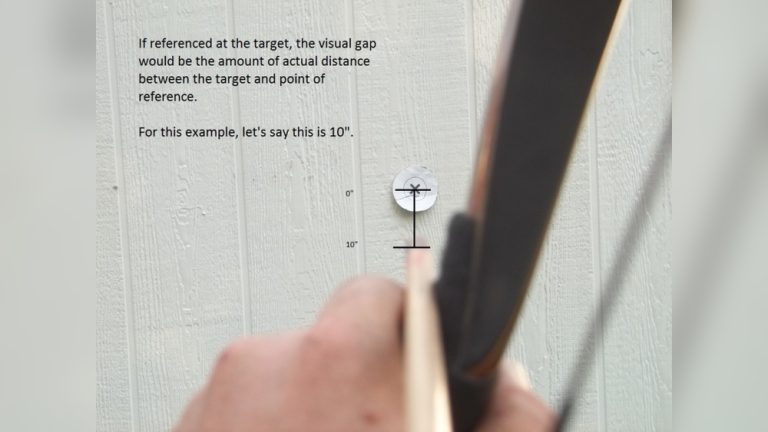
Instinctive shooting is about training your eyes and hands to work together. You look at the target, draw the bow, and release without aiming through a device. Over time, your brain learns the right trajectory.
Mediterranean Draw Vs. Thumb Draw
There are several ways to draw a bow:
- Mediterranean Draw: The most common in Europe and America. You use three fingers, index above the arrow, middle and ring below.
- Thumb Draw: Common in Asia and the Middle East. You hook your thumb around the string and support it with your fingers.
| Draw Method | Regions Used | Benefits |
|---|---|---|
| Mediterranean Draw | Europe, North America | Easy to learn, comfortable for most archers |
| Thumb Draw | Asia, Middle East | Faster release, good for short bows |
Anchor Points
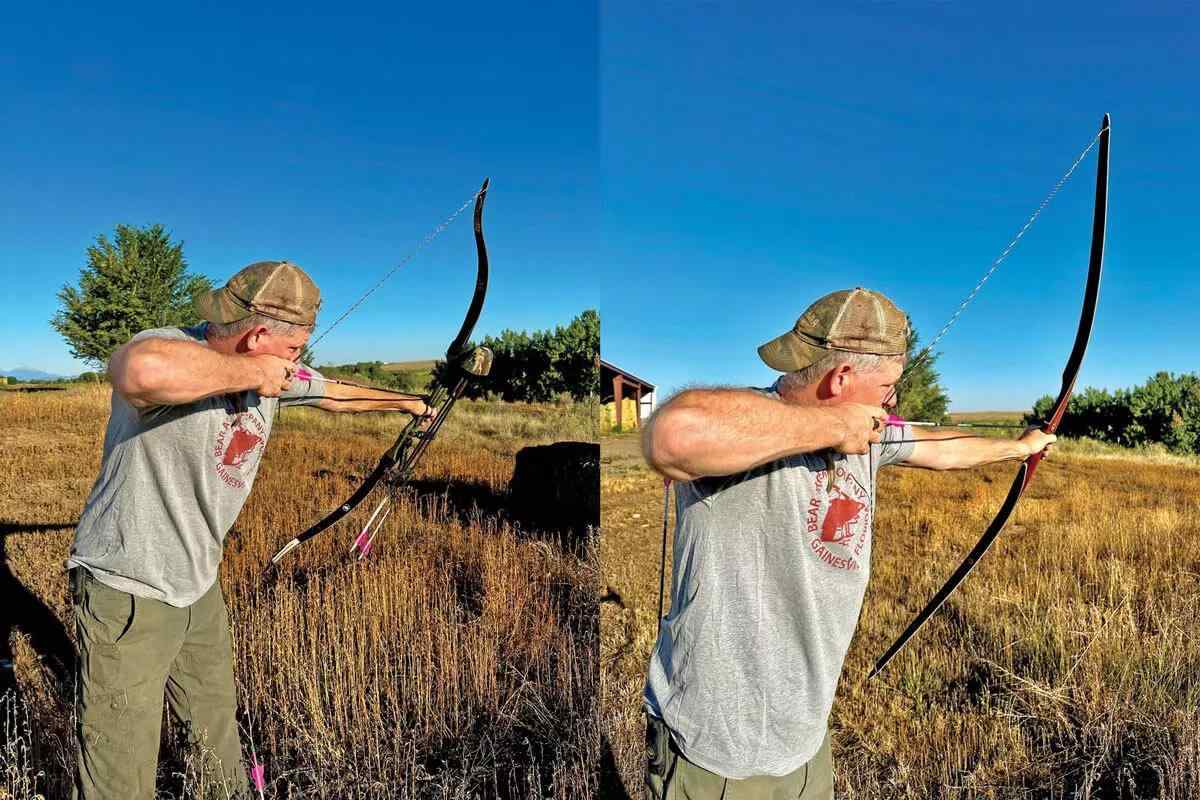
An anchor point is where your hand comes to rest when you draw the bow. For consistency, traditional archers use the corner of the mouth, cheekbone, or jawline. A steady anchor helps with accuracy.
Equipment Differences: Traditional Vs. Modern Archery
Traditional archery stands apart from modern archery in both philosophy and equipment. Here’s a clear look at the differences:
| Feature | Traditional Archery | Modern Archery |
|---|---|---|
| Bows | Wood, simple designs, no cams or let-off | Compound bows, advanced materials, cams |
| Arrows | Wood shafts, feather fletching | Carbon/aluminum shafts, plastic vanes |
| Aiming | Instinctive, no sights | Scopes, pins, peep sights |
| Release | Fingers, glove or tab | Mechanical release aids |
| Philosophy | Focus on skill, tradition | Focus on accuracy, technology |
Pro Tip: Many beginners think technology is always better. But traditional archery builds skills that last, even if you switch to modern equipment later.
Credit: www.bowhunter.com
The Culture And Community Of Traditional Archery
Traditional archery has a rich culture. People around the world come together to practice, share, and celebrate the art.
Clubs And Events
Many cities and towns have archery clubs. Some focus only on traditional archery, teaching skills and hosting shoots. Events like Rendezvous or primitive shoots invite archers to dress in period costume and use period equipment.
Historical Reenactment
Historical reenactors use traditional bows to recreate famous battles or hunting scenes. This adds depth to the experience, letting people live history instead of just reading about it.
Online Resources
There are forums, YouTube channels, and websites dedicated to traditional archery. These help beginners learn, get advice, and find others with similar interests. One useful resource is Wikipedia.
Benefits Of Practicing Traditional Archery
Traditional archery offers unique rewards. It’s not just about hitting targets, there are deeper benefits.
Physical And Mental Exercise
Archery builds upper body strength, especially in the shoulders, back, and arms. It also sharpens concentration and patience. Because you aim by feel, your brain learns to judge distance and angle without relying on gadgets.
Stress Relief
Shooting a bow is calming. You focus on each shot, forget other worries, and enjoy the rhythm. Many archers say it helps them unwind after a busy day.
Connection To Nature
Traditional archery is often practiced outdoors. Whether you’re hunting or just shooting targets, you spend time in nature, notice wildlife, and feel more connected.
Skill Development
You learn to craft arrows, tune bows, and solve problems. These hands-on skills are rare today, but valuable.
Example: When I tested my first handmade arrows, I learned quickly that small changes in the fletching made a big difference in flight. It taught me patience and careful observation.

Credit: www.gameandfishmag.com
Challenges And Common Mistakes
Traditional archery is rewarding but can be frustrating at first. Here are some common challenges:
Equipment Selection
Choosing the right bow is tricky. Many beginners pick a bow that’s too heavy. Start with a lower draw weight and move up as you get stronger.
Arrow Matching
Arrows must match your bow. Too stiff or too light, and they won’t fly straight. Beginners often buy cheap arrows without checking spine or length.
Inconsistent Anchor Point
If your anchor point moves, your shots scatter. Practice drawing to the same spot each time.
Over-gripping The Bow
Holding the bow too tightly can twist it and ruin your shot. Use a relaxed grip.
Not Practicing Enough
Traditional archery needs regular practice. Unlike shooting with sights, your body must learn the right motion. Don’t expect instant results.
Pro Tip: Don’t compare yourself to modern archers or chase high scores right away. Focus on form and enjoyment.
Getting Started: Practical Steps
If you want to try traditional archery, here’s how to begin:
- Find a local club or instructor. Hands-on help is the fastest way to learn.
- Choose a starter bow. Look for a light draw weight (20, 30 lbs is good for most adults).
- Buy matched arrows. Ask for advice so your arrows suit your bow.
- Get basic accessories. A glove or tab protects your fingers; a simple armguard keeps your forearm safe.
- Practice regularly. Short, frequent sessions are better than long, rare ones.
Example: When I started, I practiced at a club once a week. I improved faster than friends who tried to learn alone.
Traditional Archery In Hunting
Traditional archery has a strong link to hunting. Many hunters prefer it because it requires skill, patience, and respect for nature.
Ethical Hunting
Hunters use broadhead arrows, aim for vital organs, and try to make clean, quick kills. Hunting with a traditional bow means getting close to the animal, which is harder but more ethical.
Legal Considerations
Laws vary by state and country. Always check regulations before hunting. Some places require minimum draw weights or special permits.
Safety In Traditional Archery
Safety is crucial. Bows and arrows are not toys. Here’s what you need to know:
- Always point the bow and arrow away from people.
- Check equipment for cracks or damage before shooting.
- Use a clear shooting lane and backstop.
- Wear an armguard and finger protection.
Pro Tip: Many accidents happen when someone tries to retrieve arrows before others have finished shooting. Always wait for a clear signal.
Maintaining Traditional Equipment
Traditional equipment needs care. Unlike modern bows, wood and natural materials can warp, crack, or degrade.
Bow Maintenance
Keep bows dry and away from extreme heat. Oil wooden bows occasionally. Check for cracks before each session.
Arrow Care
Store arrows flat, not upright. Replace damaged fletchings and tips. Feathers can get wet and lose shape, dry them gently.
The Future Of Traditional Archery
Traditional archery is growing. More people want to escape screens and busy life, choosing activities that demand focus and patience. Clubs and online groups make it easier to find help and share experiences.
Many archers combine traditional and modern styles, switching between bows for different purposes. As interest rises, new bowyers and craftsmen are creating unique, handmade equipment.
Frequently Asked Questions
What Age Is Best To Start Traditional Archery?
Children as young as six can start with light bows under supervision. Adults of any age can learn. The key is matching the bow’s draw weight to the archer’s strength.
Is Traditional Archery Expensive?
Basic equipment is affordable compared to modern archery. A starter bow and arrows may cost $100, $200. Handmade, custom bows can be much more. Joining a club often reduces costs, as you can try equipment before buying.
Can Traditional Archery Help With Focus Or Mental Health?
Yes. Many archers report better concentration, stress reduction, and a sense of calm from regular practice. The focus on form and rhythm helps quiet the mind.
Are There Competitions For Traditional Archery?
There are many competitions, from local club shoots to national events. Rules often require traditional bows and arrows, no sights or aids. Some events include historical reenactments or themed shoots.
How Do I Know If My Arrows Are Matched To My Bow?
Arrow matching depends on spine (stiffness), length, and tip weight. Ask an experienced archer or shop for help. Poorly matched arrows won’t fly straight and can be unsafe.
Traditional archery is a rewarding journey. It connects you with history, teaches valuable skills