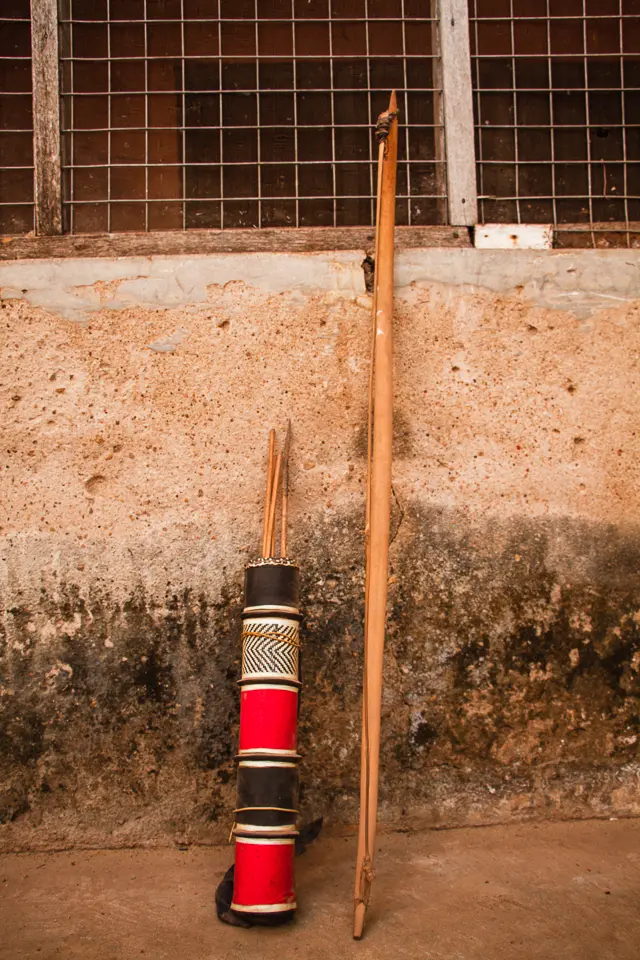
Bow case vs hard case: protect your hunting setup fast
Choose a soft bow case for truck, ATV/UTV, walk-in, and camp storage, and buy a hard case only for airline travel or any trip where crushing and hard impact are likely. A bad choice bends sights, shifts cams, breaks rests, or kills a hunt. I’ll map the right case to each travel type and show what I pack inside.
| Decision factor | Bow case | hard case: how to protect your hunting setup | Winner |
|---|---|---|---|
| Carry comfort | Lighter, usually 4-8 lbs, easier on long walks and truck-to-stand moves. | Heavier, usually 12-18 lbs empty, bulkier through parking lots and airports. | Bow case |
| Crush and impact protection | Good for scratches and light bumps, but softer walls can flex under load. | Rigid shell with foam gives better crush resistance and impact protection. | Hard case |
| Airline travel | Poor choice for checked baggage. | Preferred for flying because air travel means tossing, stacking, flipping, and dropping. | Hard case |
| Setup flexibility | Better for shorter rigs and quick packing. | Better for bows with more accessories if the internal fit is right. | Tie |
Bow case vs hard case: which one fits your hunt?
The real choice is carry comfort versus crush protection. If the bow stays close to home and the worst abuse is a truck ride, a soft bow case usually makes more sense. If the bow gets checked, stacked, or bounced around, the hard case earns its weight fast.
What damage each case type actually prevents
A soft bow case mainly blocks scratches, dust, and light scuffs. A hard case adds a rigid shell that helps against crushing, edge impacts, and rough baggage handling. That matters because air travel exposes a bow to tossing, stacking, flipping, and dropping, and nearly 25 million pieces of baggage are mishandled each year.
How I choose by transport scenario
I start with the transport path, not the logo. A bow that rides in a truck cab and comes straight into camp does not need the same protection as one checked at the counter, then loaded by strangers, then thrown onto a cart.
How I choose by transport scenario

Truck-only trips usually favor a soft case unless the bow also lives in the truck bed. ATV and UTV rides add vibration and sudden hits, so I want more structure there. For airline travel, I stop debating and use a hard case.
Truck-only hunts
For truck cab transport, a soft case is usually enough if the bow is not buried under other gear. If the bow rides in the truck bed, I move toward a hard case because crushed limbs and bent sights cost more than the upgrade.
ATV/UTV and rough access roads
ATV and UTV travel shakes everything loose. That movement turns loose accessories into contact points, so a hard case or a very stiff soft case with tight internal tie-downs is the safer call when the ride is rough and the route gets ugly.
Walk-in hunts and short carries
For short walk-ins, I like a soft bow case because the lighter weight matters when I am already carrying a pack, layers, and water. It is a practical trade when the bow is protected from direct hits and not getting crushed under other load.
Multi-day camp storage
At camp, the bow may sit in a truck, tent, cabin corner, or gear room. That is where case quality matters as much as case type. A hard case gives better sleep if the bow is stacked under duffels, boots, or coolers.
Airline travel and checked baggage
For flying, I use a hard case and I’d want a TSA-approved lock attached on the outside. Soft cases are a poor choice for checked baggage because the bow is exposed to rough handling, and a good hard-side case is the safer pick according to storage guidance I trust.
How much protection does a soft bow case actually give?
A soft bow case protects well against dirt, scratches, and light knocks, but it does not stop a heavy load from pressing into cams or sights. In plain terms, it is a carry solution first and a crush solution second. That is why I use it for lower-risk transport only.
Where soft cases hold up well
Soft cases work best for truck-to-stand transport, short walk-ins, and controlled storage in a cabin or truck cab. Quality soft cases are lighter, typically 4-8 lbs, so they are easier to carry when the day already feels long.
Where soft cases fail
The failure mode is pressure, not just impact. If the bow presses against a riser, sight housing, or cam, the case can let the load transfer straight into the bow. Free-floating gear inside is another problem, because it can shift and create scratches or hard contact points.
Best use cases for a soft case
I would choose a soft case for a bow that lives in a truck cab, rides to a local stand, or gets carried a short distance into camp. It is a smart choice when the setup stays out of crush risk and the trip does not involve baggage handling.
Will a hard bow case fit my compound bow?
Sometimes yes, sometimes not without removing parts. Axle-to-axle fit is critical, and cases rated up to 34 inches often require stabilizer removal. The bow can fit beautifully on paper and still fail once a front bar or quiver adds width.
Axle-to-axle length and internal dimensions
I measure the bow fully assembled before I trust a case label. That means the axle-to-axle length, the limb tips, the sight, the rest, and any protruding gear. If the case is too short, the bow will press against foam in the wrong places.
Stabilizer clearance and accessory removal
Front stabilizers of 8 inches or more may need to be removed in smaller cases, and some cases rated up to 34 inches still need that step. Rear bars can create the same problem. I also pull the quiver if it creates pressure on the sidewall.
When the bow can stay assembled
If the case has enough depth and the foam is cut cleanly, I may leave the bow assembled. That works better in larger hard cases where cams, sights, and stabilizers have room to float without touching the shell.
What should I pack or remove before closing the case?
Take off anything that creates pressure points or can snag. I remove stabilizers when space is tight, pull the quiver if it crowds the case, and never leave broadheads loose. A checked bow case should not have anything free-floating inside.
Stabilizers, quiver, and sight protection
Stabilizers are the first item I check for fit because they are long, easy to bend, and often the reason a bow will not close cleanly. I protect the sight with foam around it, not pressure on top of it. If the quiver sticks out, it comes off.
Broadheads and arrow storage rules
Broadheads should be secured in a dedicated compartment or separate case inside the bow case. Mechanical broadheads can deploy if they rattle loose, and fixed blades are sharp enough to create a packing hazard fast. Built-in arrow holders are useful, but I still like a separate arrow tube for extra safety.
How to keep the bow from shifting inside the case
Pluck-to-fit foam helps because it customizes the cavity and reduces movement around cams, limbs, and accessories. I want the foam to fully rebound after compression, because low-density foam under 1.5 lbs/cu ft compresses over time and starts letting the bow wander.
Proof table: case choice by hunting transport setup
| Transport setup | Best case | What must be removed from the bow | Main risk |
|---|---|---|---|
| Truck cab | Soft bow case | Anything that creates side pressure, including a crowded quiver or long stabilizer. | Scratches and accidental knocks |
| Truck bed | Hard case | Stabilizer if the case is short; broadheads must be secured separately. | Crush, slide, weather exposure |
| ATV/UTV and rough trail access | Hard case | Long stabilizers, loose arrow gear, and anything that can rattle free. | Vibration and hard bumps |
| Lodge storage and multi-day camp | Hard case | Broadheads and any accessory that can press against foam or shell. | Stacking and gear crush |
| Walk-in hunt | Soft bow case | Optional quiver and any long accessory that catches brush or weight. | Carry fatigue and brush contact |
| Airline travel | Hard case | Stabilizers, broadheads, and anything free-floating inside the case. | Tossing, stacking, dropping |
Choose Bow case if… / choose hard case: how to protect your hunting setup if…
Choose a soft bow case if your bow rides in a truck cab, gets carried on short walks, or spends most of its time in camp storage without being stacked under heavy gear. Choose a hard case if the bow goes in a truck bed, ATV, UTV, checked baggage, or any place where crush risk is real.
When a soft bow case is the smarter buy
A soft case makes sense when I want lighter carry, faster access, and lower bulk. It also makes sense when I know the bow is not going to be thrown, stacked, or squeezed between hard objects. That is where the lighter weight matters most.
When a hard case saves money later
A hard case costs more in weight, but that extra shell can save money by preventing broken accessories, crushed foam, and damaged cam timing. I think about cost of ownership this way: one bent sight or cracked rest can erase the price gap in a hurry.
What should I pack inside a bow case to protect my setup?
Pack the bow so nothing moves. Use foam around the riser and limb tips, secure the arrows, keep broadheads isolated, and remove anything that creates pressure points. If the case rattles when you shake it gently, it is not packed right.
- Measure the fully assembled bow, including stabilizers and sight clearance.
- Remove long stabilizers if the case is tight.
- Secure broadheads in a dedicated compartment or separate case.
- Place the bow so cams and limb pockets do not press hard against the shell.
- Fill empty space with foam or padded support until nothing shifts.
Are bow cases for hunting different from target bow cases?
Yes. Hunting cases usually favor portability, camo, and accessory storage because the bow moves from truck to woods to camp. Target cases often favor bigger rigs and range gear, because those bows may travel with more adjustments and fewer brush hazards.
Hunting case priorities
I want a hunting case to be easy to carry, quick to load, and good at handling quivers, arrows, and a ready-to-hunt setup. That makes portability and compartment layout more important than maximum interior volume.
Target case priorities
Target bows often stay at the range, in a trailer, or in a truck with less brush exposure. Those cases can prioritize space for larger setups, but that does not mean they are the best fit for a whitetail hunter who hikes out before daylight.
What features matter most in a bow case for hunting trips?
The features that matter are the ones that stop movement and absorb abuse. I care about foam density, internal fit, arrow storage, lock options for flights, and enough room for stabilizers and accessories without forcing the bow into a stressed position.
Foam density and replacement foam cost
Low-density foam under 1.5 lbs/cu ft compresses over time, which matters if the case gets opened and closed all season. Mid-range foam density can balance weight and durability well, and foam in a somewhat higher range may resist repeated compression better.
Locking mechanisms and TSA compliance
For air travel, a TSA-approved lock attached on the outside keeps the bow secure in a hard-sided case. I would not rely on a soft case for checked baggage, because the lock does not fix the bigger problem: the lack of a rigid shell.
Arrow and accessory storage compartments
Built-in arrow holders or tubes help keep carbon shafts from bending and stop them from rattling around. I like that convenience, but I still check that arrows cannot press into broadheads or wear grooves into the interior during repeated trips.
Must-have
 As an Amazon Associate we earn from qualifying purchases. Prices and availability are accurate as of the date shown and are subject to change.
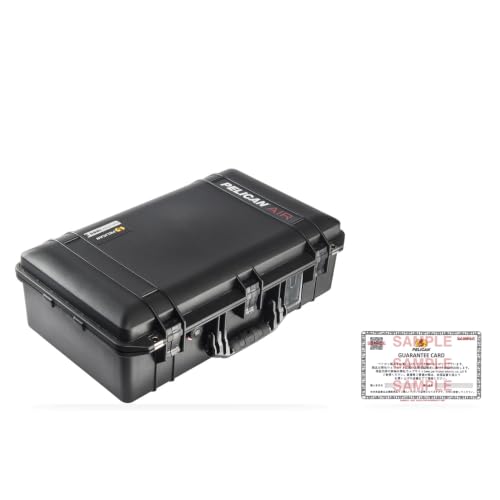
Pelican 1550 Case With Foam
This hard case has a watertight seal, pressure equalization valve, stainless steel padlock protection, and customizable foam. Based on the spec sheet and owner feedback, it fits the kind of abuse I worry about on flights and rough travel. The drawback is simple: it is a general hard case, not a bow-specific interior, so a full compound bow may need careful foam work and fit checks.
Nice-to-have
As an Amazon Associate we earn from qualifying purchases. Prices and availability are accurate as of the date shown and are subject to change.

Kinghardcase 9mm Gun Case Lockable, TSA Approved
This compact hard-shell case has a TSA-compliant lock included and basic drop resistance. I would treat it as useful for small accessories, not a full hunting bow. The obvious drawback is size; it is built for handgun storage, so it will not fit a compound bow setup the way a true bow case should.
Consumables and spares
Foam inserts wear out. So do straps, arrow clips, and loose compartments that stop holding shape after repeated trips. I keep spare foam in mind because replacement costs and accessory damage can quietly make a cheap case more expensive over a season.
Budget setups
| Budget tier | Example setup | Price | Best use |
|---|---|---|---|
| Starter | Soft bow case with simple tie-downs | Truck cab, short walks, camp storage | |
| Mid | Bow case with better foam and arrow storage | ATV/UTV, rough roads, regular hunting trips | |
| Serious | Pelican 1550 Case With Foam | $229.95 | Checked travel, crush-prone transport, hard handling |
Frequently asked questions
Is a soft bow case or hard bow case better for hunting?
A soft bow case is better for lighter carry and short, controlled transport. A hard bow case is better when the trip involves crushing, stacking, or airline baggage. I choose by transport risk first, because that is what changes whether the bow survives intact.
Will a hard bow case fit my compound bow with stabilizers attached?
Sometimes, but not always. Axle-to-axle fit is critical, and cases rated up to 34 inches often require stabilizer removal. Front stabilizers of 8 inches or more may need to come off in smaller cases, especially once the sight and quiver are added.
Do I need a hard case for flying with a bow?
Yes. Air travel exposes a bow to tossing, stacking, flipping, and dropping, so I would not check a soft case. A hard case with a TSA-approved lock on the outside is the safer move for airline baggage handling.